
The Caribbean coast of Mexico is undergoing a silent yet profound transformation. Long gone are the days when the culinary offerings of large resort complexes were limited to standardized buffets and generic Western menus. With the recent opening of the Grand Hyatt in Cancun, the region’s tourism industry takes a bold step toward culinary sophistication, placing the traveling diner at the center of an experience where luxury is measured through product, technique, and respect for the land.
This report analyzes how the arrival of ultra-luxury hotel infrastructure redefines the gastronomic identity of one of the most visited destinations in the world. Through a journey across the trends setting the pace in this new sanctuary of hospitality, we explore the economic, cultural, and sensory impact of an opening that promises to rewrite the rules of the game in the Riviera Maya.
The New Paradigm of Hospitality in the Caribbean
The emergence of the Grand Hyatt on the Cancun horizon does not respond solely to real estate or tourism expansion strategies. In the current landscape of global travel, high-income travelers no longer seek mere relaxation under the sun, but rather coherent cultural immersion and lasting sensory memories. The complex’s architecture and public spaces have been conceived as blank canvases where gastronomy acts as the guiding thread of the stay.
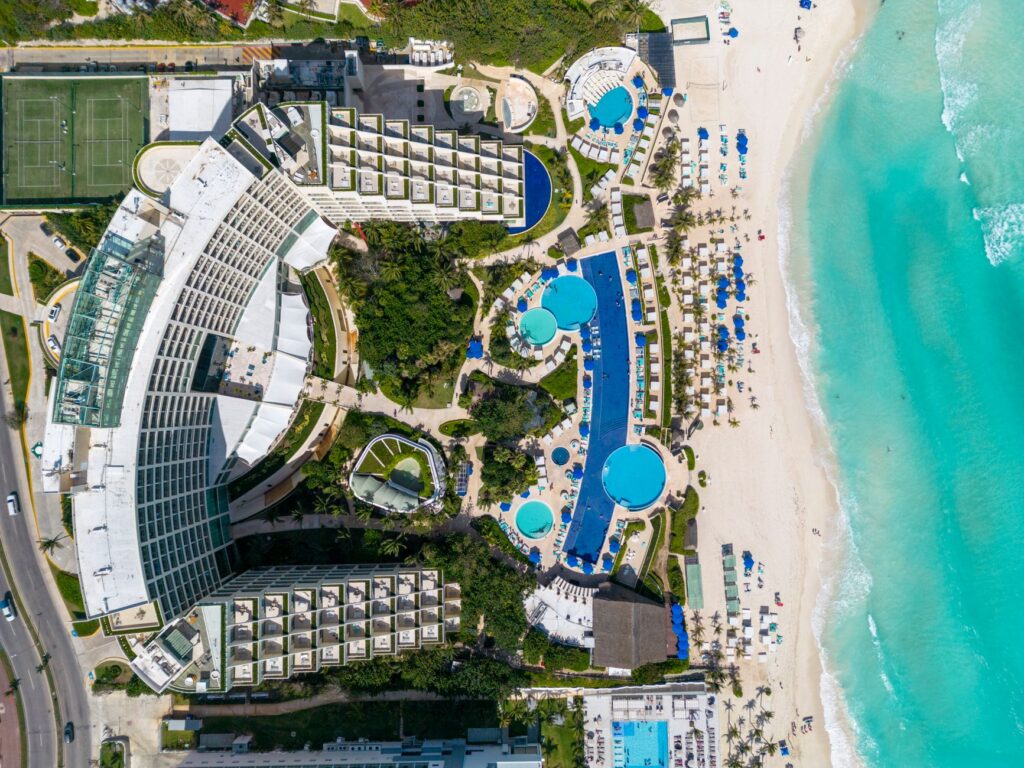
From the moment the opening was projected for the month of December, industry analysts pointed out that the resort’s true appeal would lie in its restaurant proposition. With multiple culinary concepts under one roof, the hotel becomes a microcosm where auteur cuisine, reinterpreted Mexican tradition, and the global standards of excellence demanded by a brand of this magnitude coexist.
Architecture of Flavor: The Design of Culinary Spaces
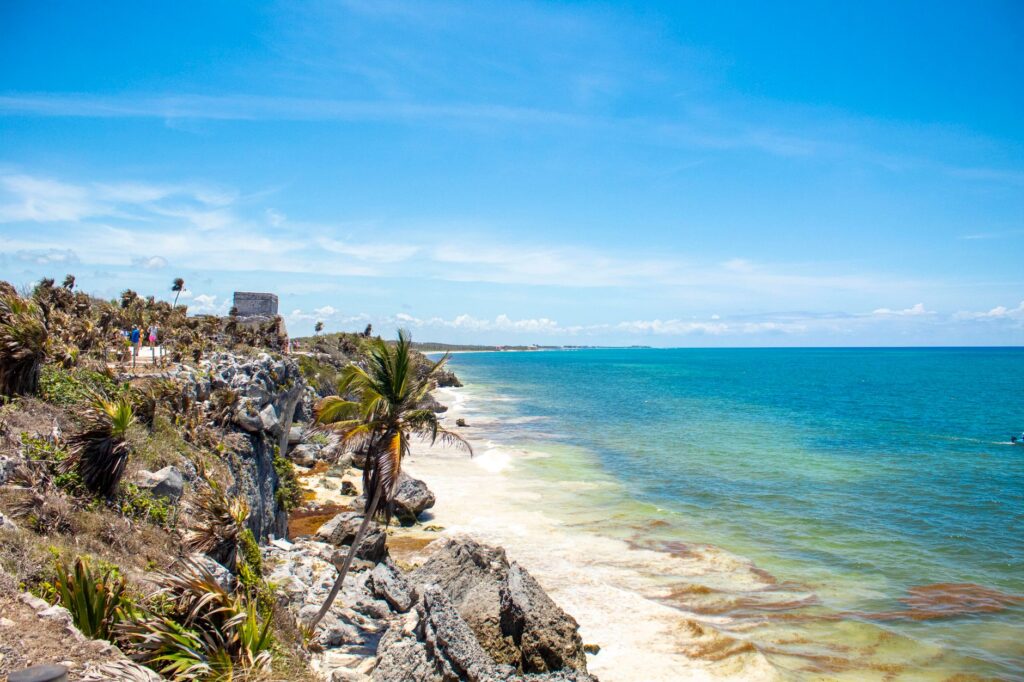
Interior design in contemporary luxury hotel dining seeks to dissolve the boundaries between the dining room and the natural environment. In Cancun, this principle takes on special relevance due to the intensity of the marine landscape and tropical vegetation. The new complex’s restaurants have been organically integrated into the architectural structure, allowing the sea breeze and twilight light to become part of the table experience.
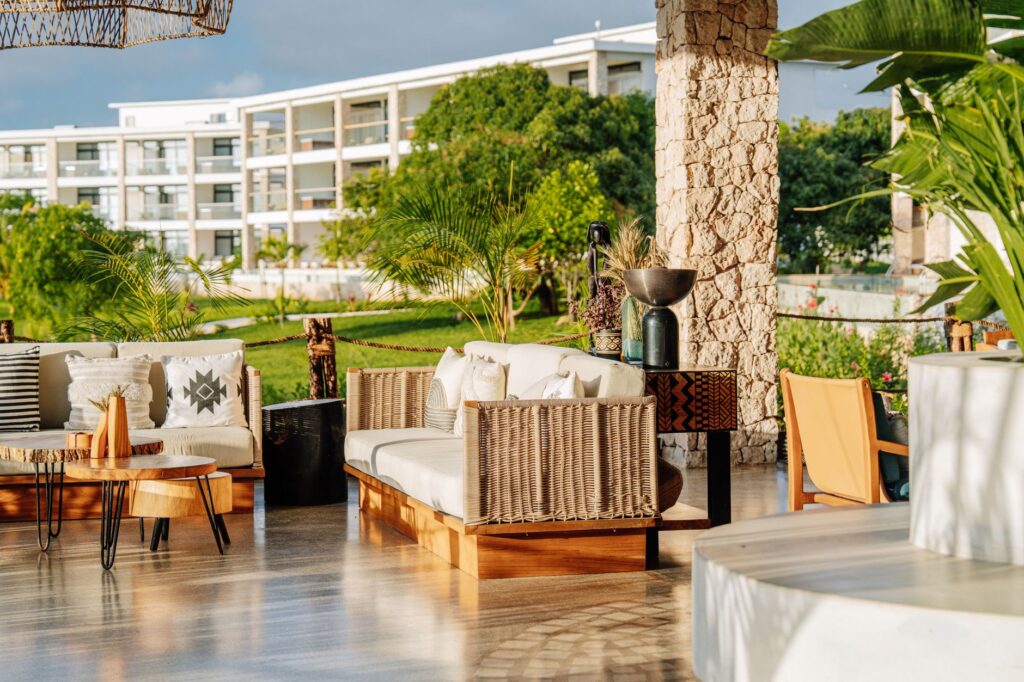
The architectural firms commissioned for the project prioritized noble materials such as tzalam wood, local limestone, and artisanal textiles. This materiality not only provides visual elegance but also establishes a direct dialogue with the Yucatan Peninsula. Each culinary space possesses its own distinct personality, designed to evoke different times of day and moods, from sophisticated intimacy to vibrant Caribbean energy.
The Local Product as a Banner of Fine Dining
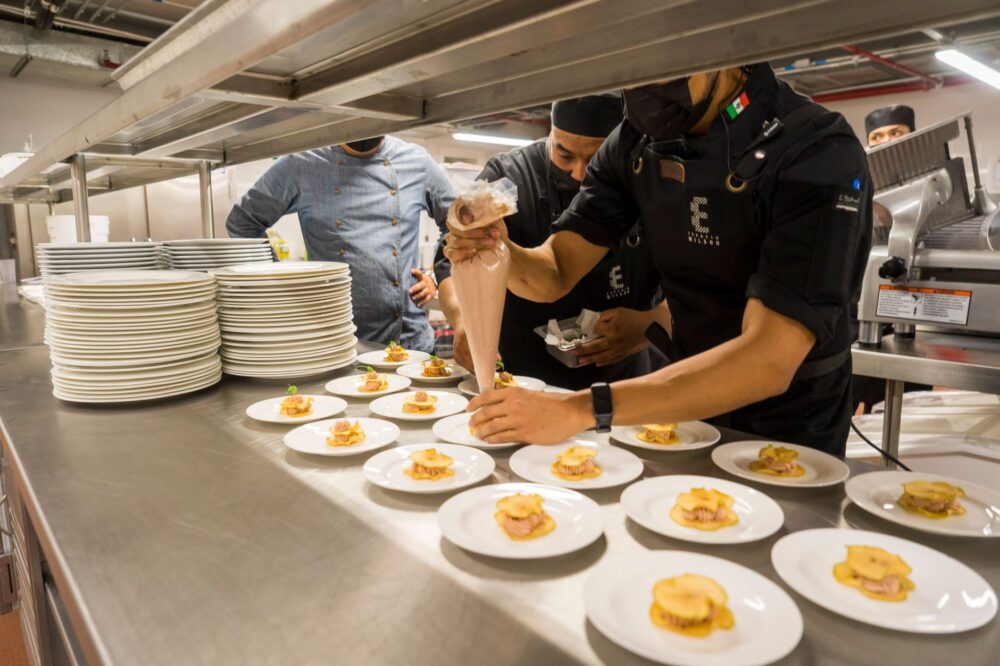
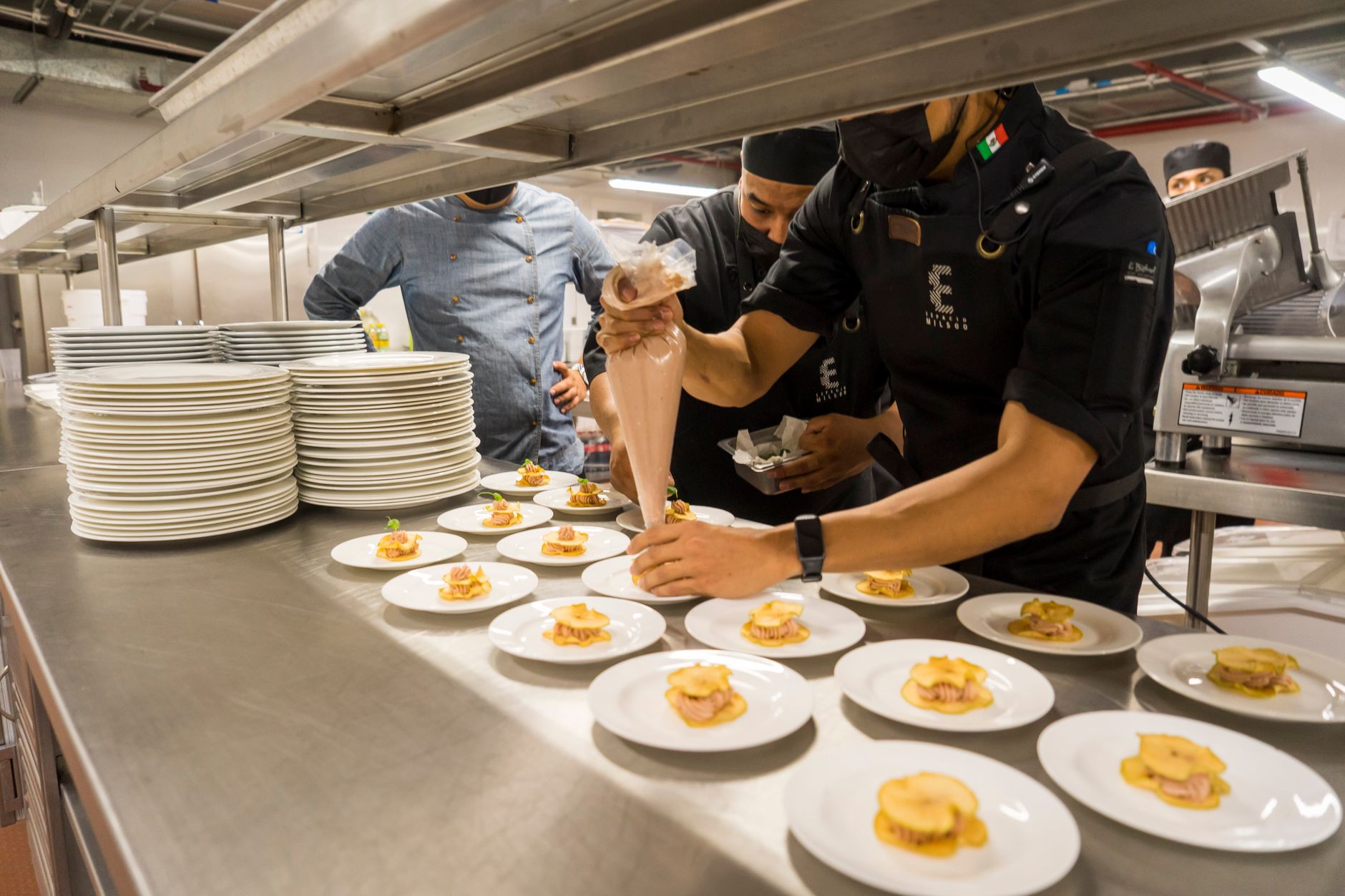
One of the greatest historical challenges for large hotels in the Caribbean has been the supply chain for fresh, high-quality ingredients. However, current trends demand rigorous traceability and a firm commitment to local producers. In this new gastronomic chapter, the resort’s kitchen sources ingredients from artisanal fishermen off the coast of Quintana Roo, organic farmers from the interior of Yucatan, and cooperatives preserving endemic ingredients.
This approach elevates everyday ingredients to the category of delicacies. Grouper, red snapper, and seafood from the Mesoamerican Barrier Reef arrive in the kitchens just hours after being caught. Similarly, the use of native corn, recado chiles, and herbs from the Mayan jungle brings undeniable authenticity, distancing the culinary proposal from any hint of superficial exoticism or artificiality.
The true luxury in contemporary gastronomy is no longer the exclusivity of an imported ingredient from the other side of the world, but the ability to tell the profound story of the territory through a fresh, sustainable, and locally sourced product.
Mixology and Liquid Art as an Indispensable Complement
The table experience would remain incomplete without a liquid proposition matching the food. At the new Grand Hyatt, mixology is elevated to fine art, moving away from the sugary cocktails typical of sun-and-beach destinations. Local bartenders have developed menus based on artisanal agave distillates—mezcals, small-producer tequilas, and raicillas—combined with infusions of tropical fruits, spices, and Mayan jungle botanicals.

This attention to liquid detail reinforces the concept that modern mixology must reflect the character of the place. Each cocktail tells a story about the peninsula’s climate, history, and biodiversity, becoming the perfect aperitif or the ideal accompaniment for a fine dining dinner by the sea.
Sustainability and Social Responsibility at the Table
The growth of luxury tourism in ecologically sensitive enclaves like Cancun carries an inescapable responsibility. The environmental footprint of a large-scale hotel operation must be carefully managed to ensure the preservation of surrounding marine and terrestrial ecosystems. In the case of this recent opening, rigorous protocols have been implemented for food waste reduction, circular water management, and the elimination of single-use plastics across all kitchen areas.
Additionally, the training and hiring program prioritizes local talent, offering career paths and continuous training for chefs and dining room staff originating from the region. This commitment to human capital not only guarantees warm and genuine service, but also ensures that the economic benefits of high-end tourism fairly permeate the local community.
Economic Impact and Destination Diversification
The arrival of an establishment of the Grand Hyatt caliber with such a solid gastronomic commitment transcends the walls of the complex itself. Openings of this nature act as catalysts to raise the standard of the entire tourism value chain in Cancun and the Riviera Maya. Local suppliers, designers, artisans, and small technology companies in the region indirectly benefit by meeting the demanding standards required by an operation of this magnitude.
Furthermore, it positions Cancun not merely as a destination for sun, sand, or mass tourism, but as an essential stop on the international gastronomy map. Epicurean travelers who previously chose European or South American destinations for their culinary offerings now find a competitive alternative in the Mexican Caribbean that rivals the best in the world.
Practical guide
- Location: Cancun Hotel Zone, Quintana Roo, Mexico, with direct access to Caribbean Sea beaches.
- Ideal Season: Winter months, coinciding with the December opening, offer mild and dry weather, ideal for enjoying outdoor terraces.
- Gastronomic Reservations: Given high demand and the exclusivity of auteur spaces, it is highly recommended to manage reservations weeks in advance through the resort’s official channels.
- Dress Code: Elegant casual for main restaurants and light formal for nighttime fine dining spaces.
- Connectivity: Cancun International Airport is approximately 30 minutes away by private vehicle, with direct connections to major cities in the Americas and Europe.

The Sunset as the Grand Final Stage
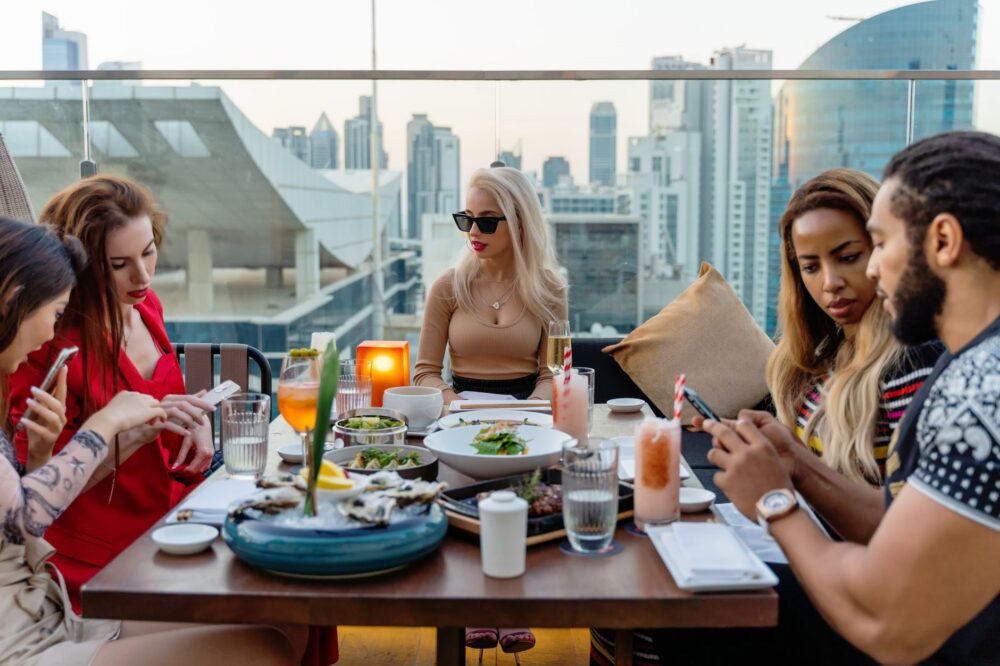
As the afternoon begins to yield to night in the Mexican Caribbean, the atmosphere at the resort acquires an almost cinematic dimension. The golden light of the sun fading over the marine horizon bathes the terraces and lounges in a palette of warm colors that completely transforms the perception of space. In this moment of stillness, the bustle of the day subsides, and the murmur of the waves becomes the soundtrack of a millenary ritual: human gathering around a well-served table.
Sitting down to dine in this new enclave is not simply an act of nourishment, but a celebration of memory, landscape, and human talent. It is definitive proof that modern luxury has matured, abandoning empty ostentation to embrace authenticity, sustainability, and sensory excellence. Cancun looks toward the future with a new culinary voice, consolidating itself as an undisputed benchmark where the sea and haute cuisine embrace forever.
The true gastronomic journey does not end with the last dish, but with the persistent sensation of having better understood the soul of the place through its flavors.
Source in EN: Demócrata (https://news.google.com/rss/articles/CBMiwwFBVV95cUxQUFo5Rjd2d3doZDgtZ1NZUjJUeE15bi1XNGk4TUIySDc0Y3NPakFpYUl0aUxTSFEyQThDRGFINjh0OXhnT2hqdTBmY21WNE5HcDBZbFhYSS01ZG9KOUdnaTNGVVQ4Y3ZSdUdEaEUwNm9NZEd5MkgzUUFtbVhvWEdTT3hxV3dMMG92YzRHREo0RXdRLXVhOXppTXFjSGJZT1hlNmtXSXZ0RG5LaGRISi1udWk5MTVxNHhmb0c0T2lwbC1mRknSAcMBQVVfeXFMUFBaOUY3dnd3aGQ4LWdTWVIyVHhNeW4tVzRpOE1CMkg3NGNzT2pBaWFJdGlMU0hRMkE4Q0RhSDY4dDl4Z09oanUwZmNtVjROR3AwWWxYWEktNWRvSjlHZ2kzRlVUOGN2UnVHRGhFMDZvTWRHeTJIM1FBbW1Yb1hHU094cVd3TDBvdmM0R0RKNEV3US11YTl6aU1xY0hiWU9YZTZrV0l2dERuS2hkSEotbnVpOTE1cTR4Zm9HNE9pcGwtZkZJ?oc=5)