
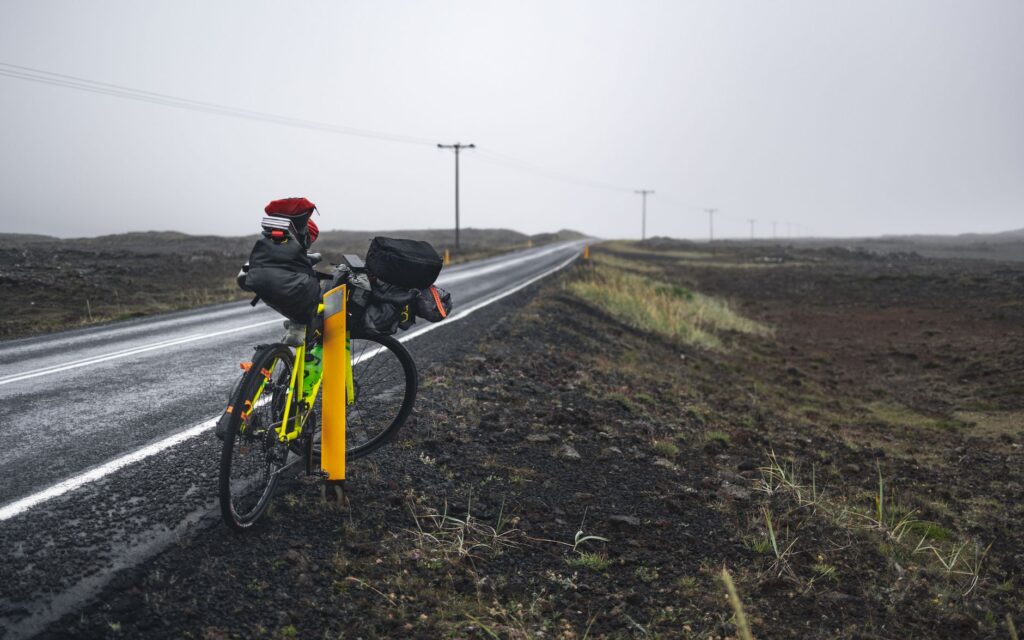
The highway winds alongside cliffs where the Pacific Ocean strikes with ancestral fury, lifting a saline mist that drifts into the primary forests. Here, in the northwestern corner of California, asphalt becomes the guiding thread of a journey where physical effort on the pedals is rewarded by the sheer vastness of the landscape. Far from the urban hustle of Los Angeles or San Francisco, this territory offers a profound communion with untamed nature, challenging riders of all levels with steady climbs, coastal winds, and jaw-dropping natural beauty.
Covering this route on two wheels demands preparation, patience, and an open perspective toward the ecological and cultural shifts transforming the region. From the towering presence of the planet’s tallest trees to coastal communities tethered to the rhythm of the tides, every pedaled kilometer serves as a lesson in geological history and community resilience. The recent removal of massive dams along the Klamath River adds a fascinating layer of current journalism, turning this ride into direct testimony of the largest river restoration project in American history.
The Redwood Highway: Where Silence Has Weight
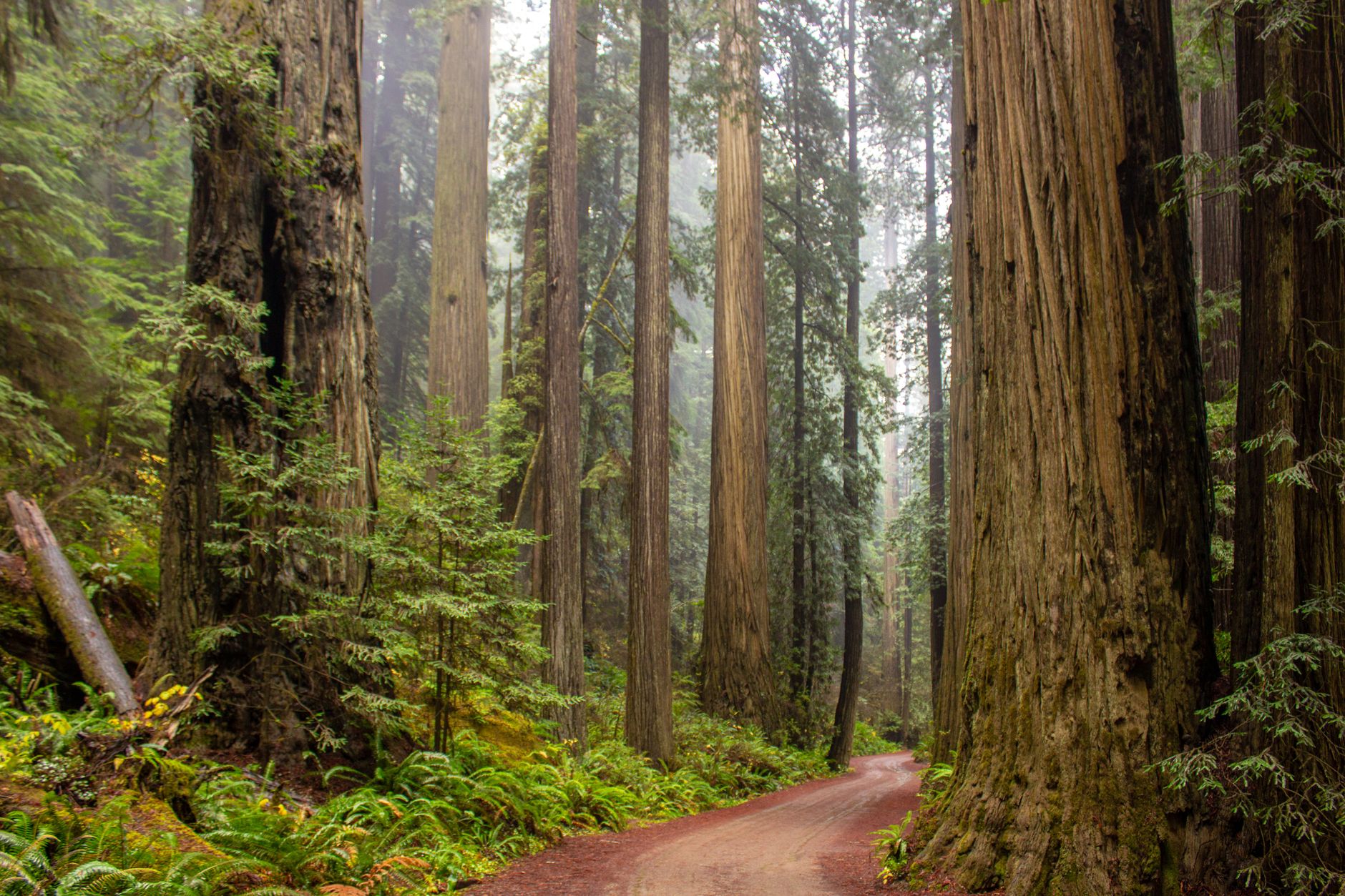
Pedaling deep into the state and national redwood parks feels almost mystical. Sunlight barely filters through a dense canopy situated over three hundred feet above, creating golden shadows that accompany the silent rolling of bicycle tires. The air smells of damp wood, ferns, and ancient soil. In this opening stretch, the slope demands measured exertion, compelling cyclists to find a steady cadence that allows them to absorb both the physical challenge and the visual magnitude of the surroundings.
The reddish trunks, with diameters exceeding any city bus, act as natural cathedrals. Roots intertwine beneath the forest floor, forming an interconnected ecosystem that has weathered fires, floods, and centuries of climate shifts. For cyclists, riding along the Avenue of the Giants represents a privilege protected by low motor vehicle traffic, though remaining alert to local wildlife—such as Roosevelt elk and the occasional black bear—is always necessary.
Natural Architecture and Ecosystem Respect
The preservation of these forest corridors stems from decades of activism and strict public policy. Local authorities and park rangers closely regulate secondary road use, prioritizing non-motorized traffic during specific hours. The pavement, while well maintained, features ripples caused by subterranean roots, reminding travelers that human infrastructure remains subordinate to botanical force.
The redwood forest is not merely a landscape to pass through; it is a living organism that imposes its own rhythm upon the traveler.
Experienced riders recommend pausing every few miles not just to rest legs, but to switch off mobile devices and listen to the silence. The tree crowns function as a natural sound insulation barrier, dampening coastal winds and creating a sanctuary of tranquility that sharply contrasts with the stress of modern life.
Deserted Beaches and the Cliffs of the Lost Coast
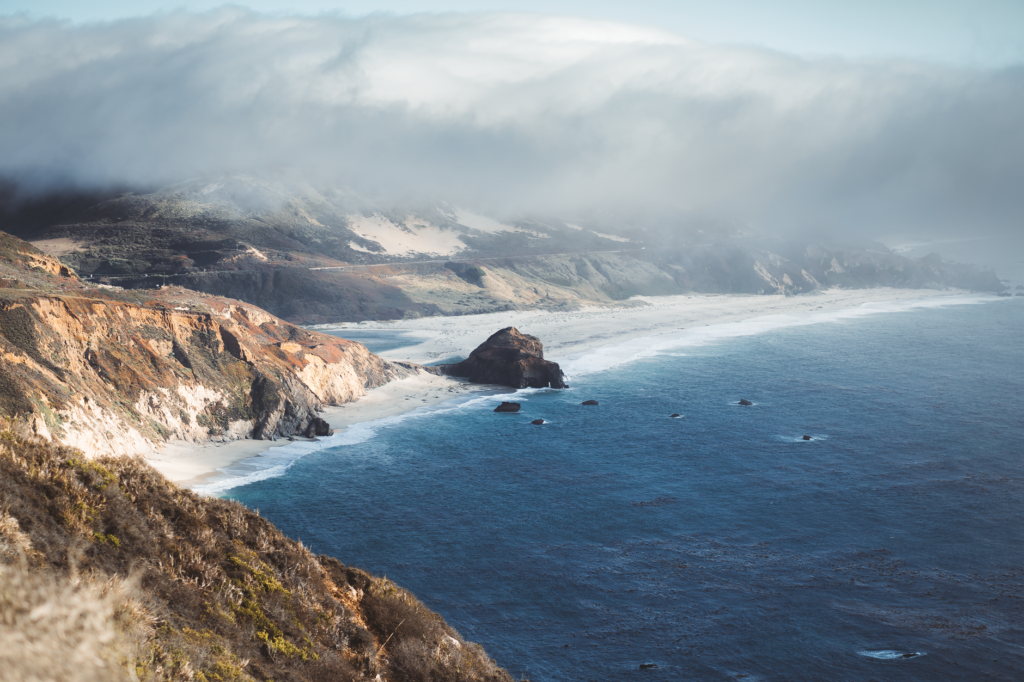
Leaving the forest gloom, the route dips sharply toward the coast, where morning fog typically gives way to wide skies and endless Pacific panoramas. California’s Lost Coast owes its name to the historical inaccessibility of its topography, too steep for the construction of the primary coastal highway (Route 1). For cyclists, this translates into solitary backroads winding between slate cliffs and black-sand beaches where driftwood piles up in chaotic sculptures.
Here, marine wind emerges as the primary protagonist, blowing fiercely from the northwest and forcing riders into steady, aerodynamic postures. Stops in fishing villages like Trinidad or Shelter Cove offer opportunities to regain energy with local seafood—such as Dungeness crab or wild salmon—while chatting with residents about the shifting local economy, traditionally divided between commercial fishing, timber, and, more recently, sustainable tourism.
Tidal Dynamics and Climatic Challenges
Riding across exposed coastal zones requires rigorous planning regarding tides and weather conditions. Winter storms frequently erode entire stretches of coastline, forcing local transportation departments to carry out continuous repairs throughout spring and summer. Locals warn of how rapidly weather can shift: a sunny morning can transform within hours into a dense fog bank accompanied by horizontal drizzle.
Coastal communities have learned to coexist with this unpredictability, adapting infrastructure and investing in the protection of wetlands and estuaries that act as natural buffers against storm surges. For the bicycle traveler, this means packing high-quality waterproof gear and daily checking local weather bulletins before hitting the saddle.
The Klamath River Renaissance: Reverse Engineering
Further north, the route intersects the Klamath River, the setting for one of the most ambitious and complex ecological restoration projects in North American history. For decades, four massive hydroelectric dams blocked salmon migration and radically altered river flow and water quality, profoundly impacting local indigenous tribes such as the Yurok and Karuk, whose livelihoods and culture have been tied to the river since time immemorial.
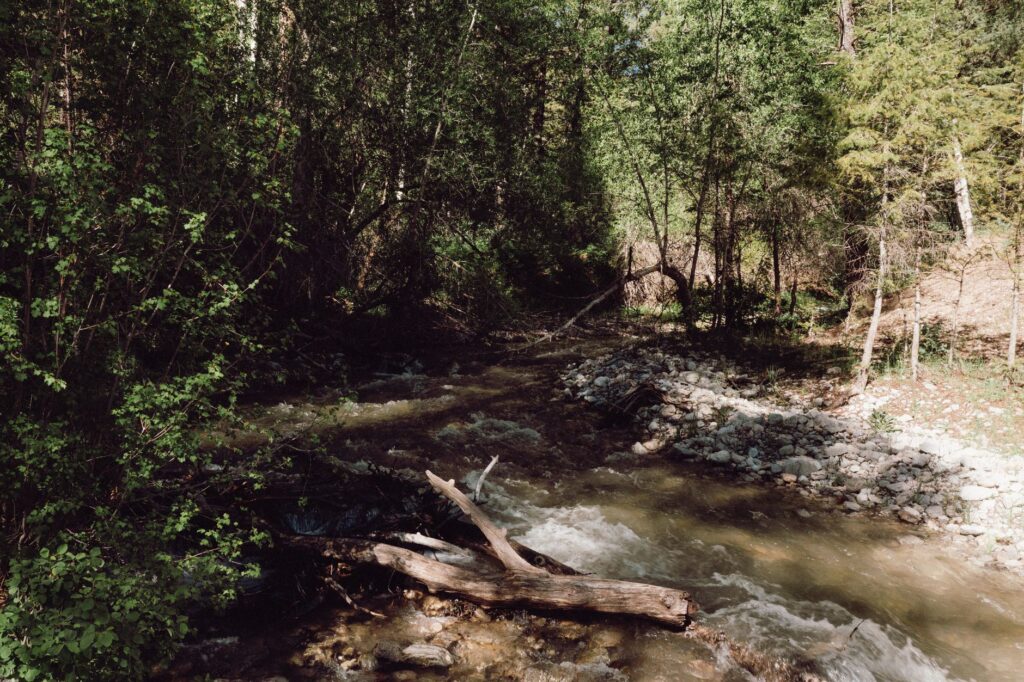
Recently, the completion of dam removals has allowed the river to regain its original free-flowing course. Pedaling across bridges and paths parallel to the channel reveals the visual and environmental impact of this process: former reservoirs have vanished, giving way to the natural regeneration of banks covered in fertile sediment where native vegetation bursts forth. Scientists and biologists closely monitor the return of salmon to traditional spawning grounds, serving as key indicators of overall river health.
Cultural and Economic Impact on Riverside Communities
The Klamath River’s recovery represents not only an environmental victory, but an act of historical justice long awaited by native nations. Tribal cultural centers located along the route offer exhibits and talks explaining the spiritual importance of free-flowing water and future challenges in maintaining aquatic habitat quality against climate change and recurring droughts in the American West.
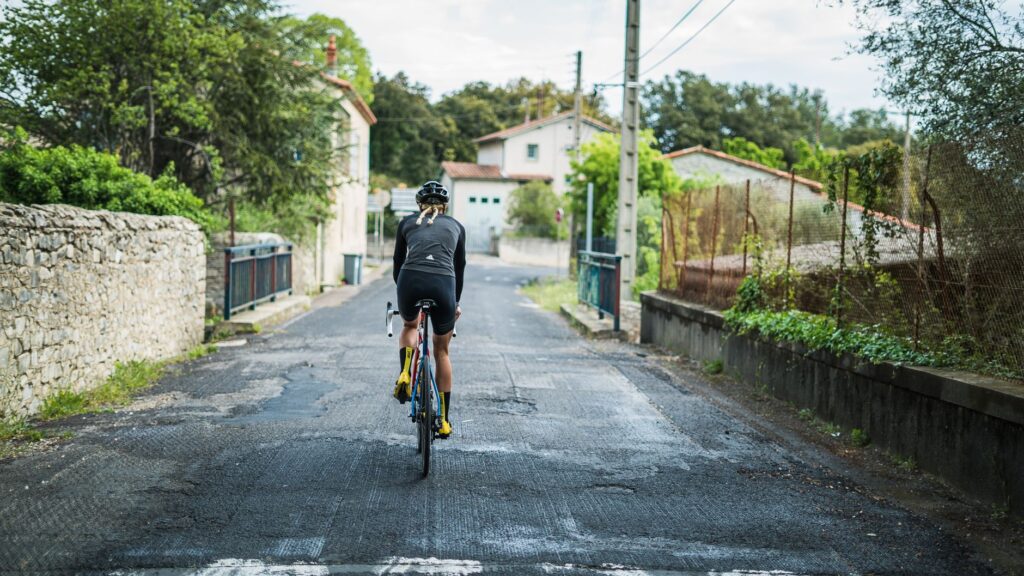
The restoration of the Klamath River demonstrates that reversing decades of environmental damage is possible when scientific will and respect for indigenous rights prevail.
For cyclists, crossing this transforming river basin provides a unique perspective on how natural landscapes are not static, but in constant evolution. Stops in towns like Klamath or Requa allow riders to interact with local guides who explain firsthand how the community is diversifying its economy toward ecotourism and birdwatching, attracting visitors interested in active conservation.
Riverside Towns and Northern Gastronomy
As the route progresses toward the Oregon border, the atmosphere shifts subtly. Human settlements grow smaller and more scattered, dominated by classic Pacific Coast wooden architecture featuring front porches facing the ocean or river valleys. These towns function as oases for the weary traveler, offering family-run cafes, artisanal bakeries, and farmers markets stocked with seasonal fruit, local cheeses, and organic honey.
Regional gastronomy reflects the abundance of its natural surroundings. Local restaurants ground their menus in close-proximity ingredients, pairing seafood with vegetables harvested in fertile interior valleys. Simple yet masterfully prepared dishes—such as smoked fish chowders, wild berry pies foraged from nearby forests, and sustainably sourced game meats—form the foundation of a culinary scene prioritizing authenticity over artifice.
Human Rhythm and Local Hospitality
One of the greatest rewards of traveling by bicycle through this area is interacting with its residents. Far from the fast pace of major metropolises, North Coast Californians maintain a warmth and mutual aid mindset rooted in geographic isolation. It is not uncommon for a local farmer to pull over in a pickup truck to offer water or warn about road conditions ahead, or for a small guesthouse owner to spend several minutes tracing alternative routes on a printed map.
This robust social fabric forms the true foundation of the region’s tourism experience. Small inns, well-equipped municipal campgrounds, and organic farms offering rural stays allow cyclists to immerse themselves in community daily life, understanding the economic and social challenges of living in such a beautiful yet geographically vulnerable environment.
Practical guide
How to get there: The most common entry point for starting the North Coast California route is flying into San Francisco International Airport (SFO) or Sacramento International Airport (SMF), then renting a vehicle equipped with bicycle racks or connecting via long-distance buses to northern cities like Eureka or Crescent City.
When to go: Ideal months for this cycling journey run from June to September, when temperatures are most stable and rainfall decreases significantly. Nevertheless, travelers must remain prepared for coastal morning fog during any season.
Route type and difficulty: This is an intermediate to advanced route due to continuous elevation changes, shared traffic on certain stretches of Highway 101, and crosswinds. Touring bikes, gravel bikes, or road bikes equipped with reinforced tires to handle fine gravel and minor potholes are highly recommended.
Accommodation and camping: The region features an excellent network of state and national campgrounds, many including exclusive hiker-biker sites requiring no advance booking. Small family-owned motels and inns also operate in coastal towns.
Essential gear: High-quality waterproof apparel, high-power front and rear lighting systems (essential for dense fog banks), flat-tire repair kits, offline maps, and layered thermal clothing are indispensable, as temperatures can drop sharply by late afternoon.
Epilogue: The Return to Ocean Silence
When bicycle tires finally touch the last stretch of asphalt before the northern border or the journey’s end, the prevailing sensation is one of profound personal transformation. The accumulated physical effort in the legs dissolves before the persistent image of redwood crowns silhouetted against a twilight sky and the steady roar of waves crashing against rock. This journey is measured not solely in kilometers covered, but in the capacity to tune one’s own heartbeat to the patient tempo of a nature that, after centuries of human pressure, finds new paths to be reborn in freedom.
Source: The New York Times > Travel (https://www.nytimes.com/2026/09/15/travel/cycling-californias-north-coast.html)