
There are places on the travel map that we store in our memory as immutable postcards, tiny geographical treasures where time seems to stand still in an eternal truce. For many globetrotters who explored Southeast Asia in the mid-two thousands, Ko Lipe was precisely that: a well-kept secret in the Andaman Sea, a diminutive archipelago where electricity vanished with the sunset, bamboo huts stood right on white sand, and the silence was broken only by the steady murmur of waves. However, returning almost two decades later to this corner of southern Tailand forces one to face an undeniable and painful reality. The rustic paradise of yesteryear has yielded its place to a complex tourist machinery where concrete, engine noise, and overcrowding have completely rewritten the island’s identity.
This report examines the metamorphosis of Ko Lipe through the direct experience documented by Nomadic Matt, analyzing the cumulative impact of accelerated development on fragile marine ecosystems and local cultural authenticity. Far from being a mere nostalgic complaint, the analysis delves into the structural tensions faced by insular destinations when economic growth collides head-on with environmental sustainability and the preservation of human heritage.
The Rearview Mirror: Memory and Contrast of a Distant Archipelago
When backpacking routes in Thailand still relied on printed maps and verbal recommendations at the ports of Pak Bara, reaching Ko Lipe demanded patience, determination, and a spirit open to discomfort. In 2006, the island was part of the Tarutao National Marine Park, a status that theoretically should have shielded it against real estate speculation. In practice, geographical remoteness acted as a natural filter that kept conventional mass tourism at bay. There were no large hotel complexes or international chains; barely a handful of local families and a few foreign entrepreneurs offering basic shelter beneath coconut palms.
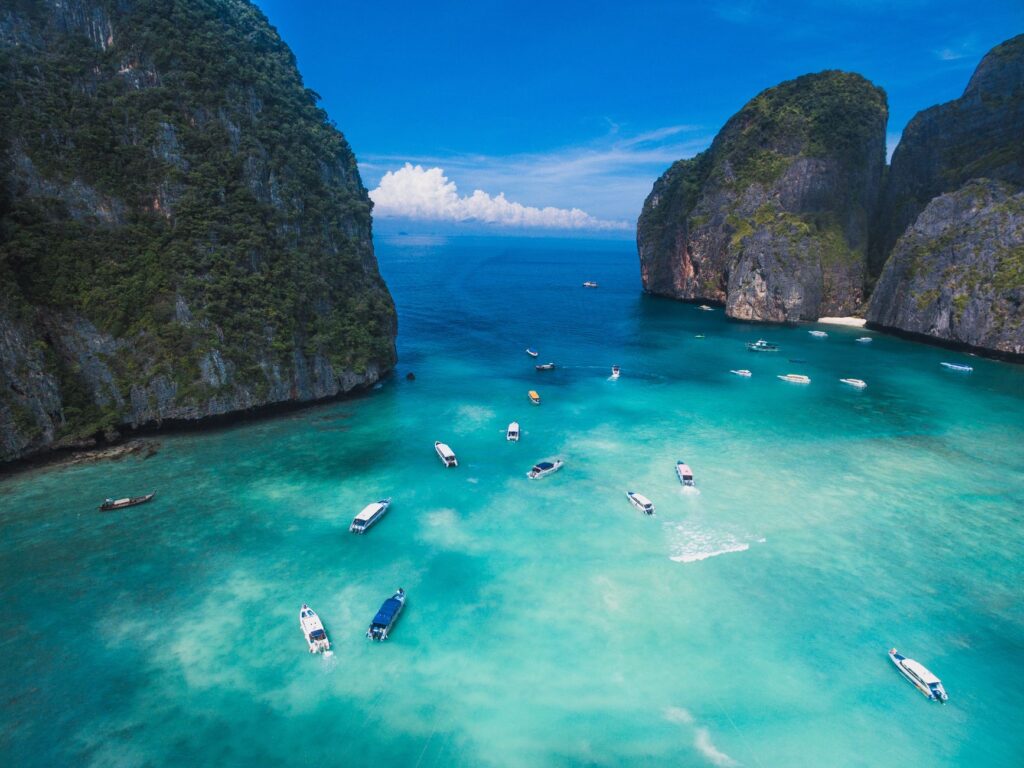
Life moved at a different pace. Electric power depended on community diesel generators that silenced their engines past midnight, plunging the beaches into absolute darkness broken only by the twinkle of stars and bioluminescence in the surf. Interior paths were red dirt trails where land crabs crossed with total impunity. Today, that image belongs to the realm of travel archaeology. Dirt roads have been paved with cobblestones, generators have been replaced by permanent power grids, and the coastline rivals the density of any urban suburb on the mainland.
The Machinery of Development: Concrete, Gentrification, and Demographic Pressure
The turning point in Ko Lipe’s contemporary history does not stem from a single factor, but from the convergence of new high-speed ferry routes, massive digital promotion, and the influx of external investment capital. As the Thai government promoted regional connectivity to boost the coastal economy, islands like this lost their character as isolated refuges. Real estate speculation drove land values to prohibitive levels for original residents, many of whom were forced to sell ancestral plots to outside developers.
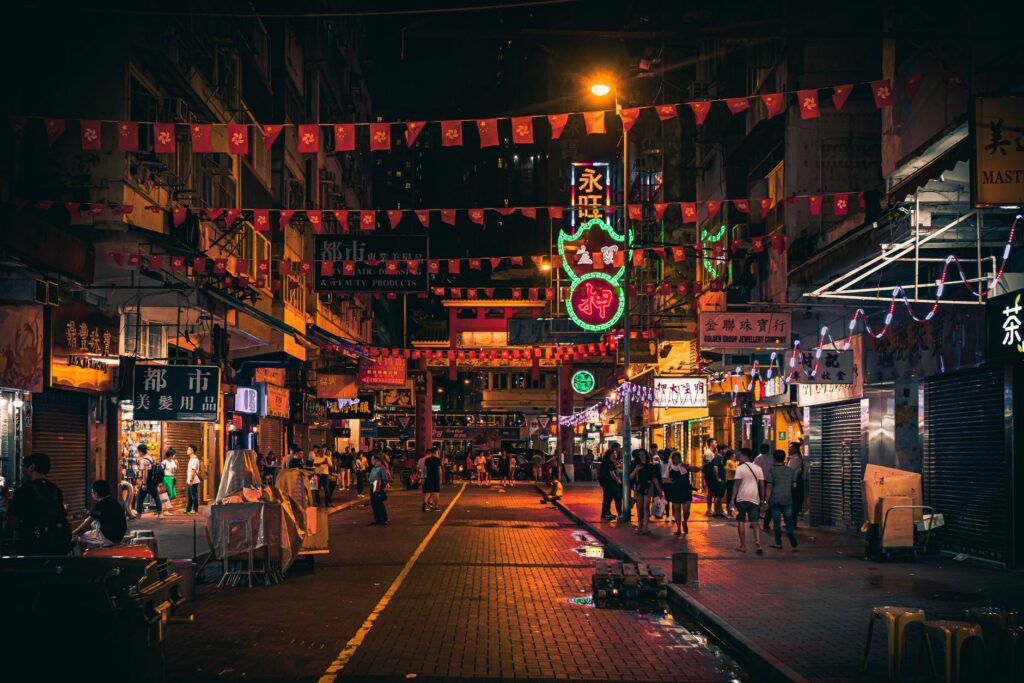
Walking Street, the commercial artery crossing the island from east to west, is the most obvious symbol of this radical transformation. What was once a shaded path flanked by virgin vegetation has become a saturated corridor packed with convenience stores, ATMs, Western fast-food outlets, tour agencies, and diving centers operating non-stop. Construction density has irreversibly altered the natural drainage of the land, causing chronic waste management problems and freshwater supply bottlenecks.
The Invisible Challenge: The Waste Crisis and Resource Consumption
For an insular territory of such modest dimensions, basic resource supply and waste disposal represent colossal challenges rarely reflected in promotional brochures. The massive arrival of daily visitors, especially during the high season coinciding with the northeast monsoon dry months, generates tons of plastic and organic trash that far exceed local treatment capacity.
Unbridled development in fragile islands not only devours the physical landscape, but erodes the symbiotic relationship between local communities and their natural environment.
Drinking water must be transported by barges from the mainland or obtained through expensive desalination processes that increase the local carbon footprint. Likewise, the sewage system, originally dimensioned for a minimal stable population, suffers periodic collapse episodes, raising serious questions about the environmental health of surrounding waters and medium-term public health.
Marine Ecosystems Under Siege: The Price of Underwater Tourism
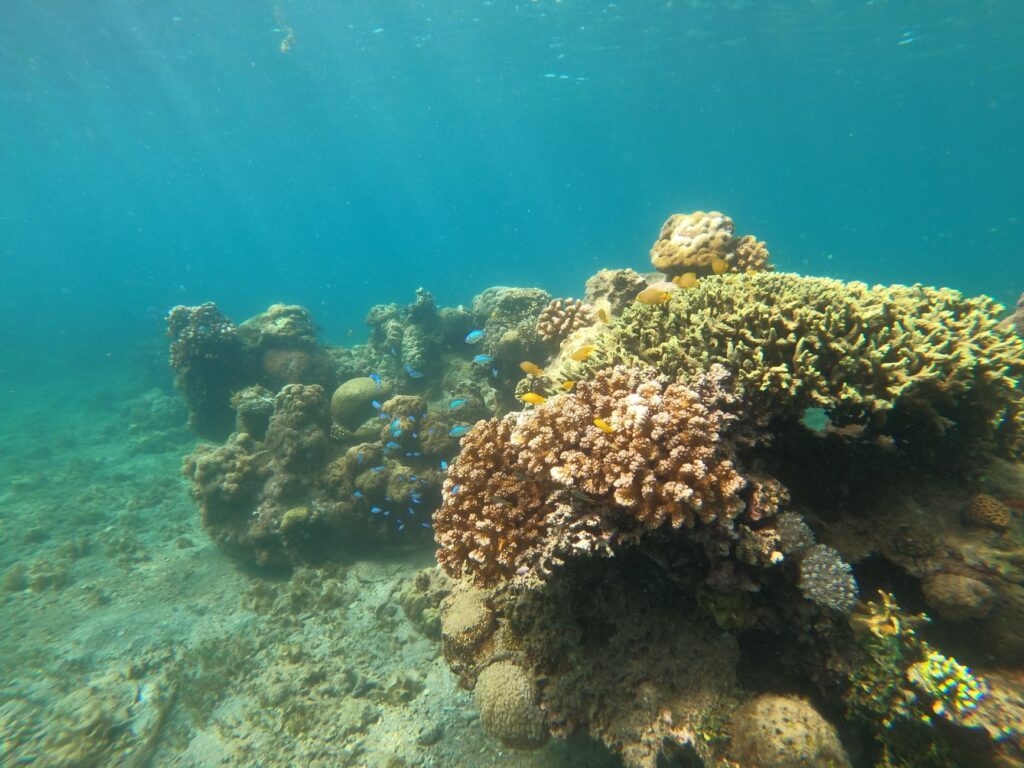
Beneath the sea surface, the picture is equally concerning. The coral reefs surrounding Ko Lipe, historically celebrated for their biodiversity and water clarity, endure constant anthropogenic pressure. Uncontrolled anchoring by speedboats, rising water temperatures due to climate change, and the crowding of novice divers and swimmers have accelerated coral bleaching processes and the degradation of benthic habitats.
Tarutao National Marine Park authorities have attempted to implement protection regulations, access restrictions to key sites, and environmental awareness campaigns, but a shortage of field inspectors and the economic interests of the local tourism industry hinder effective law enforcement. Flagship species once spotted with relative ease in the two-thousands, such as blacktip reef sharks or nesting sea turtles, have drastically reduced their populations in the most frequented bays.
The Transformation of the Urak Lawoi Community
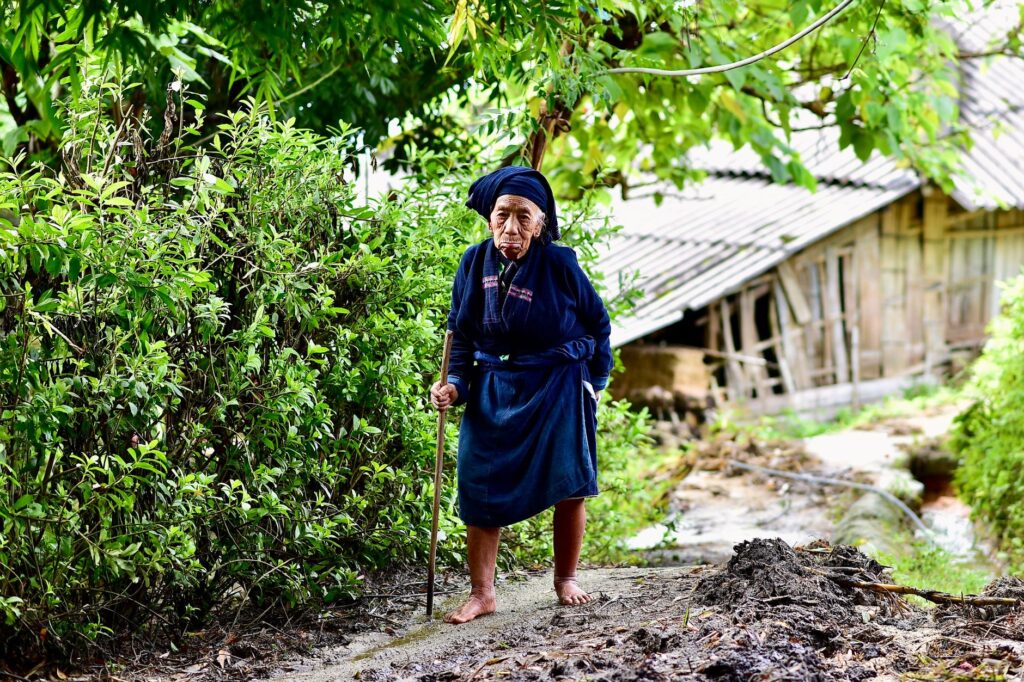
Beyond environmental impact, the most lacerating aspect of Ko Lipe’s evolution is the cultural marginalization of the Urak Lawoi, the sea gypsies who inhabited these waters long before the Thai state drew administrative borders or declared the archipelago a national park. Traditionally nomadic on the water, this semi-nomadic community established permanent settlements on the island, basing their subsistence on artisanal fishing and deep knowledge of oceanic cycles.
With mass tourism, the Urak Lawoi have been relegated to small urban enclaves surrounded by private resorts. Their historical land rights have been systematically ignored or violated by modern title deeds granted to mainland investors. Although some community members have found employment in the service sector as cleaning staff or boatmen, the vast majority have watched their traditional economy dissolve in the face of absolute territorial monetization.
The Contemporary Traveler’s Dilemma: Ethics, Choice, and Responsibility
Ko Lipe’s story acts as a paradigmatic case study on the ethical dilemmas defining global travel in the 21st century. Do current travelers have the right to enjoy the same paradises discovered by previous generations, even when their own presence contributes to the destruction of what they seek? The simplistic response of completely avoiding the destination clashes with the economic reality of thousands of local families who now depend entirely on visitor revenues.
However, the implicit recommendation in Nomadic Matt’s warning does not point toward outright boycott, but toward a profound revision of expectations and the impact of our travel choices. Visiting Ko Lipe today requires accepting that pristine adventure no longer exists there; instead, the destination offers an advanced lesson on the consequences of overcrowding and the urgency of rethinking island development models in Southeast Asia.
Alternatives on the Horizon: Seeking the Lost Spirit
For travelers genuinely pursuing the isolation, tranquility, and respectful communion with nature that Ko Lipe offered two decades ago, the Andaman Sea and the Gulf of Thailand still harbor alternatives less battered by intensive development. Islands like Ko Phayam, in Ranong province, or more remote isles in the Adang archipelago maintain strict traffic restrictions, lack large hotel chains, and preserve low-impact tourism models based on community management.
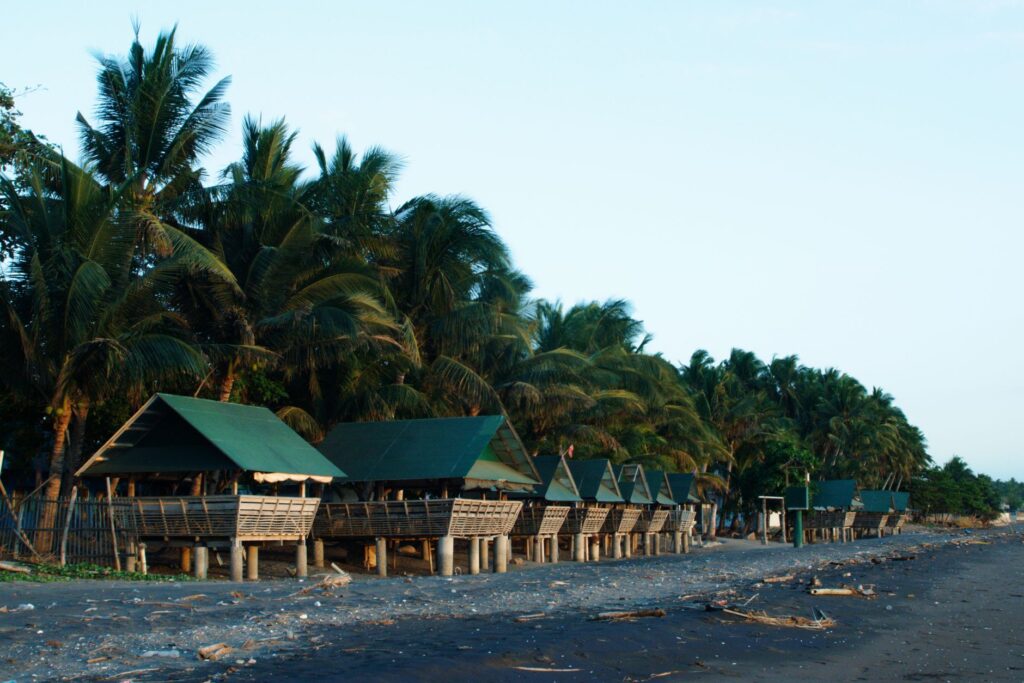
True responsible exploration begins when the traveler decides to look away from saturated destinations to support the preservation of sanctuaries still holding out.
Practical guide
Planning a trip to the Tarutao region and its surroundings requires informational rigor and respect for current conservation regulations. Below are the fundamental logistical aspects to understand the archipelago’s current operational reality.
- Maritime Access: Ferries and speedboats operate exclusively from the Pak Bara pier (Satun province) during the high season (November to April). The journey takes approximately 90 to 120 minutes depending on weather conditions.
- Conservation Fees: Entering Tarutao National Marine Park requires paying a mandatory environmental management entrance fee, costing around 200 THB for foreign adults.
- Waste Management: Travelers are strongly advised to bring reusable bottles and avoid single-use plastics, as local recycling capacity is extremely limited.
- Accommodation: Booking months in advance is essential when traveling between December and February. Prices have multiplied exponentially compared to the previous decade.
- Cultural Respect: Maintain a respectful attitude toward Urak Lawoi residents, avoiding photographing locals without prior consent and supporting local businesses over large franchises.
Emotional Epilogue: The Echo of White Sand
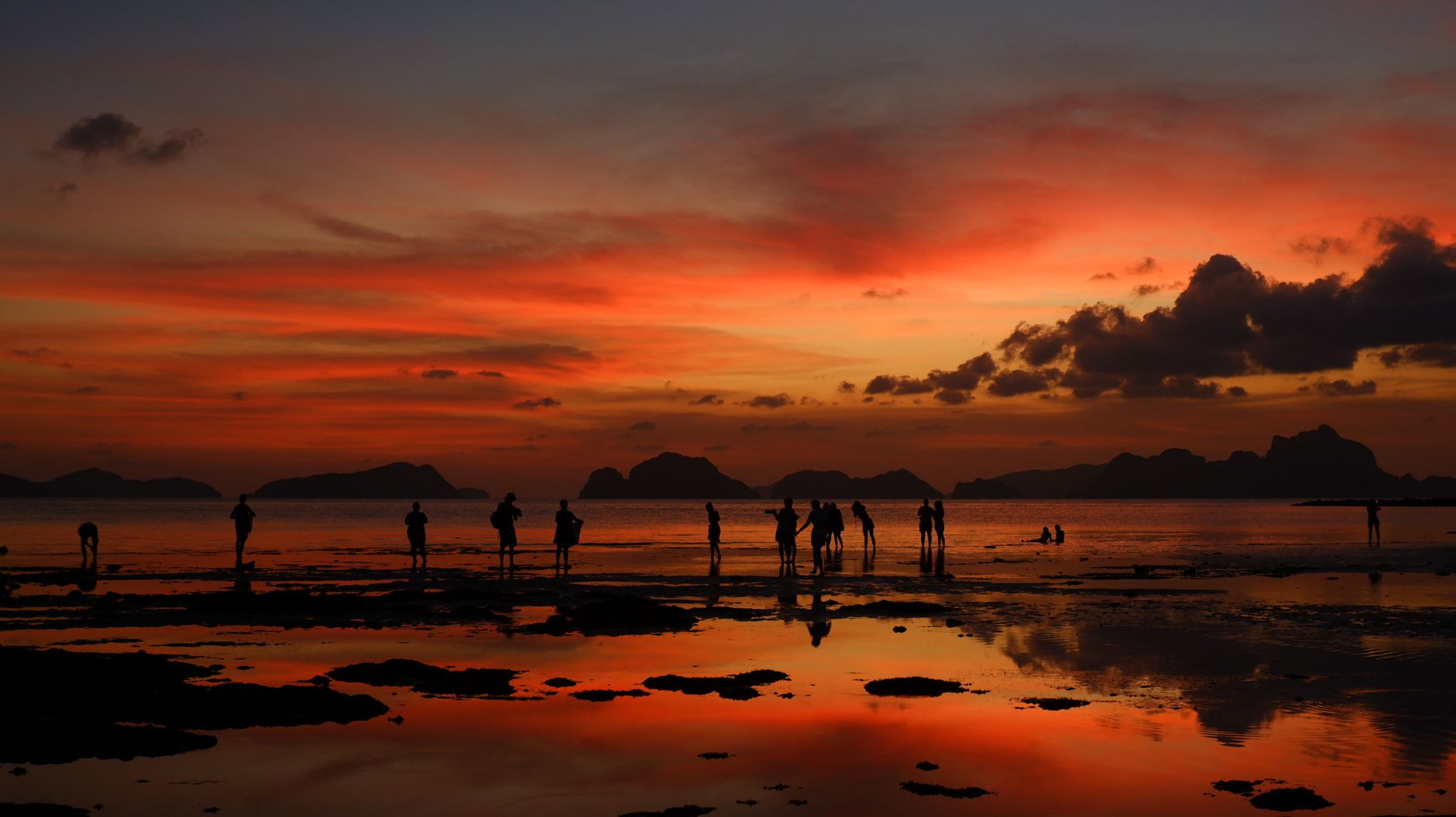
At dusk, as the tide recedes and the human tide of Walking Street disperses toward neon-lit terraces, it is still possible to walk to the farthest reaches of Sunrise Beach and close your eyes for a moment. If one concentrates deeply, beyond the distant hum of air conditioners and strident beach bar music, the Andaman wind still seems to carry the faint echo of that silent refuge where night belonged to the sea and stars. Ko Lipe is no longer a paradise to discover, but a melancholic reminder of what the modern world leaves behind in its relentless march toward progress.