
Japan’s railway system has stood for decades as an undisputed synonym for pinpoint punctuality, advanced engineering, and world-class efficiency. However, East Japan Railway Company, widely known as JR East, has decided to take a decisive leap forward in its corporate and mobility strategy. Far from resting on its laurels or merely optimizing travel times, the rail giant has chosen to weave its technological modernization narrative together with one of the most ambitious environmental events of the upcoming decade in the archipelago: GREEN×EXPO 2027, set to take place in Kanagawa Prefecture.
This strategic alliance is far more than a routine institutional marketing campaign; it underscores how high-speed mass transit can and must serve as the backbone of urban ecological transition. By introducing technical innovations across its cutting-edge fleet and reconfiguring the travel experience, JR East aims to position the bullet train as the natural gateway to a future where state-of-the-art technology and environmental sustainability go hand in hand, redefining what it means to travel across northeastern Japan.
The Technological Evolution of the Next-Generation Shinkansen
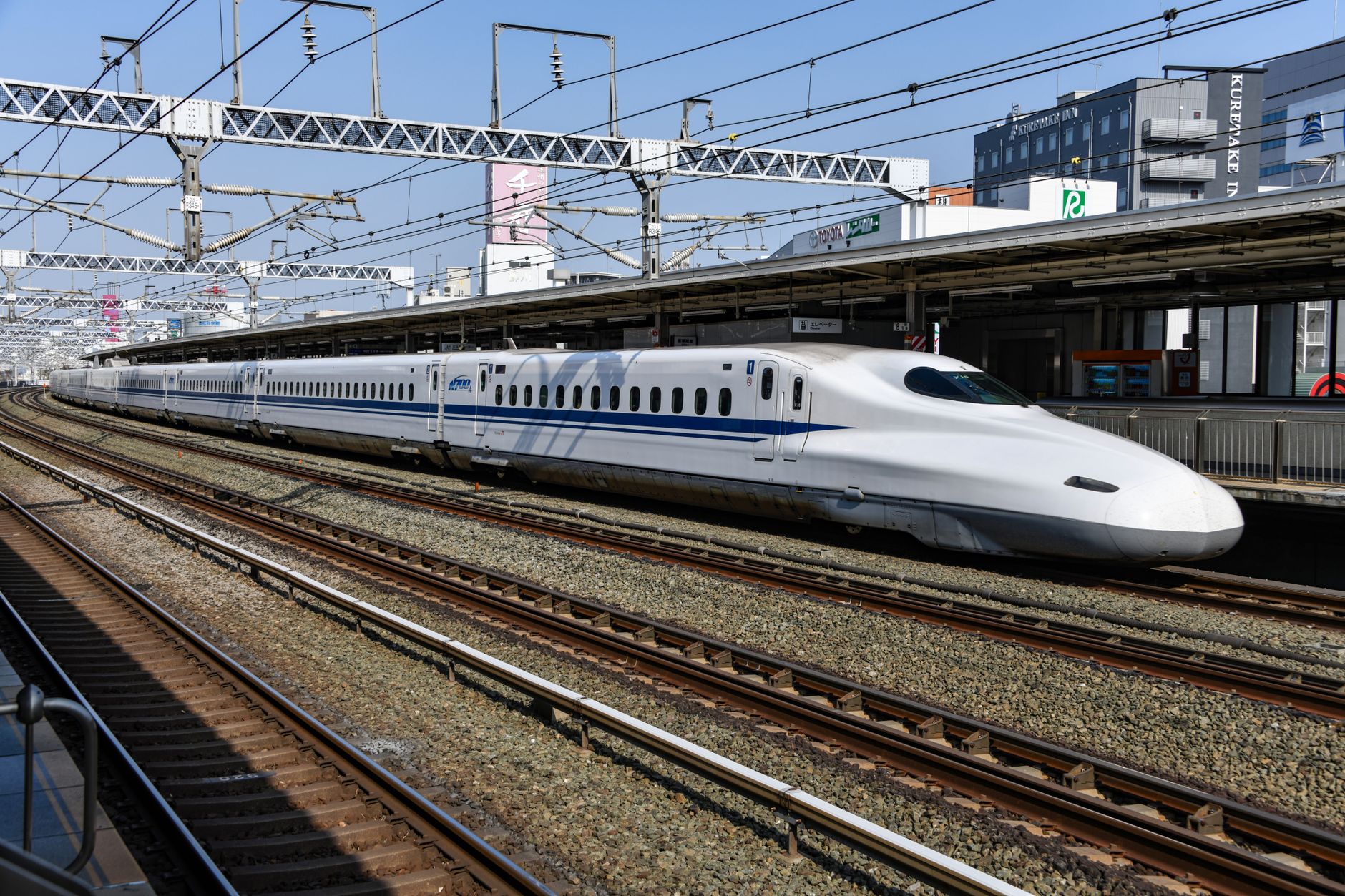
To grasp the true scale of this initiative, one must examine the vehicle driving this transformation. JR East’s next-generation fleet incorporates radical aerodynamic advancements that drastically reduce wind resistance and, consequently, energy consumption per passenger. These trains are not only quieter as they cut through Japan’s dense network of tunnels, but they also integrate regenerative braking systems capable of feeding surplus energy back into the company’s electrical grid.
The interior design has also undergone a profound metamorphosis. Engineers have prioritized locally sourced recycled materials and intelligent adaptive lighting systems designed to reduce passenger eye strain. Each railway car is carefully crafted to offer a sensory experience that harmonizes with the passing landscape, allowing travelers to detach from urban noise long before reaching their rural or agricultural destinations.

High-speed rail in Japan has evolved beyond mere velocity into a clear statement of intent regarding the responsible management of energy resources.
Furthermore, the digitalization of onboard services has reached a new benchmark. Informative displays provide real-time data on the carbon footprint saved compared to an equivalent domestic flight, actively encouraging environmental awareness among both domestic and international passengers traveling along the company’s lines.
Yokohama and the Green Horizon of 2027
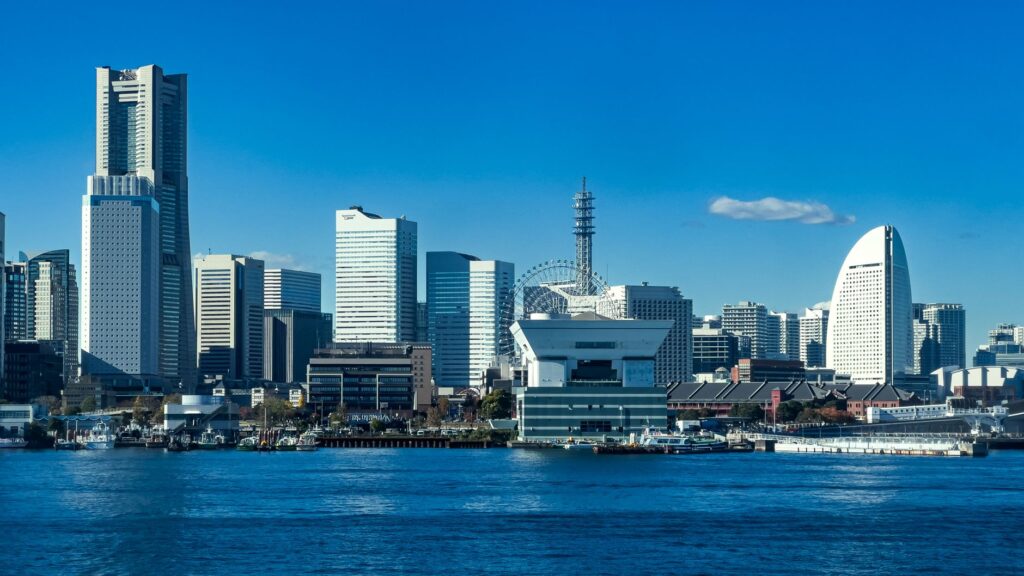
The convergence point for this entire revitalized infrastructure is GREEN×EXPO 2027, officially designated as the International Horticultural Exposition, hosted in the Seya district of Yokohama. This world-class event aims to gather millions of visitors from around the globe to discuss and showcase innovative solutions centered on biodiversity, sustainable urban agriculture, and the harmonious coexistence between human beings and natural ecosystems.
For JR East, this milestone represents an unparalleled opportunity to demonstrate its capacity to absorb and distribute massive tourist flows without compromising the environmental integrity of host regions. Key railway stations connecting to Yokohama are currently undergoing comprehensive remodeling projects to improve universal accessibility, integrate solar-powered device charging stations, and clearly signpost pedestrian and cycling routes designed to reduce private car dependency during the event.
The Logistics of Large-Scale Sustainable Mobility
Coordinating the movement of millions of visitors to an exhibition venue of this scale demands surgical logistical precision. JR East has worked closely with local authorities in Kanagawa to design flexible, dynamic train schedules that adapt to real-time passenger demand. This meticulous synchronization prevents station congestion and optimizes the utilization of rolling stock.
- Increased service frequencies on direct lines heading to Yokohama Station during peak weekends.
- Implementation of integrated digital ticketing combining Shinkansen travel, urban transit, and exhibition admission.
- Establishment of multilingual traveler service centers equipped with remote assistance technology for international tourists.
- Implementation of strict luggage management protocols to streamline boarding and alighting processes on platforms.
This operational deployment proves that sustainability in transportation is not restricted to train engine efficiency; rather, it encompasses the entire value chain of the mobility experience, from purchasing a ticket to arriving at the final destination.
Economic and Tourism Impact Across Northeastern Regions
While the exposition itself takes place within the Greater Tokyo and Kanagawa metropolitan area, the momentum generated by JR East is deliberately designed to decentralize tourism toward northern prefectures such as Iwate, Akita, and Aomori. These regions, traditional beneficiaries of Shinkansen routes, find in this alliance an unprecedented promotional platform to attract conscientious travelers interested in rural tourism, local gastronomy, and the preservation of historical heritage.
Local tourism authorities have begun designing specialized travel packages that combine admission to GREEN×EXPO 2027 with extended stays in the rural countryside of northern Honshu. In doing so, the bullet train acts as an invisible yet sturdy bridge between the hyper-technological metropolis and the tranquil natural landscapes of Japan, proving that infrastructure development can serve as a vital engine for territorial balance.

Technical and Operational Challenges in the Post-Pandemic Era
Despite widespread enthusiasm, implementing this ambitious vision is not without complex challenges. The global railway industry, and Japan’s in particular, faces a demographic shortage of skilled labor driven by an aging population. Sustaining rigorous preventive maintenance standards and world-class punctuality requires the accelerated adoption of automation technologies and artificial intelligence.
JR East has responded to this challenge by integrating laser-sensor track inspection systems installed directly onto commercial trains, allowing technicians to detect micro-cracks and structural wear long before they pose operational risks. Similarly, automating select station processes aims to free up human personnel to offer more personalized and empathetic assistance to passengers in need.
True innovation in contemporary rail transport lies in the ability to anticipate disruptions through predictive data analysis, ensuring safety without ever sacrificing operational agility.
These efforts demonstrate that the modernization of the Shinkansen is not merely an aesthetic exercise, but an unavoidable operational necessity to maintain the system’s competitiveness against alternative regional and international transportation modes.

Railway Architecture and Landscape: Conscious Integration
Another less visible yet fundamental aspect of JR East’s strategy is the landscape integration of new infrastructure. Platform expansions, the construction of new electrical substations, and the modernization of control centers are being executed under strict bioclimatic architectural criteria. Priority is given to certified domestically sourced timber and living green facades that mitigate the visual impact of concrete in both urban and rural settings.
This aesthetic sensitivity addresses a growing demand from citizens and visitors alike, who increasingly value public works that engage respectfully with their natural surroundings. The bullet train, winding gracefully through rice paddies and forested hills, becomes a moving postcard reflecting the delicate balance between modernity and tradition that defines contemporary Japanese society.
Practical guide
Planning a trip to connect the next-generation Shinkansen experience with a visit to GREEN×EXPO 2027 requires a clear understanding of rail services and transportation options across Japan.
How to Navigate the JR East Network Efficiently
Purchasing regional or national rail passes in advance through official channels is essential for maximizing economic savings. Travelers are strongly advised to utilize the company’s official mobile applications to secure seat reservations ahead of time, especially during peak demand periods coinciding with international event openings.

Connectivity and Accessibility Recommendations
- Take advantage of luggage forwarding services (Takkyubin) to travel light aboard high-speed bullet trains.
- Consult interactive digital maps located in major stations to quickly locate accessible facilities for passengers with reduced mobility.
- Use compatible rechargeable IC cards across Yokohama’s entire urban transit network to bypass ticket counter queues.
- Stay informed regarding potential schedule updates through JR East’s official digital channels available in English and Japanese.
The Human Legacy of Sustainable Mobility
At the end of the journey, beyond the kilowatt-hours saved, the billions of yen invested, and the complexity of advanced engineering, the true purpose of JR East’s initiative lies within people. Ever since its inaugural run in 1964 for the Tokyo Olympic Games, the bullet train has remained a tangible symbol of Japanese societal optimism and resilience. Today, by intertwining its future with the ecological ideals of GREEN×EXPO 2027, the railway renews that historic pact with the public.
Traveling aboard these silent, high-speed machines no longer means simply moving from point A to point B in the shortest possible time; it signifies taking an active part in a collective movement toward sustainability. As the landscape flashes swiftly past the window, the passenger experiences the reassuring certainty that technical progress, when aligned with environmental respect, can build a genuinely hopeful horizon for generations to come.
Source in English: Adapted and translated from «JR East Ties New Shinkansen Era to GREEN×EXPO 2027» via Google News / thetraveler.org.