
Origins of Stone and Chill in Northern Castile
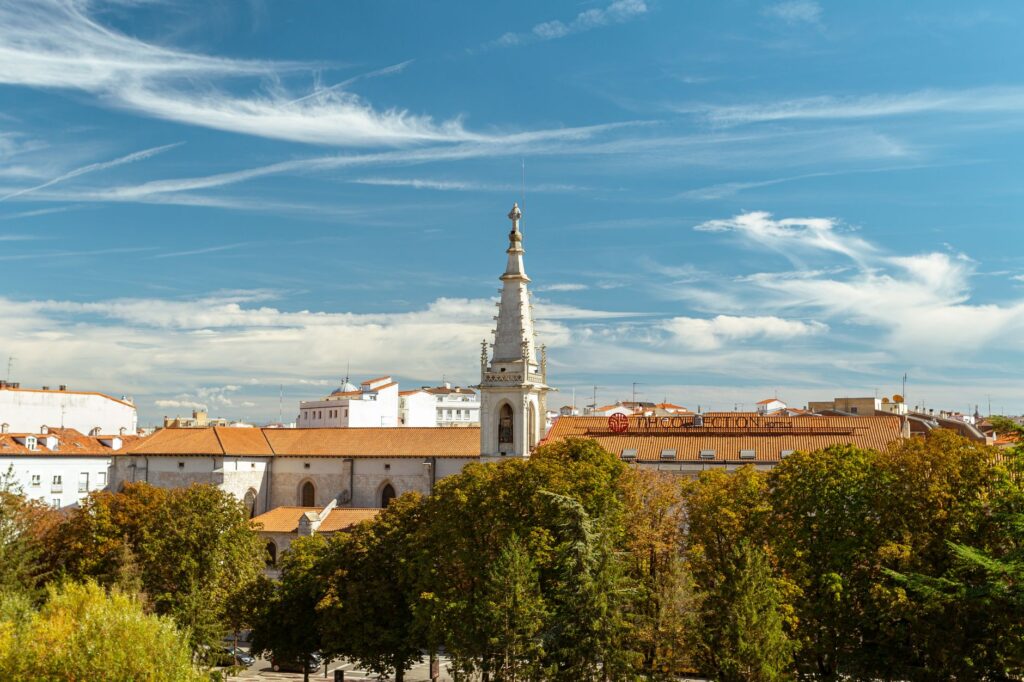
The traveler arriving in Burgos at dawn immediately understands that the thermometer is not a mere meteorological data point, but an invisible architect that sculptures the character of its inhabitants. Amidst the mists rising from the Arlanzón River and the pointed silhouettes of the cathedral, the city’s pulse begins to beat long before the bells ring for matins. At this crossroads where the Meseta and the northern valleys converge, gastronomy is not a seasonal diversion, but an ancient strategy of survival and communion. The external chill demands noble calories, well-managed fats, and infinite patience in the hearths that defies twenty-first-century haste.
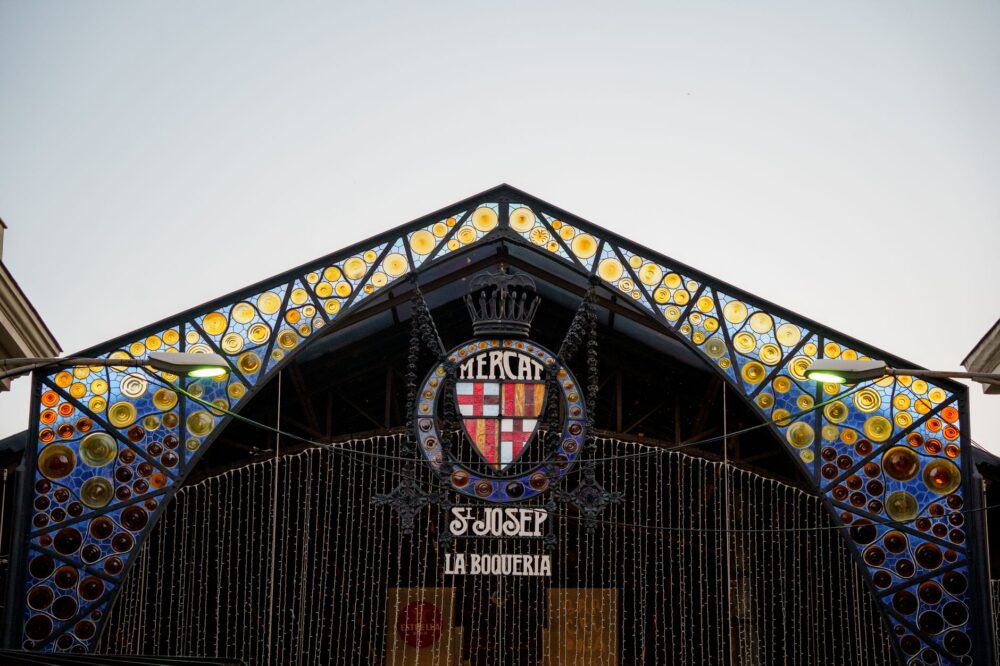
At the urban core, the Central Market stands as a secular cathedral where the ritual of provisioning is officiated every morning. Beneath its early twentieth-century metal structure, the stalls display the larder of an austere yet nuance-rich land. Here there is no room for decorative frivolity; every piece of game, every raw-milk cheese, and every dried legume tells a story of transhumance, extreme climate, and wisdom accumulated over generations. The vendors, heirs to a lineage of merchants who know the names and tastes of their patrons, dispense goods with the composure of those who know that fine produce tolerates neither shortcuts nor temporal urgency.
The Alchemy of Blood and Rice: Anatomy of the Morcilla
If there is an undisputed totem in the Castilian gastronomic imaginary, it is the Burgos black pudding—the *morcilla*. Far from urban purism, this sausage is the result of precise alchemy where pork blood, lard, local *horcal* onions, and rice fuse inside a natural casing before receiving the baptism of boiling water. Artisans from surrounding villages insist that the secret lies in the horcal onion variety, native to the region, which provides a subtle sweetness capable of balancing the fatty weight of the whole without masking the spiced notes of cumin and paprika.
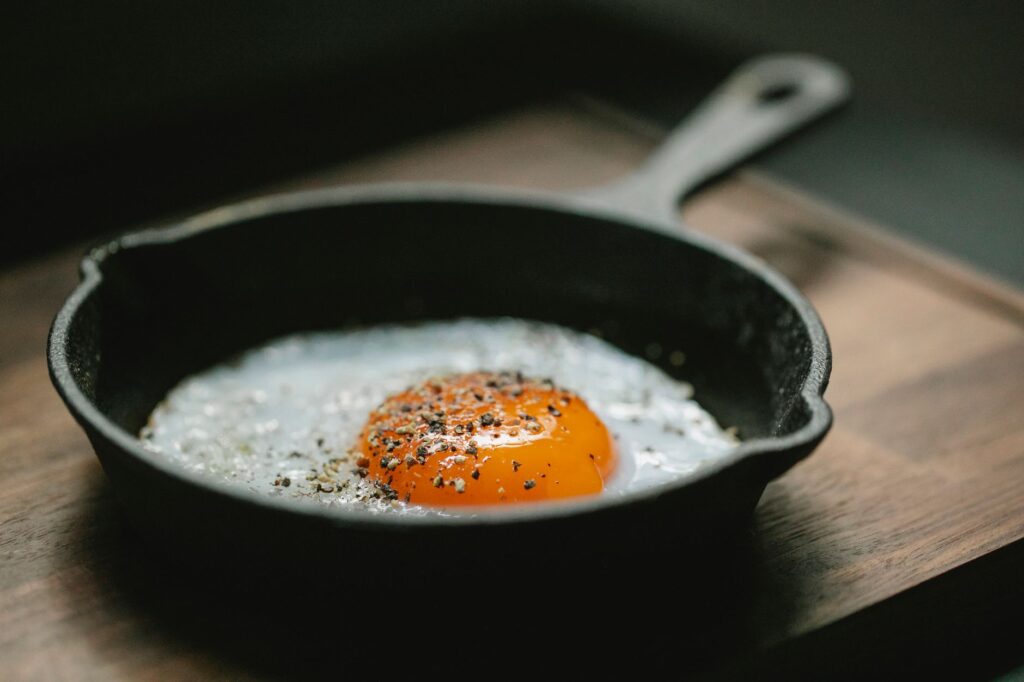
Cooking the morcilla is a liturgical act requiring millimeter precision. Fire that is too lively bursts the skin; languid fire dulls the texture. When slicing the freshly fried round, the interior must appear unctuous, almost creamy, releasing aromas that evoke winter slaughterhouse traditions and the warmth of ancient cast-iron economic stoves. This is not a mere appetizer sausage, but a foundational element that accompanies bean stews, presides over spoon-dish days, and claims its rightful place on the most demanding tables of the Iberian Peninsula.

Castilian cuisine does not disguise the passage of time; it celebrates it through fat, fire, and salt, turning historical scarcity into a banquet of memory.
The Fields of La Bureba and the White Gold of Cereal
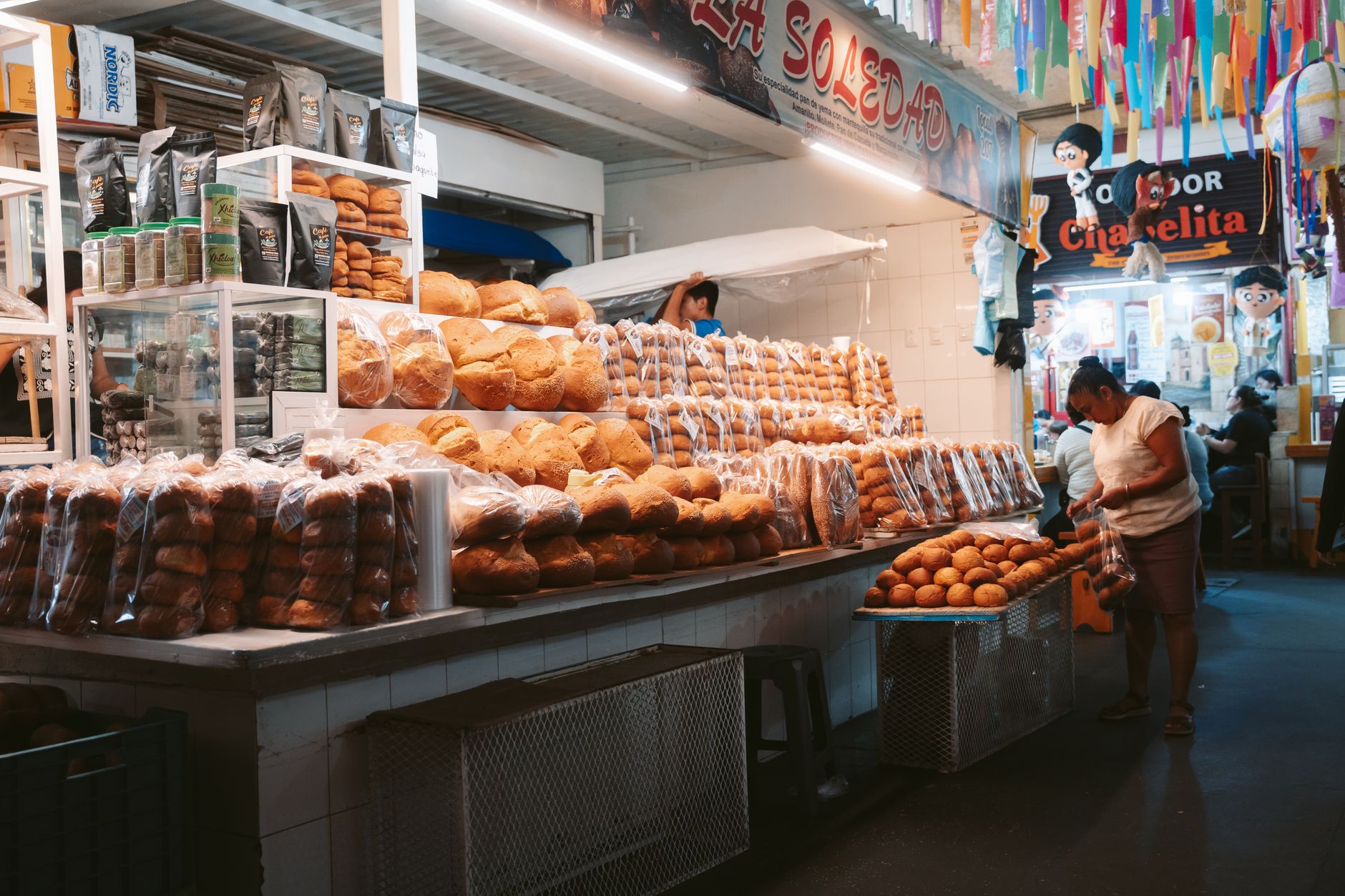
Beyond the historic walls, the region of La Bureba stretches like an undulating sea of open fields where wheat and barley dictate the rhythm of the seasons. In these highlands where the wind sweeps the horizon, cereal farming has nourished not only local mills but also a baking and pastry tradition with monastic roots. The wood-fired ovens of scattered villages continue to bake loaves with dense crumbs and crunchy crusts, designed to last weeks and resist the dampness of Castilian winters.
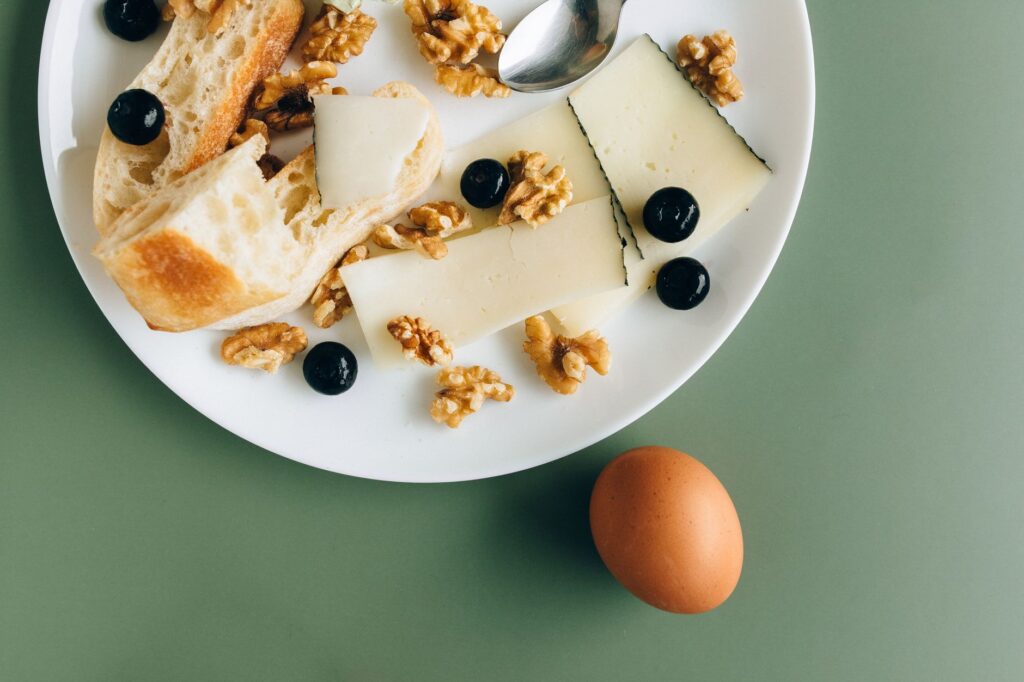
This landscape of infinite plains and golden stone villages is also home to fresh Burgos cheese, a dairy product with a delicate texture and clean lactic profile that contrasts with the intensity of cured Churra sheep’s milk cheeses. Traditionally crafted from sheep’s milk or combinations with cow’s milk, this white and ephemeral cheese finds its best partner in the contrast with quince paste or honey from the Montes de Oca mountains. Each bite synthesizes the duality of a territory capable of producing both rustic, high-calorie delicacies and immaculate dairy purity.
The Brotherhood of Suckling Lamb and the Roasting House
In the chapter of grand roasts, the province of Burgos shares with its neighbors in Ribera del Duero an unshakeable liturgy surrounding roast suckling lamb—*lechazo asado*. The lambs, fed exclusively on maternal milk and raised in the dry highland pastures, achieve their maximum culinary expression in the hands of master roasters. The process is deceptively simple on paper, yet of extreme technical complexity in practice: a clay casserole, water, salt, pork lard, and the enveloping heat of a holm oak wood-fired oven.
The result is an exercise in perfect contrast: a golden, brittle skin that crunches at first touch, followed by meat so tender it yields without resistance when parted with the edge of a plate. In this ritual there are no complex sauces or unnecessary garnishes; absolute prominence rests upon the quality of the produce and mastery in managing the oven’s time and temperature. Eating suckling lamb in Burgos is an act of communion with the land, a reminder that popular haute cuisine often resides in absolute respect for the original ingredient.
Practical guide
Planning a gastronomic trip to the heart of Burgos requires respecting local rhythms and the seasonal rigor imposed by its demanding continental climate.
- How to get there: Burgos boasts excellent highway connections (A-1) from Madrid and northern Spain, alongside high-speed rail services that bring the city within an hour and a half of the capital.
- When to go: Autumn months (October and November) and spring (May and June) offer moderate temperatures and the opportunity to enjoy seasonal markets without summer crowds.
- Where to shop: The Burgos Central Market (Plaza de España) opens Monday through Saturday mornings. It is the ideal enclave for purchasing artisan morcilla, local cheeses, and provincial legumes.
- Accommodation: Staying in the historic quarter is recommended to walk the ancient taverns and traditional establishments of the monumental zone.
- Roasting etiquette: Restaurants specializing in roast suckling lamb typically require advance reservation, as baking times are scheduled according to daily demand to guarantee excellence.
The Liquid Territory of Ribera and the Wines of the Ebro
No journey through Burgos gastronomy would be complete without descending toward the vineyards flanking the Duero River in the south of the province. The Ribera del Duero Denomination of Origin, featuring wine strongholds like Roa and Aranda de Duero, cultivates the Tinta del País (Tempranillo) grape in extreme soils where thermal amplitude infuses the wines with deep tannic structure and exceptional aging potential. These robust and elegant wines act as the perfect liquid counterpart to the intensity of local meats and cured goods.
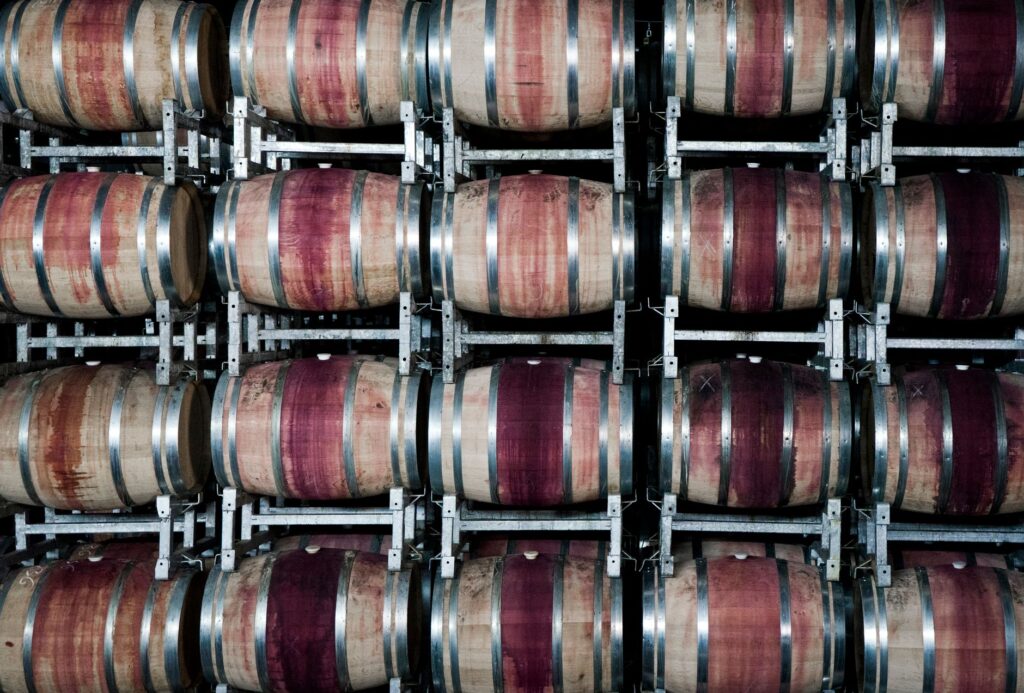
Within the bowels of riverside villages hide kilometers of subterranean wineries excavated by hand during the 14th and 15th centuries. These stone labyrinths, where temperature and humidity remain naturally constant, once housed family wine production and aging. Today, descending into these galleries is stepping into a secret cathedral where the aroma of noble wood, aged wine, and mineral dampness envelops the visitor, reminding them that wine culture in Castilla is a form of subterranean and communal architecture.
A territory’s true larder is not measured by the abundance of its shelves, but by the fidelity with which its inhabitants defend the flavors of the land against the advance of global uniformity.
The Echo of Ancient Hearths in the Twenty-First Century
Toward dusk, when the limestone of the cathedral acquires a copper hue under the final rays of light, the taverns of the historic center resume their activity with the bustle of vermouth and bar tapas. Patatas bravas with their unmistakable spicy sauce, crunchy pork cracklings, and small portions of morcilla gather locals and outsiders in a geography of neighborly complicity. In these spaces of everyday encounter survives the essence of a city that does not need to reinvent itself every season because it has spent centuries perfecting its own recipe for authenticity.
Eating in Burgos is, ultimately, an exercise in sensory archaeology. Each dish is a historical document recounting how human ingenuity managed to extract flavor and warmth from an demanding geographic environment. Leaving behind the cathedral towers and infinite cereal fields, the traveler understands that the true treasures of this northern corner are not kept in glass display cases, but in the steaming warmth of a clay casserole, the rugged texture of a centennial loaf, and the unalterable memory of its people.