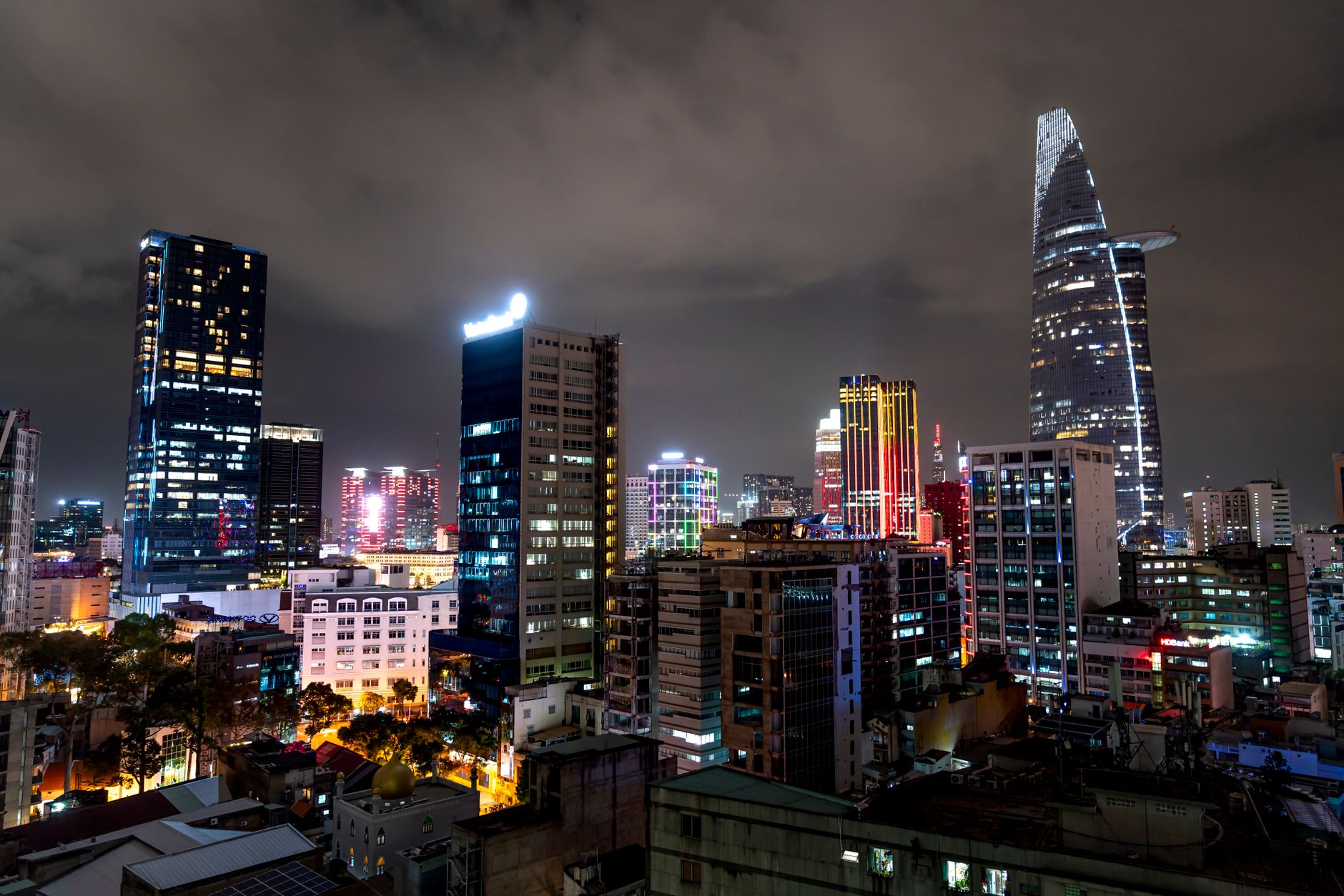

Ho Chi Minh City, the former Saigon, is a living organism that pulses to the rhythm of millions of motorbikes and relentless commercial energy. Recently distinguished in international rankings as one of the best shopping destinations in the world, this southern Vietnamese metropolis has evolved from a historical stopover into a major capital of fashion, contemporary craft, and independent design. Here, commerce is not a mere transaction; it is a profound dialogue between a colonial past, dynastic heritage, and a hyper-connected youth redefining Southeast Asian trends.
To walk its streets is to witness a fascinating layering of eras. Incense-filled temples stand alongside glass skyscrapers, while old apartment blocks from the mid-20th century have been transformed into vertical hives of independent boutiques and specialty cafes. This editorial report explores the multifaceted nature of a city where shopping is, above all, a cultural immersion into the heart of a nation looking boldly toward the future.
The Echoes of Ben Thanh: Saigon’s Beating Commercial Heart
No shopping journey in Ho Chi Minh City can begin anywhere else than the iconic Ben Thanh Market. With its famous clock tower crowning the southern entrance, this French colonial-era stronghold has been the epicenter of local trade since the early 20th century. Stepping inside, visitors are greeted by a sensory torrent: the rich aroma of freshly ground robusta coffee, the shimmer of colorful silks, and the constant hum of negotiations in multiple languages.
Far from being just a tourist attraction, Ben Thanh remains the place where locals shop for everything from exotic spices to fresh flowers. Wandering through its narrow aisles, organized by trade guilds, is a lesson in regional economic geography. In the textile section, rolls of Ha Dong silk are piled next to linen and traditional brocades. Local tailors, capable of crafting a bespoke suit or an elegant ao dai in less than twenty-four hours, showcase a technical mastery passed down through generations.
The Etiquette of Bargaining
In this labyrinth, bargaining is not a confrontation but a social dance. Buyers are expected to participate with a smile, maintaining respect and courtesy at all times. Vendors appreciate good humor, and a friendly exchange often results in a fair price and a memorable conversation about daily life in the city.
Vertical Creativity: The Legend of 42 Nguyen Hue
A few blocks away, at number 42 on the Nguyen Hue pedestrian walking street, stands a monument to urban creativity: the Café Apartment. This former mid-century residential building, which once housed military officers and government officials, has undergone a radical metamorphosis. Today, its facade is a mosaic of glowing neon signs, hanging plants, and balconies revealing a vertical commercial ecosystem unique in the world.
Climbing its concrete stairs—or paying a small fee to ride the vintage elevator—leads into a maze of micro-boutiques, independent bookstores, and design studios. Each apartment offers a distinct aesthetic. Here, young Vietnamese designers showcase organic linen garments, minimalist silver jewelry, and home decor items that seamlessly blend Scandinavian minimalism with the warmth of local materials.
«The Café Apartment represents our generation’s ability to rewrite the history of urban spaces, transforming gray concrete into a vibrant canvas of local entrepreneurship»
This space has become the ultimate symbol of the city’s creative subculture, a place where shopping merges with specialty coffee culture, allowing visitors to chat directly with creators over a cold brew of lotus tea.
Silk and Silhouette: The Rise of Vietnamese Avant-Garde Fashion
Ho Chi Minh City’s recognition as a world-class shopping destination is largely driven by its emerging independent fashion scene. On the streets surrounding the Opera House, such as Ly Tu Trong and Dong Khoi, colonial-era villas house conceptual boutiques that rival those of Paris or Tokyo. Local designers like Cong Tri, whose creations have dressed international celebrities on global red carpets, lead a movement that revalues the country’s textile heritage.
Vietnamese silk, primarily produced in the highlands of Bao Loc, is the undisputed star of these collections. Contemporary designers deconstruct it into asymmetrical silhouettes, minimalist dresses, and jackets that reinterpret traditional attire. By choosing these garments, travelers not only acquire a piece of haute couture but also support the preservation of natural weaving and dyeing techniques in rural communities.
Cholon and the Wholesale Labyrinths of Binh Tay
To experience commerce in its purest, most frantic state, one must travel to District 5, the historic Chinatown of Cholon. Here lies the Binh Tay Market, an architectural gem of Chinese-French style featuring yellow-tiled roofs reminiscent of an imperial temple. Unlike Ben Thanh, Binh Tay is a bustling wholesale market where activity begins long before dawn.
The aisles of Binh Tay are a feast for the senses. Sacks of dried mushrooms, traditional Chinese medicinal herbs, Yen Bai cinnamon sticks, and star anise are stacked to the ceiling, filling the air with a warm, balsamic fragrance. It is the ideal place to purchase high-quality dried goods, jasmine teas, and traditional kitchenware, such as heavy granite mortars or bamboo steamers used for dim sum.

Colonial Elegance and High-End Retail on Dong Khoi Street
While Cholon represents popular energy, Dong Khoi Street is the epitome of sophistication and timeless luxury. Known during the colonial era as Rue Catinat, this tree-lined avenue connects the Saigon River with the Notre Dame Cathedral. Today, it home to prestigious international brands, but its true value lies in the small art galleries and antique boutiques tucked away in its inner passages.
In these discreet spaces, collectors can find traditional lacquerware produced through the painstaking process of applying successive layers of resin from the lacquer tree—a craft requiring months of work for a single piece. Also notable are galleries specializing in vintage propaganda art and mid-century posters, offering a fascinating artistic and historical perspective on the nation’s turbulent past.
Curated Ceramics and Contemporary Lacquer: Beyond the Souvenir
Vietnamese craftsmanship is experiencing a golden age thanks to artist collectives reinterpreting traditional pottery from regions like Bat Trang. In the design stores of District 1, visitors can find stoneware tableware with ash glazes, vases inspired by the Ly dynasty, and teacups celebrating natural imperfections under the Eastern aesthetic of wabi-sabi.

These pieces stand out for their sustainability and the use of mineral-rich local clays. By purchasing artisanal ceramics, travelers take home a piece of the Vietnamese earth molded by hands that respect time and material—a stark contrast to industrial mass production.
Sunset Bargains and the Etiquette of the Night Markets
When the sun sets and the temperature drops, commercial activity shifts to the streets. Night markets, particularly around Ben Thanh and in District 3, come alive under strings of warm light bulbs. This is the hour for streetwear, handmade accessories, and, of course, street food.
«Night commerce in Saigon is a social act of community celebration, where food and the exchange of goods merge under the tropical sky»
Buying a hand-woven rattan bag or artisanal leather sandals while savoring a crispy banh mi or a plate of sea snails with lemongrass is one of the most authentic experiences the city offers. Bargaining in these spaces should always be gentle, keeping in mind that a few thousand dong can make a significant difference to a local family’s livelihood.
Practical guide
Planning and Logistics
To fully enjoy the shopping experience in Ho Chi Minh City, it is essential to plan your days to avoid the peak heat hours (between 11:00 AM and 3:00 PM). Traditional markets open very early, around 6:00 AM, which is the best time to visit due to fewer crowds and the local belief that the first sale of the day brings good luck to the merchant.

Currency and Transactions
The official currency is the Vietnamese Dong (VND). While credit cards are widely accepted in shopping malls, hotels, and design boutiques in District 1, cash remains indispensable in traditional markets, taxis, and street stalls. It is highly recommended to carry small denomination bills for quick and easy payments.
Key Shopping Districts
- District 1 (Downtown): Ideal for designer fashion, art galleries, the Café Apartment, and luxury shopping centers like Saigon Centre or Union Square.
- District 5 (Cholon): The go-to destination for wholesale goods, spices, traditional teas, and immersing yourself in Chinese-Vietnamese culture.
- District 2 (Thao Dien): An expatriate enclave hosting sustainable fashion boutiques, designer furniture stores, and organic markets.
Twilight Over the Saigon River: A Final Visual Canvas
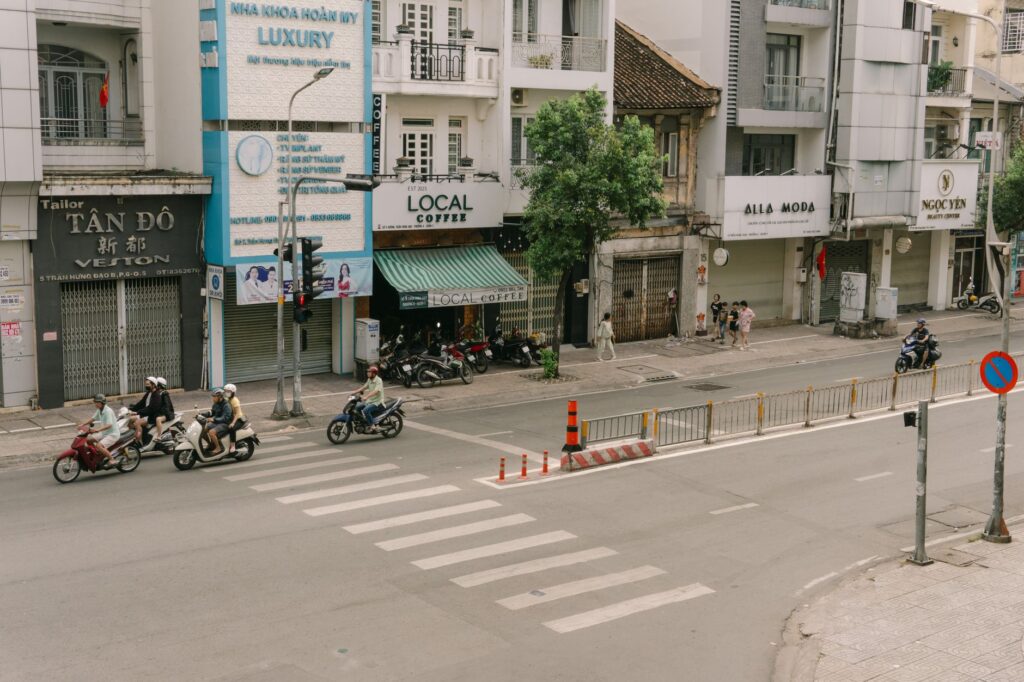
As evening falls, the bustle of the markets and the rustle of shopping bags give way to a contemplative calm along the banks of the Saigon River. From the rooftop of one of the historic colonial hotels, one can watch the lights of the skyscrapers reflect on the dark waters of the river, while cargo ships and traditional barges glide slowly toward the sea.
This image perfectly captures the essence of Ho Chi Minh City: a metropolis moving rapidly toward modernity without losing its connection to its maritime and commercial roots. Each object acquired in its markets—be it a delicate ceramic cup, a hand-stitched silk dress, or a bag of fragrant highland coffee—carries the story of a resilient, creative, and deeply welcoming city that has rightfully earned its place on the global shopping map.
Source: Vietnam.vn