
A Geography Beyond the West: Redefining Global Movement
The contemporary map of international tourism is undergoing a silent yet profound metamorphosis. For decades, visitor flows responded to consolidated unidirectional axes between Western metropolises and their historical peripheries. Today, the emergence of new geopolitical and economic alliances shifts the center of gravity toward intercontinental corridors long neglected by the mainstream hospitality industry. In this scenario, the concerted initiative by the expanded bloc of emerging economies to revitalize cultural exchange and frictionless connectivity raises a fundamental question for the future of sustainability: is it possible to articulate a model of mass mobility that respects the biocultural autonomy of local communities while drastically reducing the carbon footprint?
Far from promotional brochures that reduce travel to a mere leisure transaction, recent ministerial summits in the sector have placed South-South cooperation at the core of the diplomatic agenda. This is not merely about increasing arrival volumes, but about redesigning logistical and regulatory corridors so travelers can navigate diverse realities with reduced bureaucratic friction and heightened respect for ecological balances. This transformation demands rigorous examination of how cultural diplomacy, transport decarbonization, and community governance converge across territories spanning from Eurasian steppes to South American wetlands.
Cultural Diplomacy and Narrative Sovereignty: Beyond Folklore
The commodification of local culture has historically been one of the most destructive collateral effects of global tourism. Entire communities reduced to postcard backdrops, traditions stripped of ancestral meaning, and extractive economies where financial benefits rarely trickle down to residents are recurring sights in traditional destinations. Facing this inertia, the cultural exchange strategy driven by the emerging bloc proposes a Copernican shift: returning ownership of the narrative to Indigenous peoples and local heritage stewards.

The End of Hegemony by Global Tourism Giants
For generations, the intermediation of major Western tour operators dictated what should be seen, consumed, and valued across the Global South. The new cooperation architecture seeks to decentralize these value chains through sovereign digital platforms, self-managed heritage routes, and technical training programs enabling communities to design their own hosting capacities. This approach does not seek isolation, but rather negotiating empowerment in the face of mass demand pressures.
True tourism sustainability begins when the host community stops being an object of contemplation and becomes the architect of its own hospitality.
Shared Heritages and Contemporary Silk Roads
The rediscovery of ancient terrestrial and maritime trade routes offers an ideal framework to decentralize tourism flows. Instead of oversaturating historic capitals, joint initiatives foster regional circuits connecting archaeological enclaves, biosphere reserves, and artisanal innovation centers in rural zones. These pathways distribute income across hundreds of kilometers, revitalizing peasant economies that have suffered decades of demographic exodus.
Frictionless Connectivity: The Revolution in Transcontinental Mobility
One of the greatest obstacles to truly inclusive tourism has been bureaucratic complexity in visa acquisition and the precariousness of direct air connections between emerging economies. Historically, traveling between two capitals of the Global South frequently required layovers in European or North American hubs, doubling both the financial and environmental cost of the journey. The new cooperation agenda prioritizes the gradual elimination of migratory barriers through joint electronic visas and the expansion of bilateral civil aviation agreements.
Concurrently, massive investment in high-speed rail infrastructure and multimodal corridors redefines the experience of land travel. The train, forgotten during the peak of low-cost aviation, reclaims its prominence as the backbone of low-impact ecological displacement. Traversing vast geographical expanses by rail not only drastically reduces emissions per passenger-kilometer, but restores the temporal dimension of travel, allowing visitors to comprehend the gradual shift of landscapes and ecosystem diversity.
Community Governance: When Conservation Depends on Territory Inhabitants
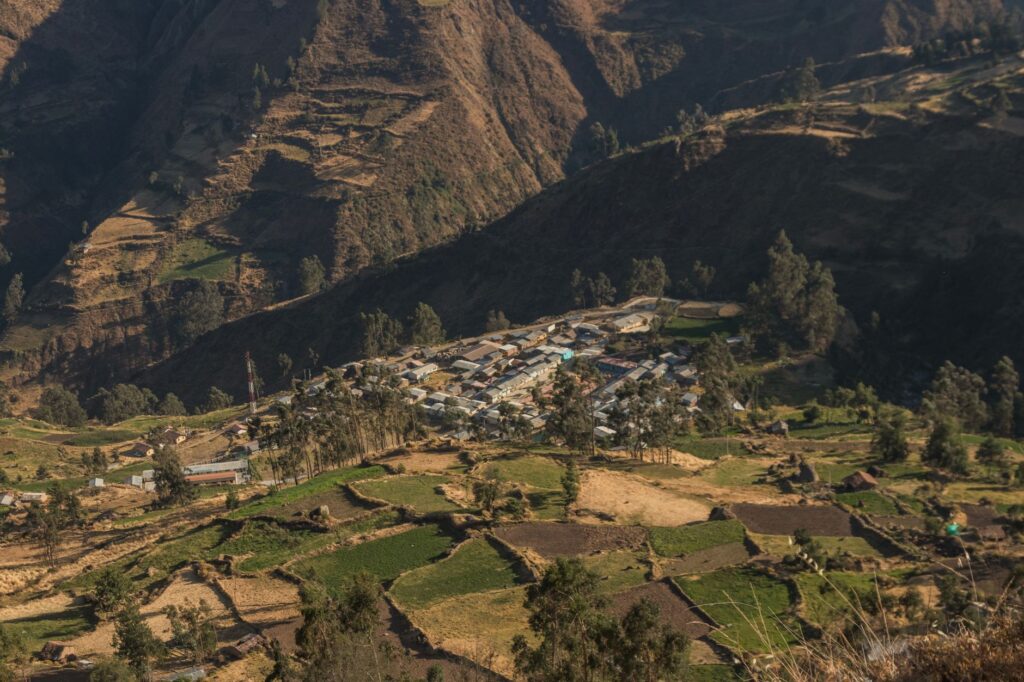
No sustainable tourism strategy can thrive if designed inside ministerial offices without the prior, free, and informed consent of local populations. Within emerging economies, the most promising experiences stem from community-based management models where communal lands and protected areas are administered directly by Indigenous and peasant cooperatives.
Equitable Distribution of Economic Benefits
The true barometer of tourism success is no longer the number of overnight stays, but the percentage of each spent currency remaining in the local economy. New cooperation frameworks promote community trust funds, where a fixed percentage of revenues from national park entrances or cultural centers is reinvested directly into healthcare, education, and water resource management.

- Establishment of visitor quotas based on the hydrological and ecological carrying capacity of each ecosystem.
- Mandatory hiring of certified local guides and utilization of close-proximity food supply chains.
- Annual citizen audits to evaluate the sociocultural and environmental impact of visitor flows.
Climate Change Mitigation and Ecological Resilience
Twenty-first-century tourism faces an unsustainable paradox: it is one of the industries most vulnerable to the climate crisis and, simultaneously, one of its primary accelerators. New sustainable mobility guidelines demand operators measure and offset their operational carbon footprint through active restoration of degraded ecosystems—such as mangroves, peatlands, and tropical forests—managed jointly with the communities protecting them for centuries.
Structural Challenges and Contradictions on the Horizon
Despite diplomatic enthusiasm, the path toward a truly transformative tourism model is fraught with structural hurdles and contradictions. On one hand, there is a latent risk that simplified visas and mass mobility stimuli will increase pressure on fragile ecosystems unless strict carrying capacity regulatory frameworks are enforced. The temptation to replicate the quantitative growth model of traditional Western tourism persists among business sectors seeking quick gains at the expense of long-term sustainability.
On the other hand, diverse legal frameworks, labor regulations, and environmental standards among countries with vastly divergent political contexts hinder the harmonization of effective public policies. While some nations prioritize strict biodiversity conservation, others prioritize the rapid monetization of natural resources to alleviate rural poverty. Reconciling these priorities without falling into greenwashing requires a vigilant civil society and independent, transparent oversight mechanisms.

Practical guide
Planning a trip aligned with the principles of sustainability and intercultural cooperation demands informational rigor and careful selection of local providers. Below are essential guidelines for responsible travel within emerging Global South corridors.
How to Verify Community Authenticity: Before booking any tour, ensure the operator collaborates directly with recognized local cooperatives and holds fair-trade tourism certifications. Avoid agencies that use Indigenous communities as mere visual backdrops without transparent financial returns.
Low-Impact Mobility and Transport: Prioritize national and regional rail networks over short-haul domestic flights. When road transport is necessary, opt for collective services managed by local transport cooperatives or low-emission vehicles.

Conscious Accommodation and Consumption: Select small family-run hotels, community lodges, or rural stays integrated into the peasant economy. Consume seasonal and locally sourced food, respecting regional restrictions regarding water use and solid waste management.
The Heartbeat of the Territory: Hospitality as Cultural Resistance
At the end of any transcontinental journey, what truly endures in the traveler’s memory is not pharaonic infrastructure or travel speed, but the human texture of daily encounters. In rural communities opening their doors under new international cooperation paradigms, hospitality is not a commercialized service, but an ancestral way of understanding reciprocity and mutual care. When a territory decides to welcome visitors without renouncing its dignity or cultural sovereignty, tourism ceases to be a homogenizing force and becomes a bridge of mutual respect and an active trench against oblivion. The great transformation of global travel is no longer about reaching further or faster, but about learning to tread with the awareness that every inhabited landscape is, above all, a fragile legacy that outlives us.
Source in EN: BRICS Gives Fresh Push to Tourism, Cultural Exchange and Seamless Travel – Travel World Online