

Planning a family vacation always presents the eternal dilemma of finding a destination or format that equally satisfies adult expectations and the boundless energy of the younger members. In recent years, the large liner sector has radically transformed its offerings to position itself as a solid alternative to the traditional land-based resort. It is no longer merely a floating mode of transport, but rather a self-sufficient complex designed around the premise of vacation cohabitation: spaces where parents can find genuine disconnection while minors enjoy a highly specialized, professional-led recreational program.
However, venturing into the universe of family cruises for the first time requires shedding certain prejudices and understanding the logistical peculiarities of life at board. Executives and experts from leading companies such as Royal Caribbean and MSC Cruises agree that the success of the experience does not lie in choosing the largest ship or the most exotic itinerary, but in aligning family expectations with the operational characteristics of the vessel. From cabin selection to shore excursion management, every detail counts in transforming a potentially stressful trip into an unforgettable memory.
The Age Factor and the Suitability of the Life Stage
One of the most frequent mistakes among first-time parents is assuming that any age is equally favorable for a maritime debut. While most cruise lines accept infants from six months of age—or one year on itineraries with multiple consecutive sea days—the experience changes radically according to the child’s development stage. Experts point out that the threshold where children truly begin to take advantage of the infrastructure of children’s clubs, themed pools, and specialized shows is usually around four or five years old. At this age, personal autonomy allows for a smooth integration into group activities.
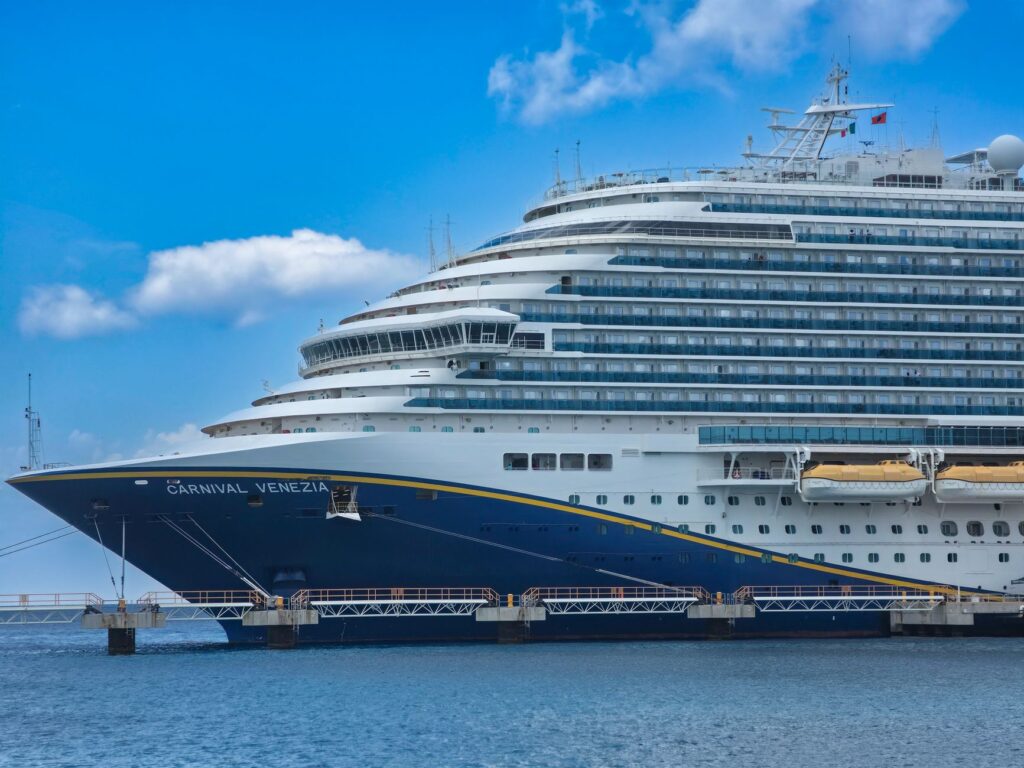
For toddlers still in diapers, international maritime health regulations prohibit access to the main swimming pools due to strict filtration control protocols. Consequently, modern cruise lines have incorporated specific water play areas dotted with interactive jets and exclusive splash zones for this demographic segment. Knowing these restrictions beforehand prevents unnecessary frustration on deck and allows parents to plan alternative leisure activities tailored to the biological rhythm of the little ones.
Anatomy of a Giant: How to Choose the Right Vessel
The current market offers an overwhelming diversity of ships, ranging from mid-sized vessels with tranquil atmospheres to ocean colosuses that function as floating cities. When traveling with children, the balance usually tips toward newer classes equipped with technological innovations and themed zones divided by age brackets. Royal Caribbean, for instance, stands out for its Oasis or Icon class ships, where the offerings range from surf simulators and climbing walls to classic carousels and integrated water parks on the top deck.
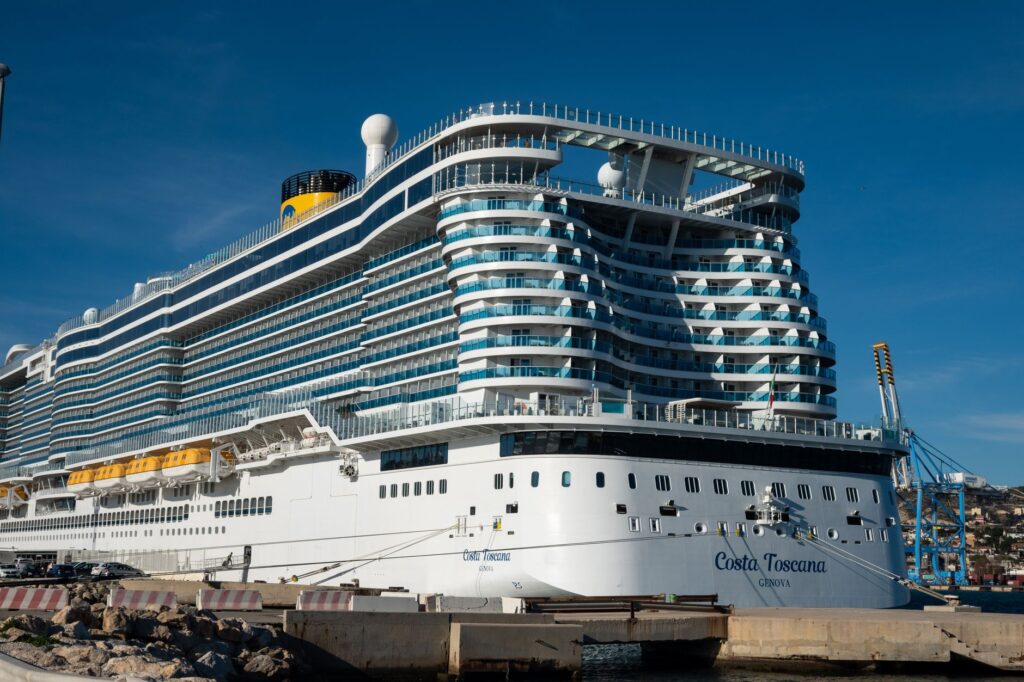
Meanwhile, European-rooted shipping lines like MSC Cruises focus on strategic alliances with world-class brands, integrating themed spaces and interactive experiences endorsed by toy and children’s entertainment giants into their ships. The key is not to find the ship with the most attractions, but the one whose recreational proposal matches the personality and specific interests of the children. An energetic child will enjoy large adventure structures, while a more reflective one will appreciate the science, art, or robotics workshops offered by the most avant-garde fleets.
Invisible Logistics: What to Pack and How to Organize Daily Life
Preparing luggage for a family cruise differs markedly from packing for a beach hotel. Although ships offer laundry services, the volume of clothes a child dirties at sea usually exceeds initial forecasts. It is essential to include versatile garments that follow the layering principle, as the thermal contrast between the scorching exterior deck heat and the air conditioning in interior lounges and main dining rooms is quite pronounced.
Likewise, it is wise to anticipate specific documentation for minors, which includes valid passports, parental authorizations if traveling with a single parent or legal guardians, and the boarding card linked to a controlled payment system. Establishing a daily budget and understanding onboard tipping and consumption policies prevents unpleasant surprises when settling the final cabin account.
Today’s large cruise ships operate as closed ecosystems where the management of time and space redefines the traditional concept of family vacations.
The Tyranny of Routine Versus the Freedom of the Open Sea
One of parents’ greatest fears is how life on board will affect their children’s sleep and eating schedules. Unlike a static resort, a cruise combines the excitement of daily port stops with the intensity of onboard nightlife. Maintaining a flexible yet consistent routine is the secret to preventing children from suffering cumulative fatigue. Children’s clubs typically structure their schedules continuously from morning well into the evening, allowing parents to enjoy a quiet dinner or a show in the main theater knowing their children are looked after by certified monitors.
This voluntary temporary separation is highly beneficial. Minors socialize with children from other nationalities, practice languages playfully, and participate in gymkhana games and workshops, while adults reclaim couple time that daily routines often erode. Family reconciliation happens naturally during shore excursion hours or shared dinners discussing the day’s adventures.
The Art of Disembarking: Excursions Tailored for Juniors
Port stops in the Mediterranean, Norwegian fjords, or Caribbean islands form the soul of any cruise, but they can become endurance tests if not selected with pediatric criteria. Marathon walks under the sun or guided visits to dense museums quickly exhaust children’s patience. Cruise lines today offer specific excursions categorized by activity level and family-friendly status, designed to avoid long commutes and prioritize dynamic entertainment.

Alternatively, choosing to explore ports independently requires meticulous planning of return times, as the ship will not wait for lagging passengers. Booking excursions directly through the cruise line guarantees return coverage in case of external logistical unforeseen events.
Safety, Connectivity, and Health at Sea
Parents’ peace of mind largely depends on the safety protocols implemented by shipping companies. From mandatory pre-sailing emergency drills to electronic tracking wristbands for young children on advanced ships, protection is an absolute priority. Onboard medical centers are equipped to handle common pediatric emergencies, though it is strongly recommended to travel with international travel health insurance covering complex medical evacuations at sea.

Regarding connectivity, onboard satellite internet networks have improved exponentially, allowing families to stay in touch via internal messaging apps, minimizing the risk of getting lost on ships exceeding three hundred meters in length.
The true luxury in contemporary family travel is not material excess, but the ability to synchronize adult rest with children’s fun without logistical friction.
Practical guide
- Documentation: Verify that passports and visas for all family members remain valid for more than six months from the end date of the cruise. If traveling as a single parent, bring the corresponding notarized authorization.
- Cabins: Select cabins with balconies featuring reinforced child safety mechanisms or connected family rooms to guarantee space and privacy.
- Travel Pharmacy: Pack basic pediatric over-the-counter medications, oral rehydration salts, and specific motion sickness treatments recommended by your pediatrician.
- Advance Bookings: Manage dinner shifts, family excursions, and high-demand show access prior to boarding via the official cruise line app.
Gazing Toward the Family Horizon
As the ocean liner slowly pulls away from the pier and the foghorn bids farewell to the port amid splashes of white foam, the sense of collective adventure floods the deck. Cruising with children ceases to be a mere logistical wager and becomes an exercise in expanded coexistence. Contemplating the vastness of the ocean from the railing, sharing the complicity of marine sunsets and small onboard anecdotes, builds that invisible mortar of happy memories that will endure long after the vacation ends.
Source: La Vanguardia (https://www.lavanguardia.com/magazine/experiencias/20220714/8400997/crucero-ninos-barcos-vacaciones-oferta-ninos-kids-cruise-travel.html)