
Sports tourism has evolved from a niche market segment into one of the most dynamic and transformative catalysts within the global travel landscape. Against this backdrop of rapid evolution, the hosting of UN Tourism’s 4th World Sports Tourism Congress marks a crucial strategic turning point, underscoring that the management of mass participation events must align seamlessly with planetary ecological boundaries and the tangible well-being of local residents.
International delegations, regional authorities, and urban planning experts gathered at this forum unanimously agreed that event success can no longer be evaluated solely through short-term visitor counts or temporary hotel occupancy spikes. The modern standard of excellence demands a lasting legacy, characterized by infrastructure regeneration, biodiversity protection in fragile biomes, and an equitable distribution of economic value across host communities.
The Convergence of Athletic Passion and Territorial Stewardship
The exponential growth of sports tourism reflects a profound shift in contemporary cultural and travel preferences. Modern travelers increasingly seek immersive experiences centered on health, personal achievement, and meaningful connection with natural landscapes. This demand has spurred interest in mountain trail runs and open-water swims as well as large-scale tournaments hosted in established urban centers.
However, this expansion calls for critical scrutiny regarding destination carrying capacities. The core challenge highlighted in the UN Tourism panel sessions revolves around preventing visitor pressure from compromising ecological balance or sparking local inflation and cultural dilution. Integrating predictive data analytics and comprehensive spatial planning has emerged as an essential requirement for harmonious coexistence.
Beyond Ephemeral Returns: Crafting Lasting Socioeconomic Value
For decades, the dominant narrative surrounding competitive sports events emphasized short-lived publicity and immediate revenue spikes over competition weekends. Yet, research presented during the congress demonstrates that without long-term integration strategies, these brief activity peaks can induce operational strain and long-term economic instability.

To combat extreme seasonality, experts advocate for diversifying regional offerings through year-round active sports products. Establishing marked trail networks, developing permanent cycle routes, and repurposing high-performance athletic centers for off-season training camps provide a steady influx of environmentally conscious travelers throughout the year.
Building local supply chain linkages is another foundational pillar of this regenerative framework. Sourcing local catering providers, commissioning artisan trophies made from recycled regional materials, and training resident technical personnel ensure that invested capital remains within and circulates through the regional economy.
blockquote>Contemporary sports tourism is only justifiable if it generates a lasting positive social legacy while safeguarding the natural assets that host the competition.
De-seasonalization and Economic Diversification in Mature Destinations
Mature tourist destinations, particularly those traditionally dependent on sun-and-beach models or ski resorts impacted by climate variability, find sports disciplines to be an ideal vector for redefining their core value proposition. Converting coastal facilities during autumn and winter for sailing, triathlon, or beach volleyball keeps skilled employment active across all twelve months of the year.
This diversification strategy plays a pivotal role in mitigating overcrowding during peak holiday periods. Distributing visitor arrivals evenly across the calendar reduces strain on public infrastructure, municipal waste systems, and local water supplies.

- Designing running and cycling event circuits scheduled during off-peak travel months.
- Forming partnerships with athletic federations to utilize public venues during winter seasons.
- Promoting regional culinary experiences and seasonal produce among participants and spectators.
Sustainable Infrastructure and Reimagining Urban Spaces
A primary topic of debate at the UN Tourism congress was the future of facilities constructed for sporting events. The era of single-use mega-structures left underutilized post-event has come to an end. Forward-thinking sports architecture prioritizes modular, temporary, or multi-purpose designs created specifically for long-term community utility.
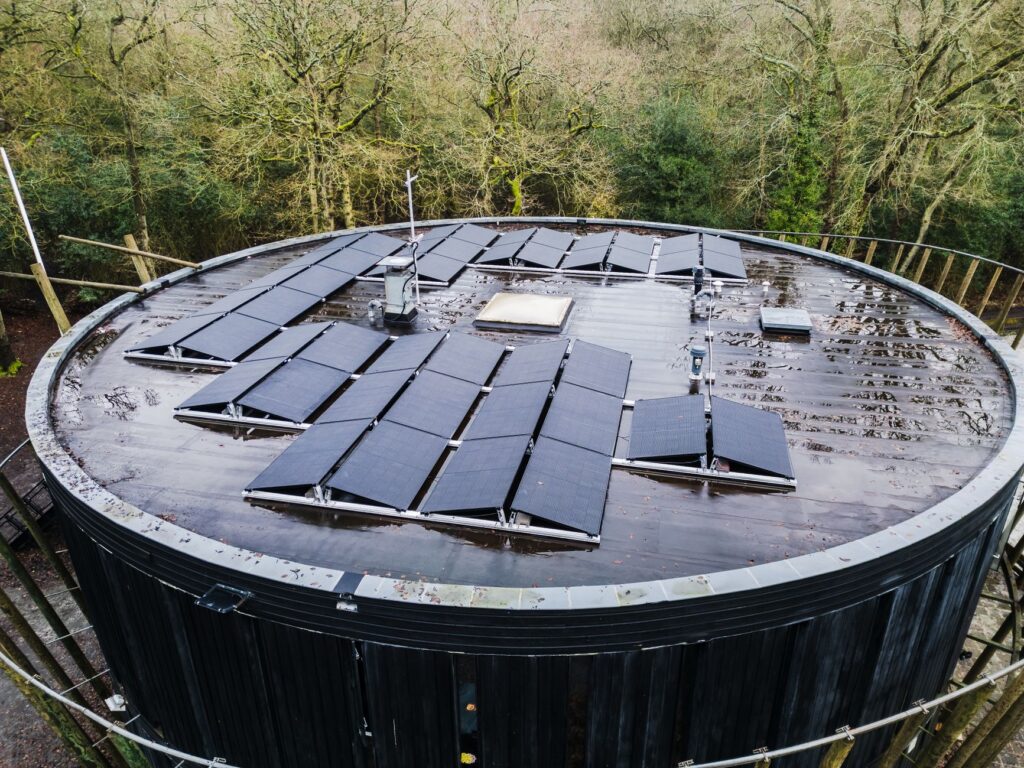
Deep energy retrofits for existing arenas, integrating rooftop solar arrays, and installing rainwater harvesting systems represent key interventions. These upgrades minimize event carbon footprints while leaving communities with low-maintenance, highly efficient civic assets for decades to come.
Simultaneously, event-related transport planning requires a thorough overhaul. Comprehensive traffic management plans must prioritize pedestrian routes, cycling corridors, and zero-emission public transit while actively discouraging private vehicular access near event perimeters.
Safeguarding Fragile Ecosystems in Mountain and Coastal Races
Organizing athletic events in ecologically sensitive environments, such as national parks, biosphere reserves, and protected marine zones, demands rigorous technical oversight. Overcrowding on alpine trails can lead to severe soil compaction, water erosion, and habitat disruption for native wildlife.
To mitigate these risks, congress guidelines emphasize the necessity of environmental impact assessments prior to event licensing. Implementing strict caps on participant entries, designing course layouts that avoid sensitive wildlife nesting windows, and establishing zero-waste protocols at aid stations are critical operational steps.

blockquote>Preserving the natural environment is not an impediment to sporting events, but the absolute prerequisite that gives them authenticity and meaning.
Organizers must also cultivate environmental accountability among participants. Through educational briefings and strict enforcement of rules penalizing littering on trail courses, event directors foster a culture of shared responsibility and respect for fragile natural landscapes.
Social Inclusion and Empowering Local Artisanal Economies
Sports possess a universal capacity to bridge cultural divides and build strong social cohesion. However, for sports tourism to function as a genuine driver of inclusion, participatory communication channels must be established during the initial design phase of any project.
Organizing committees should collaborate closely with neighborhood associations, local merchants, agricultural cooperatives, and underrepresented community groups. Involving local stakeholders ensures that events are viewed as shared community milestones rather than external impositions disrupting daily life.
The Importance of Adaptive Sports and Accessible Tourism
A central topic addressed by congress working groups was ensuring universal access for both adaptive athletes and spectators with mobility challenges. Achieving true accessibility requires removing physical barriers in venues and trail networks while adapting accommodation and transport options to accommodate diverse physical needs.
Inclusive sports tourism widens the destination’s market appeal while reinforcing core community values of equity and human dignity.
Policy Frameworks, Impact Metrics, and Future Governance
Transitioning toward a fully sustainable sports tourism model demands a cross-sector governance approach connecting ministries of tourism, environment, sports, and public health with private industry and research institutions. Historically, administrative fragmentation has hindered accurate assessment of the true net benefits and costs of major events.
At the UN Tourism congress, delegates highlighted the need for standardized methodologies to calculate total ecological footprints, social return on investment, and resident satisfaction metrics. Transparent reporting of these outcomes is crucial for guiding public policy and directing grants toward genuinely transformative projects.
- Implementing standardized metrics to evaluate environmental and social event impacts.
- Establishing permanent advisory councils involving race directors, municipal leaders, and community representatives.
- Tying public funding allocations to verified sustainability accreditations.
Practical guide
For destination managers, event directors, and conscious travelers seeking to advance sustainable sports tourism, the following actionable measures reflect the core conclusions of the congress:
For event organizers and municipal authorities
Conduct thorough pre- and post-event environmental audits to guarantee prompt restoration of any impacted trails or public areas. Prioritize contracts with regional vendors, eliminate single-use plastics across all food and hydration stations, and deploy zero-emission shuttle networks for athletes and visitors.

For athletes and conscious travelers
Select events certified for environmental responsibility that actively respect host community capacity boundaries. Utilize public or shared transportation to reach race venues, support local family-run businesses, remain strictly on marked trails, and offset travel-related carbon emissions through verified regional reforesting initiatives.
Looking Ahead: The Shared Human Resonance of Movement
The future of sports tourism unfolds at the intersection of athletic dedication, deep appreciation for the natural world, and profound respect for host communities. As sporting events continue to evolve globally, success will no longer be defined by raw attendance figures, but by the ability to leave behind healthier ecosystems, more connected societies, and memories rooted in collective respect.
Crossing a finish line represents more than a personal accomplishment; it signifies the privilege of engaging with a living landscape that must be preserved for future generations. The responsibility to protect this vital relationship rests with every participant in the global tourism sector.
Source: UN Tourism