
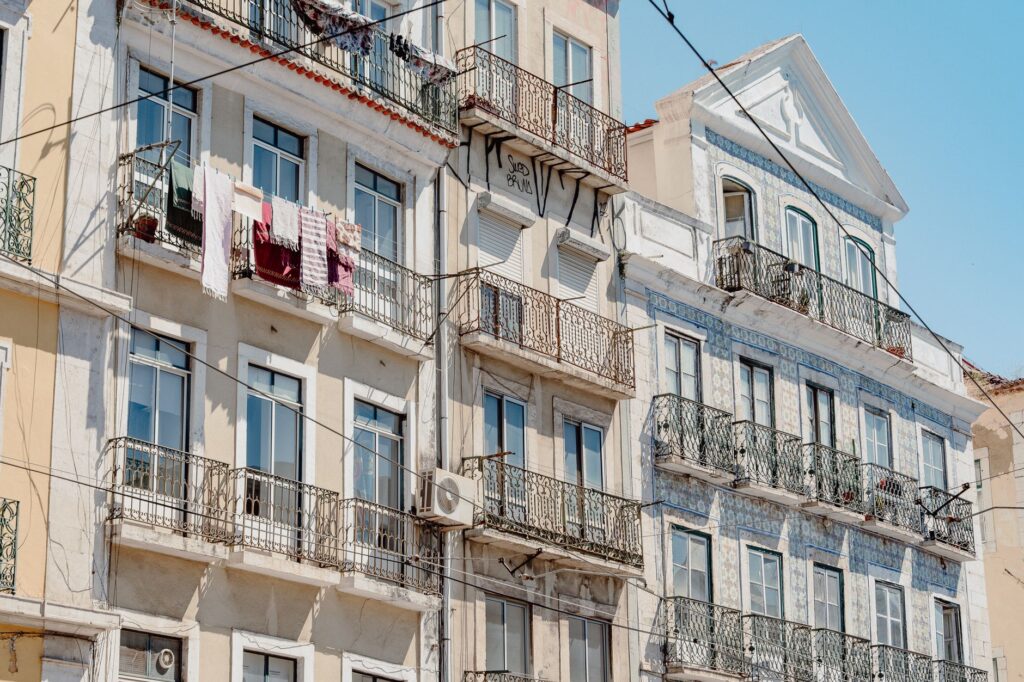
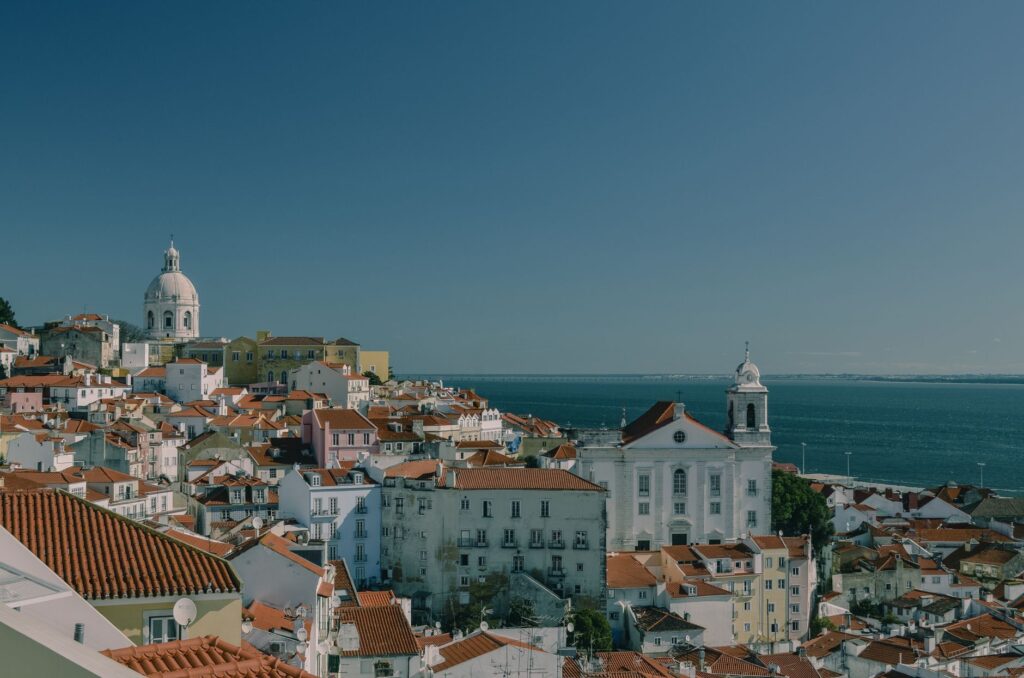
Lisbon cannot be understood without the light that bounces off its facades—a particular luminescence born from the symbiosis between the Atlantic sun and the ceramic skin that covers its buildings. The Portuguese azulejo, far from being a mere decorative ornament, constitutes the visual DNA of a nation that has learned to transform fired clay into a narrative medium for its history, fears, and glories. From geometric patterns of Moorish influence to complex figurative scenes in cobalt blue, this artisanal discipline is currently undergoing a period of unprecedented technical reclamation and heritage protection.
Entering a tile workshop in the heart of the capital is to witness a ritual of patience and chemical precision. It is not just about painting on a surface; it is the mastery of fire, the alchemy of metallic oxides, and the understanding of a medium that must withstand centuries of saltpeter and humidity. In this report, we delve into the kilns where time stands still, speak with the last masters who command the majolica technique, and explore how contemporary architecture is restoring the azulejo to its leading role in the 21st-century urban landscape.
The Heritage of Clay: From Moorish Roots to National Style
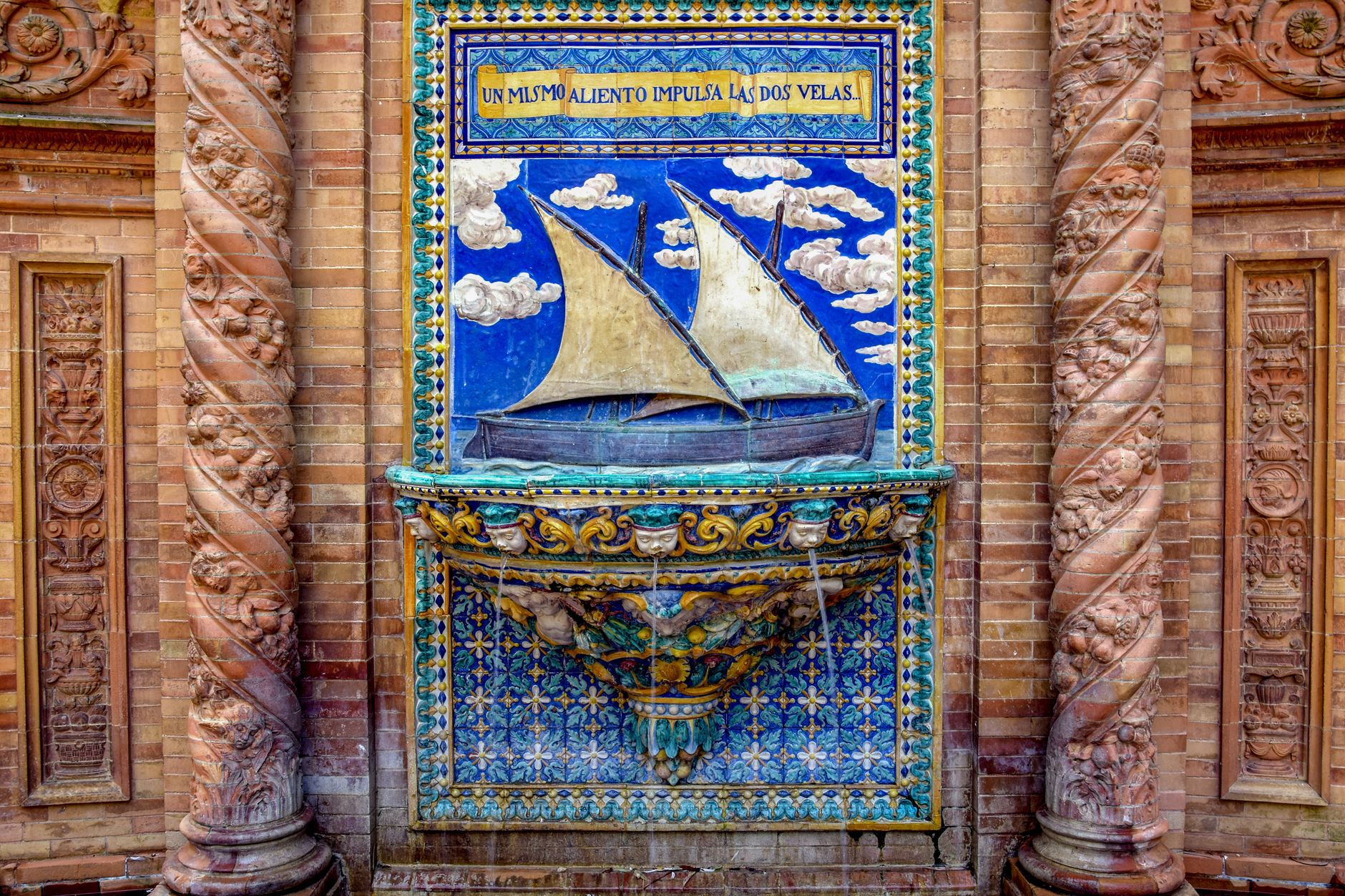
The history of tiles in Portugal is a story of assimilation and refinement. Although the word derives from the Arabic al-zuleycha (small polished stone), it was after King Manuel I’s visit to Seville in 1498 that the technique became permanently embedded in the Portuguese imagination. The first examples, known as Hispano-Moresque, used the ‘cuerda seca’ and ‘cuenca’ techniques to separate colors, creating reliefs that prevented pigments from mixing during firing. However, Portugal did not merely copy; it transformed the azulejo into an architectural tool of monumental scale.
With the arrival of the majolica technique in the 16th century, which allowed for direct painting onto a wet white enamel as if it were a canvas, the Portuguese azulejo reached maturity. This technical innovation liberated the creativity of artisans, enabling the creation of large narrative panels that covered entire walls of churches, palaces, and gardens. The characteristic blue and white duo, inspired by Chinese Ming dynasty porcelain arriving via Eastern trade routes, became the hallmark of the Portuguese Baroque—an aesthetic that continues to define the profile of cities like Lisbon, Porto, and Évora today.
«The azulejo in Portugal is not a coating; it is a structure of thought that allows architecture to speak, tell stories, and survive the oblivion of even the noblest materials.»
Fábrica Sant’Anna: The Last Bastion of Handcrafted Production
Founded in 1741, the Sant’Anna Ceramics Factory is the living testimony of cultural resistance. Located in the Ajuda district, it is the last major manufactory to maintain a 100% manual production process, from kneading the clay to the final painting. Here, the pace is set by the kiln and the artist’s hand. Visiting its facilities is to understand that each piece is unique; the slight irregularities on the surface and the subtle variations in the blue tones are the fingerprints of a process that mechanized industry is unable to replicate.
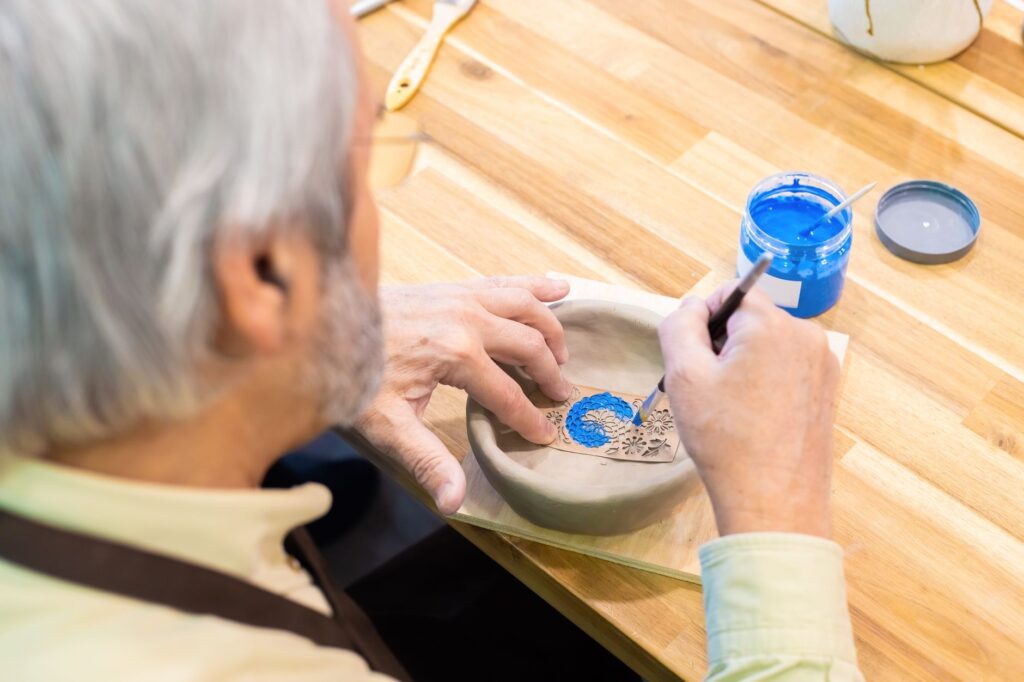
The master painters at Sant’Anna work with a palette of oxides that only reveal their true color after passing through the fire at over a thousand degrees Celsius. The dark gray they apply with sable-hair brushes will transform, through the art of chemistry, into that deep blue that characterizes the city. This knowledge, passed down through generations, allows the factory not only to create new works but also to restore historical panels that require absolute fidelity to the stroke and the original chemical composition of 18th-century glazes.
The Science of Conservation: The National Tile Museum
Housed in the former Madre de Deus Convent, the Museu Nacional do Azulejo is much more than an exhibition hall; it is the nerve center for ceramic research in Portugal. Its collection, spanning from the 15th century to the present, allows one to observe the technical and aesthetic evolution of the medium. One of the most impressive pieces is the Lisbon Vision panel, created before the 1755 earthquake, which shows the city in cartographic detail before the disaster, serving as an invaluable historical document.
The museum’s restoration laboratory works tirelessly to combat the ravages of time and, above all, urban pollution. Salt crystallization and glaze detachment are the main enemies of these pieces. Experts employ laser cleaning techniques and chemical consolidation to ensure that panels remain attached to the walls they were designed for. This work is fundamental, as the azulejo is a material that suffers greatly when torn from its original context—a problem that has led to the creation of civil protection initiatives.
SOS Azulejo: The Fight Against Looting and the Black Market
For decades, Portugal’s ceramic heritage suffered a constant trickle of thefts. Entire facades were stripped of their tiles overnight to feed a black market for antiques across Europe. In response, the SOS Azulejo project emerged—an initiative led by the Judicial Police and various cultural institutions to raise awareness about the importance of keeping pieces in their place of origin. Thanks to this effort, tile theft has been drastically reduced, and legislation has been implemented prohibiting the demolition of tiled facades without a rigorous technical permit.
Public awareness has been key in this process. Today, Lisboetas are the primary guardians of their walls. Databases exist where the most valuable panels are registered, facilitating their recovery in case of theft. Furthermore, awareness workshops have been created so that owners of old buildings know how to clean and maintain their tiles without damaging them, using neutral products and avoiding aggressive interventions that could compromise the integrity of the ceramic support.
«Preserving a tile on its original facade is to keep the conversation between the building and the street alive; once it is removed, the piece loses its voice and becomes a mute object.»
Viúva Lamego and the Avant-Garde: Azulejo in the 21st Century
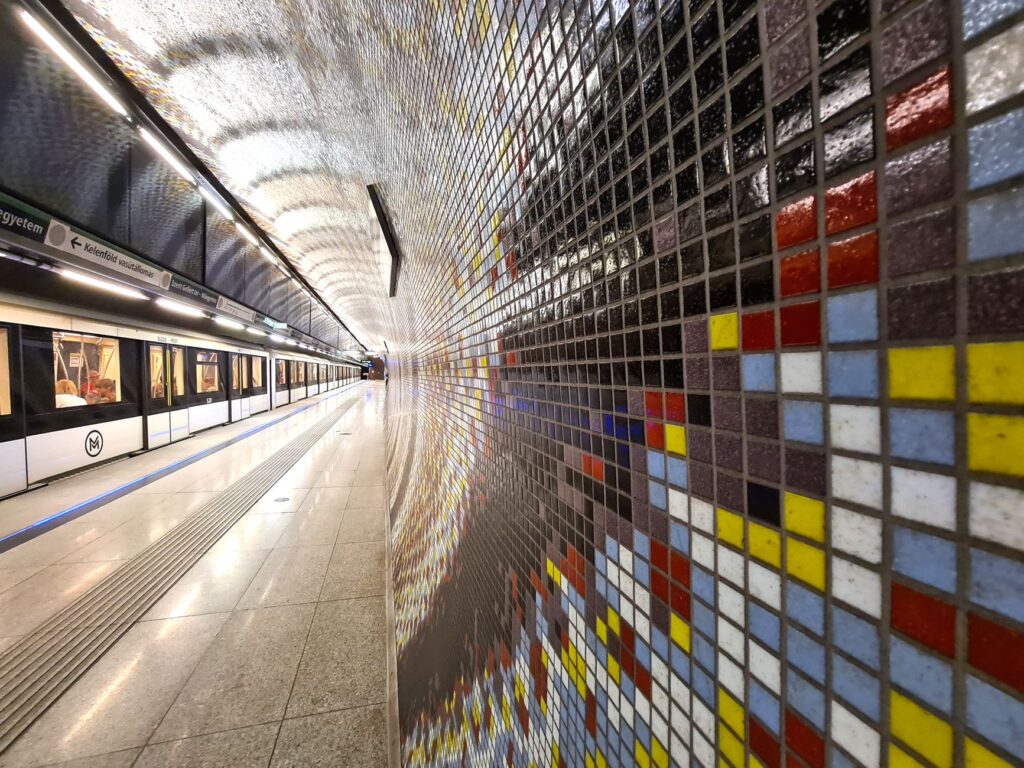
If Sant’Anna represents pure tradition, the Viúva Lamego factory is the bridge to modernity. Founded in 1849, this manufactory has successfully collaborated with the most relevant architects and artists of recent decades, such as Álvaro Siza Vieira and Paula Rego. The azulejo has ceased to be an element of the past and has become a material for experimentation. In Lisbon’s metro stations, for example, we can see how artists like Maria Keil transformed transit spaces into public art galleries, using geometric patterns and vibrant colors that break the monotony of the underground.
The versatility of the azulejo as a thermal and acoustic insulator, combined with its durability, makes it extremely attractive for today’s sustainable architecture. New design studios are exploring the use of three-dimensional tiles, with reliefs that play with shadows and sunlight to create dynamic facades. This revitalization proves that the glazed ceramic technique has a bright future, provided that the quality of materials and the honesty of the production process are respected.
The Technical Process: From Clay to Eternal Shine
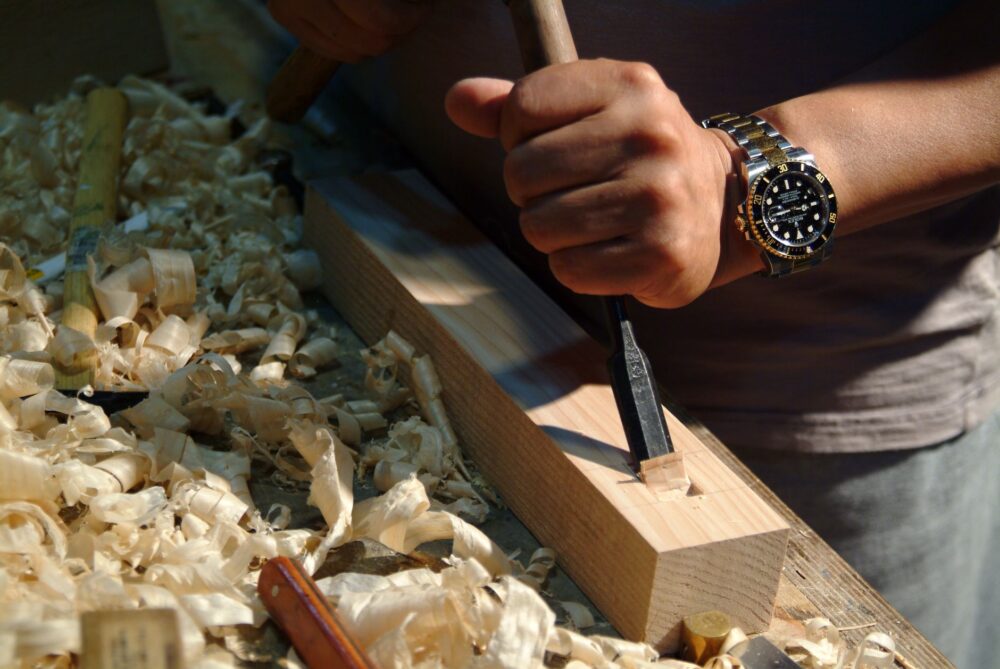
To understand the quality of an artisanal tile, one must look at its manufacturing process. It all begins with the selection of the clay, which must have the right plasticity to be molded into wooden frames. After a period of natural drying, the pieces undergo a first firing called bisque. The result is a porous, orange-colored plate ready to receive the glaze. The majolica glaze, composed mainly of tin and lead, creates an opaque white surface upon which the artist paints.

Painting is done using the ‘pounced’ technique for outlines or freehand for finer details. The most complex aspect is that the artisan does not see the final color while working; they must trust their experience to know that a pinkish hue will become a vibrant yellow and that violet will turn into emerald green. After the second firing, the glaze melts with the pigments and the support, creating a protective vitreous layer that is, in essence, a form of glass. This is why tiles maintain their color unalterably for centuries, resisting the ultraviolet radiation that would destroy any other type of paint.
Practical guide
- National Tile Museum: Located at Rua da Madre de Deus, 4. It is essential to set aside at least three hours for a visit. Do not miss the annexed Baroque church, where tiles and gilded woodcarvings reach their highest expression.
- Fábrica Sant’Anna: Offers guided tours of its workshops on Calçada da Memória. It is a unique opportunity to see master painters in action and purchase authentic pieces with certificates of origin.
- Urban Routes: Walk through the Alfama district to see the more popular and devotional tiles, and through the Chiado area to admire 19th-century commercial facades, such as the former Viúva Lamego Factory at Largo do Intendente.
- Hands-on Workshops: Several studios in the Graça neighborhood offer one-day workshops where travelers can learn the basic majolica technique and paint their own tile following traditional methods.
- How to Identify Quality: An artisanal tile is never perfectly flat; if you look at it from the side, you will see slight undulations. Additionally, the back of the piece should show the natural color of the fired clay, not an industrial white.
The Skin of the City: A Visual Closing
As evening falls and the sun sets over the Tagus estuary, Lisbon’s facades seem to ignite. It is at this moment that the azulejo fulfills its most poetic function: returning light to the city. Each piece, with its history of fire and patience, contributes to a collective narrative that refuses to disappear. In a world dominated by the ephemeral and mass production, the Portuguese azulejo remains a reminder that beauty, when built with clay and memory, can be eternal.
Strolling through these streets is like reading an open book. A chipped tile on a corner, a hunting scene in a palace, or a geometric pattern in a popular tavern are fragments of an identity that is reconstructed every time a master ceramist lights their kiln. The survival of this art depends not only on museums but on our ability to continue looking at these walls with the wonder of someone discovering, in a small square of ceramic, the entire soul of a people.