Conquering India’s Great Green Wall
Few landscapes in the South Asian subcontinent exhibit such a radical tension between natural geography and industrial ambition as the Western Ghats. This mountain range, running parallel to India’s western coast and locally known as the Sahyadri, has acted for millennia as an almost impenetrable biogeographical barrier between the Arabian Sea and the fertile Deccan Plateau. Overcoming this natural wall of black basalt, shrouded in monsoon mists and dizzyingly steep, demanded one of the most daring engineering feats of the 19th century. The railway line that today connects the port metropolis of Mumbai with Pune via the Bhor Ghat is not merely a means of transport; it is a monument of iron and masonry to human perseverance against the fury of the tropical elements.
The genesis of this route responded to an urgent economic and imperial imperative of the British administration. By the mid-19th century, the necessity of transporting cotton harvested in the interior of the Deccan to the docks of Bombay for global export made reliance on slow bullock cart caravans ascending precarious mountain trails utterly unsustainable. The railway layout required surmounting an elevation gain exceeding five hundred meters over a remarkably short horizontal distance. British engineers, flanked by tens of thousands of local laborers, designed a system of switchbacks, sculpted stone viaducts, and dark tunnels that defied the topographic logic of the era. Today, traversing this section aboard an express train offers profound insight into the sheer scale of an intervention that transformed Maharashtra’s commercial pulse.
The Architecture of Abysses: Historic Viaducts and Tunnels
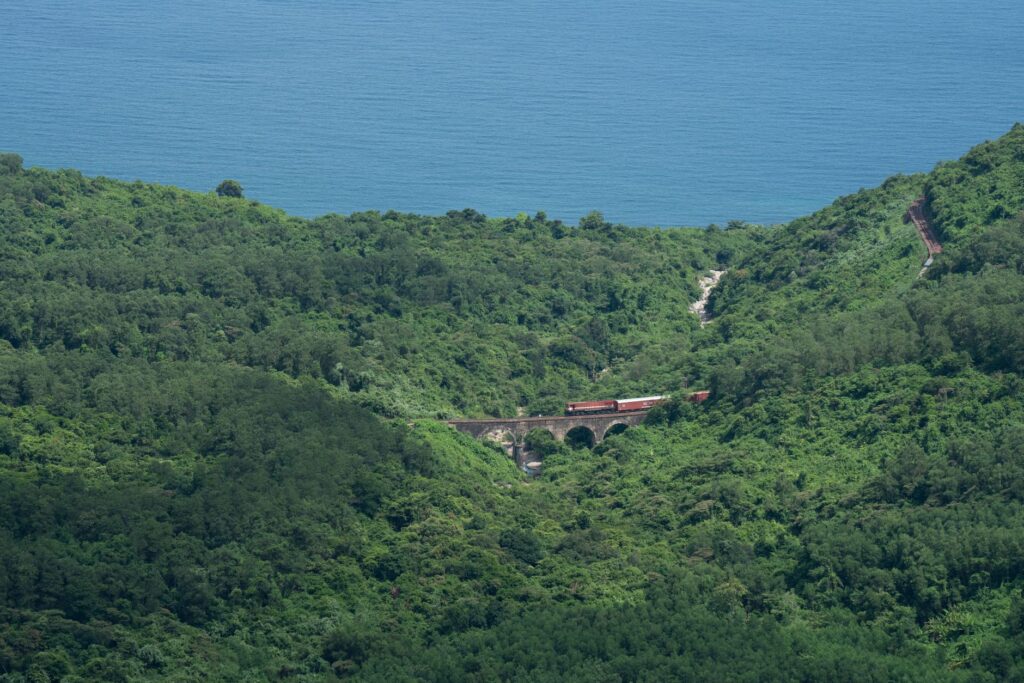
The railway layout through the Western Ghats serves as a living catalog of Victorian-era civil engineering solutions adapted to an extreme tropical environment. Unlike European lines that sought horizontality through wide river valleys, the Bhor system was structured using unusual zigzags and counter-gradients known as reversals, designed to gain elevation gradually. Trains were forced to halt at intermediate stations perched on the brink of precipices, reverse direction, and continue their ascent along a new terrace carved directly into the cliff’s mother rock.
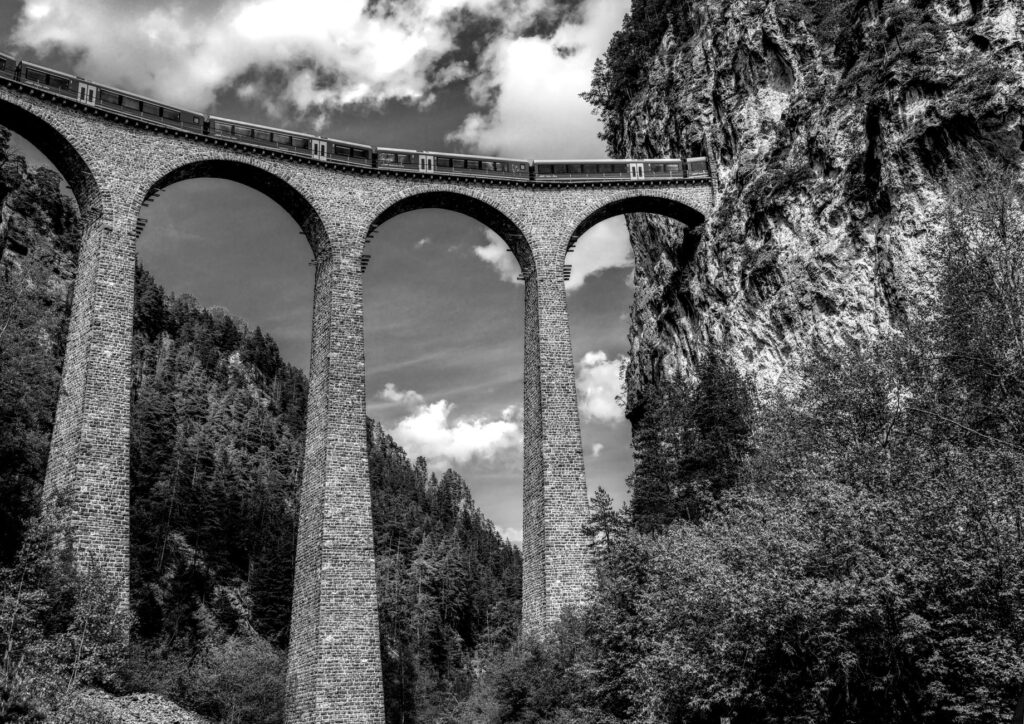
The stone utilized for constructing bridges and tunnel portals was quarried in situ, guaranteeing cyclopean masonry capable of withstanding the torrential rains of the monsoon, which unleash cubic meters of water upon the slopes annually. Round stone arches and basalt buttresses support platforms traversed by heavy freight and passenger convoys without showing structural fatigue after more than a century and a half of continuous operation. Each tunnel blasted by manual gunpowder methods stands as a milestone of millimetric precision where tunneling teams had to meet deep within the mountain without room for error.
The railway track of the Western Ghats is not merely a conduit of iron over rock; it is the architectural scar that compelled India’s wild nature to converse with the Industrial Revolution.
Among the most notable elements of this infrastructure are the Meral and Monkey Hill viaducts, names evoking both the rugged topography and the native fauna inhabiting the abysses. These elevated bridges afford passengers a dizzying sense of suspension over ravines blanketed in dense evergreen rainforest. The preservation of these heritage elements constitutes a constant technical challenge for Indian Railways personnel, who combine traditional maintenance techniques with modern geotechnical monitoring systems to prevent landslides during the peak months of seasonal precipitation.
Monsoon Logistics: Operating in the Heart of Climate Risk
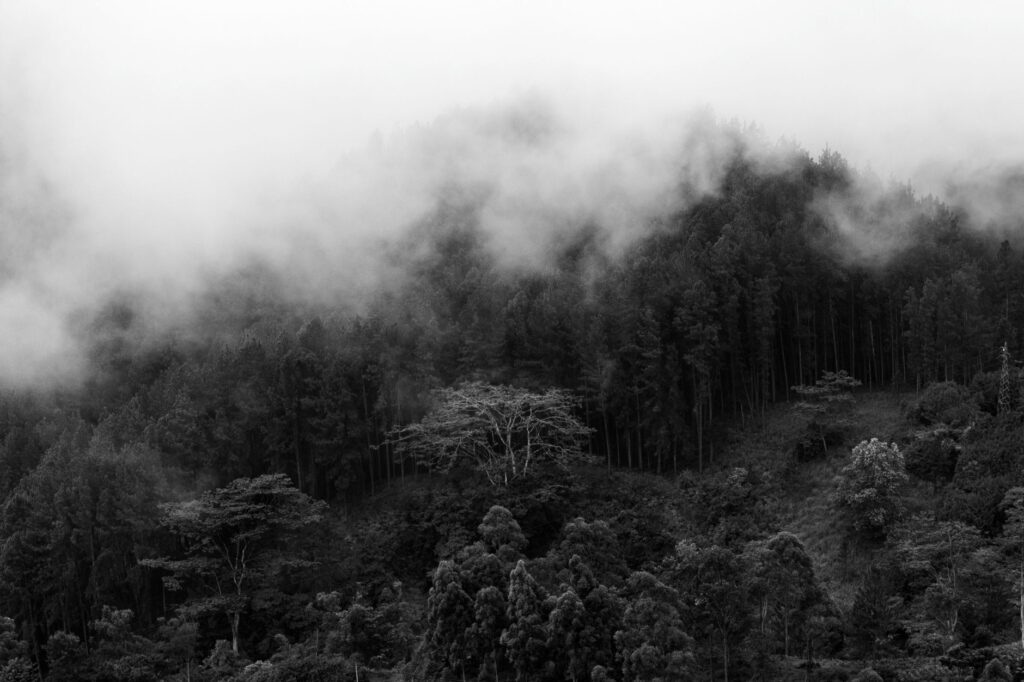
Managing a high-mountain railway network in one of the wettest regions on the planet requires millimetric logistical protocols. During the months from June to September, the southwest monsoon beats relentlessly against the Sahyadri slopes, turning dry stream beds into raging torrents and softening basalt rock walls. To guarantee the safety of thousands of travelers transiting daily between the highlands and the coast, railway authorities deploy a permanent surveillance protocol that includes foot patrols, motion sensors on the most unstable slopes, and temporary speed restrictions.
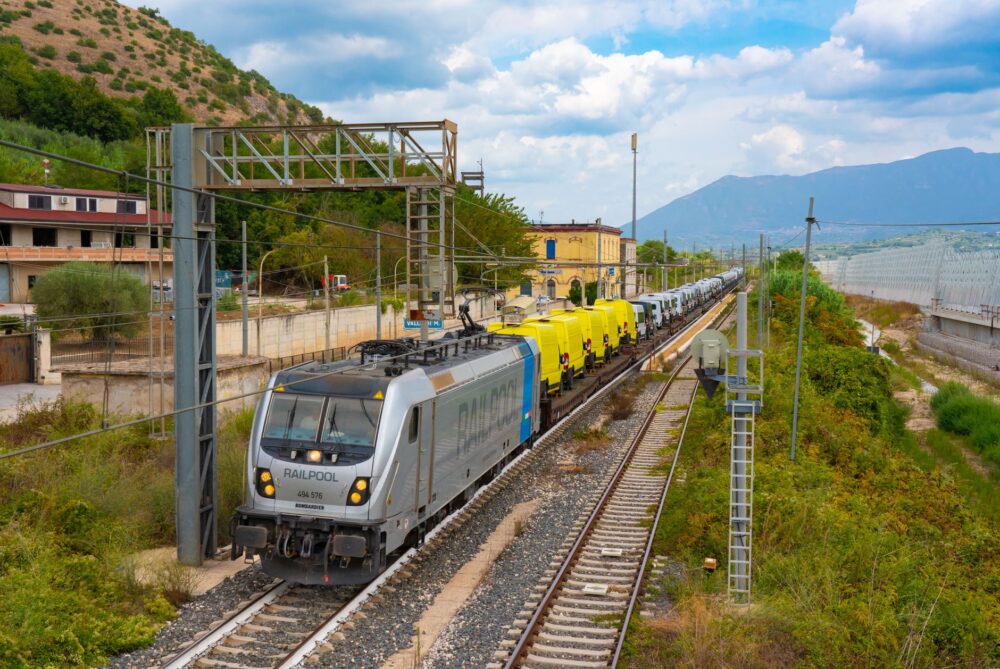
Operational logistics also incorporate the integration of auxiliary locomotives at the rear of freight and passenger convoys. These additional engines are indispensable for providing necessary thrust during sustained upward gradients and, likewise, for activating dynamic braking systems during descents, preventing wheel overheating and ensuring train stability on the sharpest curves. This seamless coordination among engine drivers, station masters, and disaster management teams exemplifies the complexity of keeping a vital artery operational under extreme environmental conditions.
Beyond climatic challenges, the line must absorb a colossal traffic pressure. Serving as the primary nexus between the nation’s financial capital and inland industrial and academic cities like Pune, the corridor handles a diverse mix of services ranging from high-frequency commuter trains to long-distance convoys and heavy freight. Timetable synchronization is a masterclass in railway planning, where a minor delay at the mountain passes can trigger a ripple effect across the entire regional network of western India.
The Human Pulse: Communities, Stations, and Daily Transit
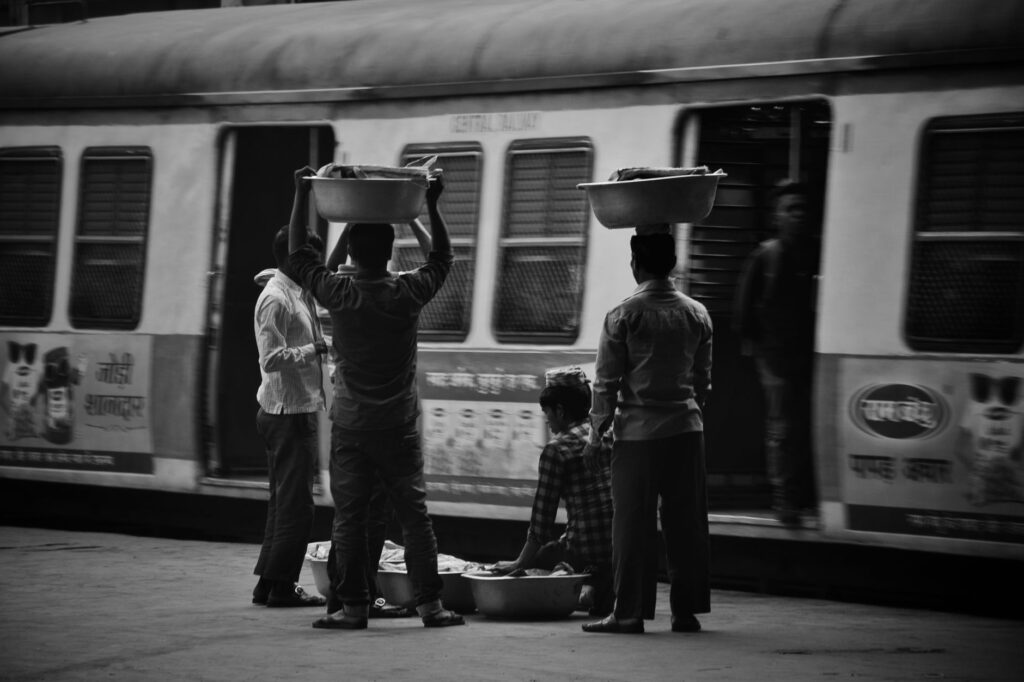
Along this railway journey, infrastructure becomes the backbone of entire communities that have grown in the shadow of the rails. Small settlements situated in the high plateaus, once isolated during the rainy season, found in the train their sole umbilical cord to coastal markets and medical centers. Intermediate stations, many retaining wooden structures and colonial tile roofs, function as local agoras where regional agricultural commerce converges, from spices to Alphonso mangoes harvested in sheltered valleys.
Passengers utilizing this line experience a fascinating landscape and cultural transition within hours. Departing from the dense, humid, urban frenzy of Mumbai, characterized by Victorian towers and the constant murmur of the Arabian Sea, they gradually immerse themselves in the deep green of the mountain jungle. As the train gains altitude, the air turns crisper, the horizon opens toward golden plateaus, and traditional rural village architecture replaces the industrial suburbs of the megalopolis.
Railway workers, many belonging to families that have practiced the same trade for generations, safeguard a wealth of practical knowledge absent from technical manuals. They are the ones who interpret subtle shifts in the track’s sound, the behavior of fog in the gorges, and the resilience of retaining walls. Their invisible labor sustains the experience of a journey that retains its historic romanticism despite the technological modernization of signaling and traction systems.

Practical guide
Planning a journey along the Western Ghats railway corridor requires understanding climatic seasonality and Indian Railways reservation protocols.
Best time to visit: The post-monsoon months (October to March) offer clear skies, lush vegetation, and pleasant temperatures. For landscape photography enthusiasts, the rainy season (July to September) reveals waterfalls and forests in their maximum splendor, albeit with higher operational restrictions.
Recommended routes and sections: The most spectacular section is concentrated between Karjat and Lonavala stations, where the Bhor Ghat elevation changes are conquered. Acquiring tickets in the Vistadome class, available on select daytime express trains featuring panoramic glass roofs, is highly recommended for optimal cliff viewing.
Transport logistics: Securing tickets weeks in advance through the official Indian Railways platform or authorized agencies is strongly advised, as demand in this commercial corridor remains consistently high throughout the year.
Accommodation and connections: Lonavala and Khandala serve as primary hubs for overnight stays and exploring the area on foot, offering options ranging from heritage hotels to eco-tourism retreats in the surrounding hills.
The Silence of Steam at the Summit of Time
When the final glint of sunlight dissolves behind the basalt ridges of the Western Ghats and village lights begin to flicker at the bottom of the valleys, the railway line acquires an almost contemplative dimension. It is no longer solely about the efficient movement of freight or mass passenger transit, but about the persistence of a human creation that learned to negotiate the limits of its own power against the vastness of tropical nature. In the rhythmic whisper of wheels over century-old steel joints survives the memory of an era when engineering was conceived as an act of monumental audacity, reminding us that the most transformative journey is the one compelling us to look upward, suspended between the jungle abyss and the relentless precision of human ingenuity.