
The Stone Roots Beneath the Pyrenean Asphalt
The territory of Sobrarbe, nestled in the central sector of the Aragonese Pyrenees, has lived for decades under the dichotomy of overcrowded high-mountain tourism in summer and profound winter isolation. The winding roads connecting valleys such as Pineta, Añisclo, or Chistau bear an unsustainable automobile pressure that threatens not only the biodiversity of neighboring national parks but also the very habitability of their historic villages. Facing this model of private vehicle dependence, the region has begun to articulate a paradigm shift based on the recovery of ancient transhumance routes and a low-emission transport network.
This territorial re-engineering effort is not born from distant offices, but from a consensus among rural municipalities, livestock cooperatives, and mountaineering associations. The central thesis of this transformation is clear: true alpine sustainability does not demand the construction of pharaonic new infrastructures, but the rehabilitation of pre-existing road heritage and its adaptation to contemporary mobility needs without altering its essential morphology. Bridle paths that for centuries served for sheep droving and cross-border trade with France are today becoming the arteries of a new low-intensity economy.
The rollout of this system includes charging points powered by local micro-hydroelectric plants, shared fleets of assisted mountain bikes, and an electric microbus shuttle service connecting valley heads with the main access points to long-distance hiking trails. This approach drastically reduces carbon emissions associated with weekend tourism and redistributes visitor flows toward interior municipalities that traditionally remained on the margins of major economic circuits.
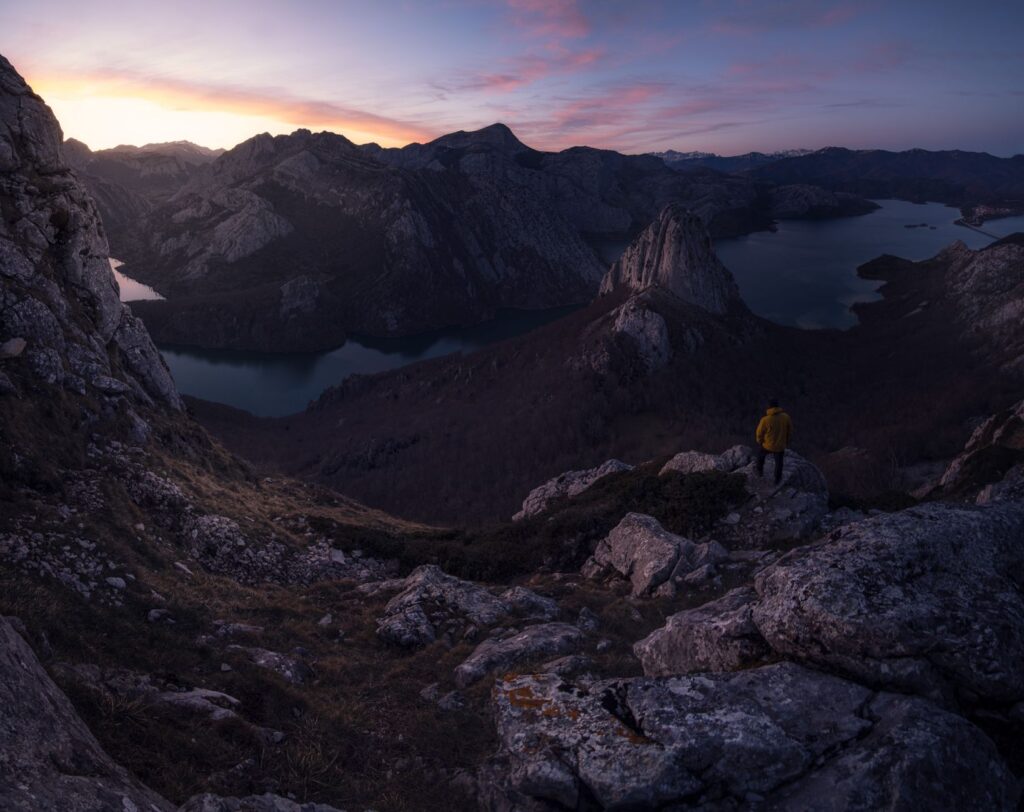
The Recovery of Bridle Paths as Soft Transit Routes
During the second half of the twentieth century, the expansion of the private automobile relegated ancient bridle paths to oblivion or strictly excursionist use. However, the regional project promoted in Sobrarbe has demonstrated that these trails possess incalculable logistical capacity for non-motorized transport. Local forestry engineers and archaeologists have worked hand in hand to clear, mark, and rehabilitate over three hundred kilometers of traditional paths, adapting them for mixed use by hikers, cycle tourists, and small community electric cargo vehicles.
The rehabilitation of these routes has not been a task exempt from technical tensions. Restoring dry stone walls, locally known as bancales, and ensuring the natural drainage of snowmelt water requires specialized labor that preserves ancestral construction techniques. Through workshop schools funded by European territorial cohesion funds, young people from the county have trained in these traditional trades, ensuring that the transport infrastructure simultaneously functions as a living museum of Pyrenean rural architecture.
The impact of this network of soft paths is especially felt in the economy of small inhabited settlements. Local producers of artisanal cheeses, jams, and organic meats now use these clean corridors to supply high-altitude shelters and local markets via lightweight electric carts, eliminating the need for polluting delivery vans in the most sensitive areas of the Biosphere Reserve.
Electric Microbuses and the Vertebration of Isolated Valleys
Public transport in high-mountain areas has historically been deficient due to low population density and demand seasonality. To resolve this structural mismatch, the Sobrarbe municipality consortium has implemented a flexible on-demand electric microbus service, managed through a mobile application adapted for older people and visitors without constant connectivity. This system optimizes daily routes based on actual bookings, reducing empty trips and guaranteeing daily connection between towns such as Aínsa, Bielsa, and Plan.

The vehicles selected for this fleet feature all-wheel drive and high-capacity batteries designed to withstand extreme sub-zero temperatures without diminishing autonomy. Furthermore, their modular interior design allows the simultaneous transport of passengers, bulky luggage, and bicycles, facilitating intermodality. A traveler can arrive by intercity bus from Huesca, connect with the county microbus to the base of a valley, and continue their ascent via soft mobility.
This capillary connectivity has noticeably transformed the daily life of permanent residents. Routine health care trips, school attendance, and access to county administrative services have streamlined significantly, anchoring population in a territory suffering from severe depopulation. Mobility is no longer a factor of rural exclusion, but a right guaranteed with environmental sustainability criteria.
The Voice of Local Communities and Demographic Equilibrium
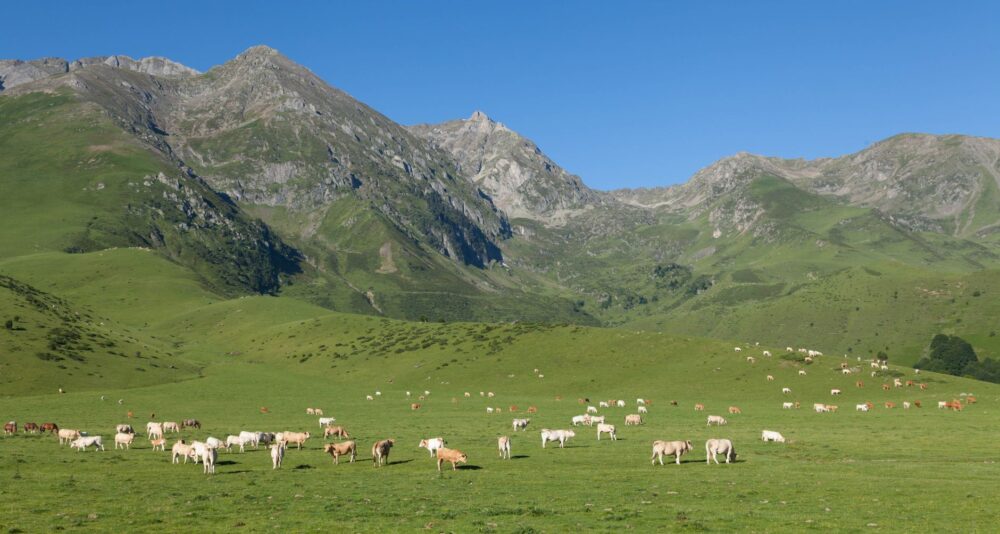
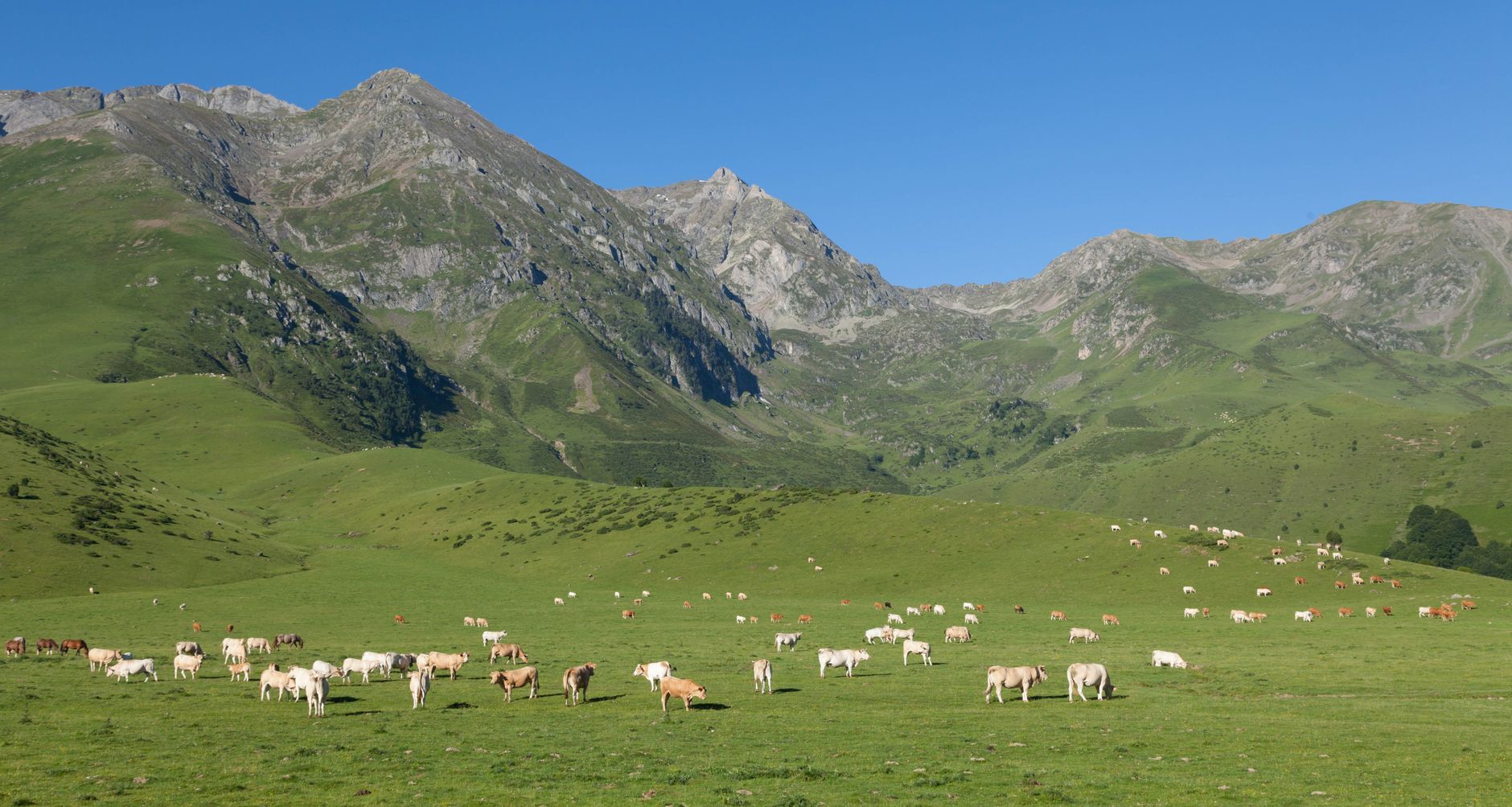
Behind every kilometer of restored bike lane and every electric microbus line lie hours of neighborhood assemblies and community debates. Citizen participation has been the fundamental pillar to prevent mobility plans from being imposed from above without considering the social dynamics of the territory. Local livestock farmers, the primary guardians of the Pyrenean landscape, have negotiated routes to ensure that visitor traffic does not interfere with extensive grazing or livestock movement during the summer season.
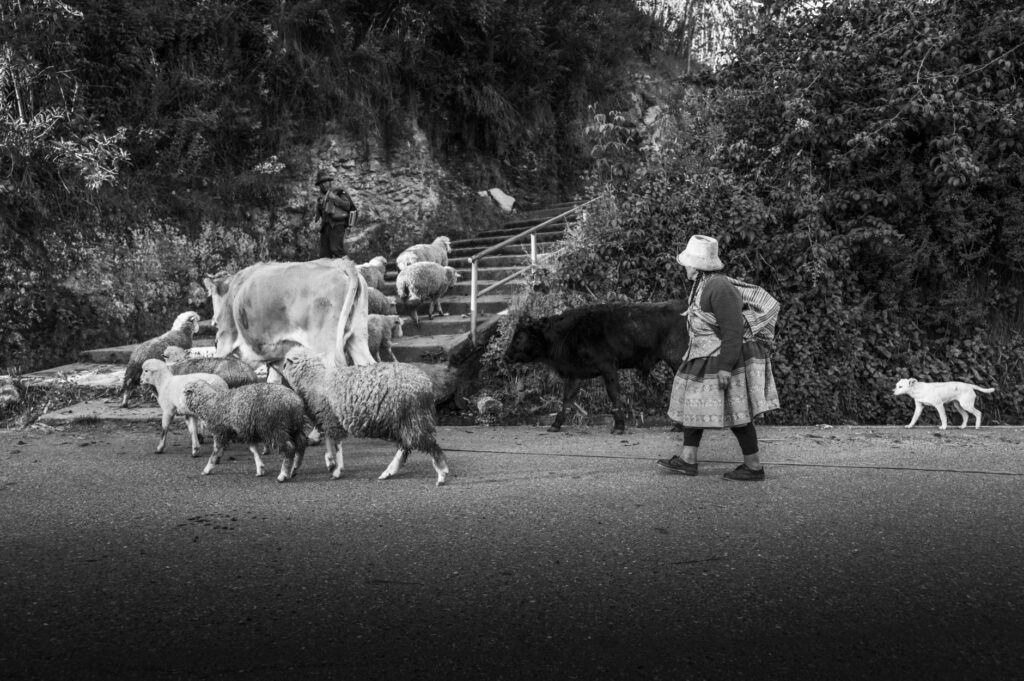
True conservation of the Pyrenees does not consist of locking it away, but of transiting it with the same respect and slowness with which our grandparents walked it.
This constant dialogue has helped mitigate the phenomenon of tourism phobia and fostered a shared sense of pride in the stewardship of natural heritage. Sobrarbe residents perceive that the transition toward a clean transport model protects their way of life against real estate speculation and mass disposable tourism. Municipal ordinances now prioritize neighborly rest and limit the opening of massive parking lots near protected natural areas.
The success of this formula lies in co-responsibility. Tourist accommodations and active tourism companies actively collaborate by informing clients about private vehicle access restrictions and offering economic incentives to those who use the public transport network and restored trails during their stay in the county.
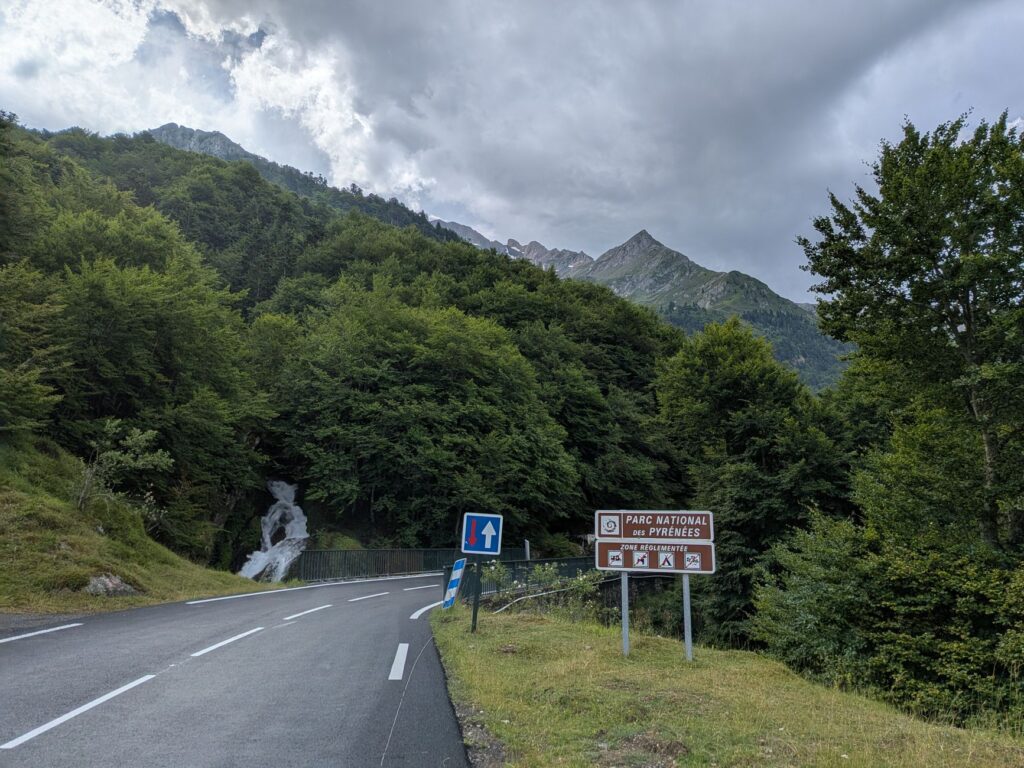
Climate Challenges and Mountain Infrastructure Resilience
The transition toward a sustainable transport system in the Pyrenees is not exempt from severe threats derived from climate change. The increase in average high-mountain temperatures has intensified the frequency of extreme weather events, such as summer torrential storms and slope landslides that test the stability of traditional paths and county roads. The resilience of these infrastructures has become a strategic priority for public managers.
To tackle this vulnerability, geotechnical sensor systems have been installed on the most delicate slopes, and landscape bioengineering techniques have been recovered, such as planting native scrub species and deep-rooted trees to stabilize clay soils. Likewise, electric charging networks for community vehicles feature automatic disconnection systems and backup via local storage batteries to ensure supply during outages caused by heavy snowfalls or lightning strikes.
Runoff water management on restored paths has also been redesigned using principles of historical folk architecture. Ancient paved paths featured small transverse drainage channels that have now been replicated with precision to prevent torrential runoff from eroding bicycle and pedestrian routes, proving that centuries-old accumulated wisdom remains the most effective tool against contemporary challenges.
Practical guide
How to get there: The main access to the Sobrarbe Geopark is by road via the A-22 highway to Huesca and from there along the N-260 toward Aínsa. By public transport, regular bus lines operate from Huesca, Zaragoza, and Barcelona through regional companies. When to go: Spring months (May and June) and autumn (September and October) offer optimal conditions to enjoy the trail network and lower traffic pressure. Summer requires mandatory use of shuttle services. Internal mobility: It is advisable to download Sobrarbe’s on-demand transport mobile app to book spaces on electric microbuses. Assisted mountain bikes can be rented at bases in Aínsa, Bielsa, and Torla. Accommodation and dining: Prioritize establishments adhering to the park’s sustainable tourism brand, which offer detailed information on emission-free routes and zero-kilometer products. Environmental regulations: Overnight motorhome parking outside authorized spaces and motorized vehicle transit on restricted forestry tracks are strictly prohibited.
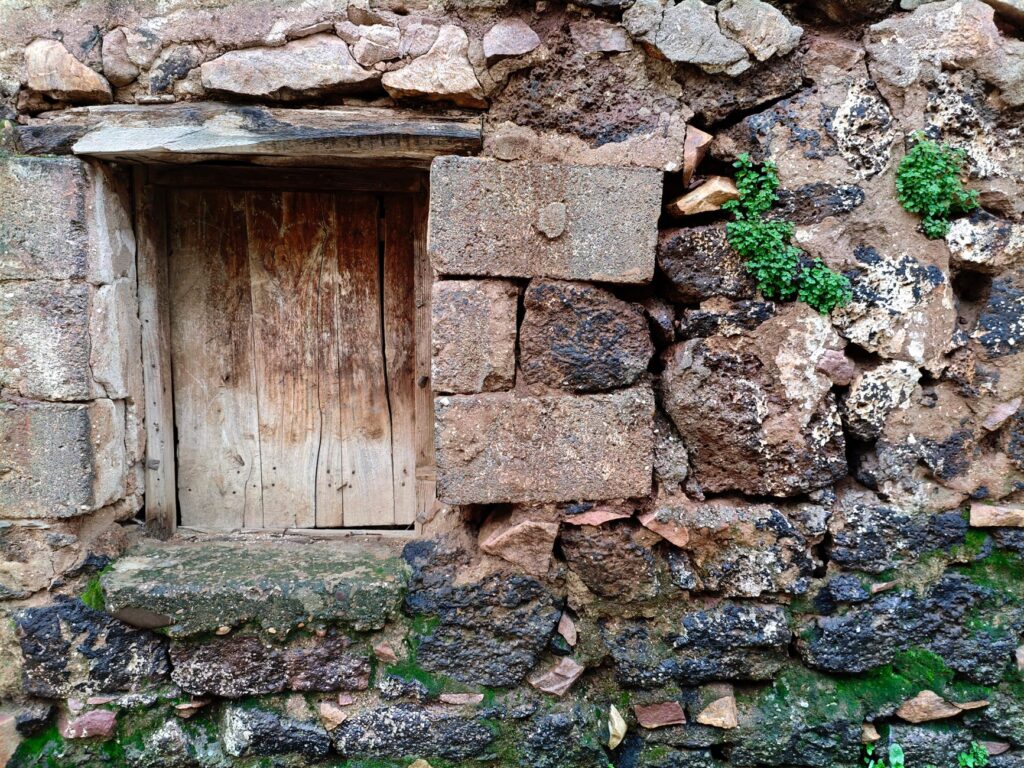
The Silent Echo of the High Valleys
At dusk, when the last rays of sunlight fade over the limestone ridges of Monte Perdido, silence reclaims absolute dominion over the valley. The constant roar of engines accelerating around the tight curves of mountain passes is no longer heard, replaced by the steady murmur of the Cinca River and the unhurried crunch of bicycle tires over the millennial paving of a restored path. This modest daily revolution demonstrates that it is possible to transit the world without leaving an indelible scar on its skin.
The future of great natural landscapes does not depend on how many visitors they manage to attract, but on the dignity and silence with which they choose to inhabit them.
The inhabitants of Sobrarbe gaze at the horizon with the caution of those who know the harshness of their land, but also with the conviction of having found the right course. In a planet overwhelmed by haste and asphalt, these Pyrenean valleys offer a luminous lesson: true modernity often consists of knowing how to stop, look back, and recover the unhurried pace of those who knew how to walk the earth with bare feet.