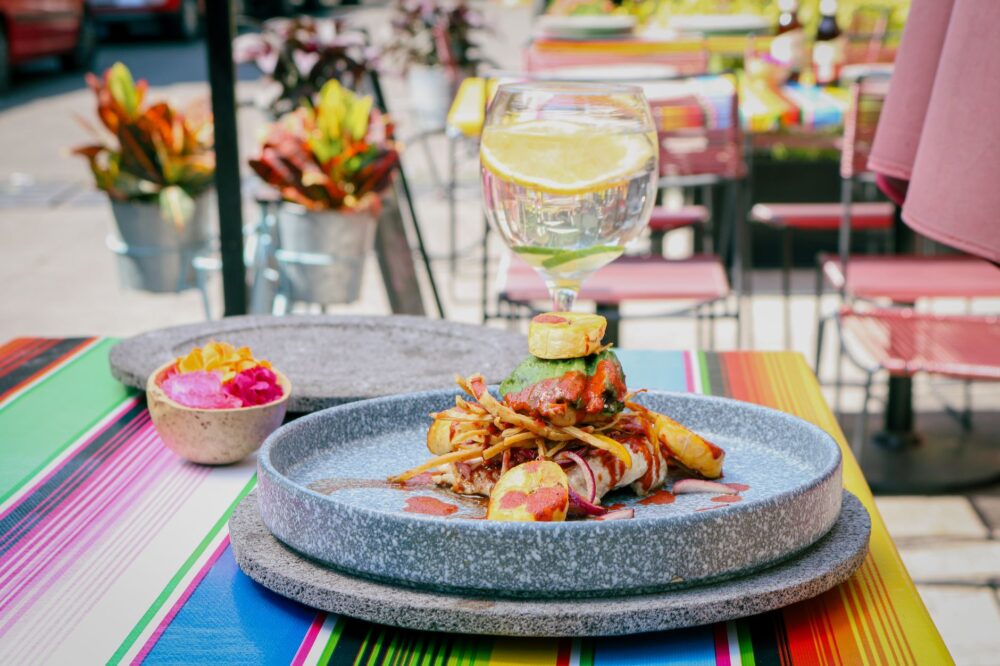

Contemporary tourism is undergoing a profound metamorphosis driven by the redefinition of economic priorities and cultural values among a new generation of travelers. Far from seeking the isolation and opulence of all-inclusive resorts, today’s public allocates a substantial portion of their budget to exploring the identity of destinations through their flavors. This trend, recently documented by specialized media such as Travel Daily Media, points to an unprecedented surge in food-motivated travel. This is not simply about eating out of necessity or an occasional vacation indulgence, but a paradigm shift where the plate on the table acts as a community’s most reliable historical document.
The motivations behind this phenomenon are multifaceted, yet they converge on the pursuit of authenticity and the optimization of financial resources. In a global context marked by economic uncertainty, smart travelers discover that allocating funds to marketplace fine dining, historic street stalls, and local producer routes offers an emotional and cultural return far superior to that of a generic luxury hotel stay. The table thus becomes a democratic space for encounter, where socioeconomic barriers dissolve amidst aromas of spices, traditional broths, and artisanal techniques passed down through generations.
The democratization of flavor: the end of traditional luxury
For decades, the tourism industry promoted the idea that vacation excellence was intrinsically linked to architectural luxury and the exclusivity of large hotel chains. However, this model has begun to falter in the face of the realization that an imposing building can offer an experience deeply disconnected from its geographical surroundings. The modern traveler rejects standardization. They prefer functional, clean, budget-friendly accommodations on a human scale to free up funds dedicated entirely to discovering the pantry of the place they visit.
This reallocation of capital toward informal dining and market sectors has revitalized local economies that rarely benefited from mass tourism. When a visitor purchases artisanal cheese at a centuries-old food hall, enjoys a popular stew in a neighborhood tavern, or hires a guided tour of urban gardens, the financial impact is distributed directly among farmers, fishermen, cooks, and small merchants. This consolidates a sustainable value chain that prioritizes territorial roots over corporate intermediation.

The architecture of markets: temples of urban life
To understand the magnitude of this shift, it is essential to look at the role food markets play in modern cities. Far from being mere commercial transaction points, these venues function as true social ecosystems where collective identity pulsates. Their architecture, often characterized by Industrial Revolution metal structures or diaphanous concrete and tile naves, houses a daily choreography of voices, scales, knives, and glances that define the character of their inhabitants.
In these spaces, the act of eating transcends nutrition to become an anthropological exercise. Fishmongers next to local catches share space with stalls of ancestral fermentations and bars serving traditional breakfasts to early-rising workers and curious travelers alike. The spatial layout invites constant movement, unguided exploration, and spontaneous dialogue with vendors, who often act as the best chroniclers of the recent history of their neighborhoods.
The market is not merely the place where ingredients of the collective memory are purchased, but the stage where the city recognizes itself every morning through appetite.
The design of these spaces encourages culinary serendipity. Unlike the predictable menu of a large-scale restaurant, the aisles of a market expose visitors to continuous sensory stimuli that challenge their gastronomic preconceptions. Here, the cycle of the seasons is learned not through calendars, but by observing the fleeting nature of tender artichokes, the arrival of the first wild mushrooms, or the disappearance of winter citrus.
The experience economy versus ostentatious consumption
The withdrawal of spending on luxury lodging in favor of gastronomy also responds to a transformation in society’s aspirational values. Status is no longer communicated through the display of hotel brands or stays in inaccessible resorts, but through accumulated cultural capital. Knowing how to identify the exact cooking point of an indigenous product, understanding the history behind a Protected Designation of Origin, or sharing a table with local farmers confers social prestige based on knowledge and sensitivity.

This mindset drives tighter budgets to plan their itineraries around harvest calendars and traditional gastronomic fairs. A trip is no longer designed based on hotel stars, but on the reputation of local wines, the richness of popular stews, and the vitality of fish markets. Food acts as a cognitive shortcut that allows visitors to understand in just a few hours the complex dynamics of migration, climate, and commerce that have shaped a territory for centuries.
The role of the street: cuisine as living heritage
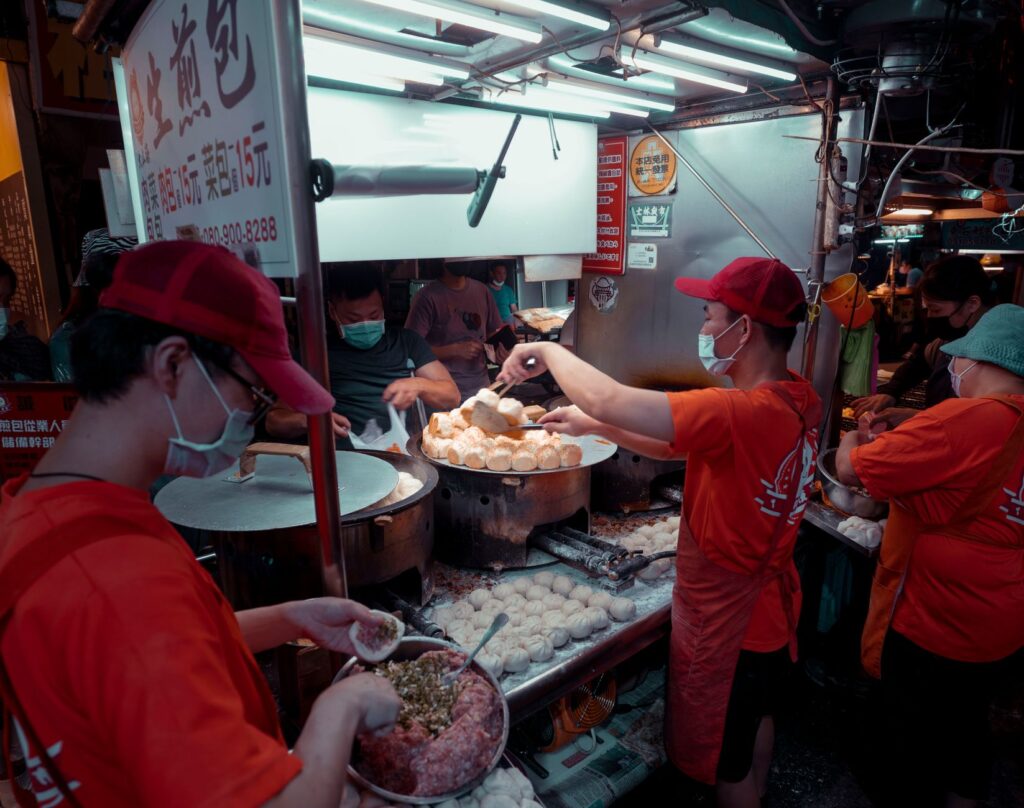
Within this ecosystem of accessible flavors, street gastronomy holds a privileged place. Far from the commercial simplification often attributed to it, street food represents one of the purest expressions of cultural resistance and domestic ingenuity. Itinerant cooks and small neighborhood stalls solve preparations requiring hours of dedication, patience, and absolute mastery of technique with cleverness and scarce resources.
The value of this cuisine lies in its immediacy and its indissoluble link to public space. Eating standing up in front of an improvised counter, sharing space with neighbors taking a break from work, generates a sense of temporary belonging that no high-end restaurant can replicate. It is a deeply human experience that democratizes culinary pleasure and returns it to the realm of the street, where great cultural revolutions have historically been forged.
Sustainability and traceability: the diner’s new mandate
The expansion of budget gastronomic tourism carries an added responsibility: the demand for transparency and respect for natural resources. Today’s conscious traveler demands to know where the ingredients they consume come from and under what conditions they were cultivated, fished, or produced. This constant vigilance by informed visitors forces small restaurateurs and markets to maintain high standards of quality and environmental sustainability.
The concept of zero-kilometer ceases to be an exclusive marketing label and becomes a rule of economic and ecological survival. Local products reduce the carbon footprint associated with international transport and ensure that the flavor of the dish accurately reflects the mineral and climatic characteristics of the soil. Thus, every bite transforms into a manifesto in favor of agricultural biodiversity and against the cultural desertification caused by food globalization.
The transmission of culinary knowledge across generations
Behind every modest dish that seduces the contemporary traveler lies a story of oral transmission and family resilience. Recipes succeeding in popular markets are rarely written in academic manuals, but in the muscle memory of cooks who learned by watching their elders work. This generational continuity is the true intangible heritage sought by urban explorers as they venture into the peripheral neighborhoods of major culinary capitals.
Preserving this knowledge requires valuing the daily labor of local producers just as much as the work of media chefs. When a traveler decides to spend their money on artisanal empanadas or a traditional broth tavern, they are actively contributing to keeping this legacy alive against the real estate pressures and commercial homogenization threatening historic centers worldwide.

Practical guide
Planning a market-focused gastronomic trip with an optimized budget requires method, curiosity, and respect for local rhythms. Essential guidelines to make the most of this experience are detailed below.
Prior research on historic markets: Identify food halls operating outside exclusively tourist circuits, prioritizing those where local residents and traditional neighborhood chefs routinely shop.
Optimal visiting hours: Arrive early in the morning to witness the arrival of fresh produce and chat with vendors without the pressure of midday peak hours.
Leverage tasting bars: Many traditional markets feature small integrated food stands preparing simple recipes using the exact same fresh product sold at neighboring stalls.

Respect local customs: Observe the dynamics of the venue before sitting down or photographing products; many traditional markets have unwritten codes regarding space usage and vendor interaction.
Budget diversification: Distribute your resources between small morning street snacks, a main meal at a food market, and a product-focused dinner at a neighborhood tavern.
The true compass of the contemporary traveler does not point toward hotel luxury, but toward the humble counter where the authentic identity of communities is cooked.
The final heartbeat of the shared table
At the end of the day, when the bustle of the markets fades and the metal shutters lower to protect the counters until dawn, the certainty remains that the journey was worthwhile. Not for the comfort of a sophisticated room, but for the richness of stories heard across a counter, the lingering aroma of local spices impregnating memory, and the conviction of having better understood the pulse of the world through its most accessible and sincere cuisine.
Source in English: Travel Daily Media (Gastronomic tourism expands as budget-conscious travellers trade luxury hotels for dining).