
The Invisible Geometry of the Sacred Mountain
Few landscapes in East Asia have exerted such persistent fascination over poets, geographers, and military strategists as the Lushan massif, rising abruptly above the alluvial plains of Jiangxi province. For centuries, accessing its mist-shrouded summits demanded an exhausting journey on the backs of porters or in bamboo litters—a natural isolation that protected Buddhist monasteries, Daoist retreats, and, later, modern diplomatic compounds. The arrival of railway engineering in the early 20th century not only radically transformed the accessibility of this geographical bastion but completely redefined the logistics of high-altitude transport in southern China, integrating a vertically challenging environment with the commercial arteries of the Yangtze River.
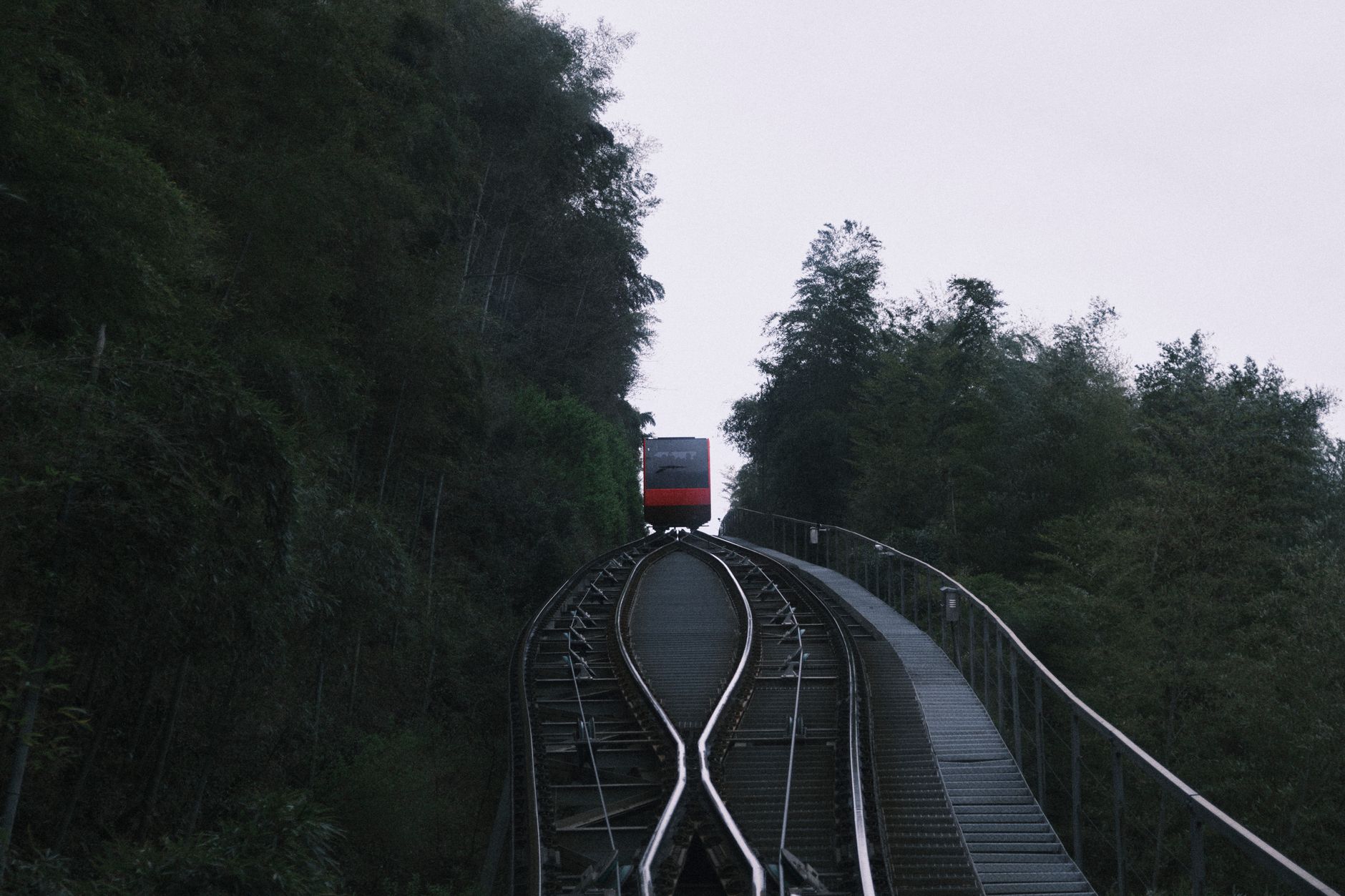
The primary challenge facing the era’s engineers lay in the very nature of the terrain: a tectonic fault block with near-vertical slopes, perpetually enveloped in humid air masses that generate dense fogs and extreme seasonal precipitation. Overcoming this elevation gain without compromising structural stability required bold technical solutions, combining traditional adhesion tracks with rack-and-pinion systems in the most demanding sectors. Conquering the steep grade was not merely a matter of mechanical power, but an exercise in topographical precision that permanently altered the relationship between valley communities and high mountain refuges.
Over the following lines, we will examine how this infrastructure not only solved a transport problem but structured a first-rate economic and cultural corridor. From the design of stone bridges to the complex logistical management of supplies required to sustain summit settlements, the Lushan railway remains an eloquent testimony to human capability in weaving communication networks across Asia’s most hostile natural environments.
The Architecture of the Slope: Bridges and Tunnels in the Mist
The railway route ascending Lushan was designed under strict topographical parameters prioritizing safety over speed. Engineers divided the ascent into differentiated traction sectors, utilizing a central rack system wherever the gradient exceeded safe thresholds for conventional steam locomotives. This technology, initially imported from pioneering Alpine developments in Europe, had to be drastically adapted to withstand the aggressive climatic conditions of the Asian subtropical monsoon, characterized by torrential summers and freezing winters.
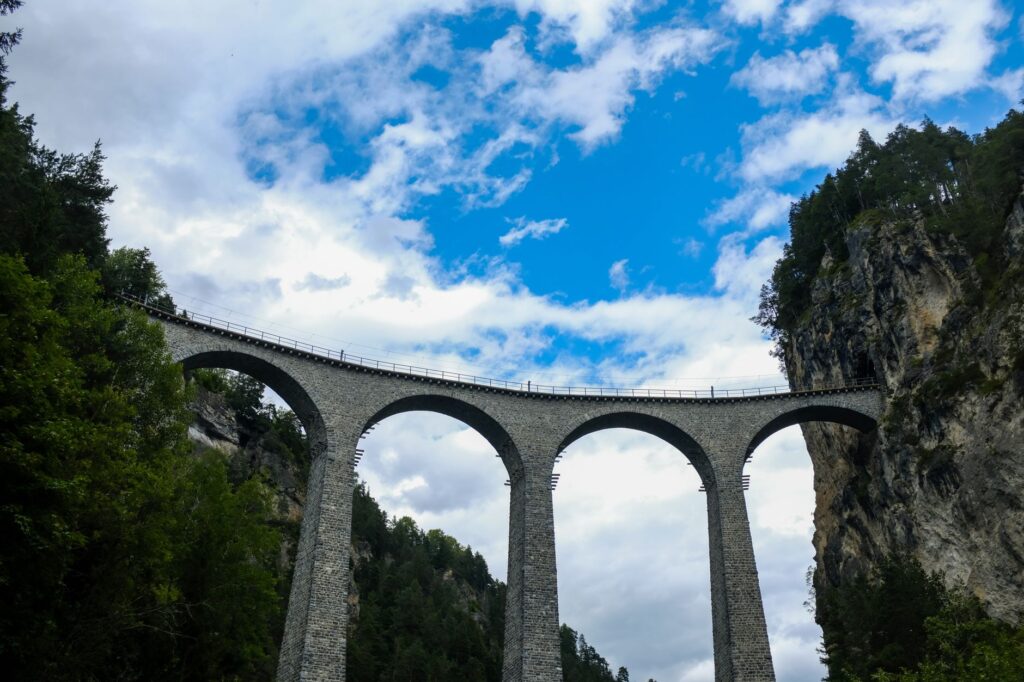
Construction materials were selected following rigorous local geological analyses. Quarry granite and masonry reinforced with traditional mortar formed the skeleton of retaining walls and bridge abutments. Each crossing structure was projected to support not only the dynamic weight of rolling stock but also the lateral pressure exerted by landslides and the constant flow of runoff during summer storms. Tunnels, mostly excavated by hand using controlled drilling and blasting techniques, pierced fractured rock strata that demanded massive inner linings of primary brick and concrete.
The true measure of a mountain engineering feat does not lie in the speed with which it conquers distance, but in its capacity to engage in a silent dialogue with the geological instability of the terrain sustaining it.
The aesthetic and functional integration of these structures into the Lushan landscape reveals an unusual sensitivity for the period. Viaducts were conceived not merely as utilitarian elements, but as visual landmarks articulating the journey across ravines blanketed in pine and bamboo. The logistics employed to transport cement, steel, and heavy machinery to work fronts located more than a thousand meters above sea level constituted a feat of organization in itself, mobilizing thousands of local laborers under the supervision of domestic and foreign technicians.
Fluvial and Railway Logistics: The Intermodal Knot of the Yangtze
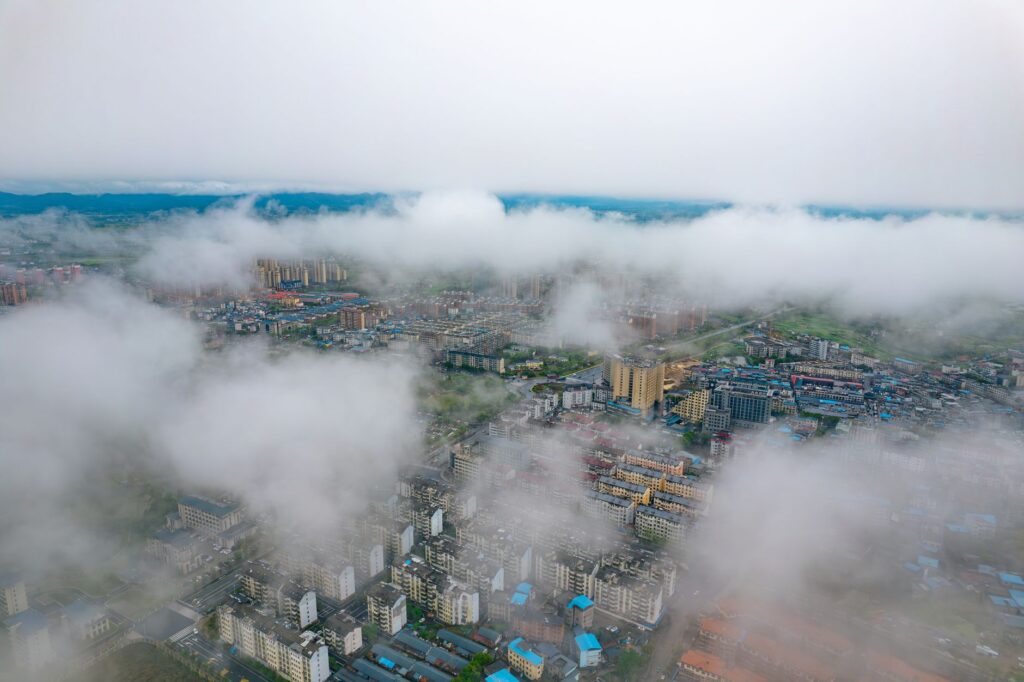
The operational success of the Lushan railway critically depended on its seamless articulation with the Yangtze River’s fluvial navigation system at the foot of the massif. The city of Jiujiang functioned as the major intermodal transfer port, where cargo and passengers arriving from eastern commercial hubs like Shanghai and Wuhan transitioned from river steamers to mountain trains. This transfer demanded meticulous schedule coordination for docking and departures, minimizing storage times in an area geographically constrained by seasonal river floods.
The logistics chain spanned from coal and medical supply deliveries to the transport of construction materials and fresh food for the resident population and summer visitors. Node efficiency relied on the strict zoning of docks and track yards designed to allow direct transshipment without interrupting continuous traffic flows. Steam cranes and, later, electric winch systems facilitated heavy cargo handling at a time when port mechanization in interior China was undergoing profound transformation.
Beyond general freight transport, the line played a strategic role in passenger mobility, cementing Lushan as the quintessential summer retreat for intellectual, political, and diplomatic elites during the first half of the 20th century. Managing passenger convoys required saloon cars equipped with special ventilation and heating systems to counteract drastic thermal shifts between the humid plain and the clouded summit—a comfort contrasting sharply with the harsh operating conditions of railway personnel along the line.
The Human Factor and the Culture of High-Altitude Travel
Beyond technical figures and economic relevance, the Lushan railway generated a singular culture of travel rooted in the contemplative appreciation of landscape and the shared endurance of climatic adversity. Travel diaries written by naturalists and diplomats who used the line during its first decades describe sensory transition as passage between two worlds: from the stifling heat and bustle of the Yangtze riverbanks to the cathedral-like silence of cryptomeria forests wrapped in mist.
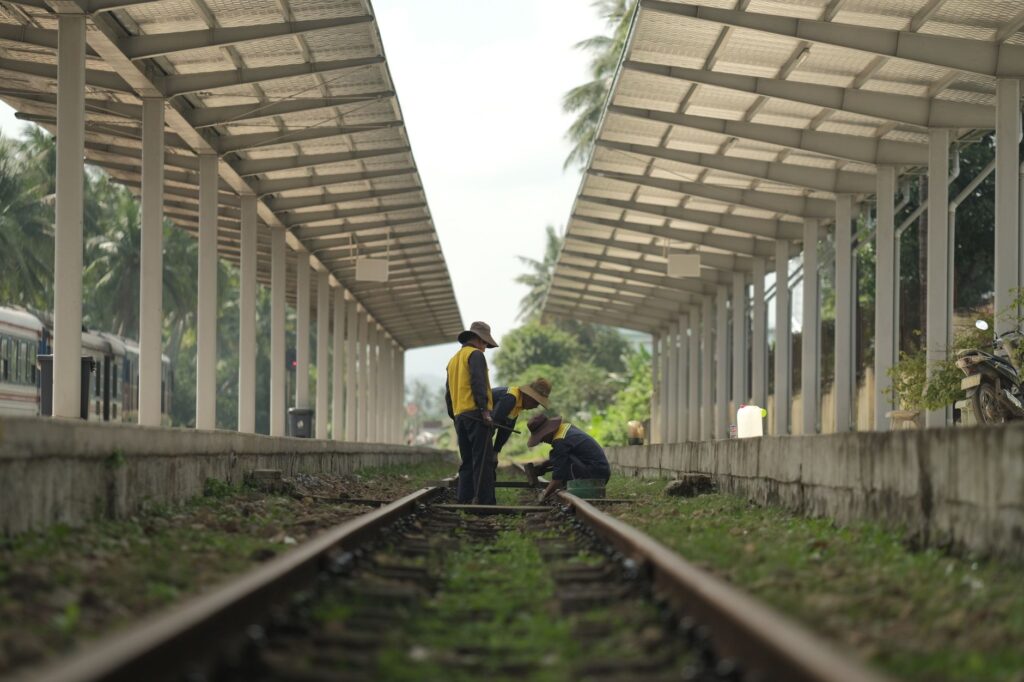
Railway personnel—engineers, firemen, brakemen, and maintenance crews—formed a highly specialized labor community, with families residing in small settlements established along the route. Empirical knowledge accumulated by these workers regarding slope behavior, track resistance against freezing temperatures, and local storm forecasting served as the true life insurance of the infrastructure. Their daily labor, carried out in conditions of geographical isolation and climatic harshness, guaranteed operational continuity through complex periods of political transformation across 20th-century China.
With the advent of modern highways and motor vehicle transport in the latter half of the century, the rack railway’s prominence underwent inevitable transformation, yielding to new forms of asphalt mobility. Yet original alignments, abandoned stone abutments, and former station buildings scattered across the hillside remain today as archaeological vestiges of an era when steam engineering conquered Jiangxi’s vertical sky, leaving an indelible mark on China’s industrial heritage.
Practical guide
How to get there: The primary gateway to the region is the city of Jiujiang, connected via high-speed trains and regular river services from Nanchang, Wuhan, and Shanghai. From Jiujiang station, local buses and official taxis operate continuously toward the foothills of the Lushan massif and its visitor centers.
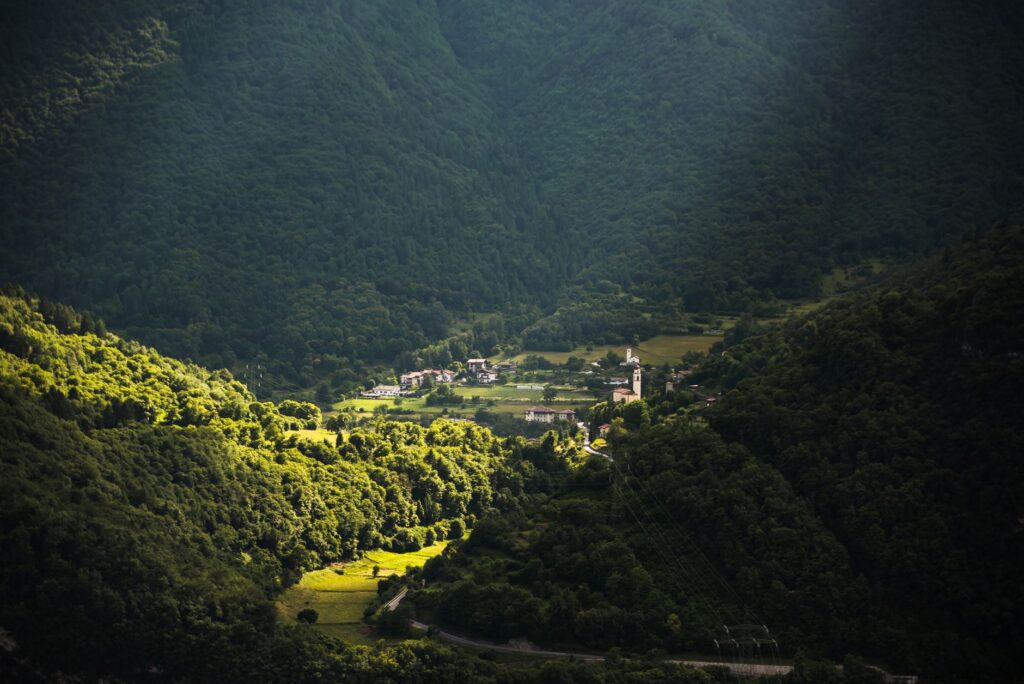
When to travel: Optimal months for exploring the area are spring (April to June) and autumn (September to November), when temperatures are mild and visibility is favorable. During summer, the massif acts as a thermal refuge from the plains, though it is peak season for domestic tourism and frequent summer rains.
Access requirements: Entry to the Lushan scenic area requires purchasing a multi-day general admission ticket, which includes access to primary viewpoints, trails, and historical museums. Carrying official identification documents (passports for foreign visitors) at all times is recommended.
Accommodation and services: Hotel offerings at the summit (Guling) range from converted historical buildings to modern tourism establishments. Advance booking is strongly recommended when traveling during summer months or national holidays such as the October Golden Week.

Conservation and environmental respect: Lushan’s natural environment is a protected area categorized as a national park and UNESCO Global Geopark. Littering outside designated containers, lighting fires, or stepping off marked trails in ecologically fragile zones is strictly prohibited.
Silhouettes in the Mist: The Eternal Echo of Steam on the Summit
Today, as travelers ascend the winding asphalt roads snaking across the Lushan massif, it is easy to overlook subtle clues of the old railway line that once challenged the gravity of these slopes. Amid the lush vegetation of ferns and subtropical pines, masonry foundations and the blocked portals of old tunnels emerge like stone ghosts, reminding observant observers of the magnitude of human effort invested in connecting terra firma with the realm of clouds. No smoke remains, nor the characteristic screech of metal against rack, but the pulse of that logistical feat continues beating beneath the landscape’s surface.
On afternoons of thick mist, when Yangtze humidity envelops Guling’s historical pavilions and absolute silence quiets the murmur of modern visitors, Lushan recovers its timeless dignity. Infrastructures change, steam trains yield to electric motors, and trade routes shift across 21st-century maps, but the human urgency to reach high altitudes and understand the territory remains unaltered. The mist railway was not merely a transport route; it was—and remains in the Earth’s memory—the steel bridge uniting the plain with thought.