
Dawn over the valleys of Jatiluwih in Bali does not announce itself with the roar of exhaust pipes, but rather with the subtle crunch of palm leaves under a humid breeze and the barely perceptible hum of motors powered by photovoltaic energy. For decades, massive tourism expansion transformed the rural arteries of this Indonesian island into bottlenecks of internal combustion vehicles, threatening both the balance of the legendary millennia-old irrigation systems known as subak and the peace of their farming communities. Today, however, a silent logistical revolution is rewriting the rules of island mobility, demonstrating that the preservation of UNESCO-protected cultural landscapes is compatible with low-emission technological innovation.
This report examines how agricultural cooperatives, local engineers, and customary authorities have articulated a proximity transport network based on shared electric fleets, community solar charging stations, and the restoration of ancient bridle paths. Through this coordinated effort, the interior of Bali seeks to discourage private car use without compromising the economic livelihood of the farmers who keep the green mosaic of the terraces alive. The transition is not without economic and logistical tensions, but it offers a pioneering model for reconciling global tourism pressure with the fragility of insular tropical ecosystems.
The Geography of Water and the Need for Silent Logistics
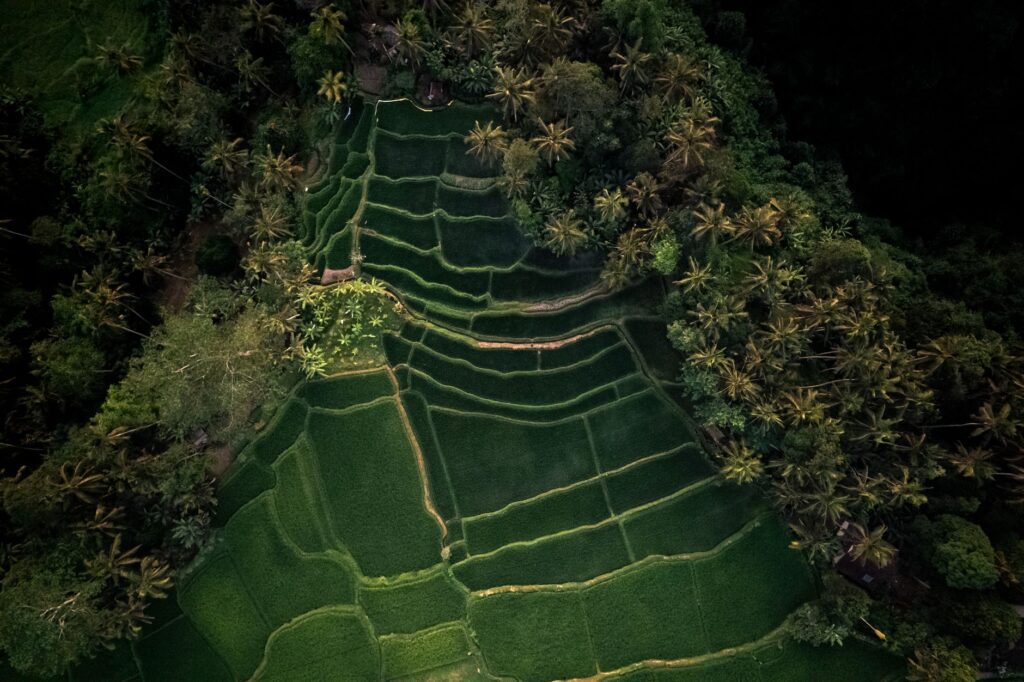
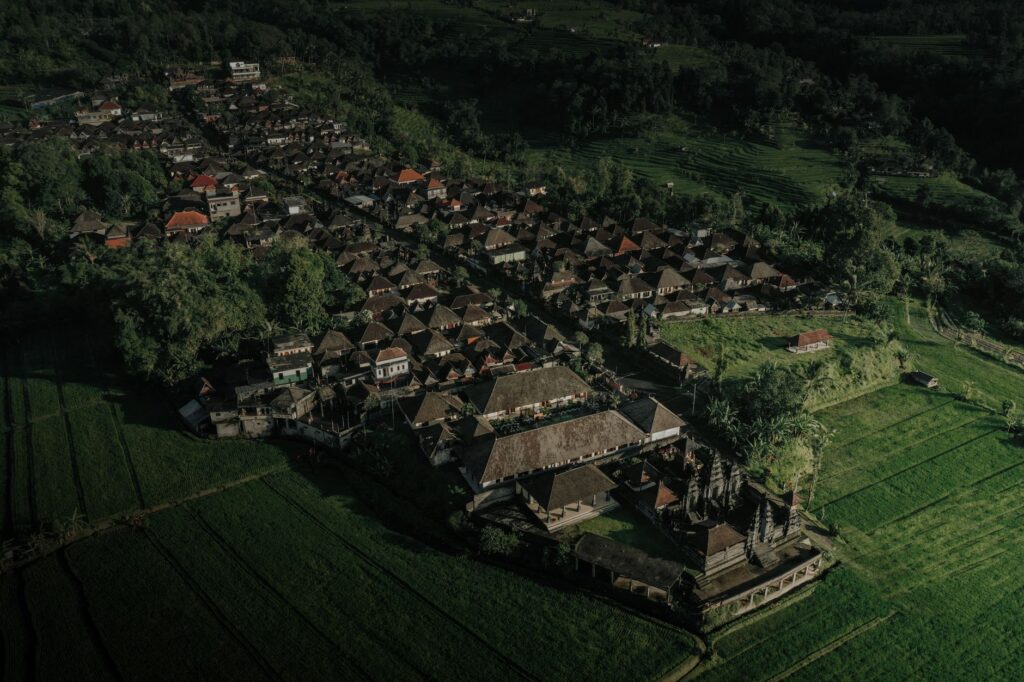
To understand the scope of this transformation in Balinese transport, it is imperative to analyze the topography of the territory. The mountainous interior of the island, dominated by ancient volcanoes like Mount Batukaru, acts as a gigantic sponge feeding hundreds of rivers and irrigation channels. The subak system, enshrined as a world heritage site, is not merely an agricultural technique, but a complex socio-religious organization where water flows harmoniously from mountain temples down to the lower flooded fields.
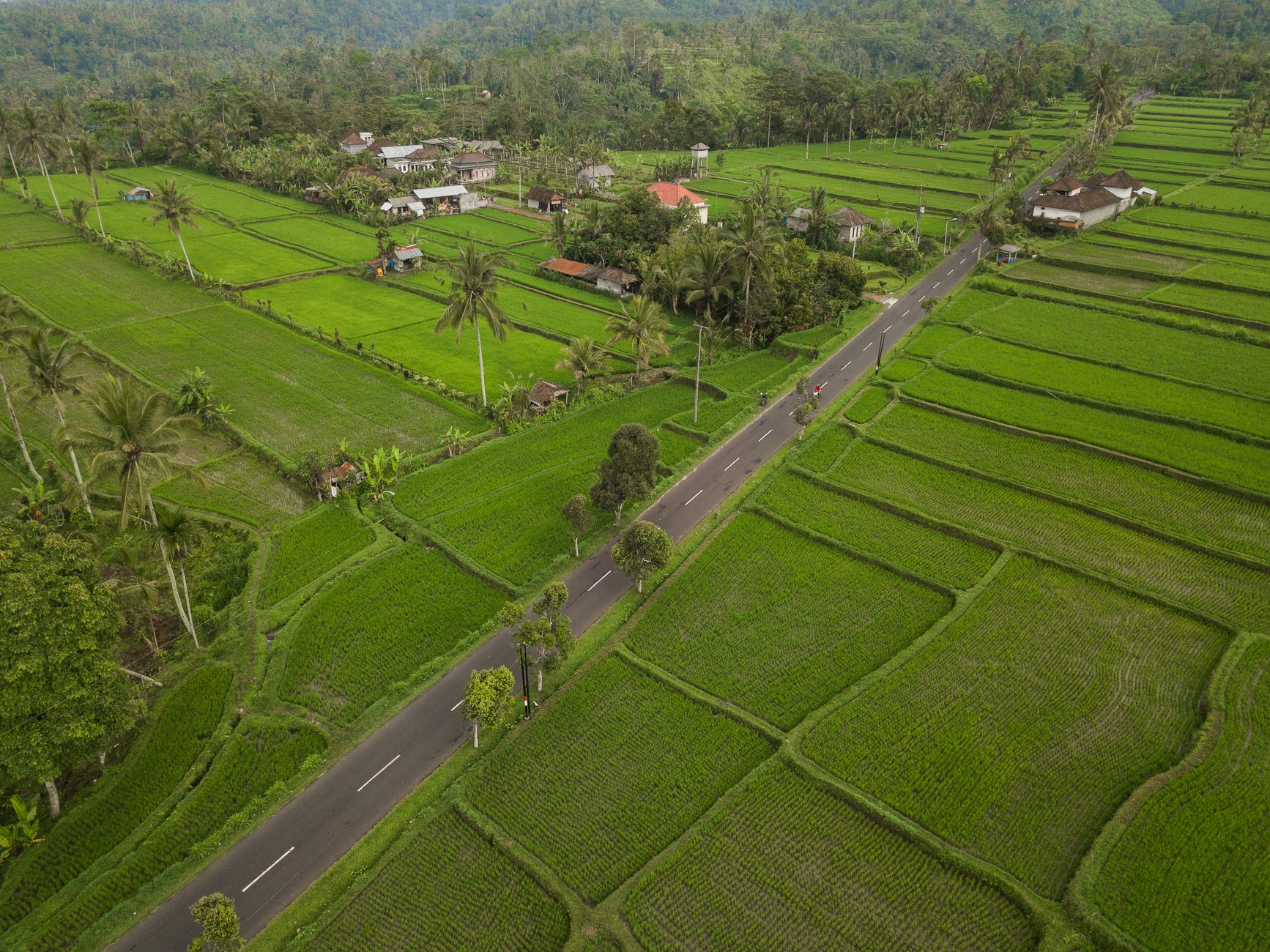
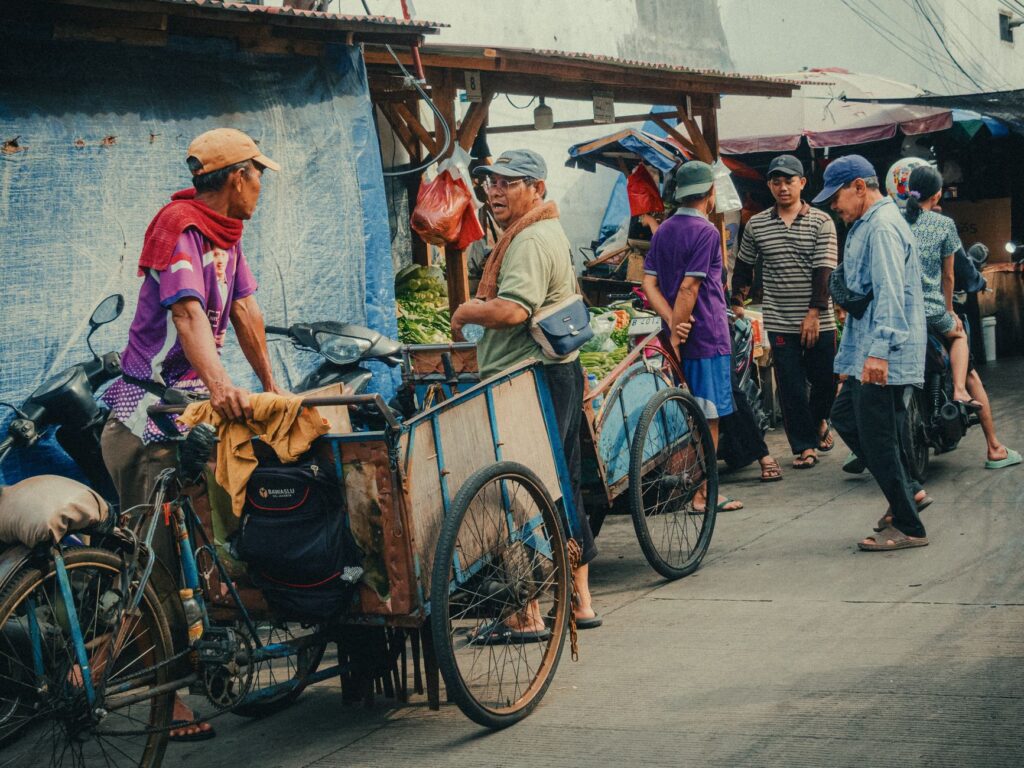
Traditionally, the transport of rice harvests and the movement of farmers relied on a network of dirt roads increasingly degraded by the weight of off-road vehicles and conventional motorcycles. The resulting erosion not only hindered the transport of goods but also disrupted delicate runoff channels. The introduction of three-wheeled light vehicles powered by recycled lithium batteries and electric motorcycles adapted for steep slopes has drastically reduced soil compaction in the most sensitive cultivation zones.
Local communities, organized through traditional councils called banjar, have assumed direct control of these new fleets. Rather than depending on external corporate rental agencies, each village manages its own park of light electric vehicles, establishing differentiated rates for residents and visitors. This community-based approach ensures that the revenue generated from sustainable mobility is reinvested directly into the maintenance of irrigation channels and pedestrian infrastructure.
Intermodal Integration: From Asphalt to River Course
The redesign of transport in central Bali is not limited to replacing gasoline engines with electric ones on secondary roads. One of the most innovative initiatives is the integration of small solar river ferries connecting communities separated by deep gorges and rushing rivers, reducing the need to build new concrete bridges that fragment the forest habitat.
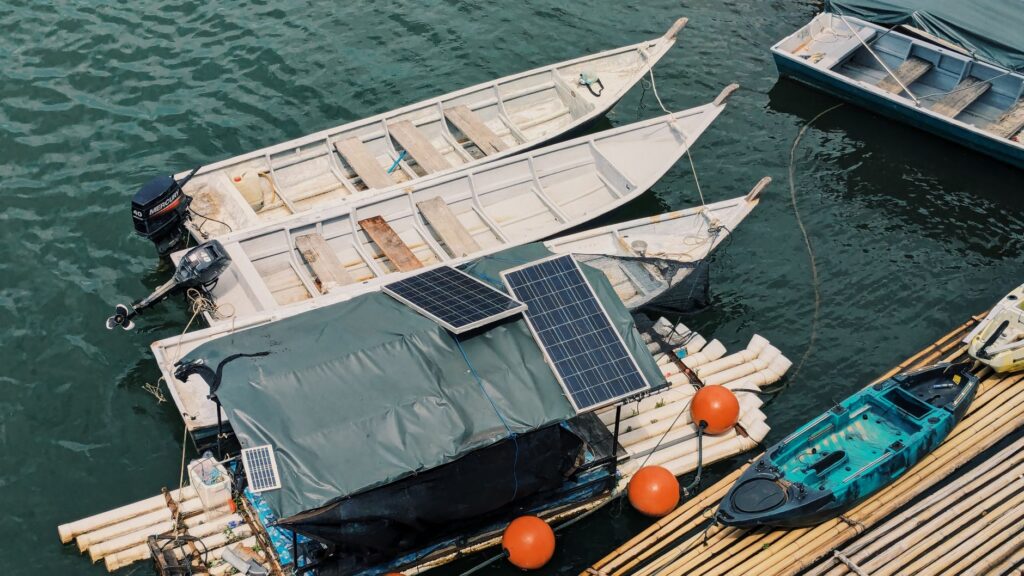
These barges, designed with lightweight fiberglass and integrated photovoltaic panels on their decks, operate with total energy autonomy thanks to the region’s generous equatorial insolation. They transport both passengers and small agricultural loads, shortening journeys that previously required detours of up to forty kilometers along winding, congested roads.
«The river ceased to be an insurmountable barrier and became the backbone of clean logistics that respect the natural rhythm of water and surrounding fields.»
The synchronization between these river ferries and shared electric bicycle networks located at landing points has created a fluid intermodal system. Visitors and farmers can plan their trips using local open-source applications providing real-time information on solar charge availability at docks and battery-swapping stations.
Infrastructure Challenges and Resistance to Change
Despite technical advancements, the transition toward this sustainable mobility model faces significant obstacles. The island’s electrical grid, still partly dependent on fossil fuels imported from other regions of Indonesia, experiences fluctuations during the monsoon season, forcing local charging stations to install storage systems using second-life batteries retired from electric vehicles.
Likewise, there is understandable cultural resistance among older populations who fear the loss of landscape authenticity with the proliferation of technological infrastructure, however discreet it may be. To mitigate these reservations, community leaders have prioritized the aesthetic design of charging stations, integrating them into traditional Balinese architecture using local woods, volcanic stone, and palm-fiber thatch roofs.
The technical training of young farmers in the maintenance of electric motors and photovoltaic systems has also become a fundamental pillar of the program. Instead of migrating to southern coastal urban centers in search of work, a new generation finds professional development tied to their home territory through the management of this green infrastructure.
Economic Impact on Local Markets and Proximity Trade
Transport efficiency in the interior has substantially altered Bali’s agricultural supply chain. Previously, small producers lost a significant portion of their profit margins due to crop spoilage during long, bumpy journeys in combustion vehicles to regional food markets.
With the establishment of preferential routes for light electric cargo vehicles and the improvement of pedestrian and low-speed pathways, transit times have been reduced by up to sixty percent. This has enabled the commercialization of high-quality fresh produce with a drastically lower carbon footprint, attracting the interest of chefs in local hospitality establishments committed to proximity sourcing and regenerative agriculture.
The model demonstrates that transport sustainability is not an aesthetic luxury reserved for elite tourism, but a tool for economic empowerment in rural economies. By reducing operating costs associated with imported fossil fuels, agricultural cooperatives have increased their capacity to invest in organic farming techniques and the conservation of local rice varieties.
Practical guide
How to get there: The main access to Bali is through Ngurah Rai International Airport in Denpasar. From there, the most efficient way to reach the central region of Jatiluwih and its surroundings without adding direct emissions is via electric shuttle bus services coordinated with local cooperatives, or by booking transfers in authorized electric vehicles.
When to travel: The months between April and dry October coincide with optimal conditions for traversing bridle paths and using solar river ferries without heavy rain interruptions.
Traffic rules and local respect: Unauthorized combustion vehicles are prohibited in protected areas on rural Balinese paths. Renting electric mountain bikes from certified cooperative hubs in Jatiluwih is strongly recommended, along with strictly respecting access rules to family temples and sacred farming zones.
Sustainable accommodation: Opt for small family-run guesthouses (homestays) that belong to the island’s ecological certification network, ensuring efficient water management and solar energy use.
The Final Pulse of a Balanced Landscape
Looking at the rice terraces from an elevated viewpoint at dusk reveals a scene where modernity has learned to moderate its voracity. The shrill acceleration of delivery trucks on winding interior slopes is no longer heard; instead, the prevailing sound is the steady murmur of water channeled between mud dikes and the faint whisper of an electric bicycle gently climbing a fern-flanked path.
«The true contemporary luxury in the planet’s great natural sanctuaries is not speed, but the ability to travel without leaving an indelible mark on the memory of the earth.»
This modest transformation in the heart of Bali proves that the future of sustainable transport does not lie in imposing massive pharaonic infrastructure, but in the patience of weaving, kilometer by kilometer, a lasting alliance between clean technology and the ancient wisdom of those who inhabit the landscape.