
Introduction to the Labyrinth of Stone and Clay
At the southernmost edge of the Arabian Peninsula, where the limestone plateaus of the Jol plunge toward an immense tectonic trench devoid of permanent surface water, human survival has historically depended on a logistics engineering as subtle as it is unforgiving. The Wadi Hadhramaut is not merely a geographical feature; it is a corridor over one hundred and fifty kilometers long furrowed by a communication network where dust, eroded stone, and dry riverbeds demand a millimeter-precise understanding of the terrain. Here, connectivity is not measured in high-speed highways, but in the capacity of heavy freight trucks, four-wheel-drive vehicles, and ancient caravan routes to conquer the dizzying mountain passes known locally as naqb.
For centuries, this geographical frontier has remained isolated from major global economic circuits, shaping an autarkic yet deeply vulnerable logistics system. Intermodality in this desert region relies on a constant transition between heavy supply trucks descending from the coastal plateau and light four-wheel-drive vehicles capable of negotiating shifting sand beds. Understanding transport in Hadhramaut requires delving into a reality where modern infrastructure coexists with mechanical obsolescence, and where every drop of fuel or sack of imported grain represents a complex operation of geographical endurance.
The Geography of Fracture: Descent into the Ancient Riverbed
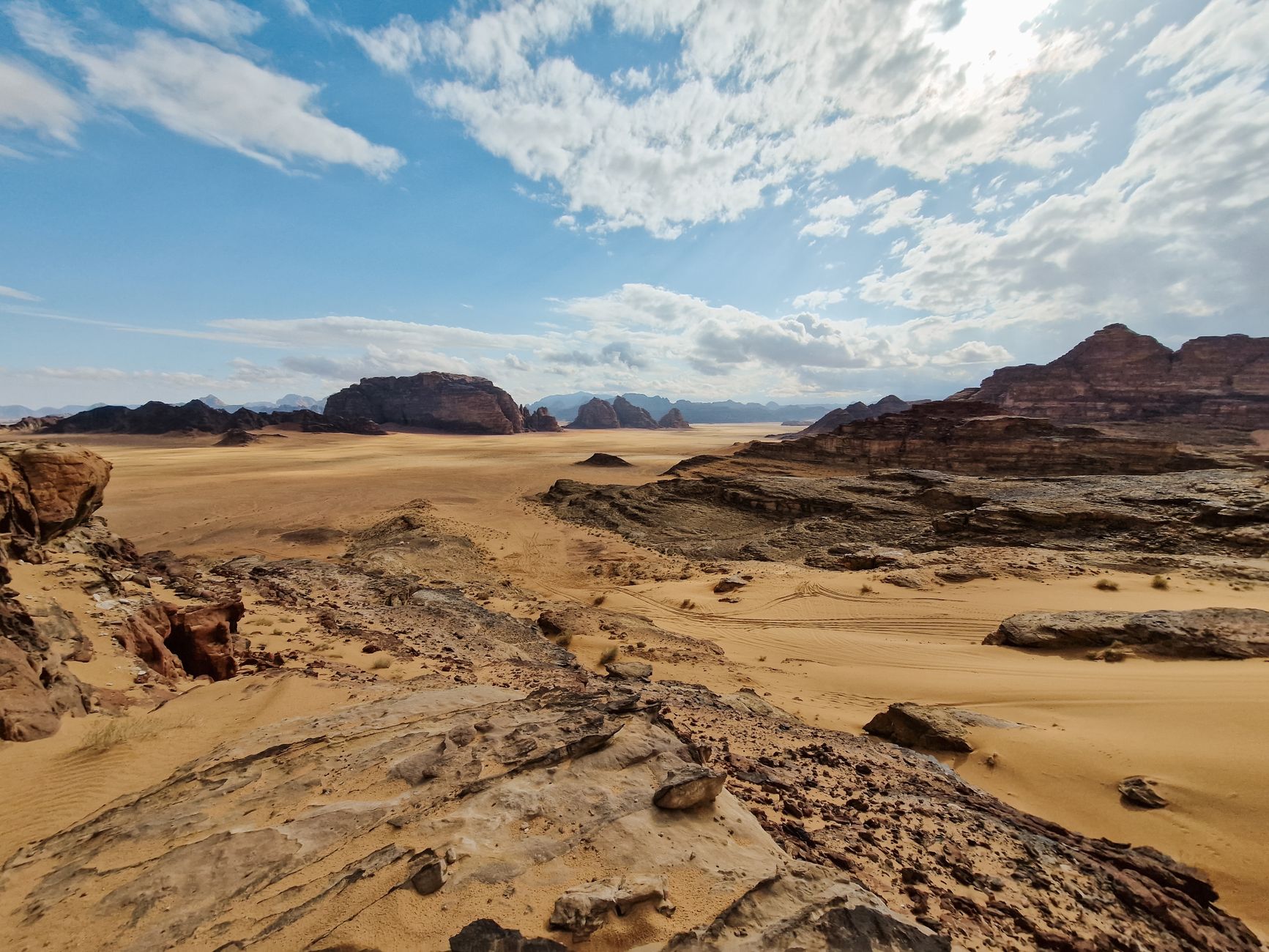
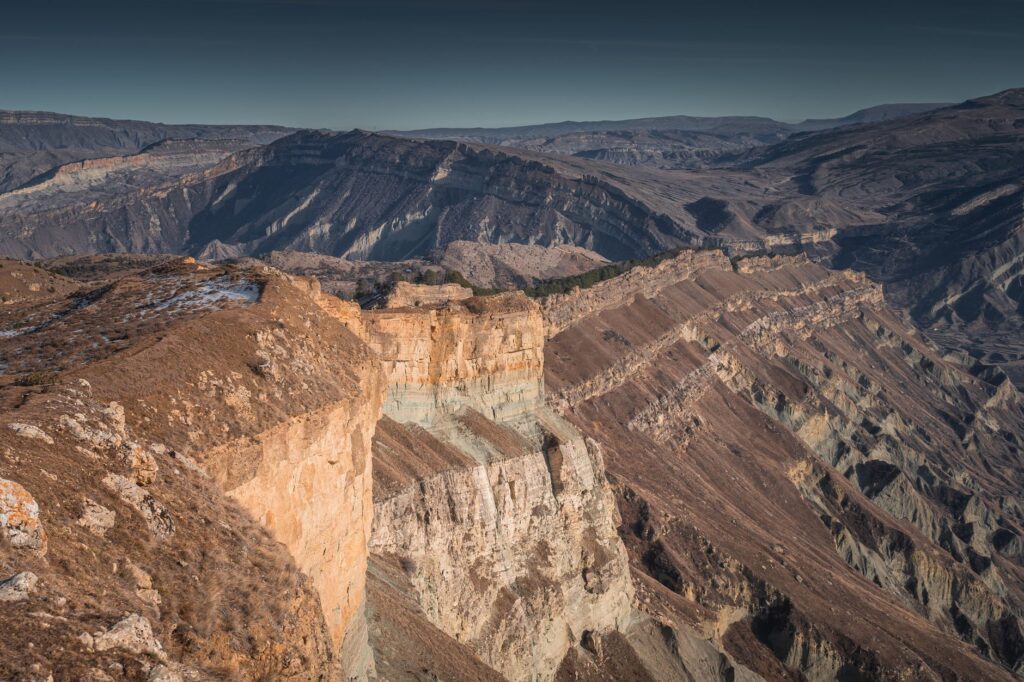
The morphology of Hadhramaut is dictated by millenary water erosion that has carved vertical canyons up to one thousand meters deep. Accessing the valley floor from the upper plateaus constitutes an exercise in cartographic precision and rudimentary road engineering. The descent paths, originally carved into the limestone rock by camel footsteps, have been widened with dynamite and pickaxes to allow the transit of heavy cargo trucks, albeit with severe limitations on turning radii.
These high-altitude passes, known as aquil or naqb, act as vital bottlenecks. A single broken-down truck in the Al-Kaf gorge or on the descent toward Shibam can completely paralyze the supply of fresh food, medicines, and spare parts for underground water pumps. The stability of these slopes is precarious; rockfalls caused by torrential and sporadic rains—capable of transforming a dry wadi into a roaring torrent within minutes—periodically disrupt routes, isolating entire communities for days.
The Logistics of Water and Fuel: Desert Tanker Trucks
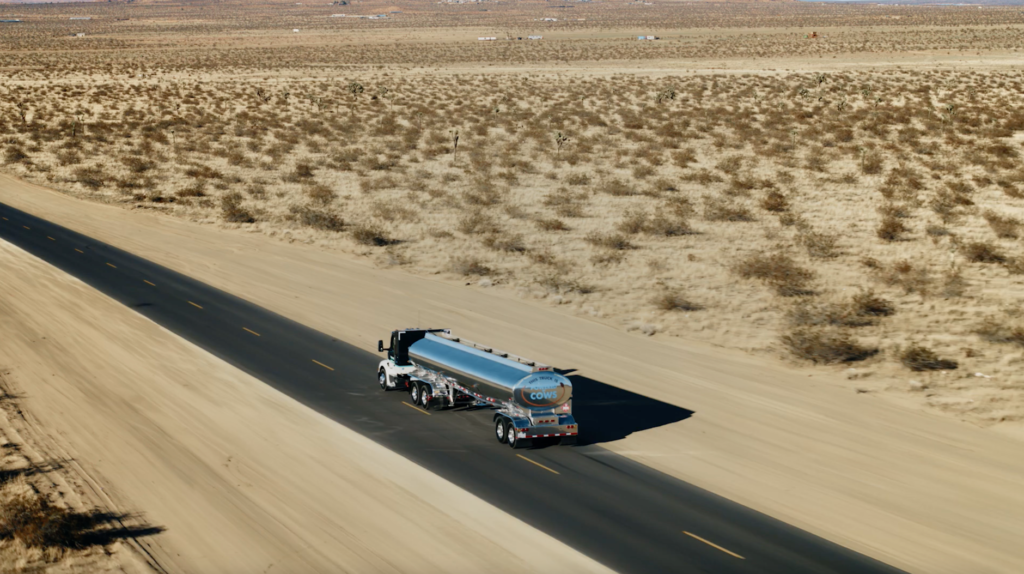
Unlike other arid regions where aqueducts or large pipeline networks guarantee water supplies, in Hadhramaut the distribution of vital liquids rests entirely on a heterogeneous fleet of tanker trucks. These vehicles operate as the mobile arteries of the depression, transporting water from scarce deep wells in the unconfined aquifer to the elevated reservoirs of mudbrick cities and peripheral agricultural communities.
The fuel logistics chain operates under similar parameters. Lacking operational local refineries and a continuous supply of gas pipelines, diesel and gasoline arrive in the valley via tanker trucks coming from the Arabian Sea ports or the interior oil fields. Transport costs increase exponentially with every kilometer of gravel track traversed, driving up the cost of both electricity generation and the operation of irrigation pumps feeding the palm groves. This reliance on heavy road transport makes the sector the Achilles’ heel of the local economy.
Passenger Transport: Shared Microbuses and Track Survival
For the local population, travel between the different settlements of the valley—such as Seiyun, Tarim, and Shibam—and more distant urban centers is carried out primarily through an informal network of shared vans and microbuses, known as service. These vehicles, subjected to severe wear and tear due to high temperatures and unpaved tracks, endure marathon shifts transporting both passengers and bulky luggage.
The stops for these vehicles are not formal stations, but spontaneous nodes at road junctions where fare negotiation and load distribution take place in the open air. Reinforced suspensions and high-profile tires are essential modifications to withstand continuous vibrations on stretches where asphalt has vanished under shifting dunes or accumulations of dry mud. Interurban travel in Hadhramaut is thus a test of both mechanical and human endurance.
The road infrastructure of Hadhramaut does not rest on contemporary asphalt, but on the accumulated expertise of generations who have turned desert transit into a daily act of logistical resistance.
Raw Earth Architecture and Urban Accessibility
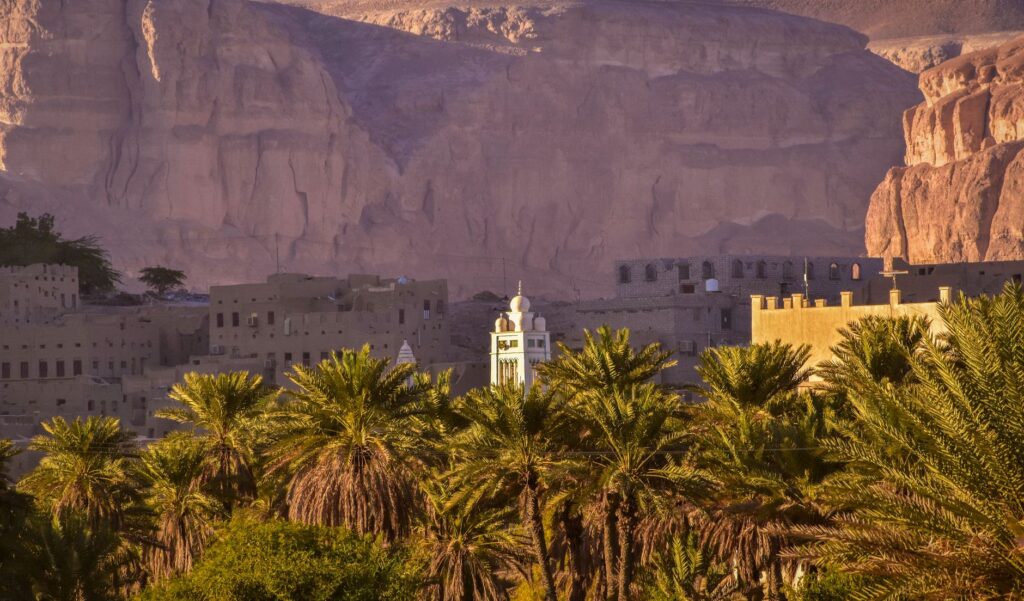
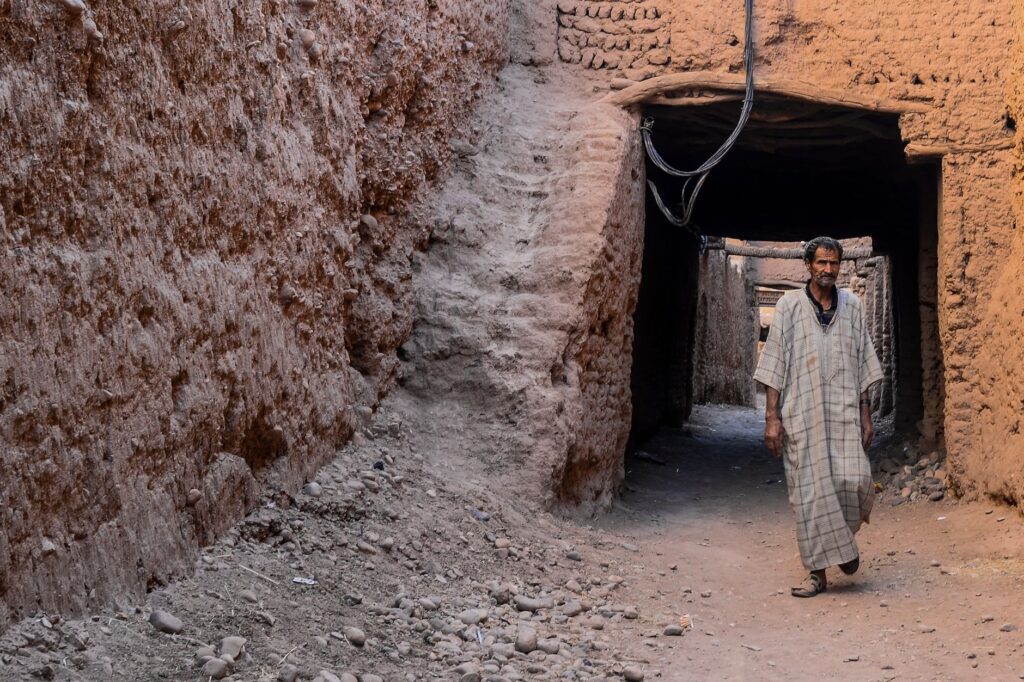
The impact of transport on the region’s architectural heritage is direct and constant. The historical cities, especially Shibam, famous for its mudbrick skyscrapers exceeding thirty meters in height, were designed for pedestrian and animal-traction urbanism. The introduction of heavy motor vehicles into the access points of these walled enclosures has generated significant structural tensions.
Vibrations caused by heavy cargo trucks threaten the clay and straw foundations of centuries-old buildings. For this reason, local authorities and community councils have implemented strict restrictions on motor traffic within historical centers, forcing the transshipment of goods to handcarts or small mechanical carts at outer perimeters. This decentralized traffic management demonstrates a keen awareness of the fragility of the built environment against the demands of modern logistics.
Gravel Track Maintenance and Community Resilience
In the absence of centralized state budgets for infrastructure maintenance, the upkeep of roads and tracks connecting secondary villages in Hadhramaut falls almost exclusively on community initiatives and funds contributed by the region’s commercial diaspora.
Small crews of local workers use rented machinery—primarily graders and dump trucks—to clear sand accumulated by seasonal winds and repair potholes left by water floods. This model of participatory transport management ensures secondary arteries remain open, preventing the absolute isolation of tributary valleys where tobacco, cereals, and date palms supporting local food sovereignty are cultivated.
Regional Markets as Logistical Nodes
The traditional souks of Seiyun and Tarim are not mere spaces for commercial exchange, but the focal points where valley transport routes converge. There, goods arriving from the coast are unloaded and redistributed to the most remote villages through a complex network of local intermediaries and transporters.
The synchronization of these markets with the arrival times of truck caravans determines Hadhramaut’s economic rhythm. The scarcity of spare parts for vehicles, aggravated by logistical restrictions and the geopolitical tensions of the past decade, forces local repair shops to develop extraordinary inventiveness, fixing components through artisanal welding and reusing scrap parts to keep the mobile fleet running.
In a territory where global supply chains vanish into the horizon, economic survival depends entirely on mechanical inventiveness and the cohesion of communal transport networks.
Practical guide
Planning a trip or field research in Wadi Hadhramaut requires extreme rigor regarding safety, logistics, and compliance with current local regulations.
Access Requirements and Visas
Entry into the Yemeni region is subject to strict governmental and diplomatic restrictions. It is mandatory to process official visas through authorized consular channels months in advance and possess invitation letters issued by accredited local institutions.

Recommended Transport and Vehicles
Conventional passenger cars are ruled out. It is imperative to hire four-wheel-drive (4×4) vehicles in good mechanical condition, preferably equipped with dual fuel tanks, additional spare tires, and satellite communication systems, as mobile network coverage is intermittent or nonexistent outside major urban centers.
Security and Circulation Permits
Road travel between Seiyun, Tarim, and Shibam requires prior acquisition of safe-conduct passes and authorizations issued by local security authorities. Traveling in escorted convoys is strongly recommended, avoiding nighttime journeys across gravel tracks and mountain passes.
Supplies and Health
There is no Western medical infrastructure in rural areas; travelers must carry an advanced medical kit and sufficient reserves of bottled water and non-perishable food. Daytime temperatures on the valley floor regularly exceed forty degrees Celsius for much of the year, making meticulous hydration planning essential.
Epilogue: Light on the Adobe and the Silence of the Engine
When the sun sets over Wadi Hadhramaut, the deep ochres of the limestone cliffs and the clay of historical buildings merge into a silent gloom that seems to erase centuries of human fatigue. At that moment, the distant roar of a tanker truck laboriously climbing the hairpin turns of the naqb echoes as the metallic heartbeat of a system refusing to stop. Connectivity in this corner of southern Arabia is not a triumph of cutting-edge technology, but the result of ancestral tenacity sustained by human hands, adapted engines, and a deep understanding of geography. Between desert dust and the unwavering dignity of its mudbrick towers, Hadhramaut continues to write, journey by journey, its lesson of resilience upon the earth.