
The Amphibious Geography of the Serenissima
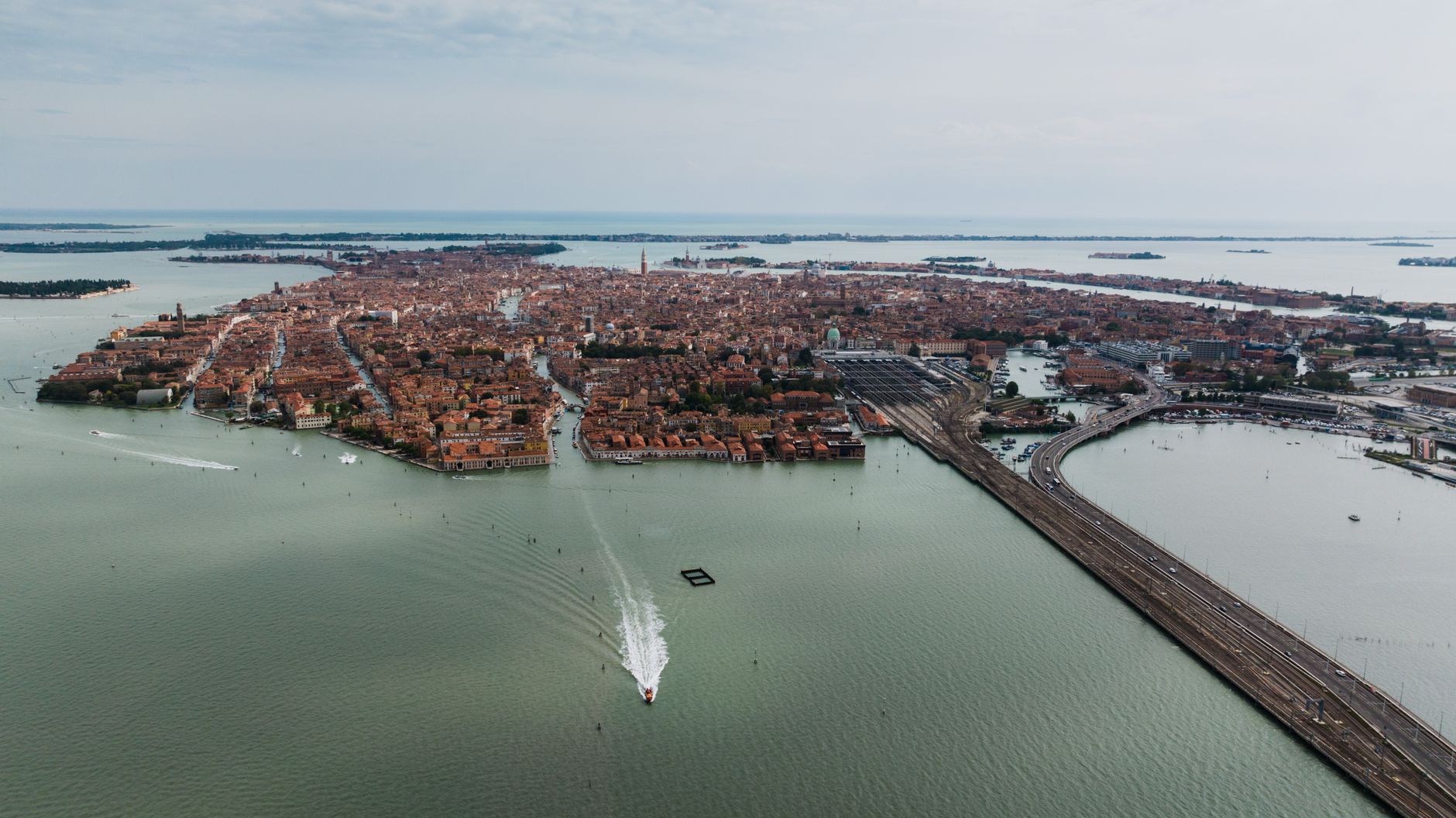
Living and moving around Venice resembles no other urban experience on Earth. Here, asphalt does not exist, and sidewalks are invariably made of cold stone resting on thousands of wooden piles that have defied brackish water for over a millennium. The lagoon’s transport system is neither a mere tourist attraction nor an ornamental whim; it is the vital umbilical cord enabling the survival of a community struggling against depopulation, mass tourism, and the relentless rise of sea levels. Understanding how residents, goods, and visitors move requires delving into a network of canals and stops where every minute counts and punctuality is dictated by the rhythm of the tide.
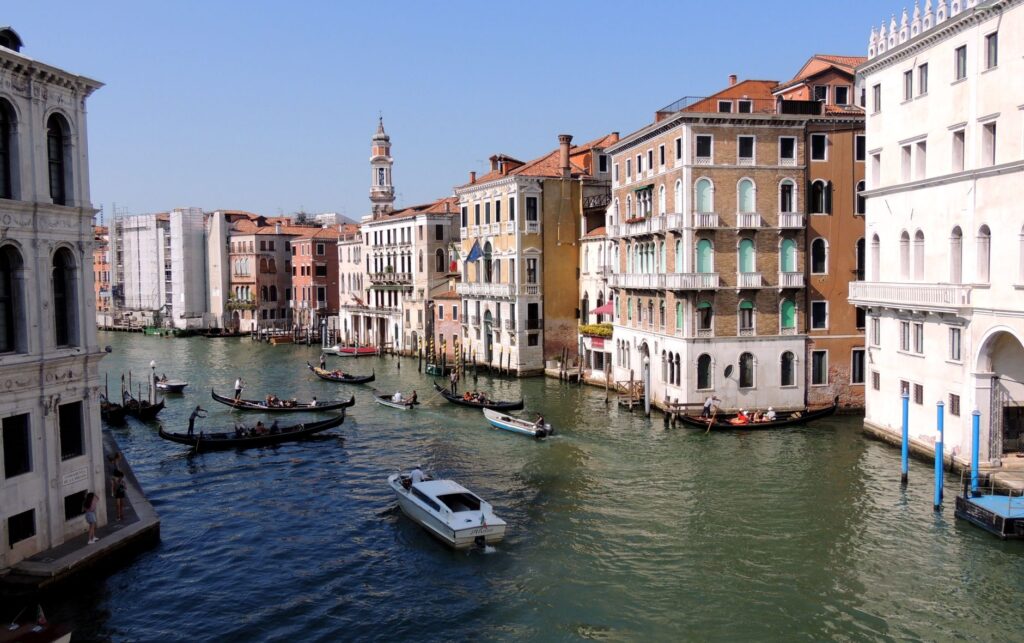
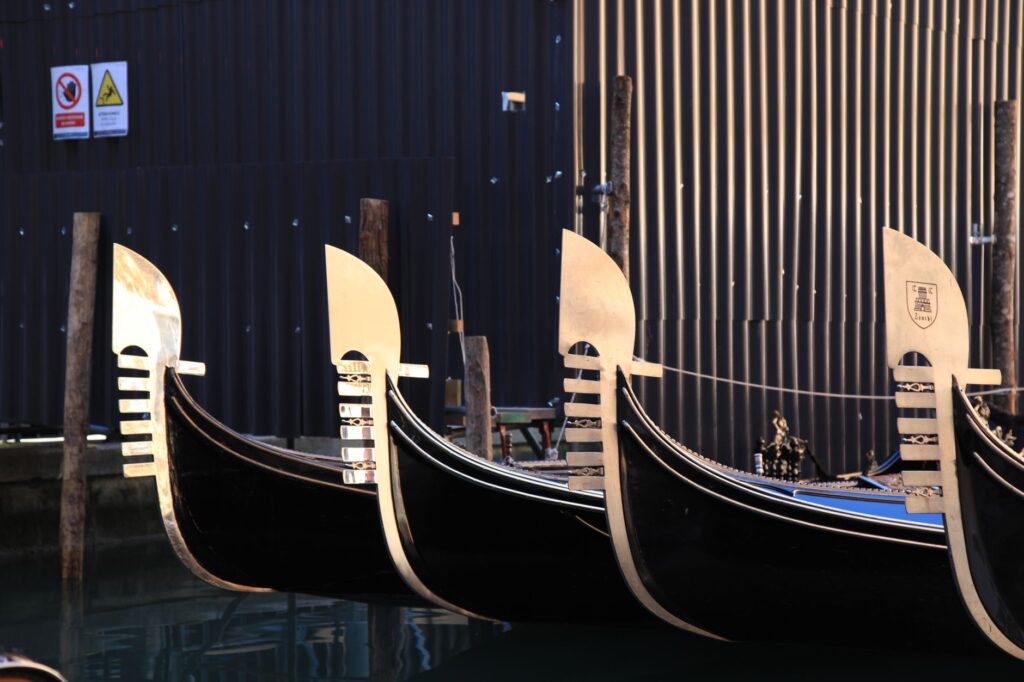
The heart of this aquatic mobility beats along the Grand Canal, that great inverted-S-shaped artery dividing the historic center into two halves. Unlike major terrestrial metropolises where buses and subways run on segregated tracks, traffic in Venice overlaps on a single liquid plane. Traditional rowing gondolas, high-end private water taxis, cargo boats for food distribution, and ubiquitous vaporetti coexist in a fragile daily balance. This fluvial congestion forces local operators to manage space with surgical precision, where navigation errors result in minor collisions and cascading delays affecting the entire network.
The Engine of the Lagoon: The Vaporetto Fleet
The backbone of Venetian public transport consists of vaporetti, vessels operated by the municipal company ACTV. These craft, recognizable by their sturdy hulls and glass cabins, operate like urban buses in any other major European city, yet face the distinct nautical challenges of a shallow lagoon. Main routes, such as the iconic Line 1 traversing the entire Grand Canal and stopping at every historic palazzo, operate from dawn until the early hours of the morning, adapting to the shifting flows of residents and travelers navigating the watery labyrinth.

Nevertheless, maintaining this fleet represents a colossal logistical challenge. Constant marine corrosion, engine wear, and the necessity to reduce pollutant emissions in such a fragile ecosystem have forced the gradual introduction of hybrid and electric units. The energy transition across the lagoon advances slowly due to high investment costs and a scarcity of specialized shipyards capable of handling public fluvial transport vessels. Compounding this is the challenge of wave action: the displacement of vaporetti at inappropriate speeds generates an erosive phenomenon known as moto ondoso, which strikes the foundations of historic buildings and accelerates the deterioration of Venice’s architectural heritage.
Circular Routes and Connections to Outlying Islands
Beyond the historic center, the lagoon transport network deploys a complex web of lines connecting Venice to inhabited peripheral islands such as Murano, Burano, Torcello, and the Lido. These long-distance routes demand exhaustive knowledge of local bathymetry, as much of the lagoon consists of barene (tidal wetlands) and shallow navigable channels, known as canali, which require periodic dredging to prevent groundings. Circular lines, such as 4.1 and 4.2, act as logistical containment walls ensuring that students, workers, and merchants can commute from insular outposts to the administrative center without collapsing the system.
Heavy freight transport and municipal solid waste collection operate under a completely different logic. Garbage trucks do not exist in Venice; instead, specialized barges equipped with hydraulic cranes navigate the canals on strict schedules to remove waste door-to-door. This decentralized logistical model requires millimeter-level synchronization between municipal operators and local shopkeepers, who must adapt their loading and unloading schedules to fluctuations in high tides, popularly known as acqua alta, a phenomenon partially mitigated in recent years by the MOSE mobile flood barrier system.

Dock Infrastructure and Universal Accessibility
Vaporetto stops, locally termed pontili, are floating structures anchored along the canals that rise and fall synchronously with the tide level. Although this ingenious design allows passengers to board without insurmountable height differences, it also creates significant bottlenecks during peak hours. Modernizing these pontoons has been a priority for mobility authorities, incorporating wheelchair-accessible ramps and electronic real-time information systems announcing the arrival of upcoming vessels.
Despite these advancements, universal accessibility in Venice continues to face monumental physical barriers. Overcoming the four hundred-plus bridges crossing secondary canals involves, in the vast majority of cases, climbing and descending stone steps devoid of mechanical ramps due to strict heritage protection regulations. For individuals with reduced mobility, parents with strollers, or travelers burdened with bulky luggage, planning an urban route requires tracing an alternative itinerary that exclusively prioritizes accessible vaporetto lines and avoids walking paths crossing the highest bridges of the urban fabric.
The Economics of the Ticket: Fares and Mass Tourism Impact
The financial model sustaining public transport in Venice is under extreme pressure due to the city’s demographic imbalance. With a resident population barely exceeding fifty thousand in the historic center against millions of annual visitors, the system must balance affordability for locals with monetizing tourist pressure. The Venezia Unica rechargeable card and temporary visitor passes serve as the operating company’s primary revenue source, funding deficit-ridden routes connecting smaller islands.
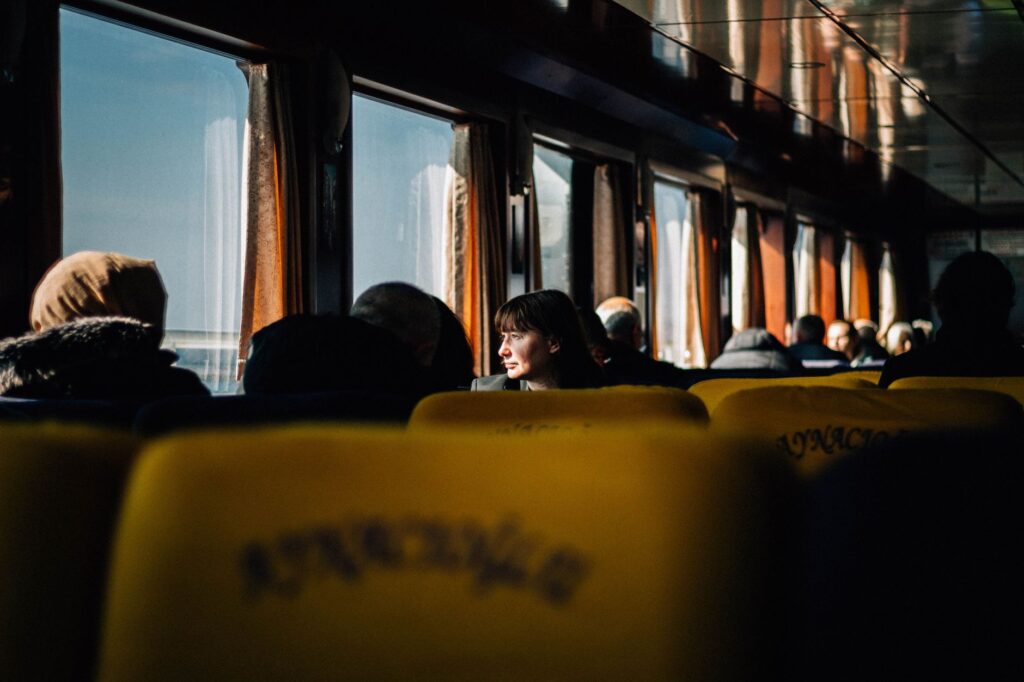
In recent years, authorities have implemented flow-control measures, such as turnstiles at high-traffic stops and differential pricing during periods of peak occupancy. These policies aim to discourage single-day tourism and protect the schedules of commuter workers, who are frequently displaced from vaporetti by passenger congestion laden with luggage. Nonetheless, the equilibrium remains precarious, and any alteration in fares or frequencies sparks intense debate among residents and municipal managers.
The Pulse of the Dock: Everyday Stories on the Water
As the sun begins to dissipate the morning mist over the San Marcos basin, the Zattere pier fills with a muffled murmur of hurried footsteps, idling diesel engines, and the characteristic splash of water against wooden piles. Here, at the exact border between the historic city and the open expanse of the lagoon, human routines acquire a singular cadence defying the vertigo of globalized modernity. Marco, a Line 2 machinist with over twenty years of experience on the canals, adjusts his sailor’s cap while carefully observing the wake left by the carabinieri patrol boats.
Water forgives no distraction; every canal holds its memory, its hidden currents, and its own unwritten rules that no navigation manual can fully teach.
Beside him, a neighborhood resident from Dorsoduro holds a shopping basket filled with Sant’Erasmo artichokes, chatting animatedly with the ticket collector about expected midday tide levels. This everyday scene, far removed from mass commercial circuits, reveals the true heartbeat of Venice: a community persisting inhabiting a geographically hostile environment thanks to a transport system as fragile as it is ingenious, where every vaporetto ride is an act of cultural resistance against the wear of time and unchecked tourism.
Practical guide
How to get there: Primary access to the metropolitan area is via Marco Polo Airport (VCE), connected to Piazzale Roma by direct buses (ACTV and ATVO) and to the lagoon pier via Alilaguna water services. Train travelers arrive at Santa Lucia Station, located directly on the Grand Canal with a vaporetto dock right at its doorstep.
Fare system and ticketing: A single vaporetto ticket is valid for 75 minutes and permits transfers in the same direction. For extended stays, 24-, 48-, or 72-hour tourist passes prove cost-effective. Validating contactless tickets at electronic gates prior to accessing floating pontoons is strictly mandatory to avoid severe financial penalties.
Accessibility and luggage: Large suitcases are permitted aboard vaporetti, but their transport may incur a surcharge if they exceed standard dimensions established by ACTV. Consulting accessible route maps is recommended to avoid stations lacking ramps or experiencing high passenger density.
Local transport etiquette: Boarding with bicycles is prohibited, except on specific routes toward the Lido under limited conditions. Additionally, backpacks must be removed from shoulders and placed at feet during crowded journeys to optimize interior space in fluvial cabins.
Aquatic Epilogue: The Silence of the Low Tide
When night falls and the bustle of daytime visitors fades into labyrinthine alleys, Venice briefly recovers its ancient amphibious dignity. Vaporetti continue cruising the darkness with navigation lights flickering over dark water, casting golden glimmers against the secular walls of uninhabited palazzos. In that nocturnal silence, interrupted only by the dull rumble of engines and the soft rhythm of the receding tide toward the Adriatic, the true essence of this floating territory becomes visible. It is not a museum city frozen in the past, but a living organism sustained by the seamanship of those who hold the helm in the twilight, reminding every traveler that the beauty of this place lies as much in its apparent fragility as in the stubborn will to keep floating upon the water.