
The Tectonic Genesis of a Drowned Labyrinth
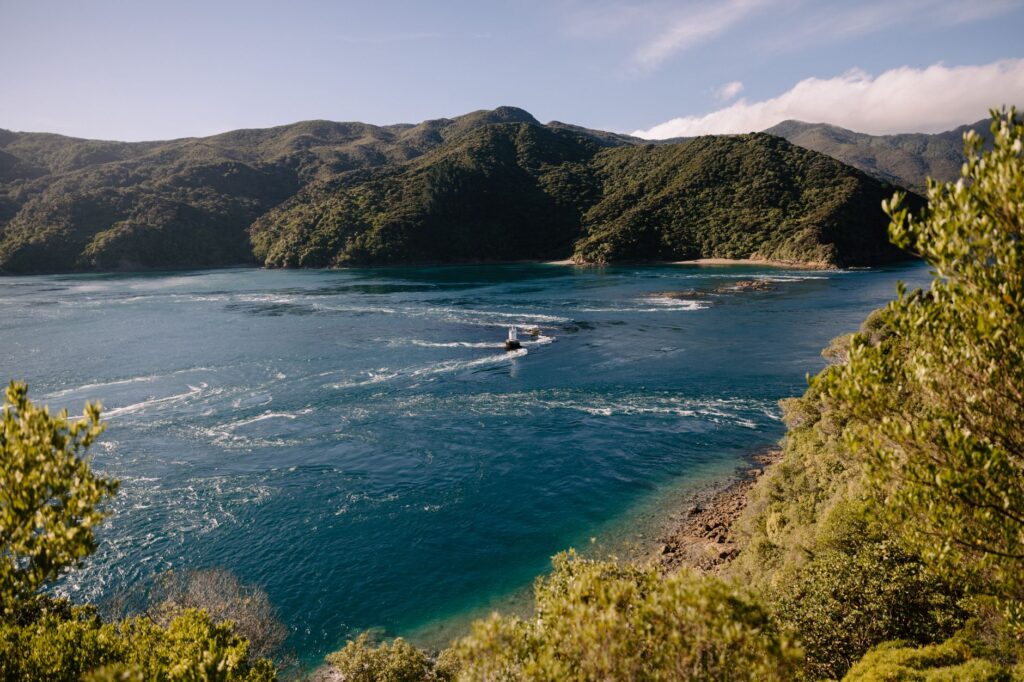
The northern territory of New Zealand’s South Island is defined not by alpine mountain ranges or grassy plains, but by a violent geological fracture where the land has patiently subsided beneath the waters of the Pacific Ocean. The Marlborough fjords, locally known as the Marlborough Sounds, represent a complex system of river valleys drowned over millennia by tectonic fault displacement and the subsequent rise in sea levels. Far from the imposing verticality of Norwegian fjords, this landscape unfolds as an infinite network of native-forest-covered hills plunging down impossible slopes to merge with deep green waters.
The geography of the region acts as a natural sanctuary against the fury of the Tasman Sea and Cook Strait. The tides, though regular, encounter a geometric resistance in this labyrinth of narrow channels—such as Queen Charlotte, Pelorus, and Kenepuru—that calms the outer swell. This condition of ancient shelter has transformed the region into a living laboratory where human intervention has had to subordinate itself to the strict rhythms of tide and topography. Here, the only true access route for decades has been the wake left by coastal vessels winding between wooded headlands and uninhabited peninsulas.
Understanding the essence of Marlborough requires abandoning terrestrial haste and embracing the maritime scale of travel. Automobile roads are scarce, winding, and frequently interrupted by unstable cliffs. Therefore, journeys aboard local service vessels and passenger ferries constitute the only rigorous approach to the territory. Each inlet reveals a stratum of geological and human history, from the ancient settlements of the iwi Kurahaupō Māori culture to modern scientific stations tasked with monitoring the health of the region’s benthic ecosystems.
The Floating Architecture of Green-Lipped Mussel Farms
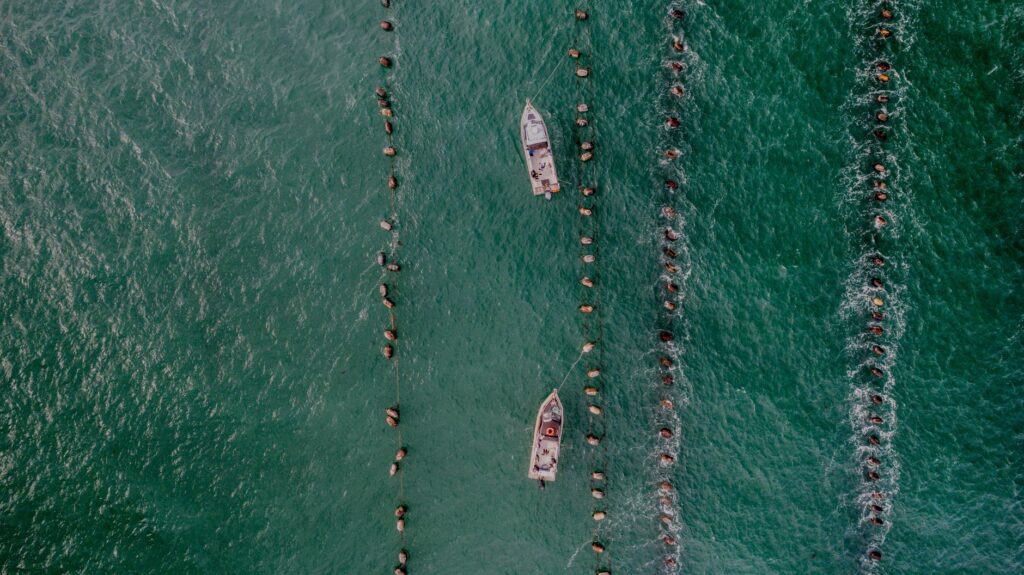
Beneath the calm surface of the channels unfolds one of the most precise and regulated aquaculture industries on the planet: the farming of the green-lipped mussel (Perna canaliculus). Endemic to New Zealand waters, this bivalve mollusk finds its perfect habitat in the Marlborough Sounds due to the confluence of currents rich in phytoplankton and the absolute purity of freshwater runoff descending from surrounding peaks. The cultivation structures, formed by lines of buoys and vertically suspended ropes in the water, create a floating geometry that visually redefines the bays.
Unlike industrial bottom trawling, miticulture in Marlborough operates under strict ecological sustainability criteria. The farms require no artificial feed; the mussels filter and nourish themselves exclusively on the natural nutrients transported by the tides. Local operators, many rooted in the area for three generations, manage marine concessions with almost surgical precision. Each cultivation line is monitored to prevent saturation of the seabed, ensuring organic waste integrates in a balanced way into the local trophic chain.
Harvesting these mollusks requires absolute synchronization with tides and weather conditions. Specialized barges equipped with low-noise hydraulic cranes operate in the early morning hours to minimize stress on surrounding bird life, including the spotted shag and Australasian crested grebe. This model of economic exploitation demonstrates that harmonious coexistence between intensive productive activity and the conservation of pristine marine habitats is entirely possible, making the green-lipped mussel the true economic and cultural emblem of the sounds.
Inshore Navigation and the Pulse of Insular Transport
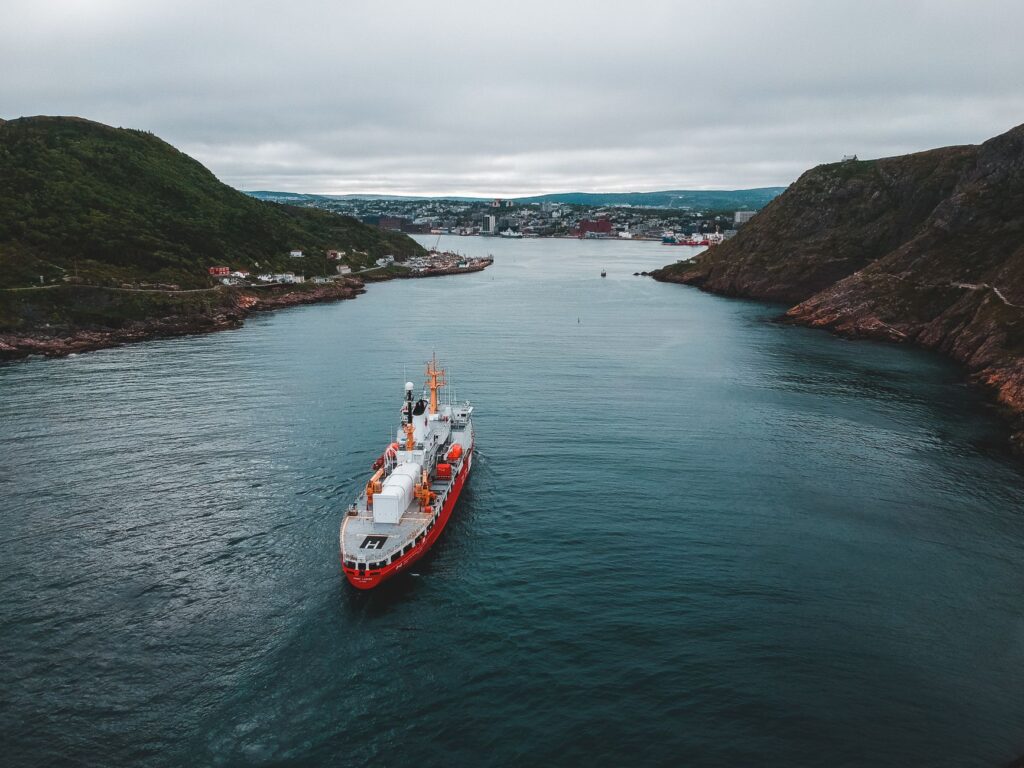
In a territory where the coastline exceeds fifteen hundred kilometers but paved roads barely graze the periphery, inshore navigation forms the backbone of daily life. Mail ferries, water taxis, and coastal cargo boats are not mere tourist attractions, but essential services supplying isolated communities, rural schools, and remote lodges disconnected from the continental power grid. This heterogeneous fleet daily plies the waters of Queen Charlotte Sound, transporting everything from mail to heavy construction materials.
The crews of these vessels accumulate irreplaceable empirical knowledge about local currents, shifting sandbanks, and sudden wind shifts descending from lateral valleys. Captains like James Miller, with over thirty years of experience on the routes between Picton and Ship Cove, recall how GPS technology has transformed navigation, yet insist that seagoing instinct remains the decisive factor against the morning fog that frequently blinds the narrowest channels.
The precision of navigation in the Marlborough Sounds does not lie in speed, but in the ability to read water shadows and seabird behavior in the face of changing atmospheric pressure.
Maritime transport in the area also plays a crucial environmental management role. Commercial and tourist vessels operate under reduced speed regulations in ecologically sensitive zones to prevent shoreline erosion caused by artificial wakes. This measure protects waterfowl nesting sites and delicate cold-water sponge and coral reefs growing on submarine slopes, ensuring that passenger and cargo traffic does not compromise the fragile balance of the fjords.
The Historic Queen Charlotte Corridor and the Māori Footprint
The waters and slopes of Queen Charlotte Sound not only witness rich biodiversity, but condense centuries of maritime history and transoceanic exploration. For the Māori people, this territory is a sacred space known as Tōtaranui, a name evoking ancient forests of totara trees whose wood was used to build war canoes (waka taua) and communal dwellings. Submarine and terrestrial archaeological sites testify to an uninterrupted human occupation spanning over eight hundred years, based on the sustainable management of forest and marine resources.
Centuries later, these same inlets served as preferred anchorages for British expeditions led by Captain James Cook aboard the HMS Endeavour. Cook used Ship Cove as a fundamental logistical base during his three voyages to the Pacific, highlighting in his journals the abundance of fresh water, timber for naval repairs, and the relative hospitality of local tribes. Today, the long-distance walking trail known as the Queen Charlotte Track traverses the mountain ridges separating the channels, connecting historical milestones with natural viewpoints of dazzling beauty.
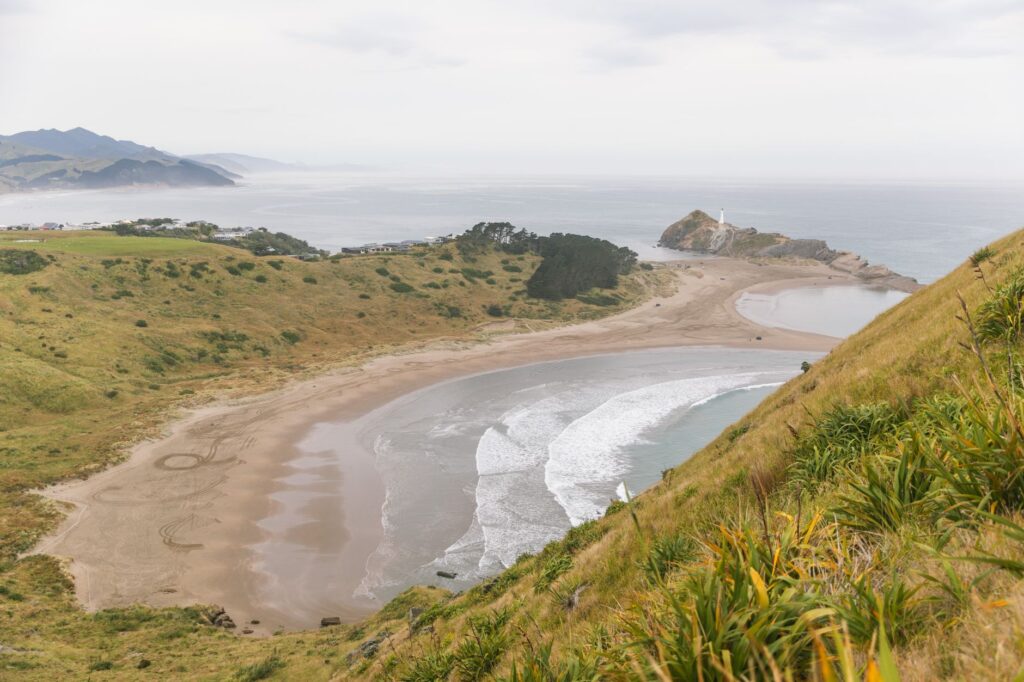
Walking this trail or exploring it by kayak reveals the historical depth of the landscape. At every step, Māori toponymy recounts myths of origin and ancestral battles, intertwining with the names of European ships that first mapped these marine abysses. The conservation of this cultural heritage is jointly managed between New Zealand’s Department of Conservation and local tribes (iwi), ensuring that historical memory remains intact against the push of global tourism.
The Science of Silence and Benthic Biodiversity
The silence characterizing the Marlborough fjords is not merely an absence of human noise, but an ecological indicator of the aquatic environment’s environmental stability. Researchers from the National Institute of Water and Atmospheric Research (NIWA) have shown that reducing underwater acoustic pollution in these enclosed bays supports the communication and mating of sensitive marine species, such as smaller cetaceans and various demersal fish families inhabiting rocky bottoms.
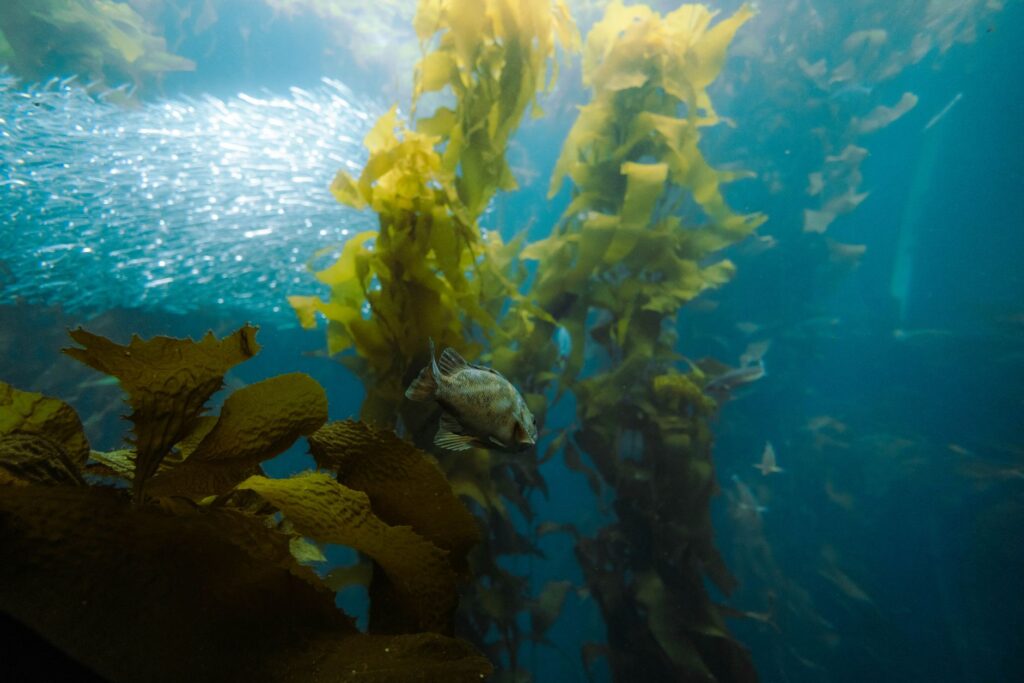
In depths where sunlight barely penetrates, submarine canyons harbor benthic communities of extraordinary richness. Giant sponges, sea fans, and bull kelp forests (Durvillaea antarctica) act as natural carbon sinks and breeding grounds for numerous commercial and sport fish species. Protecting these enclaves has become a scientific priority, with marine protected areas implemented where commercial fishing is strictly prohibited to allow fish stock regeneration.
The study of sediment in fjord bottoms also offers a millennial climate archive, allowing scientists to reconstruct precipitation patterns and seismic events occurring in the region over the past ten thousand years.
This symbiosis between science and conservation turns Marlborough into a global benchmark for managing enclosed coastal ecosystems. Visitors venturing into the channels aboard electric or low-impact vessels are instructed in biosecurity protocols to prevent introducing invasive species that could alter the delicate chemistry and biological balance of these protected waters.
Practical guide
Planning a rigorous journey to the Marlborough fjords requires understanding the logistical particularities of a predominantly maritime territory. The main gateway is the town of Picton, located at the head of Queen Charlotte Sound, accessible via regular inter-island ferry services connecting the North Island (Wellington) with the South Island, or via the state highway network from Nelson and Blenheim.
- Maritime Transport: Movement between inlets is handled by Beachcomber Cruises mail ferries or Cougar Line water taxis, operating daily passenger and luggage routes to Ship Cove and remote lodges.
- Sustainable Accommodation: It is recommended to stay in establishments integrated into the natural environment, such as Portage eco-lodges or Furneaux Lodge, which apply strict waste management and renewable energy policies.
- Hiking and Navigation: The Queen Charlotte Track requires prior acquisition of a land access permit managed by the Department of Conservation (DOC). For kayak rentals, hiring certified operators with licensed local guides is essential.
- Recommended Season: The southern summer months (December to March) offer the most stable weather conditions, though the shoulder season (April to May) stands out for lower tourist congestion and wind stability.
- Environmental Regulations: Throwing any waste into the water is strictly prohibited, and washing and spore-checking footwear and kayak equipment before accessing land trails is required to prevent the spread of kauri pathogen and invasive algae.
Emotional Epilogue on the Shores of Ship Cove
As evening falls, when the last sun rays retreat from the forested peaks surrounding Ship Cove (Meretoto), the bay’s water acquires a dark mirror texture, reflecting the absolute silence of the surrounding world. Sitting on weathered salt-sprayed wooden jetties allows one to tune into a temporal dimension where modern urgency completely vanishes. Here, the whisper of wind through giant fern fronds and the slight splash of mussels closing their valves remind travelers that corners of the planet still exist where nature retains untouched sovereignty. The Marlborough fjords offer no shrill spectacles or commercial artifices; they offer something infinitely more valuable: the chance to hear the deep breathing of earth and sea in perfect harmony.