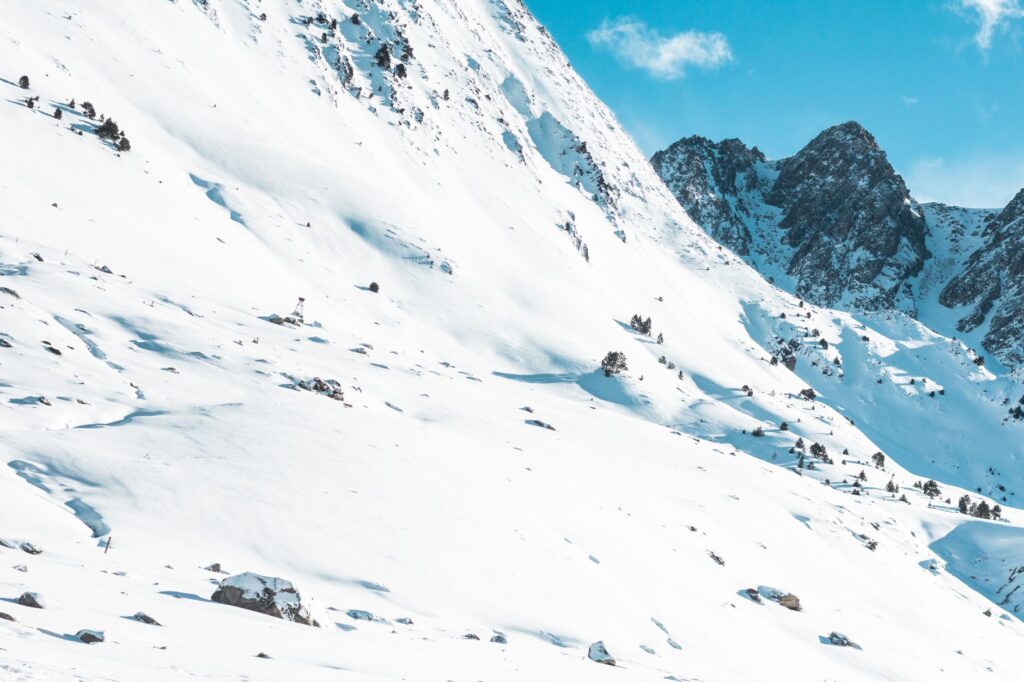
In the heart of the Pyrenees, where granite ridges exceed two thousand meters in altitude and the border between the Principality of Andorra, Catalonia, and France blurs amid mists and steep cliffs, the concept of well-being acquires a unique geological dimension. Far from urban bustle and conventional mass tourism circuits, the Andorran valleys preserve a vital rhythm dictated by stone, groundwater, and the silence of high peaks. This mountain microclimate offers not only an aesthetic sanctuary but also a natural laboratory where modern hydrotherapy intertwines with an ancient tradition of harnessing geothermal resources.
The history of Andorra is inextricably linked to the warm water welling up from its bowels. Unlike other European thermal centers where springs emerge in river plains, Andorran thermalism originates from deep tectonic fractures. Rainwater and snowmelt slowly filter through permeable rock, descending over a thousand meters deep, where it naturally heats due to the geothermal gradient before ascending laden with essential minerals such as sulfur, sodium, and thermal plankton. This process, which can take decades to complete, endows the springs of Escaldes-Engordany with unparalleled therapeutic properties already harnessed in Roman times.
The Geology of Heat: Springs and Tectonic Fractures
To understand the uniqueness of well-being in this Pyrenean territory, one must examine the lithological structure of the subsoil. The Principality rests on the Paleozoic basement of the Pyrenean chain, dominated by slates, granites, and schists. These rock formations act as a gigantic filtering matrix. The mineral-medicinal waters of Escaldes reach temperatures of up to 68 degrees Celsius at the surface, ranking among the hottest in the Pyrenees. This exceptional temperature allows their direct use in hydrotherapy treatments without the need for complex artificial heating systems, reducing the carbon footprint of the wellness centers.
Chemical analysis of these fluids reveals high concentrations of sulfides and fluorides, elements that stimulate the immune system and promote deep muscular relaxation. Thermal medicine specialists note that immersion in these waters generates peripheral vasodilation that optimizes tissue oxygenation, a process especially effective in counteracting chronic stress and musculoskeletal ailments. Unlike chemically treated fresh water pools, Andorra’s living water maintains a slightly alkaline pH that respects the skin barrier, allowing prolonged immersion sessions without dermal irritation.
High-altitude thermalism is not a contemporary luxury, but the recovery of an ancestral dialogue between the human body and the extreme geology of the Pyrenean valleys.
Vernacular Architecture: Dry Stone and the Soul’s Refuge
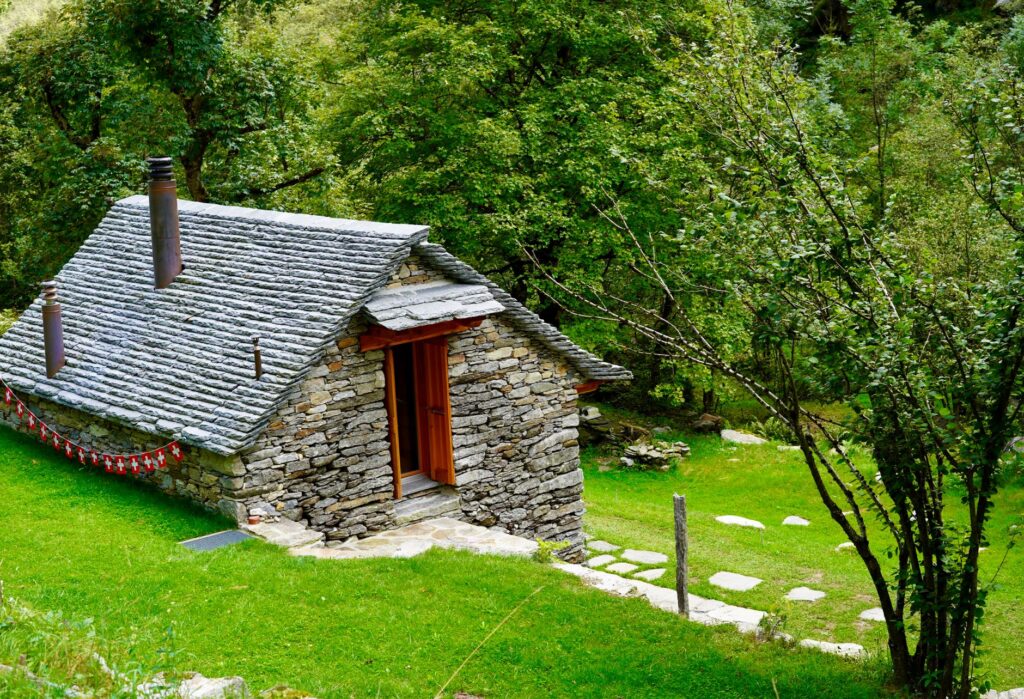
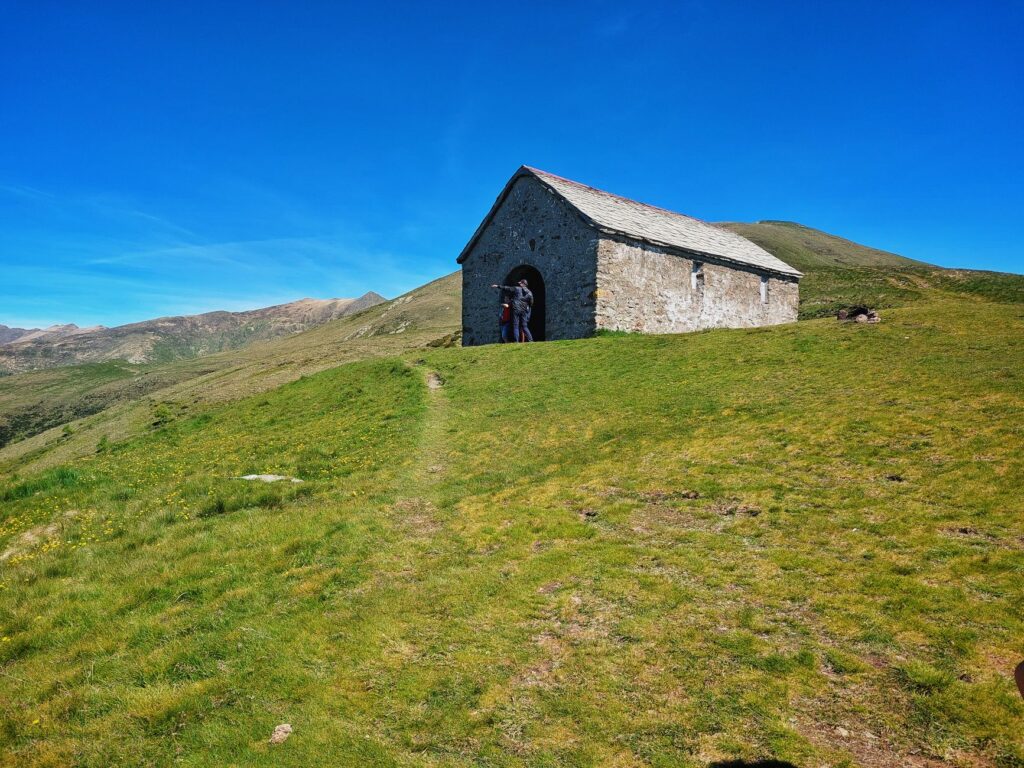
The experience of well-being in Andorra is not confined to the interior space of pools or treatment cabins; it extends to the architectural landscape accompanying the visitor on every journey. Traditional bordas, constructed with schist dry-stone masonry and grey slate tile roofs, represent a masterful exercise in vernacular bioclimatic architecture. These buildings, originally designed to shelter livestock and grain during harsh winters, have been repurposed with strict sustainability criteria into charming small hotels and holistic retreat centers.
The use of local materials minimizes environmental impact and ensures perfect visual integration with forested slopes of black pine and silver fir. Dry stone, a construction technique declared intangible cultural heritage by UNESCO, passively regulates the interior temperature of buildings, maintaining optimal thermal inertia during both cool summer nights and severe frost months. In these spaces, digital disconnection occurs organically, favored by the terrain’s own topography and the absence of urban screens distracting attention from the solar cycle.
The Forest as Therapy: The Medicine of Pyrenean Shinrin-Yoku
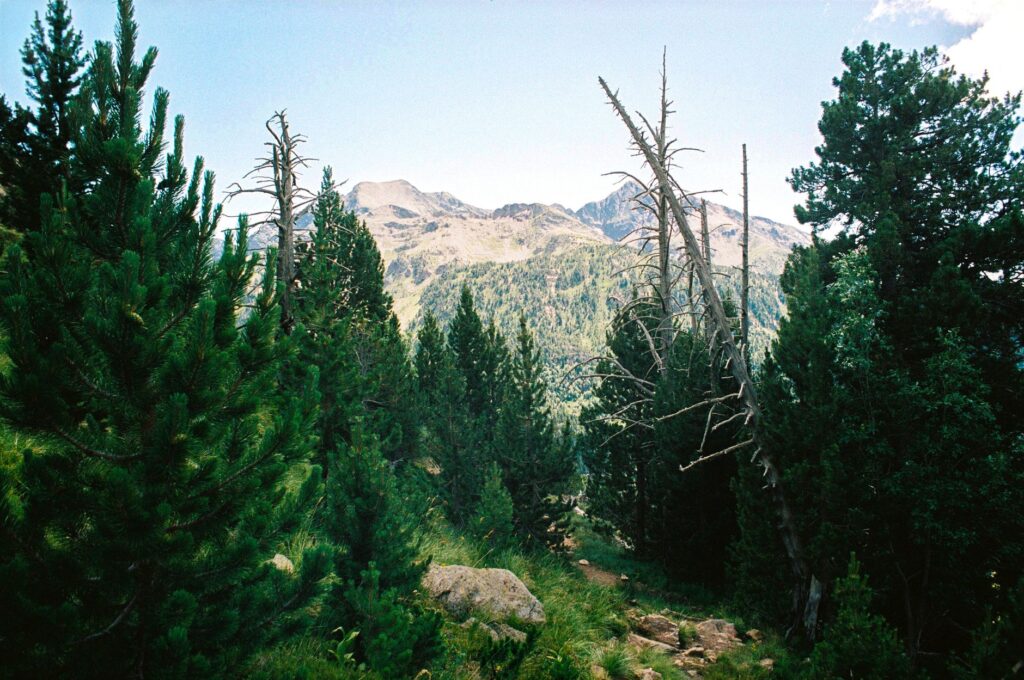
Alongside aquatic thermalism, Andorran forests exert an essential therapeutic function through the practice of forest bathing, or *shinrin-yoku*, adapted to high-altitude botany. The trails winding through the Madriu-Perafita-Claror Valley—declared a UNESCO World Heritage Site—are flanked by forest masses abundant in Scots pine and silver fir. Inhaling phytoncides, volatile organic compounds emitted by these conifers, drastically reduces blood cortisol levels and stabilizes blood pressure.
Local guides specializing in forest medicine point out that the relative low atmospheric pressure at these altitudes stimulates red blood cell production, improving aerobic capacity and providing an immediate sense of physical lightness. Walking in silence over a carpet of pine needles and moss, listening to the murmur of glacial torrents descending toward the Valira River, constitutes an exercise in mindfulness deeply rooted in the topographies of the place. Here, nature acts as a silent therapist that deactivates the permanent state of alert characteristic of contemporary urban life.
High-Altitude Gastronomy: Mindful Nutrition and Zero-Kilometer Produce
Integral wellness in the Andorran valleys is completed at the table, where gastronomy recovers the essence of subsistence cooking adapted to healthy haute cuisine standards. Valley restaurants prioritize the consumption of certified local products: from Andorran beef with Protected Geographical Indication to artisanal goat and sheep milk cheeses crafted in small high-altitude workshops. Traditional valley-bottom gardens provide organic vegetables that withstand harsh climatic conditions thanks to daily thermal amplitudes.

This mountain cuisine, rich in high-quality protein, healthy fats, and complex carbohydrates from ancient grains, provides the necessary energy for hiking routes or long thermotherapy sessions. Local chefs collaborate closely with nutritionists to design detoxifying menus that eliminate refined sugars and ultra-processed foods, favoring concentrated bone broths, aromatic herbs harvested in alpine meadows, and natural ferments that enhance gut microbiota.
Sustainability and Water Management in the Principality
Andorra’s tourism development model has undergone a profound transformation over the past decade, pivoting toward deseasonalization and strict protection of its natural resources. Thermal water management is governed by pioneering circular economy protocols in Europe. The flow used in large spa facilities is not directly discharged into the river; instead, it passes through complex heat recovery and ecological filtering systems, being reused for municipal infrastructure heating and the irrigation of protected green areas.
Additionally, mobility within the valleys relies on a network of funiculars, cable cars, and electric buses that drastically reduce the presence of private vehicles on mountain roads during peak visitor seasons. This commitment to soft mobility ensures valley air maintains optimal levels of purity, allowing the wellness experience to begin the moment the traveler breathes deeply in the open air.
The true sophistication of wellness tourism in the Pyrenees lies in its capacity to protect the fragile balance of its ecosystem while offering visitors a genuine space for personal regeneration.
Practical guide
How to get there: Andorra does not have its own commercial airport. Main access is by road from the international airports of Barcelona-El Prat (approx. 200 kilometers away) and Toulouse-Blagnac (approx. 195 kilometers away). Regular express bus services connect both airport terminals directly to downtown Andorra la Vella and Escaldes-Engordany multiple times daily.
When to go: The optimal season for combining thermalism with wellness hiking spans from late spring (June) to early autumn (October), when mountain passes are clear of snow and forests display their peak chromatic splendor. Winter months (December to March) are ideal for thermalism contrasted with snow, though they require greater caution in road driving.
Where to stay: Overnight stays are recommended in small boutique hotels located in restored bordas in mid-mountain villages like La Massana or Ordino, or alternatively in wellness-specialized establishments in Escaldes-Engordany with direct access to private thermal springs.
Health tips and equipment: Technical mountain footwear with gripping soles, layered clothing (alpine weather changes rapidly), swimwear for thermal centers, and a reusable bottle for constant hydration with pure water from the Principality’s public fountains are essential.
The Final Refuge of the Peaks
When evening begins to fall across the Andorran valleys and the shadows of granite peaks cast themselves over slate roofs, time seems to suspend in a holding pattern. It is the moment when the vapor of thermal springs merges with the cool breeze descending from extinct glaciers, creating an atmosphere of absolute introspection. Sitting on the stone terrace of a secular borda, wrapped in virgin wool blanket while contemplating the solemn silence of summits illuminated by the final rays of sunlight, represents the culmination of a journey transcending conventional leisure. Here, where earth and sky draw close, the body recovers its natural rhythm and the mind finds, at last, the peace that only great mountains grant to those who approach them with respect and sensitivity.