
Beyond Sun and Sand: The Grand Table of the Mexican Caribbean
The Mexican Caribbean has crossed a symbolic and indisputable threshold by surpassing the mark of ten million annual visitors. However, reducing this statistical phenomenon to a simple hotel occupancy figure would mean overlooking the most profound and delicious transformation the region is currently experiencing: the birth of a world-class gastronomic destination. Far from standardized buffets and tourist fast food, a new generation of chefs, local producers, and guardians of the milpa is redefining the act of dining in the tropics. Quintana Roo is no longer just a place to rest beneath the palm trees; it is a territory where every dish tells an ancient story.
This culinary evolution responds to an urgent need for authenticity within a mass tourism hub. Contemporary travelers seek to connect with local culture through their palates, demanding transparency, sustainability, and respect for native ingredients. The tourism boom, far from diluting regional gastronomic identity, has acted as an economic catalyst enabling independent restaurants to experiment, recover ancestral techniques, and elevate local produce to the category of edible art.
The Geopolitics of Flavor: From Reef to Table
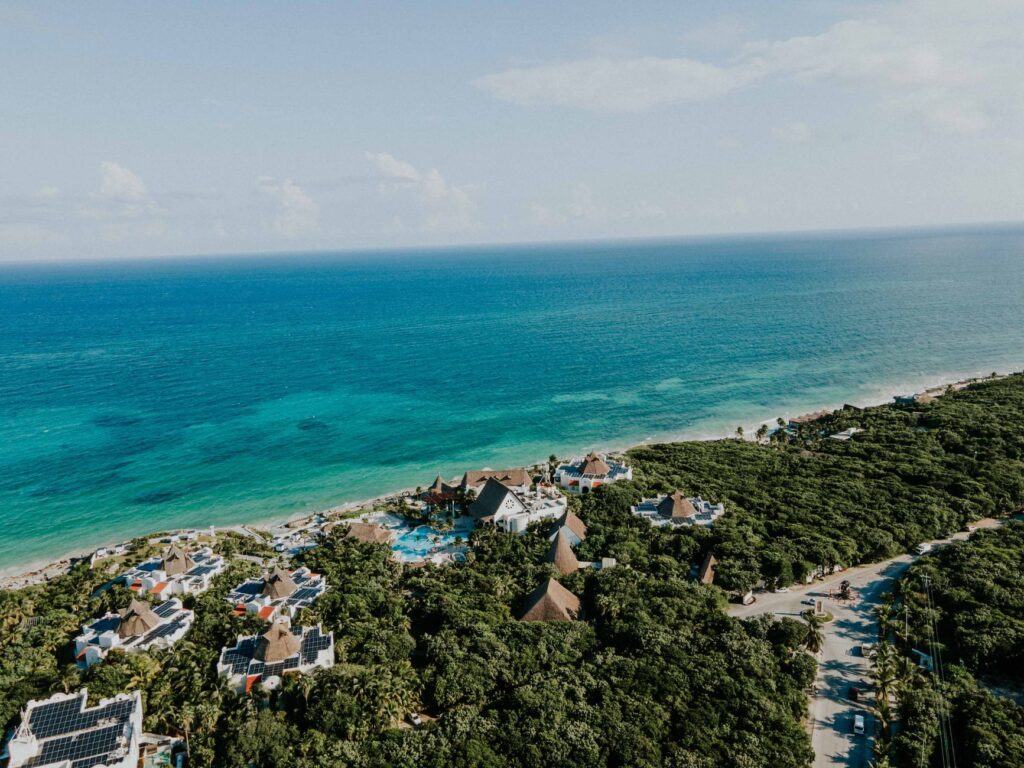
The territory stretching from Cancun to Tulum, passing through the Riviera Maya and the islands of Cozumel and Mujeres, functions as a culinary archipelago interconnected by the cultural influence of the Yucatan Peninsula. Here, the natural pantry is as vast as it is fragile. Local cooks face the daily challenge of supplying high-demand kitchens without compromising marine ecosystems or fragile jungle soils. Sustainable fishing and regenerative agriculture have become the pillars upon which the new Mexican Caribbean cuisine is built.
In the traditional markets of Chetumal and Playa del Carmen, as well as in rural collection centers, a silent battle is waged against globalizing uniformity. Renowned chefs and traditional cooks work side by side to rescue forgotten varieties of native corn, endemic chilis such as the criollo habanero, and mountain herbs that impart unmistakable notes to broths and recados. This articulation between the countryside and haute cuisine ensures that tourist growth directly benefits the productive communities of the state interior.
The Persistence of Corn and Recado: Mayan Roots in Modernity
It is impossible to understand the current gastronomic success of the Mexican Caribbean without looking back at the deep past of the Mayan civilization. The milpa—that Mesoamerican agricultural system based on the joint planting of corn, beans, and squash—remains the beating heart of regional cuisine. The most prominent restaurants in the area do not merely imitate traditional Yucatecan cooking in a folkloric manner; rather, they deconstruct and update it using avant-garde techniques of fermentation, low-temperature cooking, and botanical extractions.
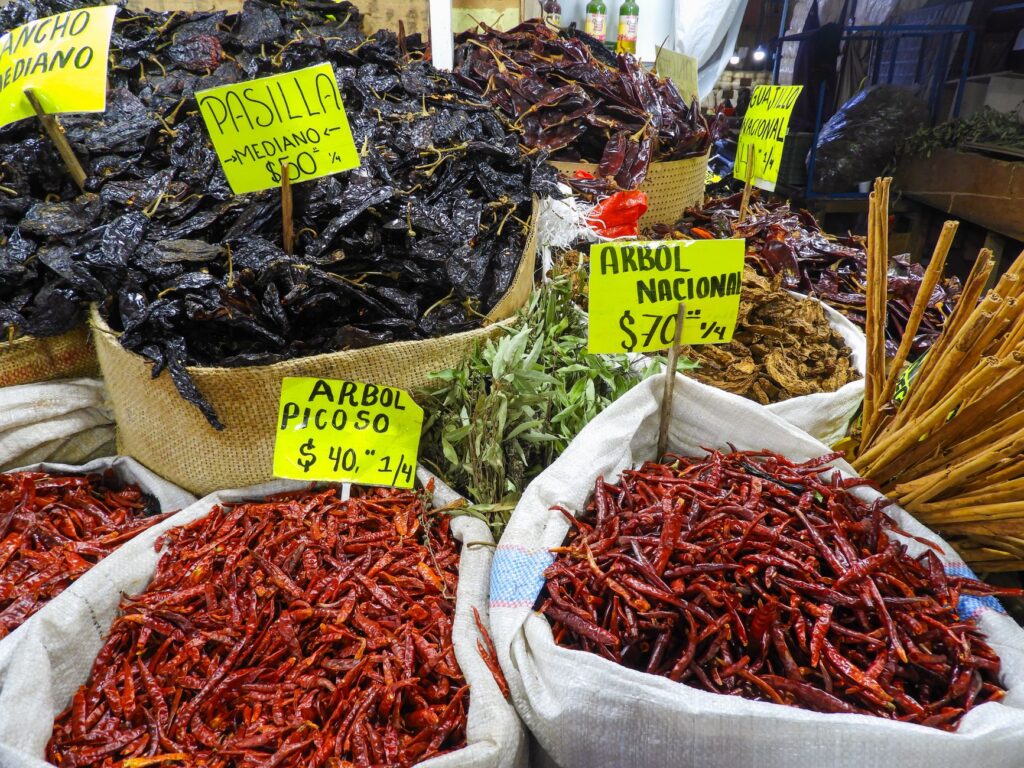
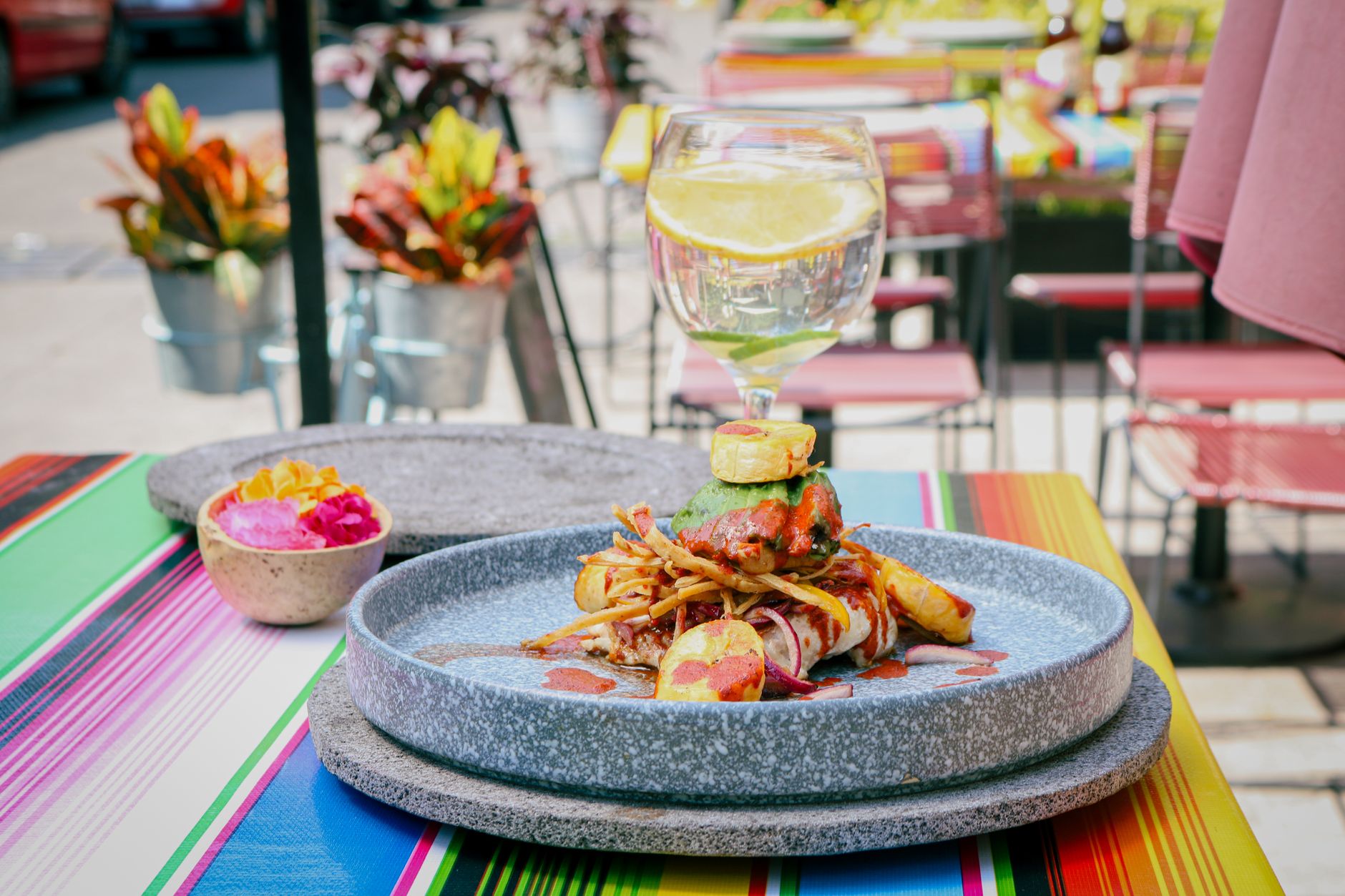
The recados—complex pastes made from toasted spices, chilis, and vegetable ashes—act as the indelible signature of this territory. The recado negro, with its deep smoky profile obtained from charred dried chilis, impregnates both game preparations and fresh fish from the Mesoamerican Barrier Reef. This bold fusion between the intensity of the jungle and the freshness of the Caribbean Sea defines the culinary vanguard that now attracts food lovers from all over the planet.
True sophistication in the Mexican Caribbean is no longer measured by the exclusivity of an imported ingredient, but by the ability to tell the story of the jungle and the sea in a single bite.
From Beach Taco to Star: Democratization and Luxury
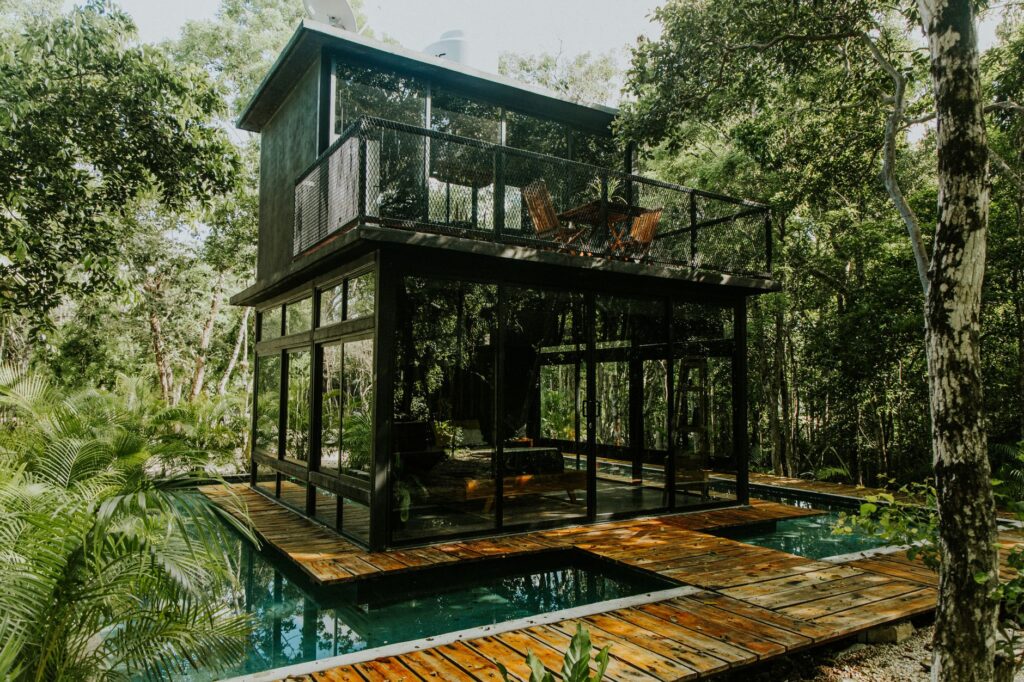
The culinary landscape for the ten million visitors is radically plural. At one end lie street food stalls and humble taquerias operating for decades, true temples of endurance and flavor serving tacos of cochinita pibil, Chetumal-style fried fish, and impeccable panuchos. At the other end, auteur restaurants with architectural concepts integrated into nature offer multi-course menus paired with Mexican wines from Baja California and artisanal mezcals from small producers in Oaxaca and Guerrero.
This peaceful and symbiotic coexistence between popular cooking and haute cuisine is the destination’s greatest strength. International chefs opening outposts in the Riviera Maya recognize that local talent—from dishwashers to sous-chefs—possesses an intuitive knowledge of the product that no Western culinary school can teach. The result is a vibrant gastronomic ecosystem where the distinction between high and low vanishes before the absolute criteria of good taste and respect for origins.
Sustainability in the Age of Masses: The Cost of Feeding Ten Million
The unprecedented demographic and tourism growth of the Mexican Caribbean raises complex questions about the environmental viability of its supply chains. Massive demand for seafood and meats places extreme pressure on local resources, forcing conscious restaurateurs to implement strict traceability policies. Initiatives such as the temporary prohibition of fishing for certain species, the exclusive use of responsible aquaculture, and the drastic reduction of single-use plastics are mandatory conditions for operating in this fragile paradise.
Furthermore, organic waste management has taken a qualitative leap. Several leading establishments have transformed their kitchens into circular economy models, composting food scraps to return nutrients to urban gardens and local agroecological projects. The goal is ambitious yet necessary: to demonstrate that a destination with more than ten million tourists can satisfy its appetite without devouring the natural resources that justify the journey in the first place.
Voices of the Caribbean: Traditional Cooks and New Talents
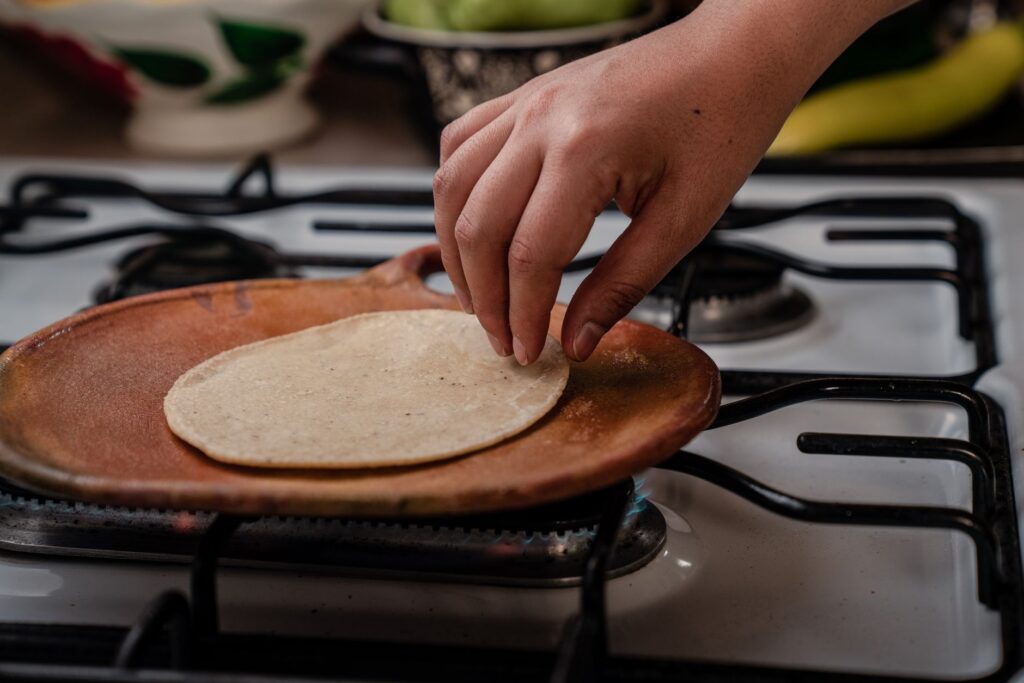
Behind designer bars and minimalist menus stand the true guardians of culinary heritage: Mayan grandmothers and traditional cooks whose know-how has been passed down through generations. Their participation in major gastronomic festivals in Cancun and Tulum has transformed the traditional hierarchy of professional kitchens, granting well-deserved prominence to those who master the ancestral art of the comal and the pib (traditional underground oven).
Young chefs arriving in the region or returning after training in Europe and Mexico City understand that their role is not to reinvent the wheel, but to amplify these historical voices. Intergenerational dialogue in the kitchens of the Mexican Caribbean has generated a unique culinary language, where French or Spanish technique bows before the ancient wisdom of the recado, banana leaves, and wood fire.
Practical guide
Planning a successful gastronomic journey through the Mexican Caribbean requires looking beyond conventional tourist circuits and understanding the rhythms of the region.

- Ideal Season: Visit from November to April to enjoy dry weather and the optimal local fishing season, avoiding heavy summer rains.
- Transportation: Renting a car is recommended to explore local markets and restaurants located away from the hotel zones of Cancun and Tulum.
- Reservations: Haute cuisine restaurants in Tulum and the Riviera Maya require reservations weeks or months in advance, especially during high season.
- Key Markets: Be sure to visit Mercado 23 in Cancun and the municipal market in Playa del Carmen to sample authentic antojitos and fresh seasonal fruit.
- Gastronomic Etiquette: Value and respect the work of traditional cooks; ask about the origin of ingredients and support local fair trade.
Dining in the Mexican Caribbean is accepting an invitation to look beyond the blue horizon and discover that the true wealth of this coastline resides in the living memory of its land.
The Final Heartbeat of the Caribbean Table
As evening falls over the coast of Quintana Roo and the intense blue of the sea yields to the golden twilight of the jungle, the kitchens of the Mexican Caribbean ignite their fires with renewed certainty. The ten million souls crossing these borders each year seek more than a climatic refuge; they seek a reunion with the primordial pleasure of sharing the table. In every freshly patted tortilla, in every sip of artisanal distillate, and in every knowing glance between producer and diner, the region proves that its greatest allure is not an advertising mirage, but a living, complex, and deeply human reality that pulses in every plate served with pride and memory.
Source in EN: 10 Million Tourists And Counting: Why The Mexican Caribbean Is Still Mexico’s #1 Destination – Cancun Sun (https://news.google.com/rss/articles/CBMitgFBVV95cUxQZXk0ZUlBWVBBdmRDVVVIdWxfVTJLMXpLX1pmdTMtZGtHRlBfUGI1am94Q2VBSTE1dmxBOWU3eHBSNWtOOVljOG9iSXNtSlg4dngtLV90RDg1SkVzeUJkSlJ1ZkhGeFJBRWxHNS12T3YzaHV1aTRaaURsdUpna1p3enhndF9LbW9jbm1id3hvNW50NGlVd3c1Ykhtdng3SHZKV0h3NG1FY0tRb1VaVHpzWEdnTk50QQ?oc=5)