
The Art of Slow Travel When the Tourist Tide Recedes
September stands out as the best-kept secret of experienced travelers. While major European capitals and bustling coasts bid farewell to the summer crowds, the interior of the continent recovers its unhurried rhythm. The stifling heat yields to a gentle breeze that invites visitors to explore the territory without haste. In this context, the train emerges not only as an efficient mode of transport, but as the backbone of an experience where the journey matters just as much as the destination.
Europe’s dense and interconnected railway network allows for routes that meander between river valleys, northern forests, and rugged mountain ranges. Unlike the rigidity and isolation of peripheral airports, train stations are typically located in the very heart of cities, facilitating a seamless transition between asphalt and nature. Traveling by September on rails also means accessing more flexible fares, lower carriage occupancy, and the chance to watch the landscape’s color palette shift toward autumnal ochres and golds.
The Great Railway Question: Why Choose the Slow Track at Summer’s Twilight?
Faced with the tyranny of immediacy dominating contemporary tourism, the train offers a poetic resistance. The question guiding this journey is not how fast one can arrive, but what we miss when flying far above the territory. The answer hides behind the panoramic windows of regional and high-capacity trains connecting alpine valleys, wine regions, and biosphere reserves.
Sustainable mobility experts agree that September offers the ideal thermal and lighting balance for rail tourism. Daylight hours remain generous, but the midday sun no longer beats down fiercely, allowing travelers to combine long journeys with morning hikes or cultural visits without the physical exhaustion of July and August. It is the moment when outdoor accommodations, from high-end camping resorts to glamping sites integrated into natural parks, adapt their services to offer deep disconnection.

From the Grand Station to the Forest: The Transition from Asphalt to Greenway
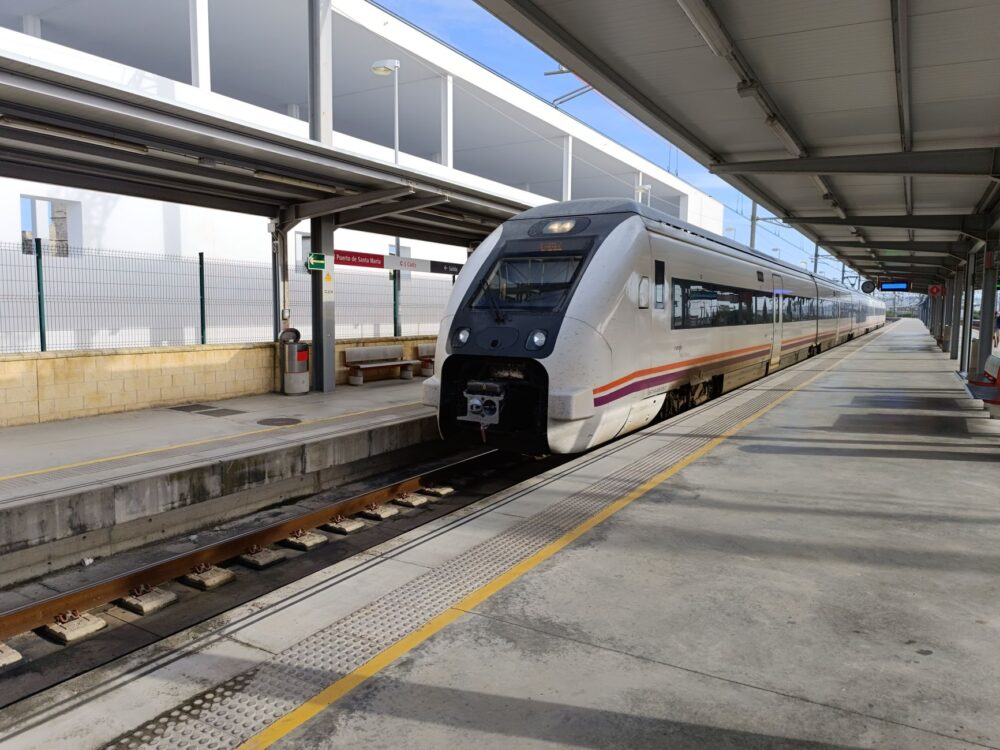
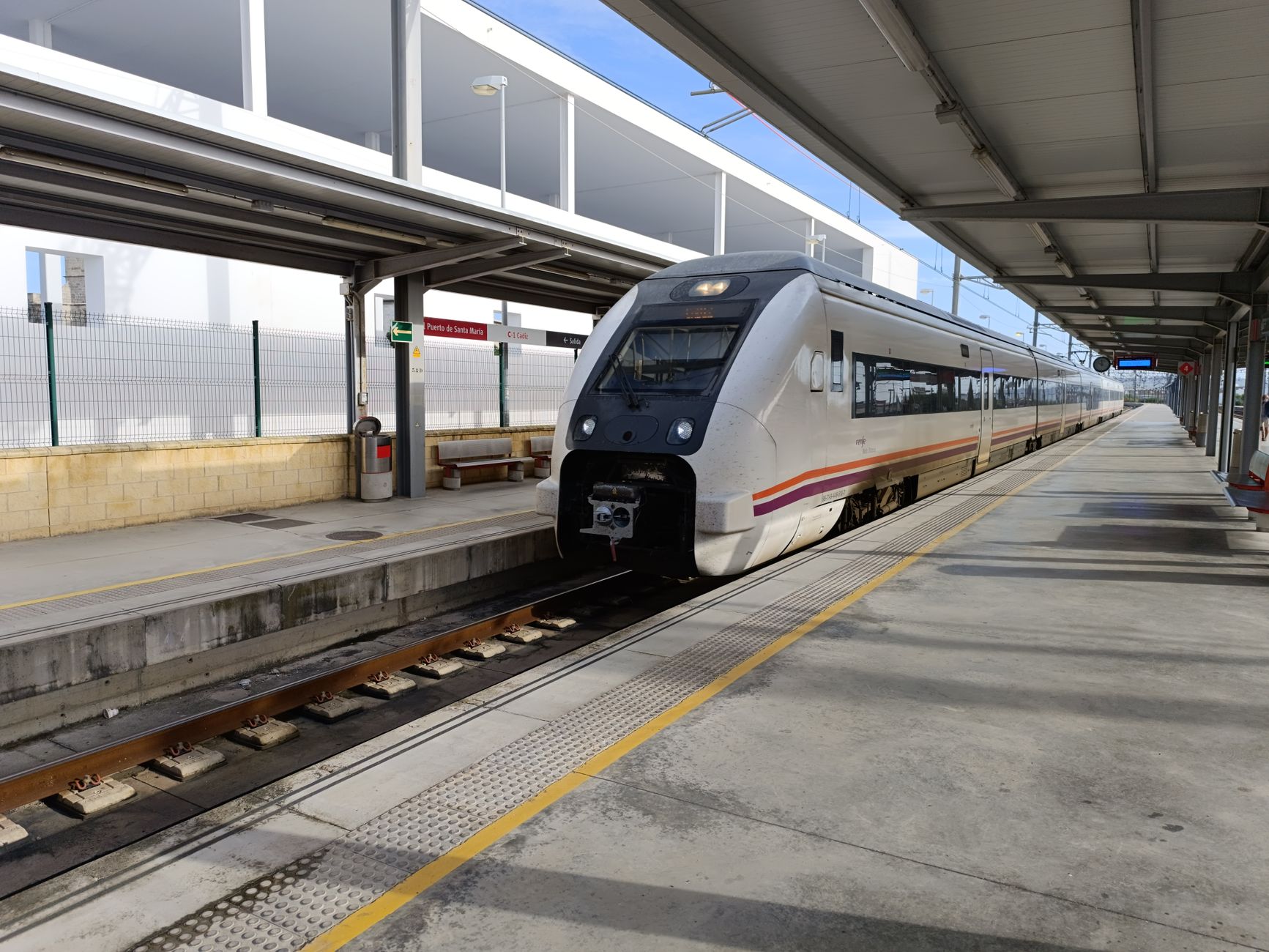
The journey typically begins at major railway terminals, iron and glass cathedrals of the 19th century that now act as gateways to green modernity. From the central platforms, direct trains depart toward natural enclaves where urban noise fades within hours. The integration between trains and local hiking networks or bike lanes has improved remarkably in recent years, facilitating the transport of bicycles and bulky luggage without complication.
Upon stepping off at secondary stations, travelers find themselves just a few kilometers from outdoor tourism complexes that redefine traditional camping. These spaces combine traditional pitches with safari-style canvas tents, geodesic domes equipped with modern comforts, and wooden bungalows built under bioconstruction criteria. The proximity of these facilities to railway stations proves that it is entirely feasible to enjoy a disconnection holiday without relying on a private vehicle.
Railway Architecture and the Design of Century-Old Stations
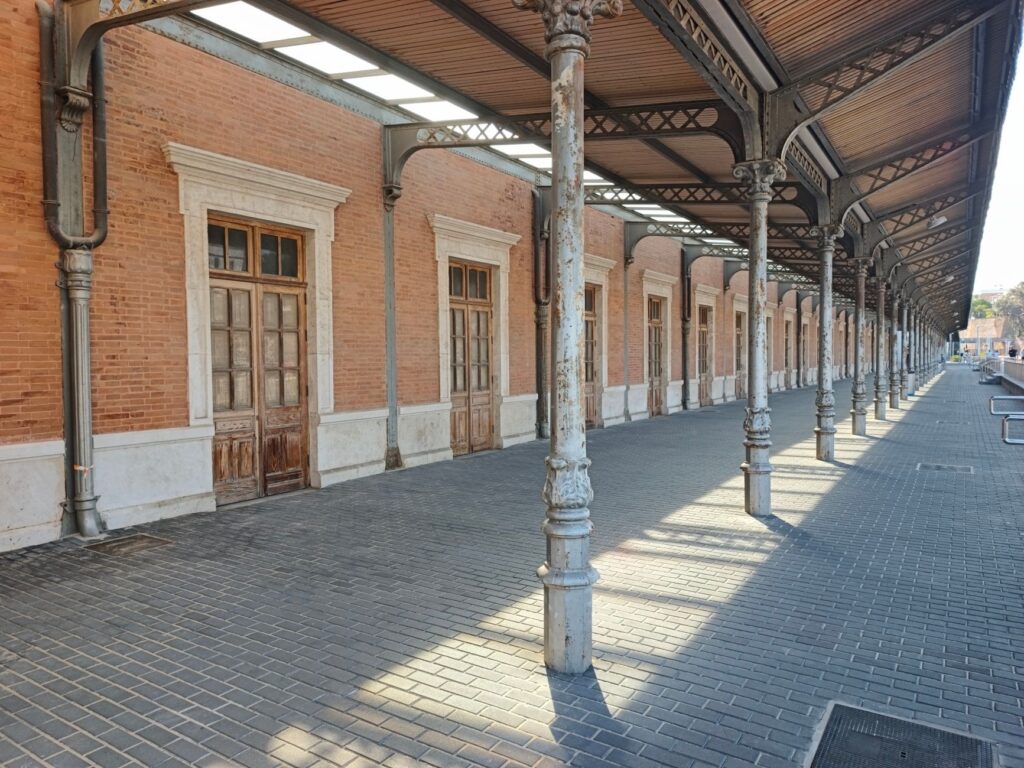
Europe’s railway infrastructure is, in itself, a first-rate cultural and industrial heritage. Many stations serving as links to September nature destinations preserve architectural elements from modernism, wrought iron, and exposed brick. These buildings are not mere transit points, but urban milestones reflecting the economic and social history of the regions they cross.
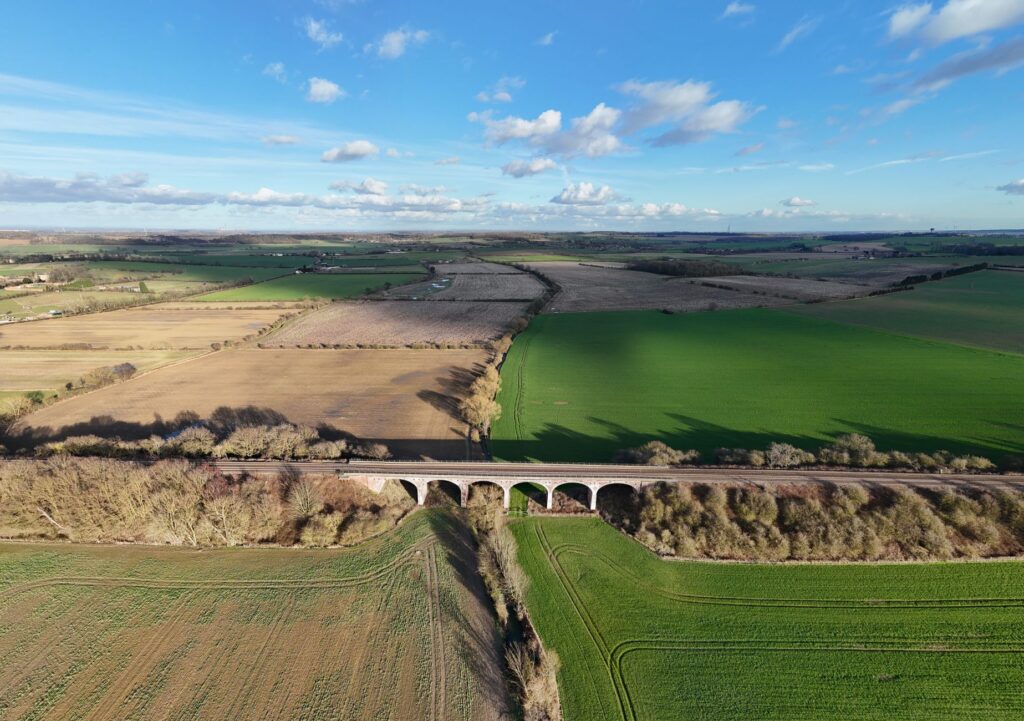
Along the route, bridges and viaducts designed by 19th-century engineers integrate surprisingly well into the natural landscape. Crossing a gorge on a meticulously calculated stone viaduct or entering a tunnel carved into living rock are experiences that recall the audacity of classic civil engineering. These architectural elements enhance the sense of adventure and discovery defining quality rail tourism.
The Human Factor: Stories of Station Masters and Veteran Travelers
The soul of a train journey lies in the human interactions it generates. The carriages operating during September feature a mature profile of travelers, local hikers, and residents taking advantage of lower visitor numbers to move around their own country. Conversations in the buffet car or glass-enclosed corridors usually revolve around the best local routes, gastronomic secrets of the next village, or the changing landscape.
Traveling by train recovers the human scale of space; speed ceases to be an end and becomes a contemplated landscape.
Likewise, key figures such as conductors and small-town station masters retain a warm demeanor and a readiness to share information rarely found in large air transport hubs. Their expert knowledge of the territory turns these professionals into impromptu tour guides capable of recommending the best trail or local market for seasonal products.
Cultural Details and the Awakening of Station Gastronomy
The gastronomy linked to train travel has evolved significantly. Gone are the days of generic catering carts; nowadays, many lines incorporate local, seasonal products into their onboard services or station buffets. In September, this translates into an offering that includes artisanal raw-milk cheeses, small-game charcuterie, and wines from local designations of origin crossed by the train.

Furthermore, stops at intermediate stations often allow travelers to discover small producer markets selling heather honey, late-season berries, and traditional pastries. These cultural details enrich the traveler’s experience, transforming a simple geographical shift into a sensory journey through the culinary traditions of rural and mid-mountain Europe.
Outdoor Accommodations: The Luxury of Sleeping Under the Stars with Comfort
The final destination of these rail routes is usually an outdoor tourism complex designed to harness September’s mild climate. Camping resorts and glamping sites have established themselves as sought-after accommodation for those seeking direct contact with nature without sacrificing quality rest. King-size beds, designer private bathrooms, pellet stoves for cool September nights, and wooden terraces facing forests or lakes are now standard in these spaces.
These complexes are firmly committed to sustainability: low-consumption lighting, greywater purification systems, private organic gardens, and a strict plastic reduction policy. Staying in them during the ninth month of the year guarantees peace difficult to find during peak season, allowing guests to enjoy heated pools, outdoor spas, and quiet reading zones.
True sophistication in contemporary travel consists of finding silence and personal space in the heart of nature.
Combining an efficient rail journey with a stay in a natural resort creates a vacation model with low environmental impact and high emotional value. It is a form of tourism that respects the biological rhythms of both the environment and the traveler.
Practical guide
Planning a September getaway combining trains and outdoor accommodations requires some advance planning while offering remarkable flexibility compared to summer. Below are the operational keys to ensure a successful trip.
Tickets and railway reservations:
- Purchase regional passes or mid-distance tickets at least three weeks in advance to take advantage of low-season promotional fares.
- Check specific conditions for bicycle transport, as some companies require space reservation in designated carriages.
Accommodation selection:

- Verify the actual distance between the arrival station and the camping resort or glamping site; many complexes offer complimentary pickup for car-free guests.
- Ensure the accommodation features adequate heating or insulation for September night temperatures, which can drop significantly in mountain areas.
Luggage and weather:
- Opt for layering in clothing: cool mornings, warm midday sun, and chilly nights demand wardrobe versatility.
- Bring appropriate hiking footwear and a lightweight backpack for walking from stations to natural enclaves.
Reuniting with Oneself on the Horizon of the Last Sun
As the journey reaches its final stretch and the train begins its return toward the urban core, the prevailing sensation is one of having gained extra time. September on rails is not a melancholic farewell to summer, but a conscious, serene extension of rest. Observing from the window how cultivated fields and deciduous forests slide by with uniform cadence returns a restful perspective of existence to the traveler.
Outdoor accommodations, wrapped in the quiet of early morning mists and the murmur of streams, prove that comfort and environmental respect are not mutually exclusive. Ultimately, the true wealth of this experience lies in the memory of journeys shared with kind strangers, the scent of pine and wet earth after an autumnal hike, and the certainty that travel, when done at the right speed, can transform our view of the world. Source: La Vanguardia.