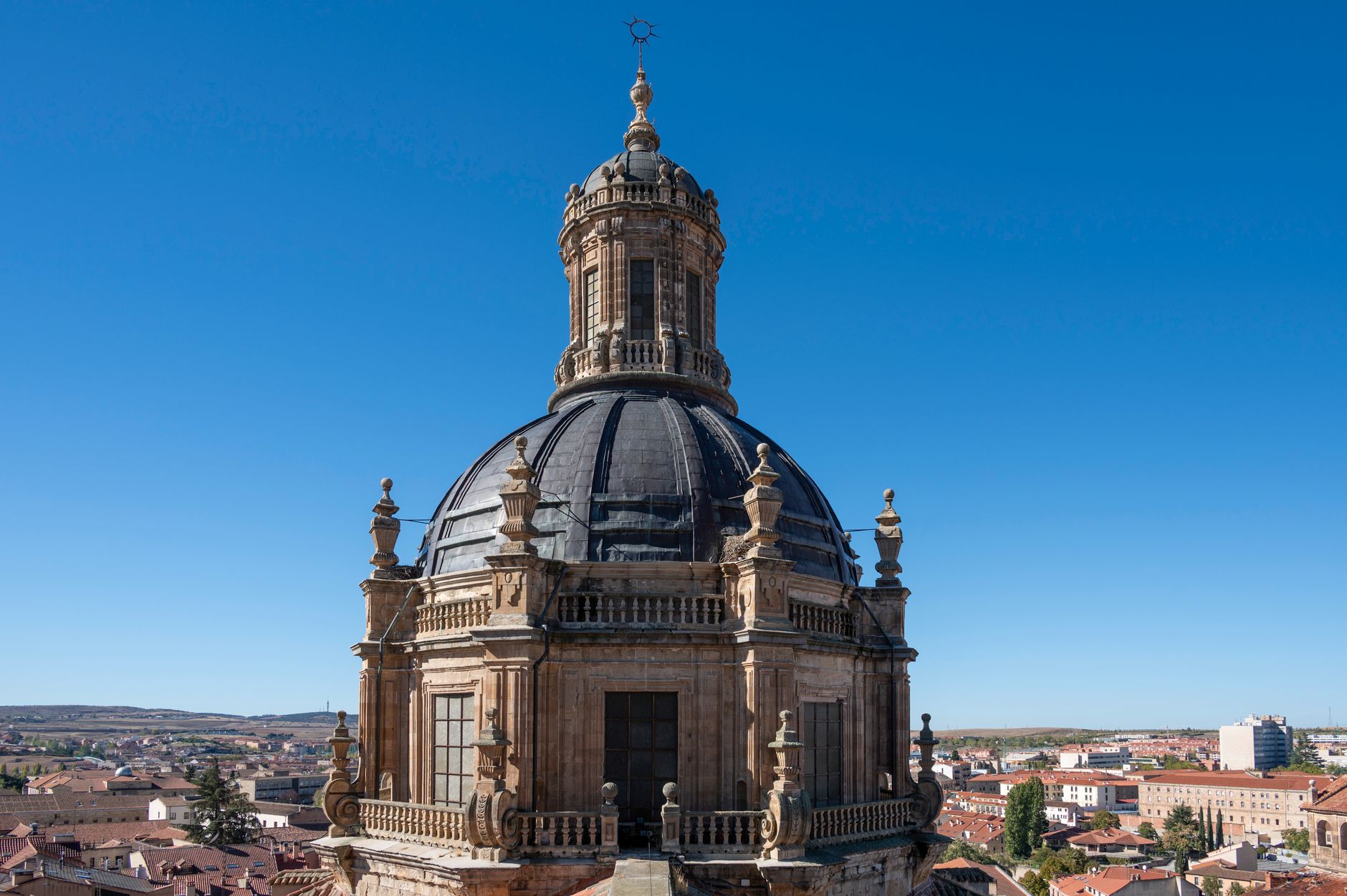

The Iberian autumn takes on a distinct dimension in Salamanca when the golden Villamayor stone, ignited by the late afternoon sun, seems to recall the centuries when this city stood as the undisputed brain of Western learning. It is no coincidence that, within this setting of stony longevity, local institutions have mapped out a precise roadmap for the coming years. The city’s active participation in the reverse travel trade event Spain Travel Market Europa 2026 marks a turning point in how the destination projects itself beyond national borders, seeking not merely to attract a higher volume of visitors, but to consolidate a profile of cultural, curious, and environmentally respectful travelers.
This strategic move responds to an evident need for diversification and deepening within the continent’s source markets. Confronted with the fleeting nature of weekend tourism, Salamanca proposes a measured dialogue with its history, integrating the vanguard of its tourism services with the monumental weight of one of the oldest universities in the world. The professional gathering held recently serves as a thermometer to gauge the city’s appeal among European tour operators in search of authenticity, living heritage, and value propositions that transcend traditional seasonality.
The golden stone as a canvas for modern tourism
Understanding Salamanca’s current positioning requires looking back at its most emblematic architecture, the stonework that has withstood the passage of centuries without losing an ounce of urban dignity. The Plaza Mayor, conceived as the grand salon of the city by Andrés García de Quiñones, pulses today with the very vitality with which it was designed in the 18th century. However, the effort made by the city council and sector stakeholders within the framework of the European workshops lies in demonstrating that the golden stone is not a static backdrop, but the support for a vibrant contemporary cultural agenda.
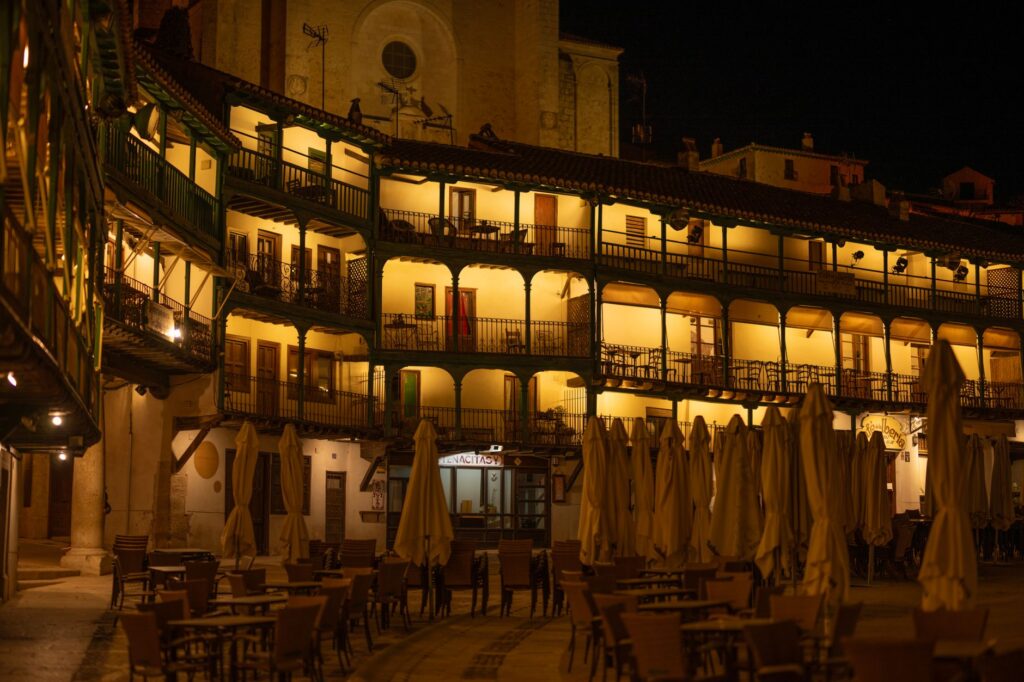
Meetings held with international operators demonstrate that contemporary European travelers greatly value the combination of exceptionally preserved historical heritage with a modern agenda of cultural activities. From light festivals to early music cycles in decommissioned churches, the city has successfully articulated a proposal that seduces both the art historian and the aficionado of quality urban getaways.
The academic pulse: when university history guides the future
It is impossible to dissect the identity of Salamanca without pausing at its centennial classrooms. Figures of the stature of Fray Luis de León, Francisco de Vitoria, and Miguel de Unamuno walked these halls, weaving an intellectual fabric that still permeates the streets of the old town. This humanist heritage constitutes the city’s primary differential argument in international cultural tourism forums. At the working tables of Spain Travel Market Europa 2026, the Salamancan representatives insisted that knowledge is also a thoroughly enjoyable tourism experience.
Guided tours of the Escuelas Mayores and the General Historic Library have been redesigned to offer a rigorous yet accessible approach, allowing visitors to contemplate incunabula and manuscripts that explain the evolution of Western thought. This commitment to knowledge tourism naturally attracts an audience from Germany, France, and the Nordic countries, traditionally highly receptive to intellectual-heavy offerings.
Heritage is not merely a legacy to be contemplated, but a living resource that demands rigorous management and absolute respect from those who inhabit and visit it.
Gastronomy and territory: the flavors of the Castilian countryside
The journey to Salamanca is not exhausted by architectural contemplation or the study of its academic past. The experience inevitably extends around the table, where the provincial larder offers exceptionally high-quality produce that is already beginning to conquer international palates. Iberian bellota ham from the Guijuelo region and wines with the Arribes del Duero designation of origin have become silent ambassadors of the Salamancan tourism brand.
During the professional sessions, special emphasis was placed on gastronomy as a vector for sustainable development. Local restaurateurs and provincial producers work hand in hand to offer cuisine that respects tradition while incorporating contemporary techniques. This direct connection between the primary sector and high urban cuisine is one of the most powerful hooks detected by European tourism intermediaries, who are increasingly interested in the concept of zero-kilometer sourcing and culinary authenticity.
Connectivity and accessibility: logistical challenges for European travelers
All cultural and gastronomic narratives would lack effectiveness without adequate transportation infrastructure to facilitate the arrival of international visitors. Salamanca has intensified its efforts to improve its integration into major peninsular mobility corridors, optimizing rail connections with Madrid and committing to cleaner, more efficient urban mobility.
Debates held within the European workshops addressed the need to continue improving air connectivity through surrounding airports and enhancing multilingual information at all traveller touchpoints. The goal is to ensure that arrival in the city is fluid, allowing foreign tourists to integrate into the local rhythm from the very first moment without unnecessary logistical friction.

Urban sustainability: preserving the soul of the monumental city
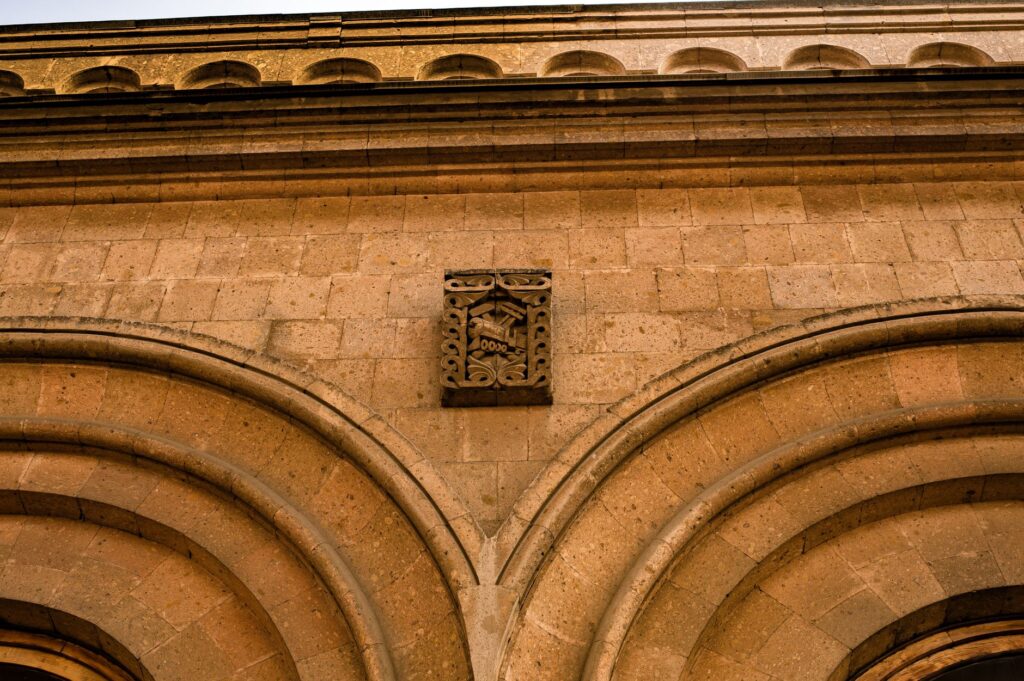
The growth of international tourism interest inevitably poses the challenge of heritage preservation. Salamanca faces this challenge through urban management plans that prioritize the pedestrianization of its historic center and the restriction of vehicular traffic in sensitive areas. The conservation of Villamayor stone requires constant maintenance and close vigilance regarding environmental and acoustic impacts.
Local authorities shared their strategies to avoid overcrowding at the European forum, opting for the dispersion of tourist flows toward peripheral neighborhoods of high architectural interest, such as the San Vicente district or the green areas along the Tormes riverbank. This balanced vision ensures that the city maintains its liveability and that residents and visitors coexist in a climate of mutual respect.
The associative fabric and the future of the local tourism sector
Behind every institutional strategy and overseas promotion campaign lies a solid fabric of small and medium-sized local businesses that sustain the daily life of the sector. Hoteliers, tour guides, artisans, and shopkeepers have organized themselves to respond professionally to the demands of the European market. Public-private collaboration has been singled out by experts as a key factor in Salamanca’s success in its foreign projection.
This sectoral cohesion allows the offering to adapt agilely to shifting travel trends, ensuring that service quality remains at the highest standards. The commitment to excellence is, ultimately, the hallmark that Salamancan professionals sought to convey to their European counterparts at this year’s gathering.
The tourism of the future is not measured exclusively by the number of arrivals, but by the depth of the positive footprint left on the host community.
Practical guide
How to get there: Salamanca boasts excellent high-speed and medium-distance train connections from Madrid (Chamartín-Clara Campoamor station), with a journey time of approximately one and a half to two hours. By road, it is comfortably accessed via the A-62 highway from Valladolid or Portugal, and the A-50 from Madrid.
When to go: Spring and autumn offer the best weather conditions for exploring the city on foot, avoiding the extreme temperatures of the summer months. Autumn also coincides with the start of the academic term, when the city recovers its most genuine and dynamic pulse.
Where to stay: The historic center concentrates a wide range of options, from Renaissance palaces converted into luxury hotels to cozy boutique establishments and tourist apartments seamlessly integrated into traditional architecture.
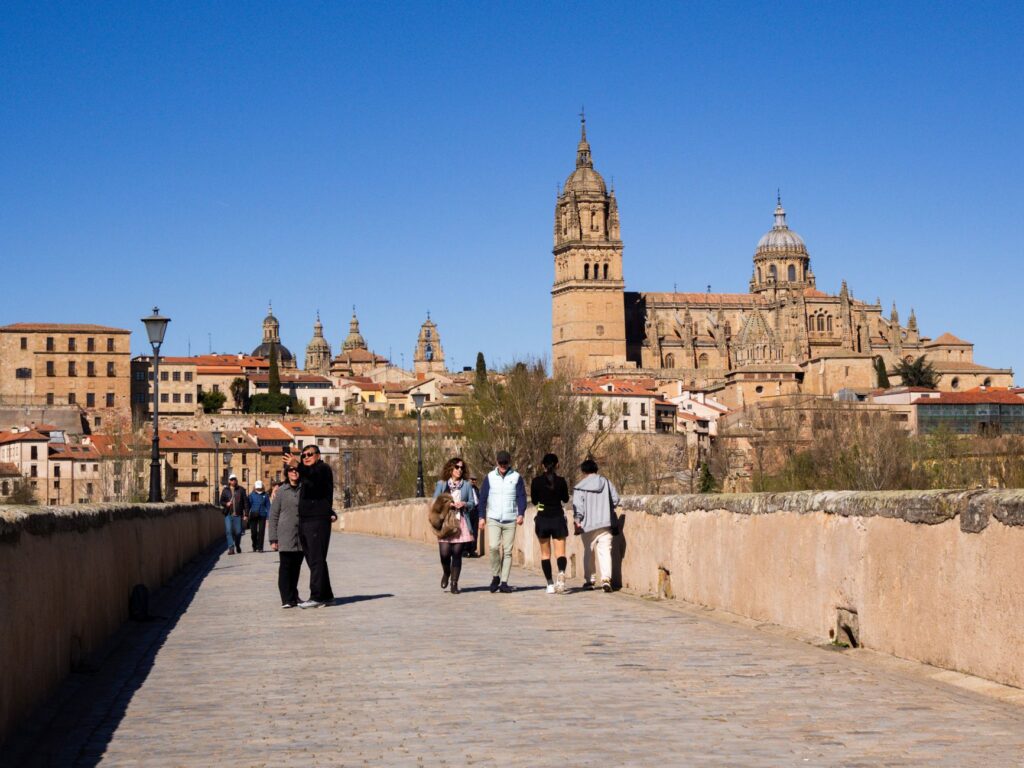
Must-sees: A leisurely visit to the Plaza Mayor, the joint contemplation of the Old and New Cathedrals, the University facade, and a sunset stroll across the Roman Bridge to admire the monumental silhouette of the city over the Tormes River.
Source in EN: Aytosalamanca.es (Salamanca participates in the reverse trade event ‘Spain Travel Market Europa 2026’ to reinforce its positioning in the European market).