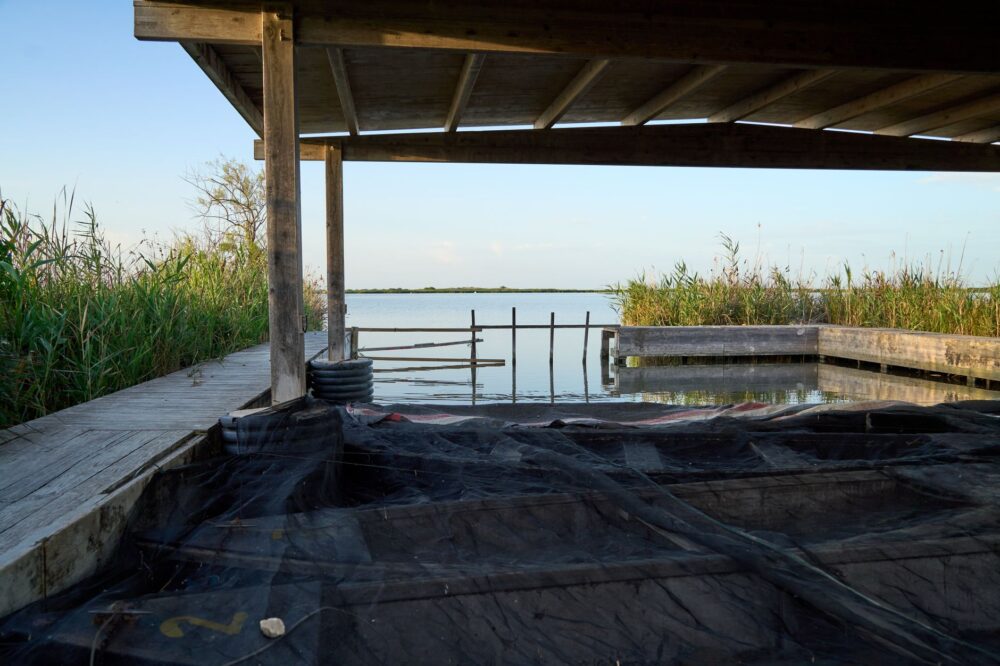
There are places on the European map that seem to voluntarily resist the hustle and bustle of modernity, preserving within their stones the silent patina of centuries. Bystrzyca Kłodzka, located in southwestern Poland, is one of those privileged enclaves where geography and history embrace to offer the traveler a deeply evocative experience. Far from the traditional tourist circuits that monopolize travel magazine covers, this Lower Silesian town rises on a rocky promontory carved by the patient erosion of the river that bears its name and its confluence with the swift Nysa Kłodzka.
Our journey here addresses a fundamental question: how do historical communities in Central Europe survive the temptation of tourist standardization? The thesis underpinning this report is that Bystrzyca Kłodzka has survived not merely through relative isolation, but through the conscious preservation of its Gothic and Renaissance urban fabric, as well as an intangible heritage tied to woodworking, stone carving, and water. Through local historical sources and the testimony of the guardians of its memory, we explore a destination that demands to be traversed slowly, with senses alert to the subtle beauty of the everyday.
Geography as Destiny and Fortress
The location of Bystrzyca Kłodzka is no accident. Nestled in the valley separating the imposing Bystrzyca Mountains from the foothills of the Sudetes, the town functioned during the Middle Ages as a strategic stronghold of great commercial and defensive value. The Nysa Kłodzka River acts here both as a liquid frontier and as a backbone that shaped the lives of its inhabitants. Medieval chronicles already highlighted the difficulty of accessing this rugged territory—a factor that, paradoxically, has acted over the centuries as a protective shield against the destructive wars that devastated other regions of Silesia.
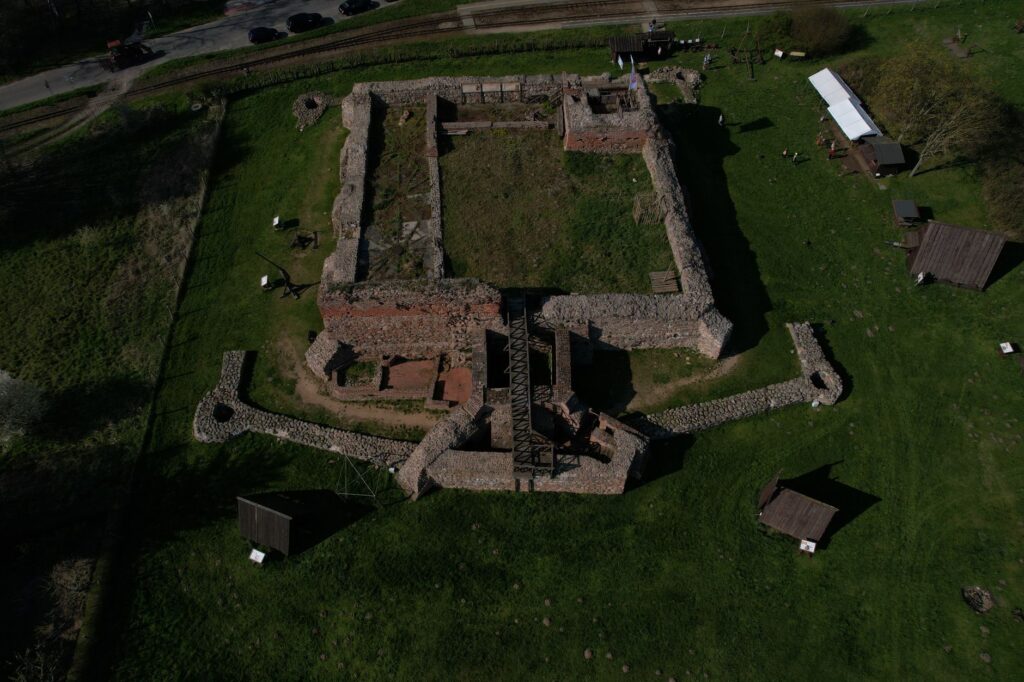
Walking through its surroundings today makes it possible to grasp the magnitude of this natural environment. The coniferous forests climbing the surrounding slopes change hues with the seasons, offering an alpine backdrop that contrasts with the warmth of the sandstone used in urban architecture. Nature here is not a mere backdrop, but an active agent dictating the rhythm of architecture, local economy, and the historical communication routes connecting the former Kingdom of Bohemia with northern Europe.
An Urban Layout Sculpted in Stone and Walls
The historical heart of Bystrzyca Kłodzka surprises visitors with its extraordinary preservation. Unlike other Polish cities that had to be almost entirely rebuilt after World War II, this old town largely maintained its original structure. The defensive walls, originally erected in the 14th century and reinforced in later periods, still encircle a large part of the urban perimeter, inviting visitors to trace a circular route revealing watchtowers and bastions forgotten by time.
Among the most notable defensive elements is the Kłodzko Gate (Brama Kłodzka), an imposing stone portal that for centuries functioned as the main entry and exit artery for merchants and travelers. Crossing its threshold is crossing a time portal into cobblestone streets that gently slope down toward the market square. The residential facades flanking the square feature Renaissance sgraffito and ornate gables, silent witnesses to a golden age driven by the timber trade and craftsmanship.
The Art of the Match and Industrial Memory
One of the most fascinating and lesser-known aspects of local history is its connection to specialized manufacturing industry. During the 19th and much of the 20th centuries, Bystrzyca Kłodzka hosted one of the most important match factories in this part of the continent. This industrial legacy, far from being a cold relic of rusted machinery, translates today into a deeply rooted collective identity and a unique museum heritage documenting the hardship and ingenuity of blue-collar labor in the Silesian valleys.

The local museum, housed in a historic mansion by the river, compiles not only the history of match production but also a rich collection of artistic matchboxes and labels from around the world. This tour explains how a small mountain community managed to connect its local production with global markets, transforming a resource as basic as wood from the surrounding forests into a everyday product found in millions of European homes.
Testimonies of Faith: Temples and Sacred Art
Religious architecture in Bystrzyca Kłodzka reflects the complex and rich overlay of Polish, Czech, and German cultural influences characterizing the Lower Silesia region. The Church of St. Michael the Archangel, located in the upper part of town, dominates the urban profile with its slender tower and robust Gothic architecture. Inside, visitors are enveloped in an atmosphere of contemplation where baroque altarpieces, polychrome carvings, and sepulchral tombstones recall the merchant lineages that funded the beautification of the temple.
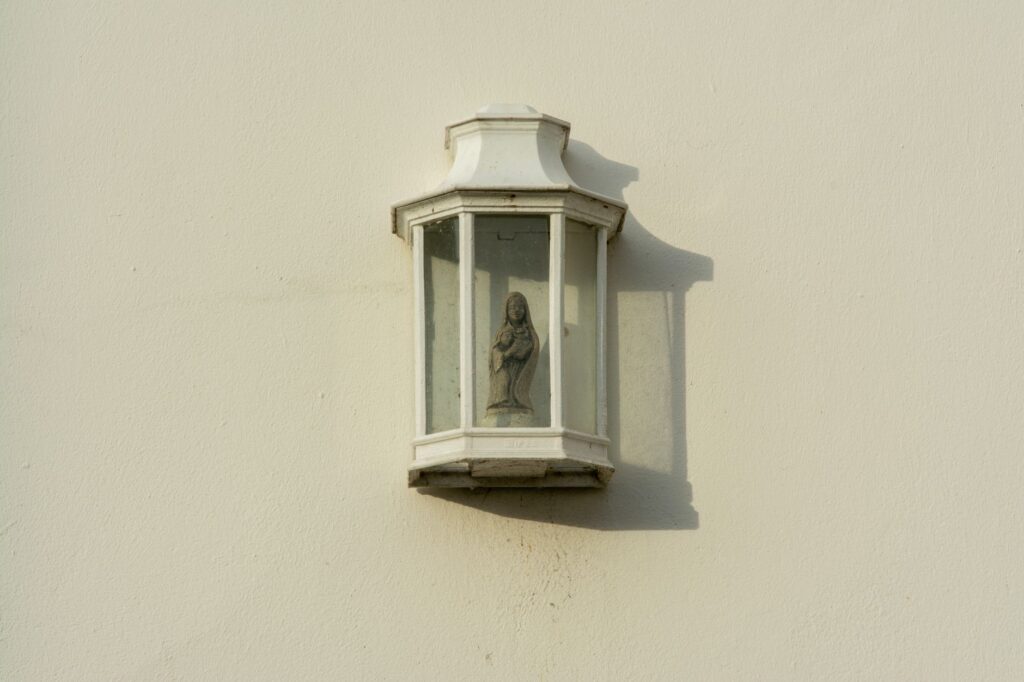
Strolling through adjacent alleys also reveals numerous votive chapels and roadside crosses sculpted in sandstone, scattered across both the urban core and rural trails ascending into the mountains. These small works of folk art, often ignored by conventional guidebooks, constitute a valuable visual archive of the devotion and fear of the elements that marked the lives of past generations in this corner of Europe.
The value of Bystrzyca Kłodzka lies not in grandiose monumentality, but in the intact honesty of its streets, where every stone tells a story of endurance and adaptation.
Frontier Flavors: The Gastronomy of the Valleys
Lower Silesian cuisine is the flavorful result of a historical cross-pollination. In Bystrzyca Kłodzka, culinary offerings draw from both traditional Polish heritage and influences from neighboring Bohemia and the legacy of former German residents. Local restaurants and traditional taverns offer comforting dishes designed to combat the mountain climate, where wild mushrooms foraged from nearby forests, game meats, and root vegetables take center stage.
Standout preparations include dense, aromatic soups such as żurek or wild mushroom soup with sour cream, as well as traditional pierogi stuffed with meat or cabbage and mushrooms. Additionally, proximity to the Czech border is felt in the quality of roast meat dishes served with bread dumplings (knedlíky) and the constant presence of craft beers from small regional breweries producing beverages of great character and personality.
Practical guide
How to get there: Bystrzyca Kłodzka has direct train connections from Wrocław, the regional capital of Lower Silesia. The train journey takes approximately two and a half hours, offering panoramic views of the Nysa Kłodzka valley. By car, access from Wrocław is via the E67 national highway heading south toward Kłodzko.

When to go: Spring months (May to June) and autumn (September to October) offer optimal temperatures for exploring the historic center and hiking without crowds. Winter transforms the region into a snowy landscape ideal for quiet tourism.
Where to stay: The old town and its surroundings feature small boutique hotels housed in restored historic mansions, as well as family-run rural guesthouses in the valley villages.
Useful recommendations: Comfortable footwear with non-slip soles is essential for walking on cobblestone pavements and the town’s steep slopes. Carrying some cash in local currency (złoty) is recommended for small shops and traditional cafes.
Current Pulse and the Future of Heritage
In recent years, Bystrzyca Kłodzka has begun attracting a new profile of traveler: one seeking sustainability, proximity tourism, and genuine contact with local culture. Municipal and civic initiatives focus on the respectful restoration of architectural heritage and the promotion of cycling routes utilizing former railway lines and forest paths. This delicate balance between openness to the outside world and the protection of local identity is the greatest challenge facing this community.
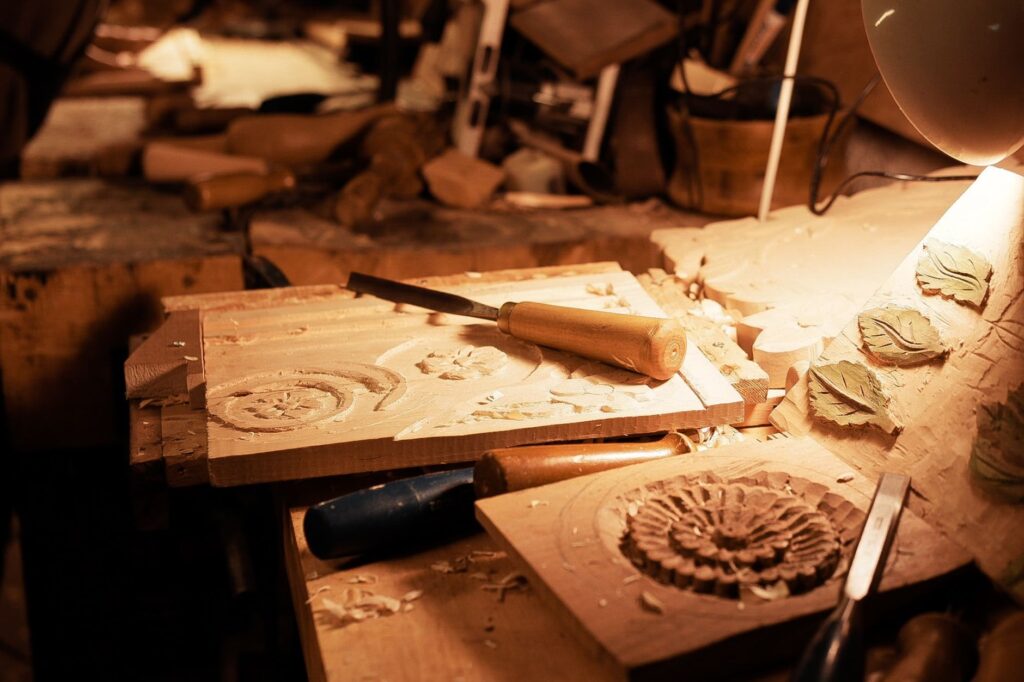
The conservation of traditional crafts and the valorization of working-class memory demonstrate that the future of these enclaves does not lie in transformation into empty theme parks, but in economic revitalization based on respect for the past. Travelers who choose to stay here are not mere consumers of landscapes, but privileged witnesses to the discreet vitality of a profound Europe that refuses to be forgotten.
Final Reflection: The Murmur of Water and Stopped Time
At dusk, when the golden evening light slides over slate roofs and the water of the Nysa Kłodzka continues its uninterrupted journey northward, Bystrzyca Kłodzka reveals its true essence. Sitting on a bench along the medieval wall, listening to the distant murmur of the river and the measured tolling of St. Michael’s bells, one experiences a rare and valuable sense of timelessness. In a world obsessed with speed and immediacy, this corner of Lower Silesia offers the supreme luxury of pause, reminding us that the most memorable destinations are those inviting us to look inward while discovering the world.
Traveling to Bystrzyca Kłodzka is accepting a truce with the clock and allowing history to speak to us through the silence of its stones.
Source in EN: Reporting based on the original article by Dolny Śląsk Travel published in Google News (Regiones travel tourism when:14d).