
The Steel Pulse Connecting Europe and the Pacific
The vastest railway horizon on the planet is not restricted to the celebrated Moscow corridor; it plunges southward in a geometric fork that defies traditional cartography: the Trans-Mongolian. This route is far more than a passenger itinerary; it is a geopolitical and cultural artery winding from the birch forests of Siberia through the dusty expanses of the Gobi Desert to the skyscrapers of Beijing. Planning a journey of this magnitude demands a surgical understanding of schedules, track gauges, and the complex bureaucratic dynamics governing border crossings between the Russian Federation, Mongolia, and the People’s Republic of China. Across seven thousand kilometers of iron tracks, the traveler enters a territory where time is measured in lost stations and the monotonous rhythm of wheels striking rail joints.
The primary challenge of this expedition does not lie in the comfort of the compartments—which varies drastically depending on the class booked and the operating company—but in self-reliance and adaptability to unforeseen schedule shifts. International trains operate under strict regulations where a poorly inked consular stamp or an expired visa can halt a convoy for days at border outposts lost in the middle of the steppe. Consequently, technical preparation must begin months in advance, analyzing optimal weather windows to avoid both the extreme rigor of Siberian winters and stifling heatwaves across southern desert basins.
The Architecture of the Track: Engineering and Geopolitics in Soviet Gauge
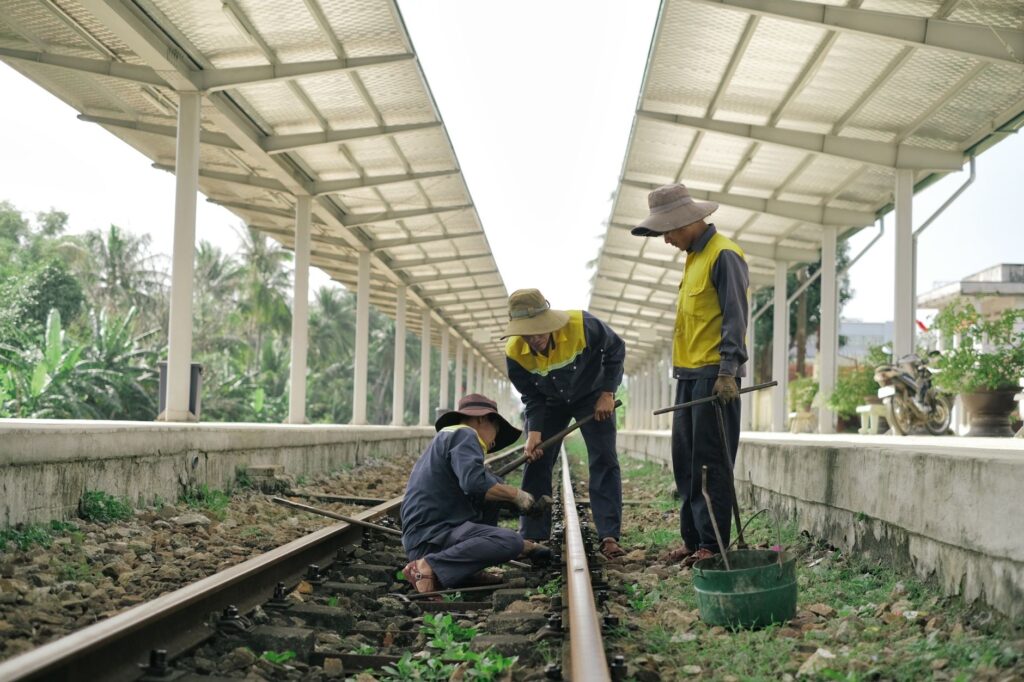
Understanding the railway system underpinning Eurasia requires examining the history of its infrastructure. The Russian broad-gauge standard of 1,520 millimeters differs deliberately from the European standard and that used across much of China, a strategic decision adopted in the nineteenth century to hinder potential land invasions. This technical discontinuity forces trains at critical junctions such as Naushki or Erenhot to undergo complex mechanical operations in specialized industrial hangars. The carriages are lifted using massive hydraulic jacks while the bogies—the wheel and axle assemblies—are completely replaced to match the gauge of the receiving country, a process taking several hours and executed with millimeter precision under the watchful eyes of border guards.
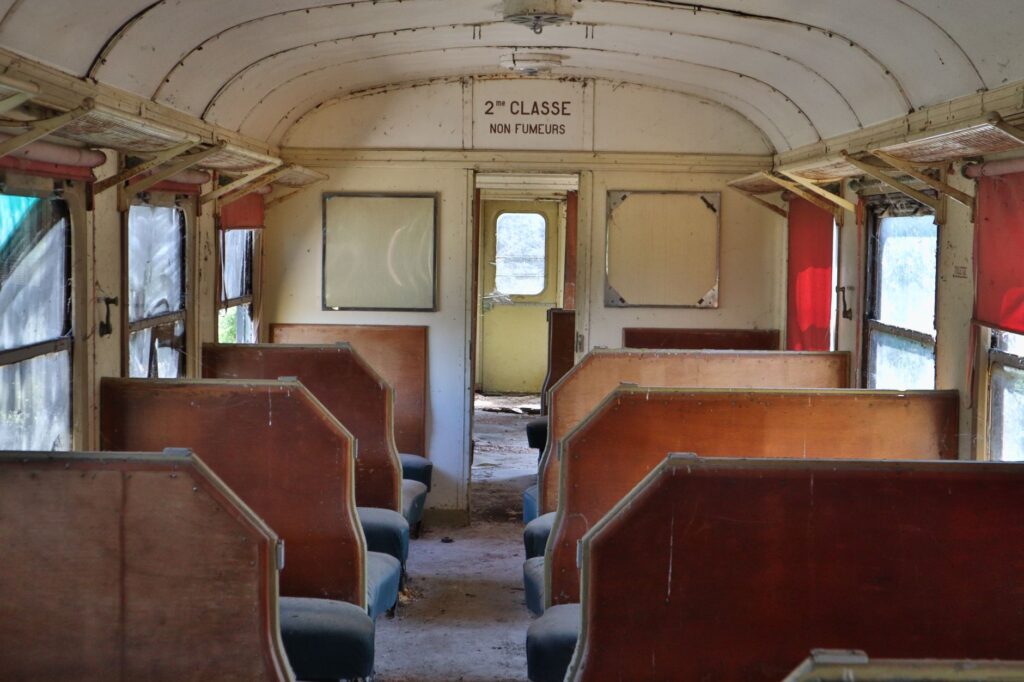
On board, space organization follows a classic yet functional hierarchy. First-class compartments (Spalny Vagon or SV) offer private two-berth cabins; second-class (Kupé) accommodates four passengers; and third-class (Platskart) removes partition walls in favor of open bunks arranged along a dynamic, bustling lateral corridor. In this latter format, privacy vanishes, making it the finest sociological observatory of the journey. Here, the exchange of food, vodka, travel anecdotes, and printed maps with locals and merchants forms the true essence of the transcontinental experience, far surpassing any purely scenic attraction.
Logistics of Provisioning and Daily Life Inside the Carriage
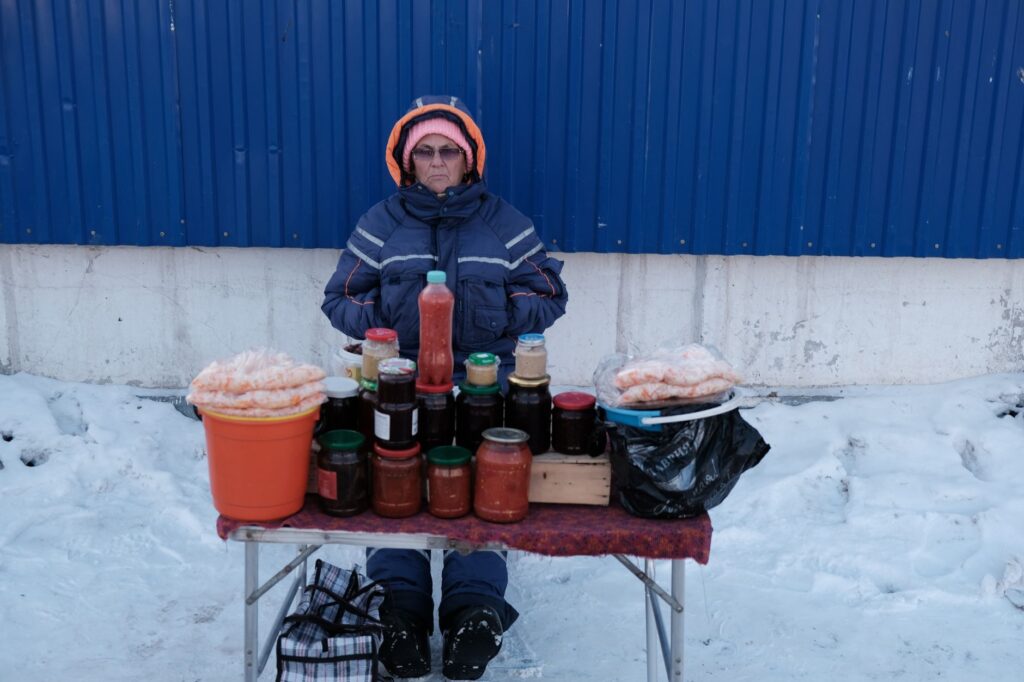
Surviving weeks on the rails requires mastering the use of the samovar, the traditional water heater occupying the end of each carriage that operates uninterrupted twenty-four hours a day. Hot water is the most valuable resource on board: it rehydrates instant noodles, prepares steaming tea, and cooks dehydrated potato purees supplementing provisions acquired at brief station stops where the train halts. These technical stops, lasting from five to forty minutes, are authentic logistical survival rituals. On platforms in remote Siberian or steppe settlements, local women display improvised tables laden with smoked Baikal fish, homemade dumplings (pirozhki), wild berries, and fermented milk.

The dining car, meanwhile, acts as a shifting microcosm reflecting the economy and culture of the nation traversed at any given moment. From decadent luxury with linen tablecloths and heavy stews in Russian territory to the simplicity of mutton- and vegetable-based dishes in Mongolian dining cars, this space serves as a neutral meeting point where expeditioners can stretch their legs and strategize their route. However, relying exclusively on the dining car is a rookie mistake; mid-journey supply shortages or shifting accepted currencies demand a well-structured personal larder within the compartment.
The train is not merely a vehicle to reach a destination, but a sovereign territory in constant motion where political borders blur behind frosted windowpanes.
The Mongolian Border: Geographical and Cultural Turning Point
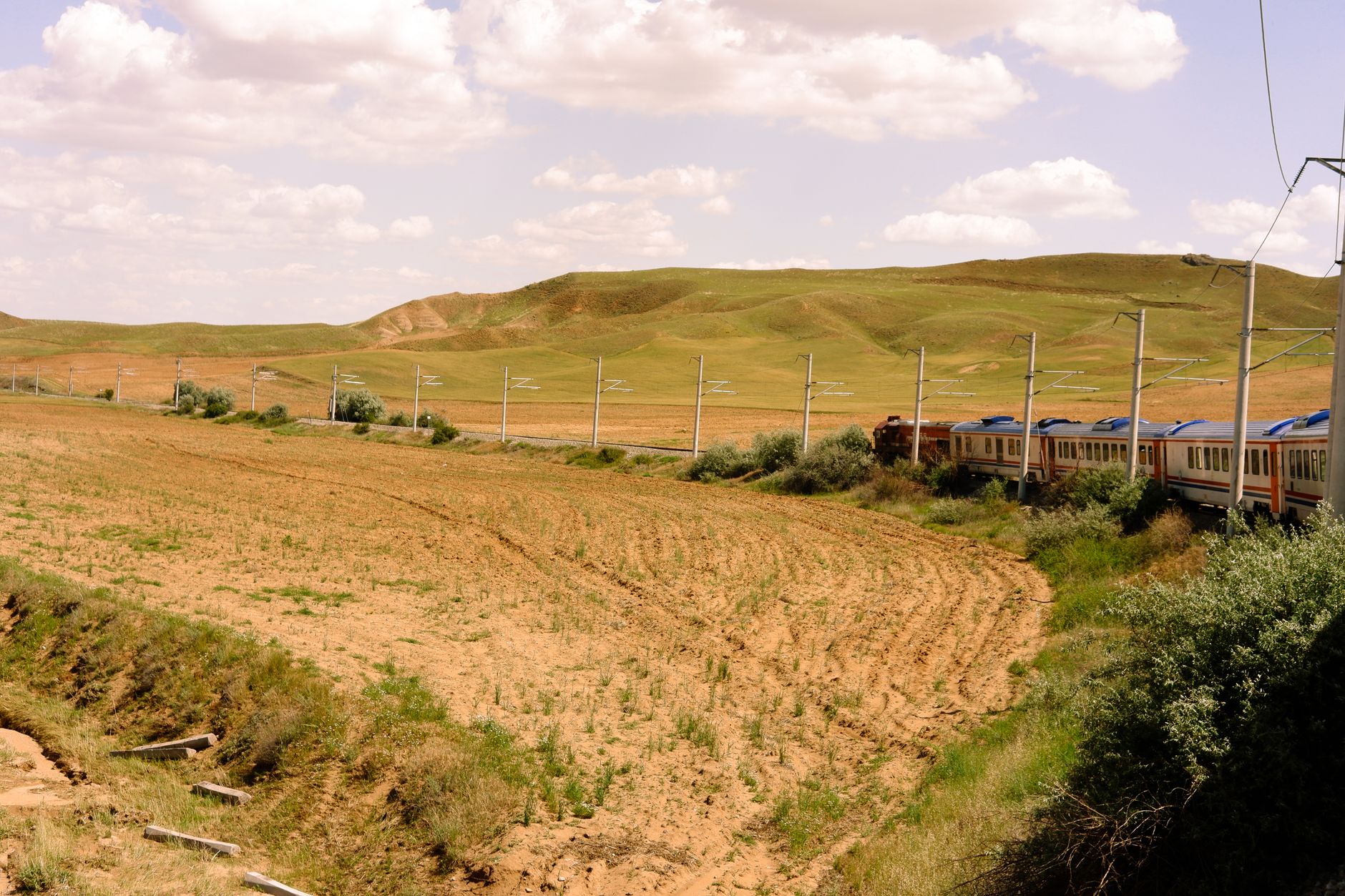
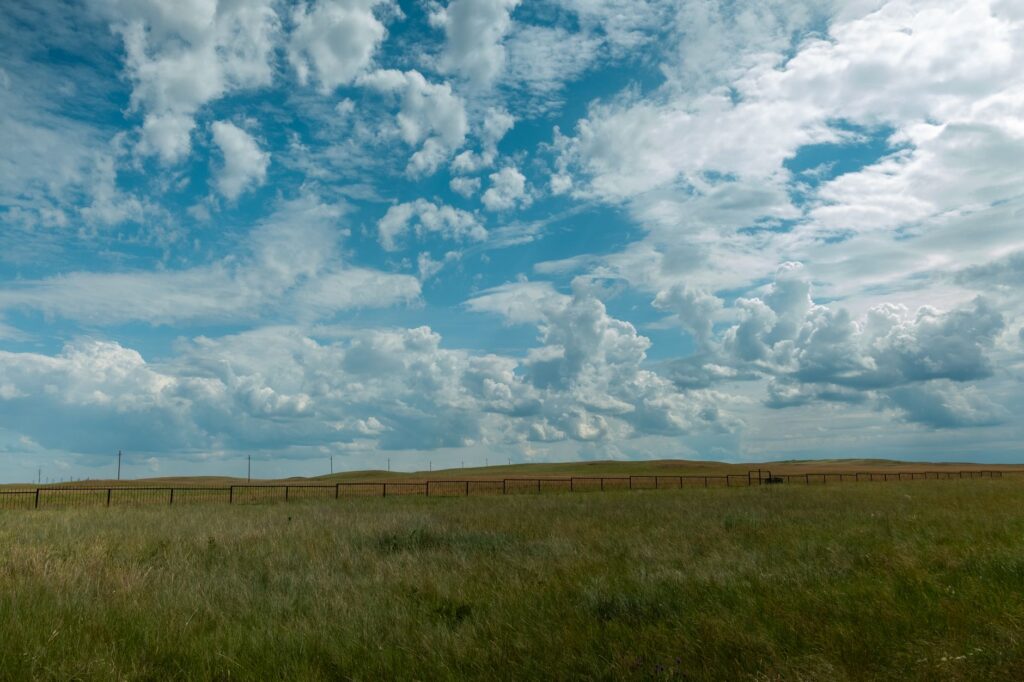
When the train crosses the border into Mongolia, the endless taiga of larch and pine trees abruptly yields to a mineral vastness of rolling plains and infinite skies. Here, the landscape becomes the absolute protagonist of the expedition. The tracks run parallel to dirt trails where nomad riders herd semi-feral horse stocks, and the circular silhouettes of gers dot the valley like white dots on an ochre and green canvas. In this section of the journey, the railway rhythm matches the slow pace of pastoral nomadism, and stops lengthen at small stations where the smell of dried dung burned as fuel permeates the outdoor air.
Managing luggage and photographic gear across this stretch requires taking extreme precautions against fine steppe dust, capable of penetrating the tightest seals on cameras and laptops. Extreme continental weather generates drastic temperature swings within hours, shifting from blinding daytime sun to severe freezes the moment the sun drops behind the Altai mountains. Expeditioners must provision portable power backup systems and spare batteries, as power outlets in older carriages are limited, intermittent, or directly incompatible with sensitive electronic gear without proper voltage stabilization.
Practical guide
Planning and Visas: Coordinated acquisition of Russian, Mongolian, and Chinese visas must be carried out in strict chronological order and with exact validity matching the dates of issued train tickets. Any alteration to railway bookings will invalidate consular permits.
Ticket Logistics: Tickets for the Trans-Mongolian are not sold via a single unified global platform. It is necessary to arrange the Moscow-Irkutsk, Irkutsk-Ulaanbaatar, and Ulaanbaatar-Beijing segments through specialized local agencies or the official websites of national railways up to 90 days in advance.
Currency and Payments: On board and in rural areas of Siberia and Mongolia, cash (rubles and Mongolian tugriks, alongside pristine US dollars) is indispensable. International credit cards frequently fail due to banking restrictions or lack of satellite connectivity.
Recommended Gear: Merino wool layer clothing, comfortable soft-soled footwear for inside the carriage, a lightweight sleeping bag for regional trains, and a portable water filter or purifying tablets to ensure water potability outside major cities.
Dusk Over the Gobi Desert and the Silence of the Tracks
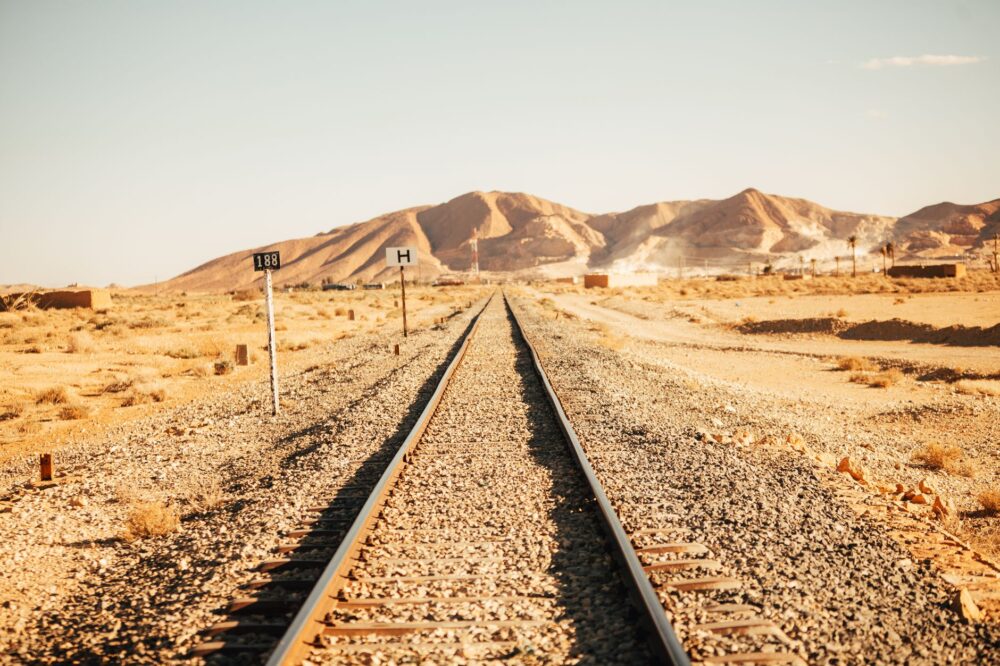
The final days of the journey before reaching the Chinese border immerse the traveler in the relentless geology of the Gobi Desert. From the window, red sand dunes and rocky plateaus stretch to the horizon, interrupted only by power pylons and the solitary trace of railway tracks that seem to dissolve into nothingness. In these twilight hours, when daytime heat gives way to a fresh wind rattling the carriage metal, the journey takes on a profoundly introspective character. The accumulation of kilometers, the shifting faces of compartment companions, and the geological immensity of the Asian continent distill a profound sense of absolute earthly isolation.
The end of the expedition in the metropolis of Beijing operates as a sharp sensory awakening. Urban bustle, demographic density, and the architectural contrast between traditional hutongs and glass-and-steel financial districts act as the perfect antithesis to days of steppe silence. Yet, the residue left by the Trans-Mongolian lingers long after stepping off the platform. It is not about having completed a sporting feat or having visited unique monuments, but about having grasped, through the steady rattling of metal, the true scale of massive continental landmasses and the persistence of the cultures inhabiting them in harmony with the wilderness.