
The Basalt Fortress in the Heart of Ethiopia
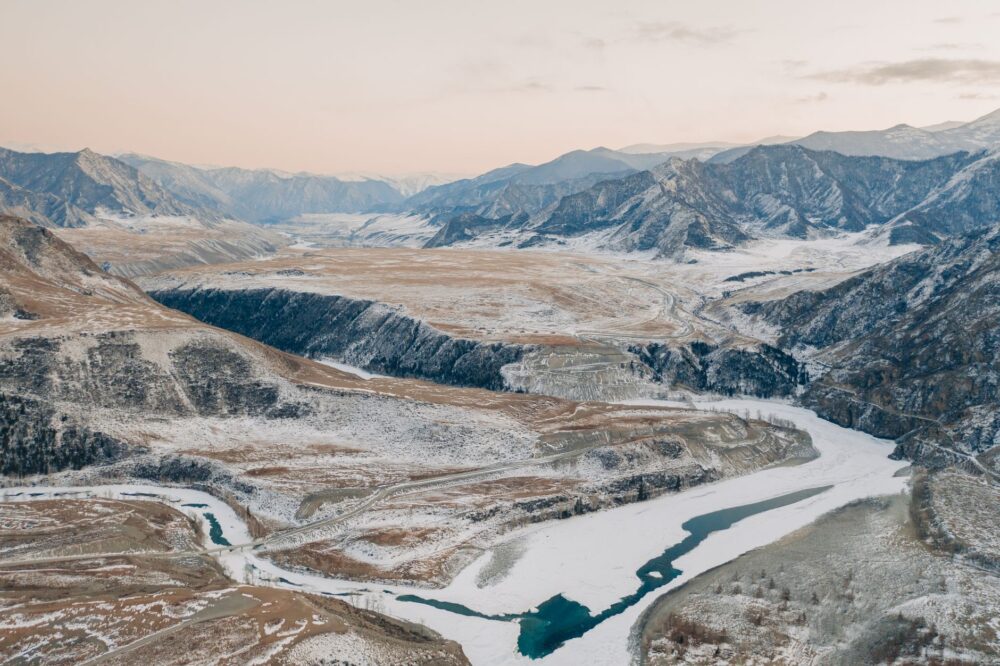
At the northern edge of the Ethiopian plateau, the land fractures into a succession of abysses and plateaus that defy the logic of erosion. The Simien Mountains are not merely a mountain range; they are the result of massive volcanic activity occurring 40 million years ago, where lava flows thousands of meters thick were subsequently sculpted by glaciation and rain. This terrain, known as the Roof of Africa, hosts altitudes exceeding 4,000 meters, creating an archipelago of biodiversity surrounded by the aridity of the lowlands. Here, geographic isolation has allowed evolution to follow divergent paths, giving rise to species that exist nowhere else on the globe.
The importance of this territory transcends its visual spectacularity. The Simien Mountains National Park, declared a UNESCO World Heritage site in 1978, represents one of the few remaining refuges for Afro-alpine fauna. However, its beauty is as immense as its fragility. Demographic pressure, extensive grazing, and the climate crisis have placed this ecosystem at a historical crossroads. Understanding the Simien requires looking beyond its dizzying escarpments and delving into the complex web of interdependencies between its volcanic geology, its endemic species, and the human communities that have inhabited these peaks for millennia.
Orogeny and Natural Sculpture: The Origin of the Abysses
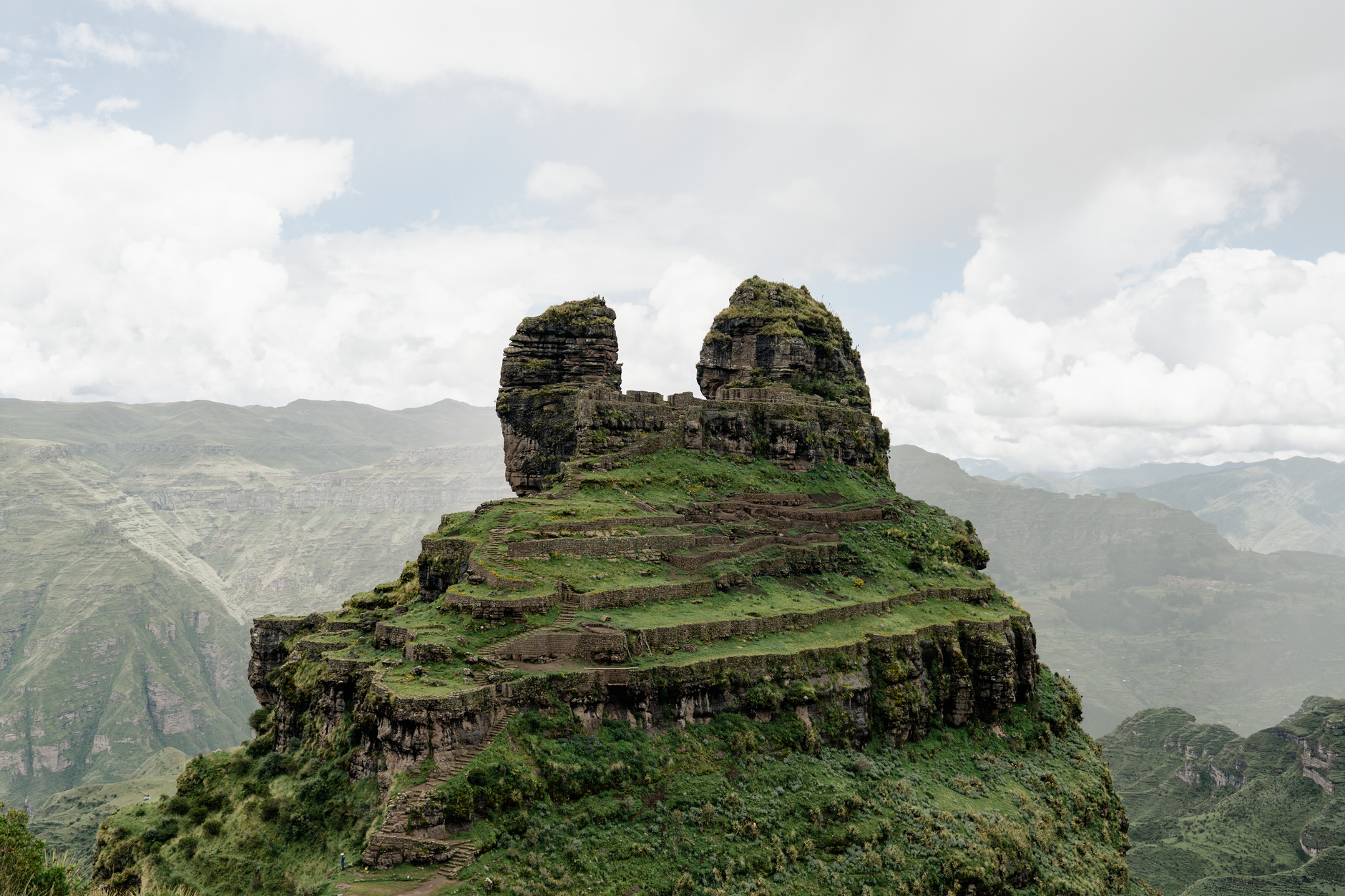
The geology of the Simien is a testament to the tectonic power of the East African Rift. The massif was formed from a shield volcano of colossal dimensions, whose eruptions covered the region with successive layers of basalt. Over eons, fluvial erosion and freeze-thaw cycles fractured this platform, creating the characteristic ambas: flat-topped mesas surrounded by near-vertical precipices that drop more than 1,500 meters toward deep valleys.
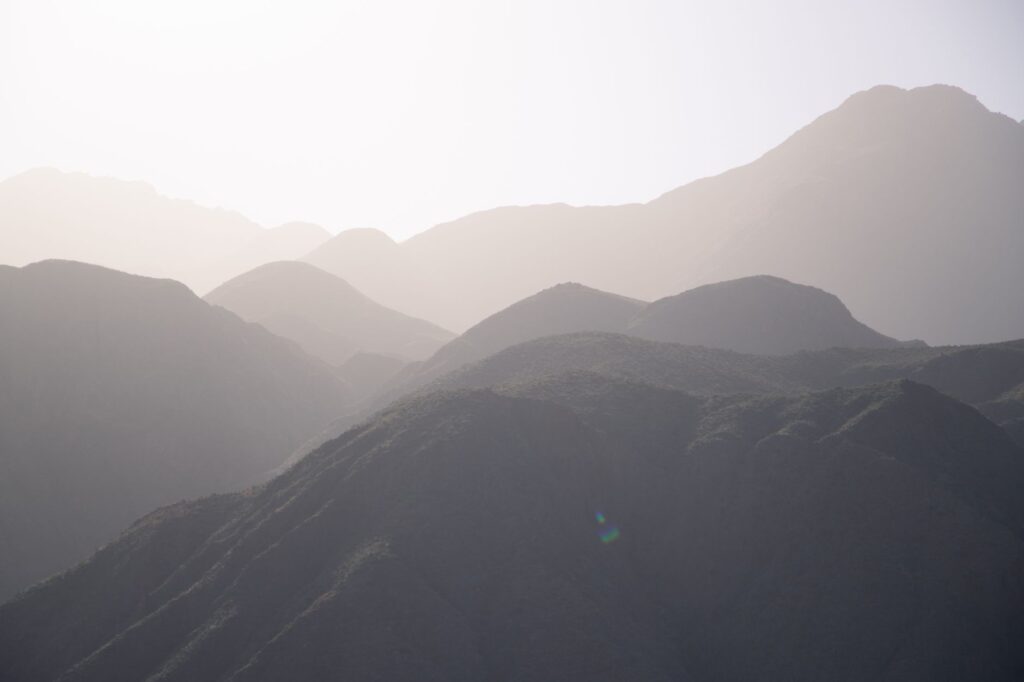
This stepped structure is not just an aesthetic phenomenon; it is the engine of the region’s climatic diversity. While the valleys suffer from stifling heat and savanna-type vegetation, the peaks see temperatures drop below freezing every night. This altitudinal stratification creates specific microclimates where flora and fauna must adapt to extreme conditions of solar radiation and daily thermal oscillation.
«The Simien are the chessboard of the gods, where every move of erosion has left a piece of basalt suspended between the clouds and the abyss.»
The soil composition, rich in volcanic minerals but extremely thin in the high zones, determines the presence of specialized vegetation. Water retention in these soils is critical, and any alteration in the plant cover can trigger irreversible erosion processes that threaten both biodiversity and the livelihoods of local populations.
The Gelada: The Primate of the Peaks
If there is a living symbol of the Simien, it is the Gelada (Theropithecus gelada). Often mistaken for a baboon, this primate is the last representative of a lineage that once dominated the grasslands of Africa. Unlike other primates, geladas are exclusively herbivorous, feeding almost entirely on the blades of grass that grow on the high plateaus. Their social adaptation is fascinating: they live in bands that can exceed 400 individuals, organized into complex reproductive units.
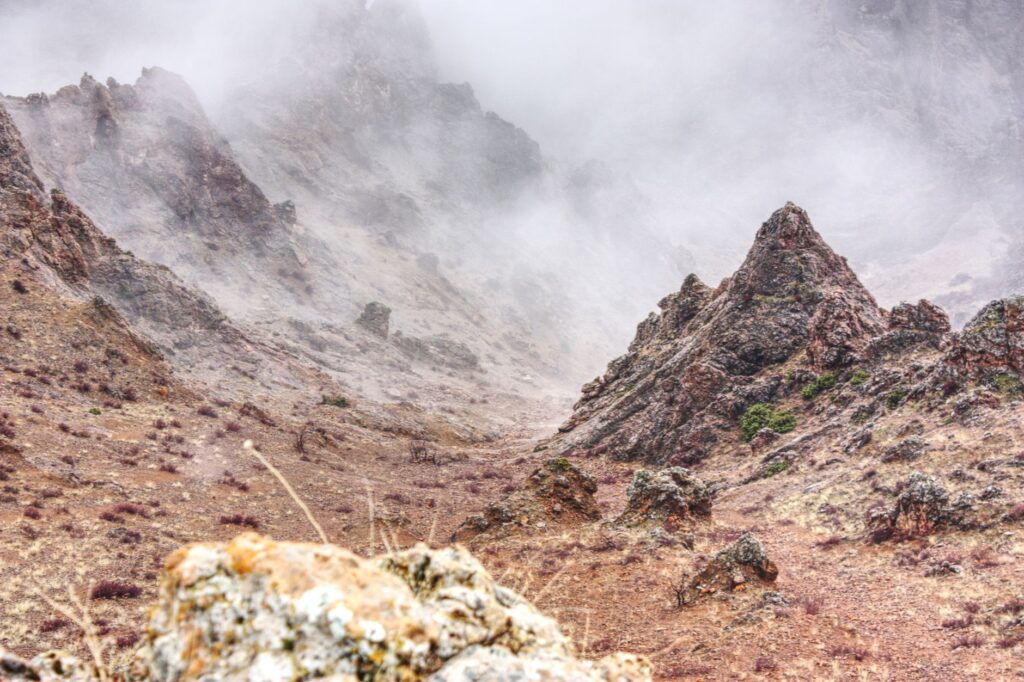
The anatomy of the gelada is perfectly designed for life on the edge of the precipice. Their short, robust fingers allow them to climb vertical walls with astonishing agility, using the cliffs as a nocturnal refuge against predators such as leopards or spotted hyenas. Furthermore, they feature a characteristic patch of red skin on the chest, which functions as an indicator of social status and health, earning them the nickname bleeding-heart monkeys.
Social Dynamics and Survival
- Complex Communication: They possess one of the most varied vocal repertoires among non-human primates, comparable in complexity to basic syntax.
- Social Grazing: They spend 60% of their day sitting, gathering grass, which has led to the evolution of a unique padded rump structure.
- Fluid Hierarchies: Females are the stable core of the unit, while males compete for reproductive access through visual displays.
The Walia Ibex and the Ethiopian Wolf: On the Edge of Extinction
Higher up, where the air becomes thin and vegetation is reduced to lichens and mosses, dwells the Walia Ibex (Capra walie). This mountain goat, with majestic horns and a robust build, is strictly endemic to the Simien Mountains. For decades, poaching and habitat loss reduced its population to a few hundred individuals, leading the park to be placed on the List of World Heritage in Danger in 1996.
Alongside the Walia, the Ethiopian Wolf (Canis simensis) patrols the moorlands. It is the world’s rarest canid and Africa’s only wolf. Unlike its European or American relatives, the Ethiopian wolf is a solitary hunter of giant rodents, such as the big-headed mole-rat. Its survival depends on the integrity of high-mountain wetlands and the absence of diseases transmitted by domestic dogs, such as rabies and distemper, which have decimated its populations in the past.
Flora of the Giants: Lobelias and Heathers
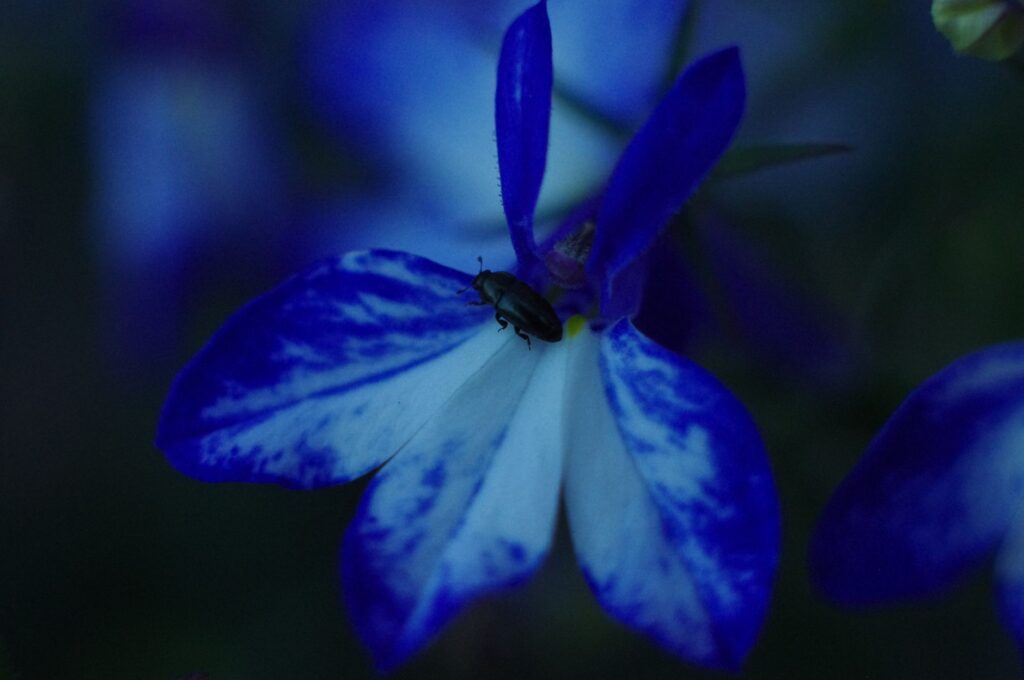
The vegetation of the Simien is organized into bioclimatic belts. Above 3,000 meters, the landscape is dominated by the Lobelia rhynchopetalum, a giant plant that looks as if it were taken from a science fiction novel. These lobelias can take decades to bloom, producing an inflorescence up to three meters high before dying, leaving their seeds to the freezing mountain wind.
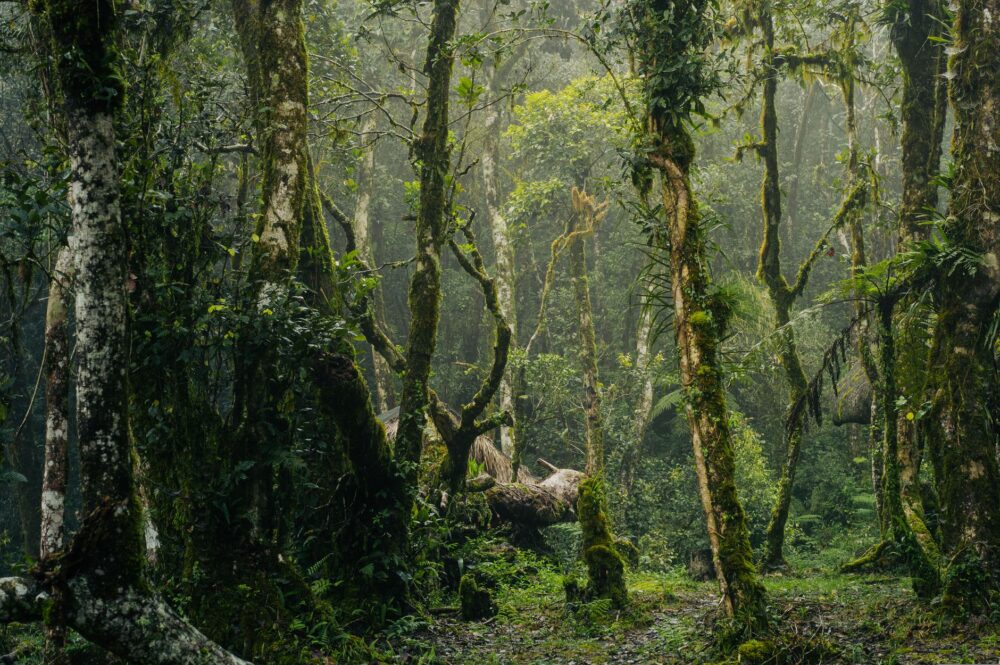
On protected slopes, forests of Erica arborea (giant heather) create a mystical atmosphere, with twisted trunks covered in mosses and lichens that trap moisture from the clouds. These forests are vital for the region’s water regulation, acting as sponges that feed the rivers flowing toward the Blue Nile. The degradation of these forests for firewood collection is one of the greatest environmental challenges facing the park administration.
«The giant lobelia is the lighthouse of the moorland; a tower of life that resists the nightly ice and the scorching sun of the Ethiopian midday.»
Ras Dashen: The Challenge of the Summit
At 4,550 meters above sea level, Ras Dashen is the highest point in Ethiopia and the tenth in Africa. Although its ascent does not require technical climbing skills, the altitude and the remoteness of the terrain make it a demanding expedition. The path to the summit passes through remote villages where time seems to have stood still, and where the hospitality of the Ethiopian highlanders is a constant.
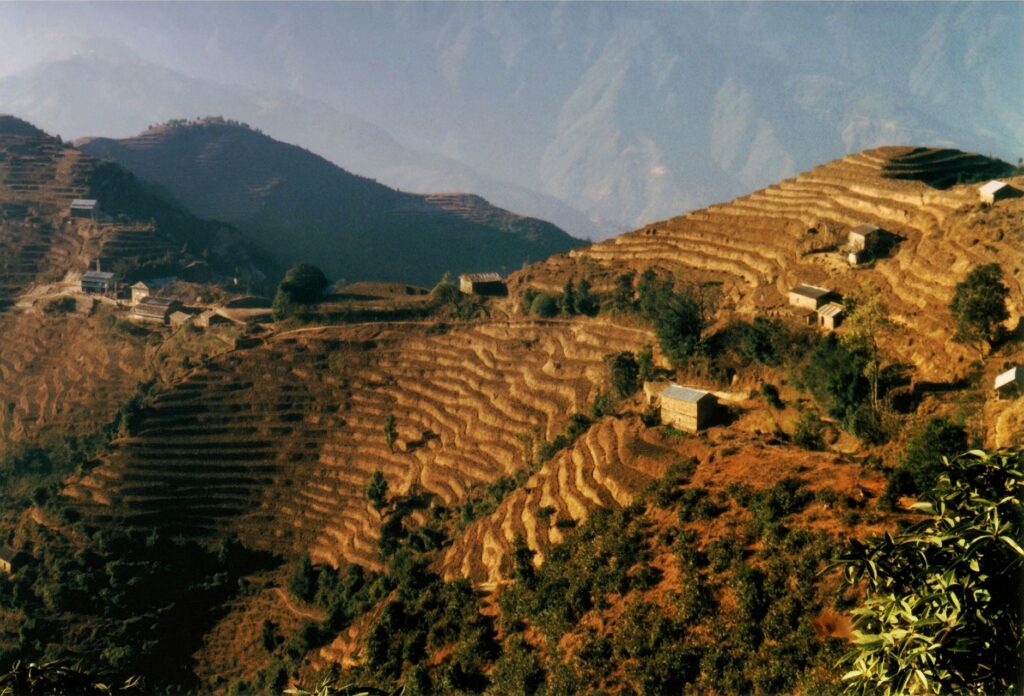
From the top, the view extends over a sea of jagged peaks and valleys disappearing into the mist. It is here that the magnitude of the Ethiopian hydrological system is understood. The Simien are, literally, the water tower of the region. However, the retreat of seasonal snows and the variability of rainfall are altering the agricultural cycles of the communities that depend on these flows, proving that even the most remote places are not immune to global change.
Communities in the Clouds: The Human Factor
Unlike national parks in other parts of the world, the Simien have been inhabited by humans for centuries. The Amhara communities practice subsistence agriculture on improbable slopes, growing barley and raising livestock. This human presence is an integral part of the cultural landscape, but it also generates conflicts over resource use.
The current challenge is the transition toward a conservation model that includes the local population. Ecotourism has begun to provide alternative income through guides, muleteers, and lodging services, reducing dependence on grazing in critical areas for wildlife. However, infrastructure remains precarious, and regional political instability has intermittently affected the flow of visitors, highlighting the need for resilient and diversified management.
Practical guide
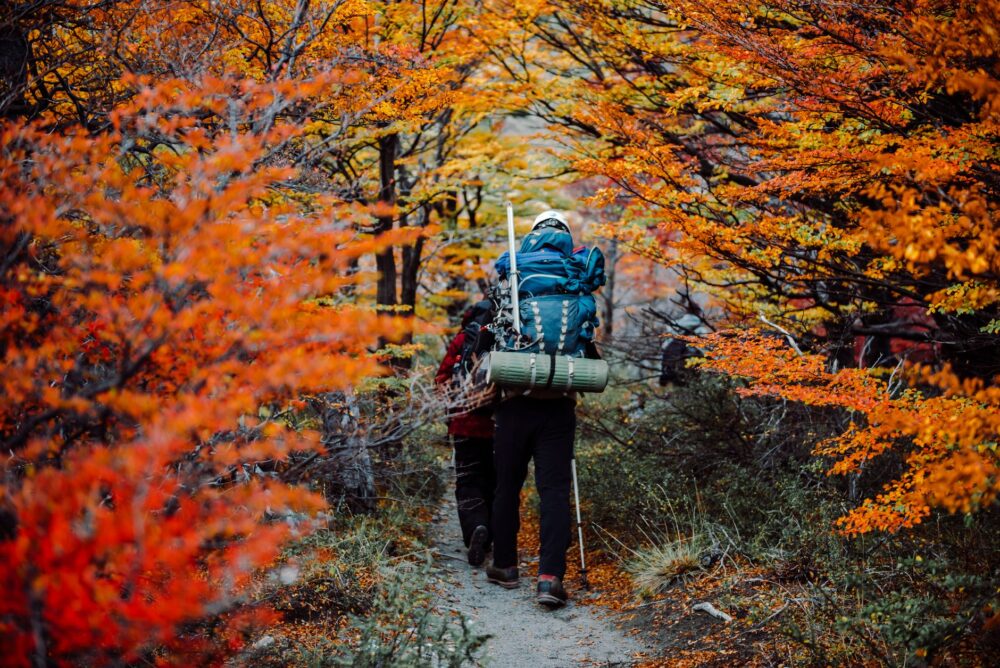
To visit the Simien Mountains, the starting point is the town of Debark, located about 100 kilometers north of Gondar. It is mandatory to hire an official guide and an armed scout (a tradition that also supports the local economy and ensures safety). The best time for trekking is from October to March, after the rainy season, when the landscape is green and visibility is at its peak.
- Access: Daily flights from Addis Ababa to Gondar, followed by a 2-to-3-hour road trip to Debark.
- Equipment: It is essential to have technical clothing for extreme cold (night temperatures drop below freezing) and high-intensity sun protection.
- Health: Malaria prophylaxis is necessary for the lowlands, but the main concern in the park is altitude sickness. Gradual acclimatization in Gondar (2,100 m) is recommended before ascending to the plateaus.
- Permits: These are managed at the park’s central office in Debark, where services for muleteers and cooks for multi-day expeditions are also coordinated.
The Last Horizon of the Simien
As evening falls over the Chenek campsite, the silence is broken only by the wind whistling through the heathers and the distant bark of a gelada. In this moment, the majesty of the Simien reveals itself not as a tourist destination, but as a living organism breathing through its waterfalls and basalt peaks. The survival of this ecosystem is not just Ethiopia’s responsibility, but an imperative for the conservation of the planet’s natural heritage.
Looking into the abyss from an amba is to face the scale of geological time and the fragility of life. In the golden gaze of a Walia Ibex watching from an inaccessible cliff resides the hope that this refuge in the clouds will remain, for many centuries to come, the impregnable sanctuary of the Roof of Africa. The mountain does not ask to be conquered, but to be understood and protected in its wild and vertical solitude.