
One thousand kilometers from the mainland coast of Ecuador, the Galápagos Islands represent more than just the sanctuary of biodiversity that inspired Charles Darwin; today, they have become the planet’s most ambitious testing ground for insular energy transition. In a territory where every species tells a story of ancient adaptation, human intervention now seeks to retrace the path of carbon dependency. The challenge is colossal: to supply a growing population and a constant flow of tourists without altering the delicate balance of an ecosystem that knows no boundaries between land and sea.
This report explores the metamorphosis of an archipelago that has decided its future depends on the invisibility of its footprint. From the world’s first green airport on Baltra to the implementation of solar-powered vessels in the bays of Santa Cruz, the Galápagos are redesigning the logistics of life in isolation. It is not merely about technology, but a new philosophy of coexistence where transportation ceases to be a disturbance and becomes an ally of conservation.
The Gateway: Baltra and the World’s First Sustainable Airport
The journey toward sustainability begins before touching solid ground. The Galápagos Ecological Airport (Seymour), located on the island of Baltra, is the first infrastructure of its kind to receive LEED Gold certification. Built with recycled materials—including oil drilling pipes from the Amazon—and designed to run exclusively on solar and wind power, the airport utilizes natural air currents for cooling, eliminating the need for mechanical air conditioning.
Baltra’s importance lies in its role as a logistical hub. Here, passenger flow management is integrated with environmental protection. The terminal does not consume municipal water; instead, it uses its own desalination plant, and every drop is treated for reuse. This model has proven that it is possible to manage high-intensity tourism while drastically reducing environmental impact from the visitor’s very first contact with the archipelago.
However, Baltra’s challenge does not end with its structure. Connectivity between this island and Santa Cruz, the economic heart of the Galápagos, has historically depended on internal combustion ferries. Currently, prototypes of electric barges are being tested for the crossing of the Itabaca Channel, a passage of just a few hundred meters that, multiplied by thousands of daily trips, represents a significant source of emissions and underwater noise affecting local marine species.
The Zero Fossil Fuels Initiative: A State Commitment
Since 2007, the Ecuadorian government, in collaboration with international agencies, launched the «Zero Fossil Fuels in Galápagos» initiative. The primary goal is to eradicate the use of petroleum derivatives in electricity generation and land transport. This plan is not a technical utopia but a direct response to the archipelago’s vulnerability to potential spills, such as the tragic Jessica vessel accident in 2001.
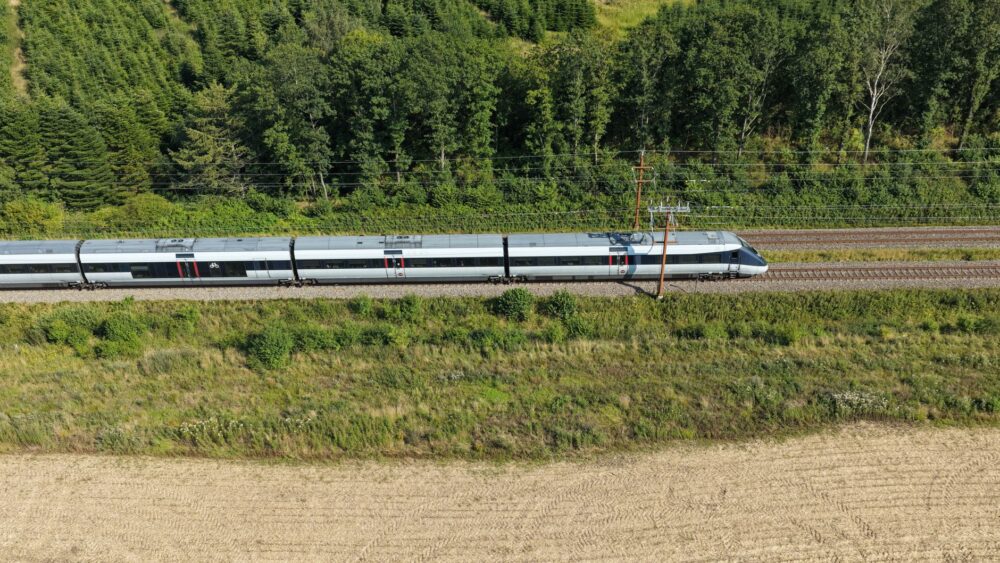
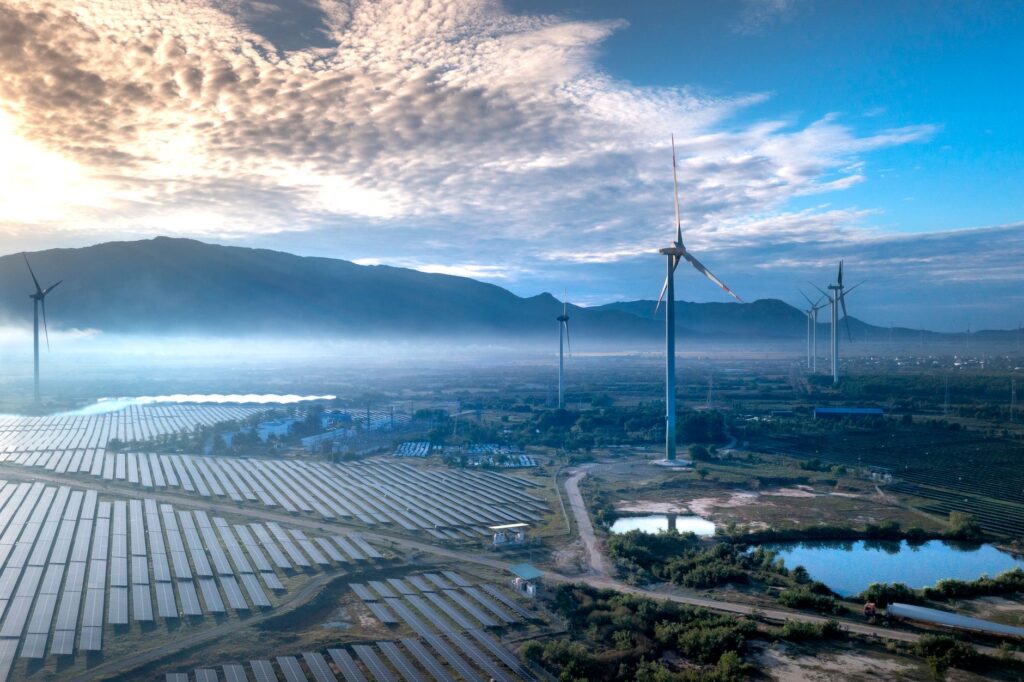
The transition rests on three pillars: wind energy, photovoltaics, and large-scale battery storage. On San Cristóbal Island, the El Tropezón wind farm already supplies a substantial portion of the electrical demand, reducing the need to transport diesel from the mainland. This system is complemented by solar parks in Santa Cruz and Isabela, creating a hybrid grid that aims for total autonomy.
«Sustainability in the Galápagos is not an aesthetic choice; it is a survival condition for the planet’s most valuable ecosystem.»
The impact of this transition is visible on the streets of Puerto Ayora. The introduction of electric vehicles, from motorcycles to light-duty cargo trucks, is changing the soundscape of the islands’ most populated city. The silence of electric motors allows the song of finches and the murmur of waves to reclaim their space in the urban environment, improving the quality of life for residents and the experience for travelers.
Solar Navigation: The Future of Bay Tours
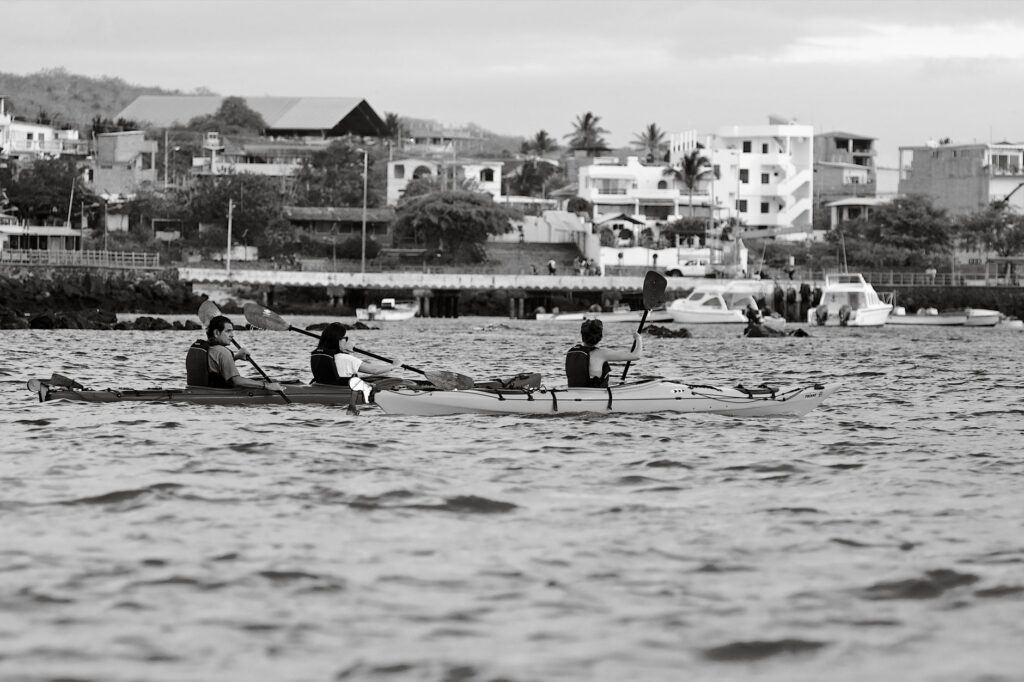
The heart of the Galápagos economy is the sea. Bay tours and inter-island transport are the most demanded services, but also the hardest to decarbonize due to the power required for open-ocean navigation. Nonetheless, in the calm waters of the bays, the revolution has already begun. Vessels like the ‘Solaris,’ a catamaran propelled entirely by solar panels, are already operating in Santa Cruz.
These ships not only eliminate CO2 emissions but also remove the risk of oil and fuel spills in highly sensitive areas, such as mangroves and blacktip shark nurseries. Silent navigation allows for a closer approach to fauna without generating the acoustic stress caused by traditional outboard motors, enabling a much more ethical and profound observation of wildlife.
The current technical challenge lies in range. While solar technology is fully viable for short trips, long-distance routes between islands (such as the Puerto Ayora – Puerto Villamil journey) are exploring hybrid systems. The goal is that by 2030, at least 50% of the coastal fleet will utilize some form of electric assistance or low-footprint synthetic fuels.
Local Communities: The Human Engine of Transformation
No technological change succeeds in the Galápagos without the support of its 30,000 inhabitants. The local community has shifted from being spectators to protagonists of sustainability. Environmental education programs in local schools are training the next generation of guides, scientists, and tourism managers under a clear premise: natural capital is the islands’ only real asset.
In the transport sector, taxi cooperatives in Santa Cruz have begun renewing their fleets with high-efficiency electric vehicles. Although the initial cost is higher, government incentives and savings in maintenance and fuel are convincing owners. This shift not only has a global benefit but also reduces economic dependence on fuel subsidies, which are often unstable.
Furthermore, waste management has been integrated into logistical logic. The Galápagos recycling system is one of the most efficient in Latin America, with source separation reaching 50% of generated waste. The transport of these materials to the mainland for final processing is carried out by utilizing cargo space on supply ships, optimizing every logistical journey.
Bioclimatic Architecture and the Urbanism of Respect
Urban growth in Puerto Ayora, Puerto Baquerizo Moreno, and Puerto Villamil has posed significant challenges. Traditional architecture, dependent on air conditioning, is giving way to bioclimatic designs that recover ancestral cross-ventilation techniques and the use of local materials like volcanic stone. Building with the climate rather than against it is the new norm in public infrastructure projects.
New interpretation centers and scientific stations, such as the Charles Darwin Foundation, serve as models for this new urbanism. Open spaces, high ceilings, and rainwater harvesting systems minimize the demand for external resources. This architectural coherence reinforces the message that the Galápagos is a place where human presence should be as light as a frigatebird soaring over the ocean.
«The success of the Galápagos will not be measured by how many tourists it receives, but by the integrity of the ecosystem we leave for future generations.»
The integration of pedestrian paths and bike lanes between urban centers and nearby visiting sites, such as Tortuga Bay, encourages soft mobility that reduces the need for motorized vehicles. Walking or cycling along these paths, surrounded by endemic vegetation, allows for a sensory connection with the environment that conventional transport simply cancels out.
Challenges and the Road to 2050
Despite the progress, the path to total decarbonization presents significant hurdles. The high salinity of the marine environment accelerates the corrosion of electrical components, and managing batteries at the end of their life cycle requires complex logistics to prevent them from becoming hazardous waste within the islands. Research into new alloys and circular recycling systems is a priority for the Galápagos National Park Directorate.

Another challenge is scalability. While solar solutions work for small communities, the energy demands of expedition cruise operations—which spend weeks at sea—require higher energy density solutions, such as green hydrogen or second-generation biofuels produced from organic waste.
International commitment is fundamental. The Galápagos act as a beacon for other Biosphere Reserves. Lessons learned here regarding micro-grid management and clean transport are exportable to other archipelagos in the Pacific and Caribbean facing similar threats from climate change and rising sea levels.
Practical Guide
- Inter-island Transport: To move between Santa Cruz, San Cristóbal, and Isabela, it is recommended to use authorized speedboats. Look for those participating in energy efficiency programs.
- Local Mobility: In Puerto Ayora and Puerto Baquerizo Moreno, prioritize the use of bicycles or electric taxis. Most nearby points of interest are accessible on foot.
- Conscious Luggage: Minimize the use of single-use plastics. Although the islands have an excellent recycling system, the best management is that which generates no waste.
- Respect for Wildlife: Always maintain a minimum distance of two meters from animals, even if they approach you. Noise is a form of pollution; avoid shouting or loud music in natural areas.
- Local Support: Consume products from local markets and hire certified Galápagos guides. Direct economic benefit for the community ensures the continuity of conservation projects.
- Best Time to Visit: From December to May, the waters are warmer and calmer, ideal for solar navigation, though it is the rainy season. From June to November, the Humboldt Current brings nutrient-rich waters and more marine life.
The Gaze of Lonesome George: A Lesson in Urgency
In the visitor center of the Charles Darwin Research Station, the preserved body of Lonesome George, the last individual of his species from Pinta Island, stands as a silent reminder of the fragility of life. George is not just a museum piece; he is a symbol of what we lose when we do not act in time. His extinction marked the end of a lineage millions of years old, reminding us that in the Galápagos, the word ‘late’ has definitive consequences.
The transition toward clean transport and energy is not just a technical advancement; it is an act of historical reparation. By choosing to move more silently and cleanly, we are allowing the species that still inhabit these islands to avoid following George’s path. The future of the Galápagos depends on our ability to finally be the species that protects rather than displaces. At the end of the day, as the sun sets behind the lava horizon of Isabela, the greatest reward is knowing that paradise remains intact, vibrating under a sky no longer darkened by the smoke of the past.