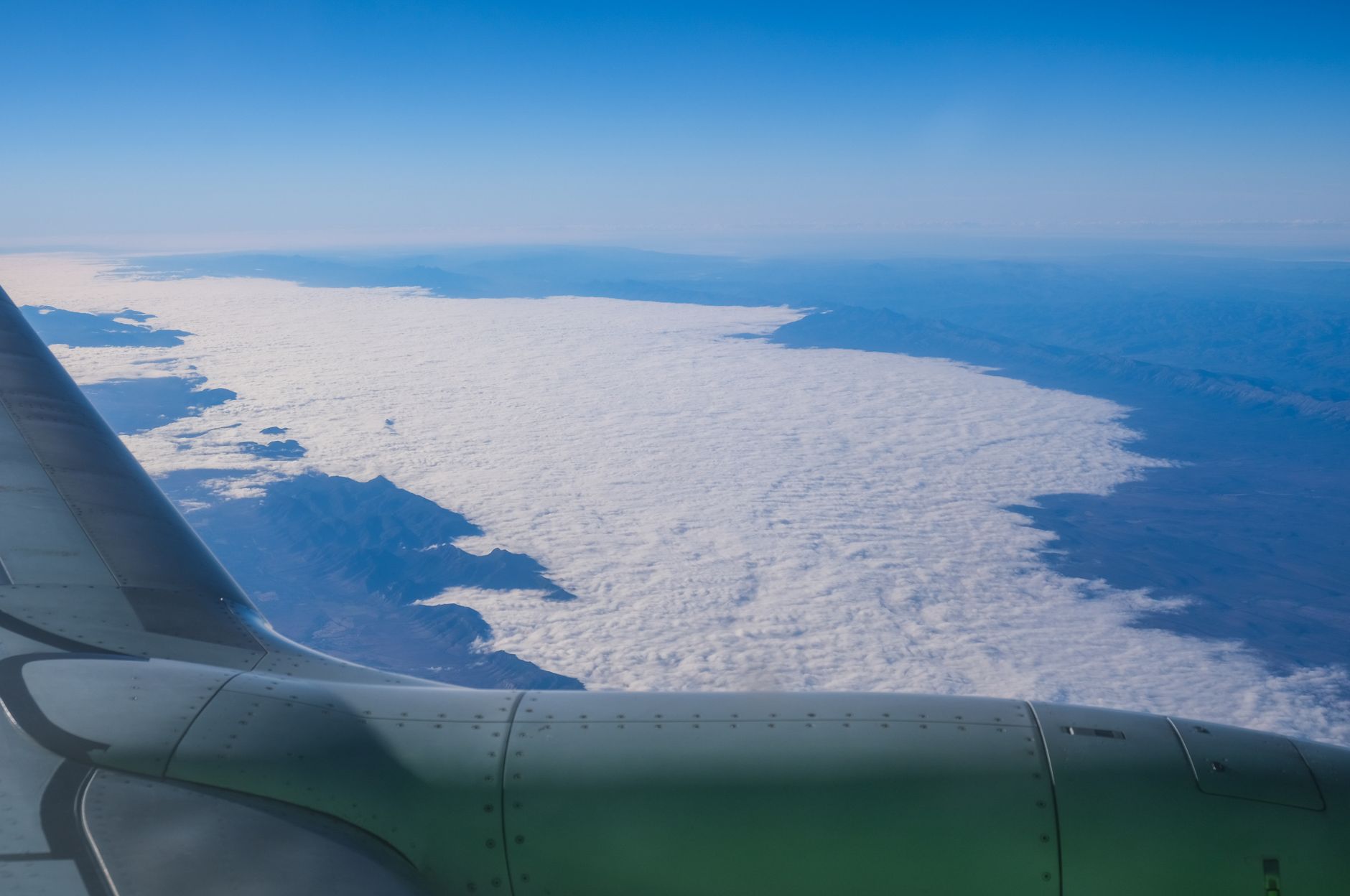

The Sea of Cortez, christened by Jacques Cousteau as the aquarium of the world, conceals a geographical reality as dazzling as it is implacable. In this vast marine corridor situated between the Baja California peninsula and the Mexican mainland, distance is not measured in kilometers of asphalt, but in the millimetric precision of navigation charts and the expertise of pilots defying crosswinds and diminutive airstrips. While major international circuits capture the attention of the global aviation industry, the true test of logistical endurance is waged in small-scale aerodromes where every takeoff and landing constitutes an act of tightrope walking between nature and the human necessity to stay connected.
Addressing mobility in the most remote islands and coastal enclaves of this region requires understanding that civil aviation is not a vacation luxury, but the authentic umbilical cord guaranteeing economic, sanitary, and social survival. Cargo vessels fulfill an irreplaceable function in transporting heavy volumes, but the fragility of the Gulf in the face of seasonal meteorological phenomena—from violent tropical squalls to persistent northwest winds—turns the regional flight network into the sole rapid and reliable lifeline for medical supplies, mail, and specialized personnel. This report examines the invisible gears that keep a vital air transport system operational in one of North America’s most complex geographical environments.
The Geography of Isolation: When the Desert Meets the Sea
The topographical configuration of the Gulf of California outlines a scenario where arid and mountainous terrain descends abruptly toward deep, biodiverse waters. This abrupt territorial transition drastically hinders the construction of major terrestrial road infrastructures. Populations settled on islands such as Isla Cedros—located on the oceanic slope but closely linked to regional logistics—or in nearly inaccessible coastal strips like Bahía de los Ángeles depend on a network of secondary aerodromes that defy the logic of conventional commercial aviation.

In these latitudes, airport infrastructure is reduced to the strictly functional: runways of deteriorated asphalt or even compacted dirt, absent control towers replaced by local radio systems, and aprons where aircraft maneuverability demands perfect synchronization between the pilot and ground personnel. Regional airlines operating in this demarcation rely on small- to medium-sized turboprop fleets capable of enduring short landings and adapting to the extreme thermal variations characterizing the Sonoran and Baja California deserts.
The maintenance of these facilities frequently relies on a delicate balance of municipal, state budgets, and private contributions from fishing cooperatives and low-impact tourism centers. The scarcity of high-resolution ground weather radars forces flight crews to depend on direct visual observation and reports provided by local fishermen and operators. This scenario configures a transport model where advanced technology coexists with almost artisanal communication methods.
Resistance Fleets: The Role of Turboprops in Insular Survival
The choice of flying stock does not respond to commercial luxury criteria, but to rigorous equations of weight, power, and versatility. Twin-engine turboprop aircraft are the undisputed rulers of this aerial ecosystem. Their capacity to operate on strips barely a thousand meters long, combined with a higher tolerance for low-level turbulence generated by the clash between desert heat and ocean coolness, makes them irreplaceable tools.

These machines endure a severely rigorous operational regime. In a single working day, an aircraft can complete up to four rotations transporting local passengers, natural park maintenance technicians, biological samples, and refrigerated cargo. Cabin space management is an exercise in precision engineering: rear seats are frequently removed to accommodate boxes of medical supplies or spare parts for marine engines. Operational flexibility is the sole rule guaranteeing the economic viability of these low-density passenger routes.
Crews assigned to these routes are not novice pilots; rather, they accumulate thousands of flight hours in reduced visibility conditions caused by sea fog or dust storms locally known as chubascos. Their encyclopedic knowledge of local air currents and the altimetry of surrounding hills represents the true life insurance for communities depending on their punctual arrival.
The Invisible Supply Chain: Mail, Pharmaceuticals, and Perishables
For the casual traveler, a regional flight represents the start of a disconnecting vacation; for the island resident, it is the guarantee that the local pharmacy will have insulin the following morning or that laboratory samples can be analyzed on the mainland in the shortest possible time. Cargo logistics on Gulf of California flights operate under tight schedule margins. The absence of stable cold chains in some secondary aerodromes demands that perishable goods and temperature-sensitive medications travel under strict custody protocols from the moment they leave continental distribution centers.
Regional airlines act, de facto, as emergency postal services. It is not uncommon for passengers to share cabins with federal mail packages, agricultural machinery parts, and even domestic pets requiring urgent veterinary care in specialized mainland hospitals. This multifunctionality turns every flight into a microcosm reflecting the daily urgencies and aspirations of a population living on the margins of global mass transit highways.

The operational costs of maintaining this supply chain are high. The price of aviation fuel in remote airports frequently doubles or triples that of major international hubs due to the complex land transport routes required to supply local tanks. Nevertheless, local operators absorb or redistribute these surcharges by seeking collaboration formulas with state governments to prevent ticket and freight prices from becoming prohibitive for local families.
Adverse Weather and Climate Change: The New Challenge of Desert Skies
In recent years, the traditional climatic stability of the Gulf of California has been disrupted by increasingly erratic weather patterns. The rise in sea surface temperature has intensified the frequency and violence of tropical systems reaching the northern gulf, suddenly transforming clear skies into traps of wind and horizontal rain. For regional aviation, this translates into unexpected cancellations, constant rescheduling, and accelerated fuselage wear due to salt corrosion and sand particle impact.
Operators face the challenge of modernizing their fleets and navigation systems without sacrificing economic competitiveness. The transition toward satellite navigation technologies (GPS and RNAV approach systems) has partially mitigated the limitations of ground infrastructure, allowing safe landings even under morning low-visibility conditions. Nonetheless, the investment required to equip both aircraft and aerodromes represents a significant financial obstacle for regional aviation companies of a family or medium-sized profile.

Likewise, civil aviation authorities enforce increasingly rigorous oversight on maintenance standards and crew rest hours. While this regulation is indispensable to guarantee passenger safety, it also imposes additional administrative and economic pressure on operators already running on very tight financial margins. The survival of this transport ecosystem therefore depends on the ability to reconcile international safety regulations with the operational realities of bush aviation or high geographical difficulty.
Peripheral Airport Architecture: When the Terminal Is a Refuge
Unlike contemporary airports conceived as shopping malls with landing strips, Gulf of California terminals resemble early 20th-century railway stations. These are modest structures, generally single-story, built with materials resistant to extreme heat and saline mist. Inside, the waiting room, customs or immigration dispatch office —when applicable—, and the check-in counter where baggage weight is calculated on traditional mechanical scales coexist.
These spaces fulfill a social function transcending simple air traffic management. On stormy days, when flights are grounded for hours, the small terminal becomes the nerve center of the community: a meeting place where neighbors exchange news, share coffee, and patiently wait for meteorological bulletins to authorize opening the flight window. The architecture, devoid of unnecessary technological artifice, prioritizes robustness and ease of maintenance.
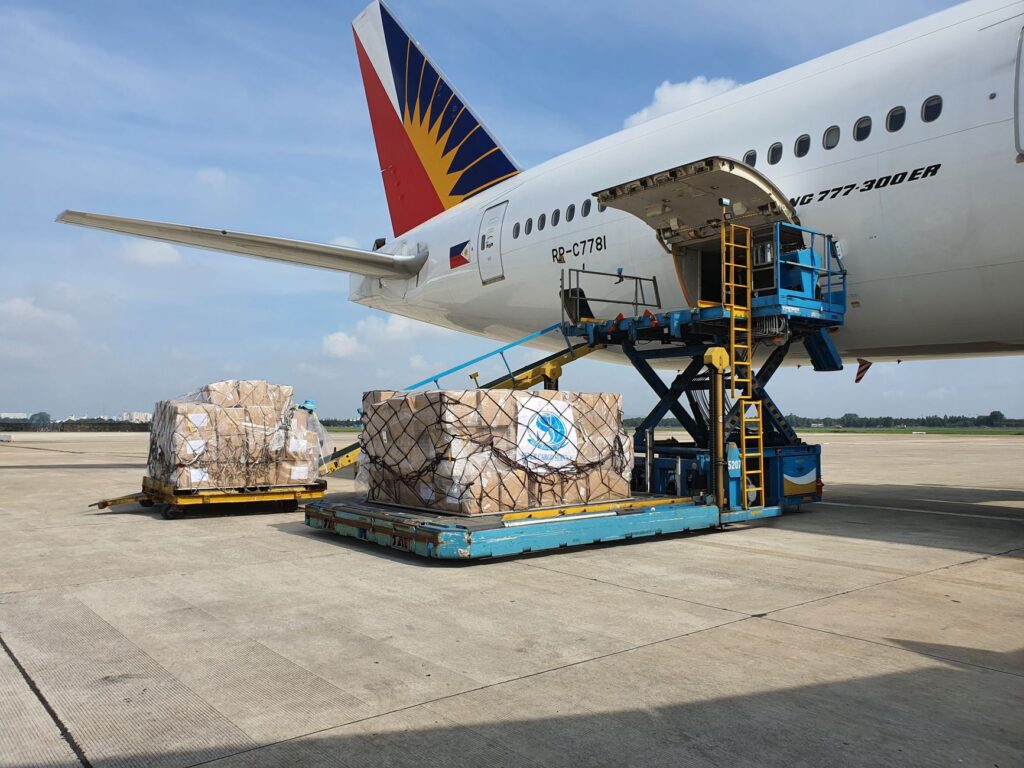
The personnel in these terminals perform multiple roles simultaneously: traffic agent, ramp worker, weather reporter, and liaison with health authorities. This human versatility is the true glue holding together the pieces of a transport system permanently exposed to geographical and climatic contingency.
The true measure of a transport system is not found in the speed with which it connects the world’s major capitals, but in the dignity and reliability with which it secures the daily pulse of the territories most forgotten by mass maps.
Practical guide
Planning a journey across the network of aerodromes and regional routes in the Gulf of California requires abandoning the habits of the conventional traveler and adopting a mindset grounded in flexibility and respect for the rhythms of the natural environment.
- Route Planning and Operators: Most flights toward island communities and isolated coastal areas are operated by authorized regional airlines based in key cities like La Paz, Hermosillo, or Loreto. It is essential to consult directly through official websites or contact these companies via phone, as they rarely appear on major international flight aggregators.
- Baggage Restrictions: Due to the reduced size of the aircraft, weight limits per passenger are strict (generally between 10 and 15 kilograms of checked baggage). Large rigid suitcases are frequently rejected in favor of backpacks or flexible duffels easily accommodated in smaller cargo holds.
- Temporal Flexibility: Meteorological conditions in the Sea of Cortez can close an aerodrome within minutes. It is strongly recommended to add a margin of at least 48 hours of flexibility to itineraries connecting with international flights or unavoidable commitments on the mainland.
- Documentation and Health Requirements: Although these are domestic flights, some island communities and protected natural areas require valid official identification, lodging reservation proofs, or access permits issued by local environmental authorities.
- Supplies and Self-Sufficiency: Destination aerodromes usually lack advanced commercial services (ATMs, specialized shops, or regular public transport). It is necessary to coordinate ground transfers prior to flight arrival with local lodgings or tourism cooperatives.
Epilogue on the Dirt Airstrip
When the twin engine shuts down and silence reclaims the landing strip, the dust kicked up by the wheels slowly dissipates beneath the golden light of the desert dusk. In that fleeting instant, the distance between the hyper-connected world of major metropolises and the silent endurance of island communities vanishes, reminding us that air transport, in its most genuine expression, is much more than a machine conquering gravity: it is the fragile and noble thread allowing humanity to inhabit the remotest corners of the Earth without losing touch with the rest of its kind.