The Invisible Geology Beneath the Fluvial Asphalt
The territory of Ourense, nestled in the interior of Galicia, rests upon a complex network of tectonic fractures that act as natural chimneys for terrestrial heat. Unlike other European thermal centers where water is artificially heated, here the resource wells up spontaneously from the depths of the Earth’s crust at temperatures ranging between 40 and 65 degrees Celsius. This geological phenomenon, studied by hydrologists and geologists over centuries, turns the course of the Miño River into an authentic archipelago of mineral-medicinal springs.
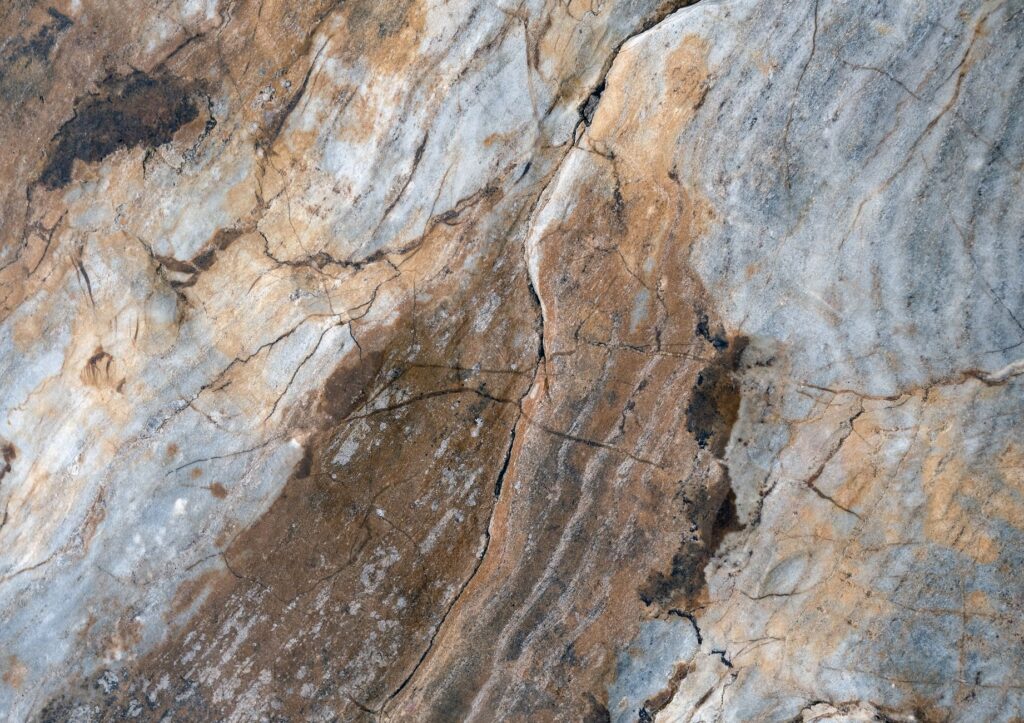
The mineralization of these waters is not a superficial accident, but the result of a decades-long hydrogeological cycle. Rainwater infiltrates deeply into the surrounding granitic massifs, where it is heated under high pressure before ascending rapidly through deep faults. During this subterranean journey, the liquid is enriched with a unique combination of silicates, fluorides, chlorides, and sodium. The result is a therapeutic resource of high purity that emerges directly onto urban and rural surfaces without losing its original biological properties.
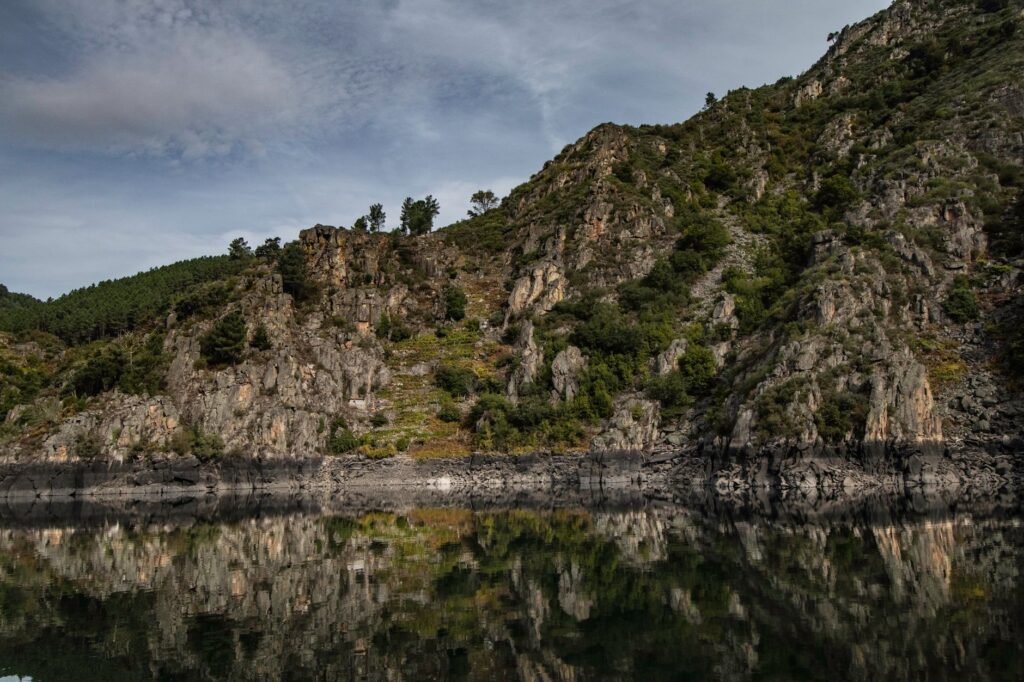
To grasp the magnitude of this water heritage, one must view the province’s geographical map as a living system. The As Burgas springs, located in the historic heart of the city, represent the most emblematic outcrop point, but the true pulse of well-being extends for several kilometers along both banks of the Miño River. Spaces like Chavasqueira, Outariz, and Muíño da Vega configure a landscape where contemporary civil engineering dialogues with the ruggedness of Galician stone and the constant river current.
The Thermal Legacy of Roman Gallaecia
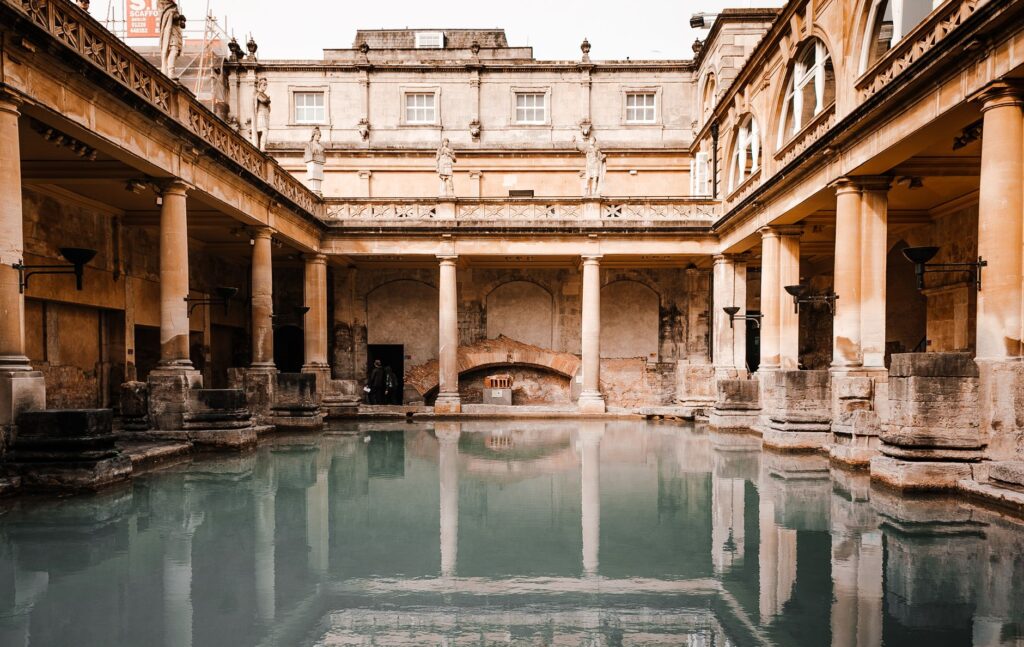
The relationship between humans and hot water in this corner of the Iberian northwest dates back over two millennia. Engineers from ancient Rome, always attentive to the strategic and medicinal potentials of the territory, quickly grasped the value of As Burgas. They founded the mansio of Aquis Cavas as a fundamental enclave in the commercial and military routes connecting the northern peninsula. Those early establishments were not mere leisure spaces, but sanitary complexes where the joint ailments of the legions were treated and the protective nymphs of the springs were honored.
Archaeological excavations carried out around the historic springs have documented ritual pools, hand-carved granite channels, and votive altars dedicated to local divinities such as the Cava Nymphs. This superposition of historical layers demonstrates that Ourense’s thermalism has functioned for millennia as a community meeting point. Medieval inhabitants continued to use the waters for craft and healing tasks, adapting Roman structures to the needs of a subsistence economy tied to the land and the river.
Today, this historical legacy is studied not only as an archaeological curiosity, but as the foundation of a water culture that has successfully reinvented itself. The transition from ancient public washhouses and rudimentary pools to modern hydrotherapy circuits reflects a profound social evolution. Hot water ceases to be a utilitarian resource and becomes the central axis of a philosophy of life oriented toward deceleration and the preventive care of physical and mental health.
Architecture of Water: From Vapor to Stone
The design of thermal facilities along the Miño River responds to a respectful integration with the natural environment. Architects and landscape designers have avoided invasive monumentality, opting for structures of treated wood, local stone, and glass that allow constant contemplation of the river landscape. In venues like Outariz and Canedo, open-air pools are terraced along the natural slope of the terrain, allowing bathers to experience thermal transitions while observing the silent flow of the Miño.
The sensory experience is meticulously calibrated. Water temperatures vary from one pool to another, demanding an exercise in bodily listening from the visitor. While warmer basins, approaching 40 degrees, induce deep muscle relaxation and peripheral vasodilation, contrast areas with cold water stimulate the circulatory and nervous systems. This method, inherited from classical hydrotherapy tradition, finds an unparalleled setting in Ourense’s open architecture, where water vapor contrasts with the crispness of Atlantic air.
Thermalism is not an aesthetic luxury, but a form of living archaeology that connects the traveler’s skin with the thermal memory of the planet.
Interior spaces, meanwhile, replicate the gloom and seclusion of ancient Roman caldaria. The use of noble materials such as slate and Galician oak absorbs exterior noise, generating an atmosphere of acoustic isolation. In these enclosures, natural light filters from above, casting soft shadows over the ponds and reinforcing the sense of timelessness that defines every true sanctuary of well-being.
The Science of Mineral-Medicinal Hydrotherapy
Behind the immediate pleasure of a hot bath lies a solid biochemical foundation that justifies the therapeutic fame of these waters. Periodic analyses conducted by the Medical Hydrology Laboratory confirm that Ourense’s springs are primarily classified as sodium bicarbonate, fluoridated, and lightly sulfated waters. These characteristics confer anti-inflammatory, healing, and sedative properties highly effective for treating chronic pathologies.
When the body submerges in mineral-medicinal water at temperatures exceeding 38 degrees, complex physiological responses are triggered. Hydrostatic pressure facilitates venous return and reduces perceived body weight by ninety percent, relieving joints of mechanical load. Simultaneously, dissolved minerals cross the skin barrier in infinitesimal quantities, stimulating the release of endorphins and regulating the autonomic nervous system.
Physical medicine and rehabilitation specialists recommend these circuits for patients with osteoarthritis, fibromyalgia, and mild anxiety disorders. The key to therapeutic success lies in the immersion routine: controlled sessions alternating warm immersion with brief resting periods on heated loungers. This medical rigor distances Ourense’s thermal baths from the banal concept of the commercial spa, restoring water to its status as a millennial prescription natural medicine.
The Fluvial Rhythm and Digital Disconnection
In an era dominated by hyperconnectivity and productive urgency, the Miño Valley functions as a territorial antidote. Regulatory frameworks in most public and private thermal spaces strictly prohibit the use of electronic devices—a measure that initially generates resistance in the contemporary traveler but quickly transforms into a profound relief. The shared silence in open-air pools becomes an unwritten rule that preserves collective intimacy.
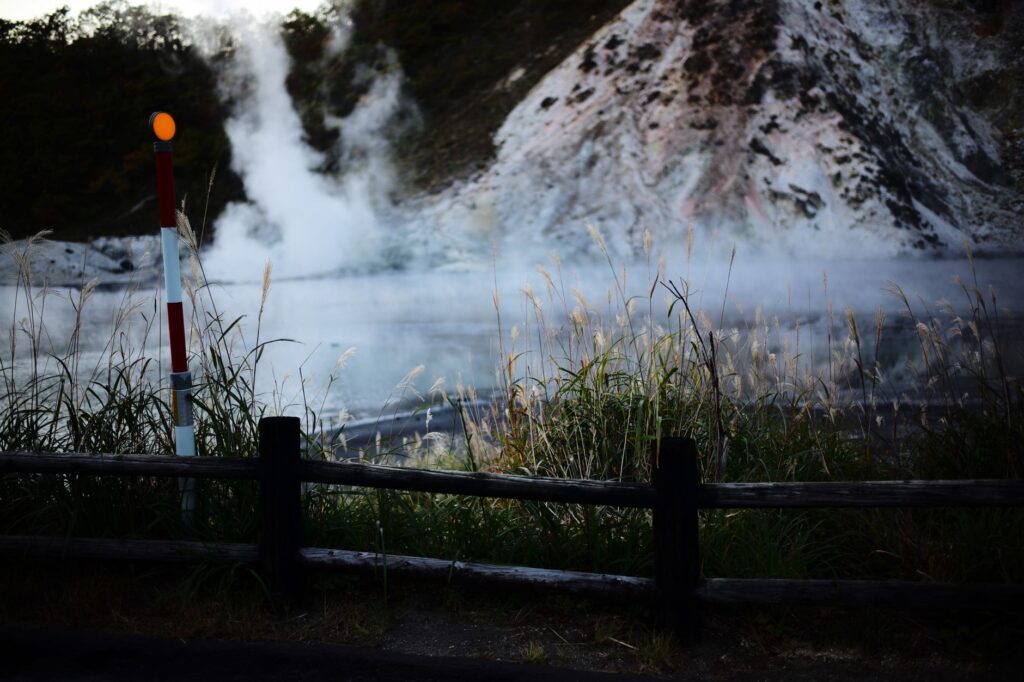
The visual environment decisively contributes to this disconnection. The riverbanks are populated by willows, alders, and oaks that change tone with the seasons, offering a chromatic spectacle that accompanies the process of introspection. Watching morning mist dissipate over the water’s surface while resting the body at 39 degrees generates a state of mindfulness that environmental psychologists term attention restoration.
This mandatory pause alters temporal perception. Hours pass without the tyranny of the clock, marked solely by cycles of bathing and resting. The experience is completed with meditative walks along the green paths flanking the river, allowing the heart rate to definitively synchronize with the unhurried rhythm of the Galician landscape.
Thermal Gastronomy and Local Larder
Well-being in Ourense is not limited to the aquatic medium; it extends naturally to the table through a gastronomy rooted in local seasonal produce. Restaurants and taverns in the historic quarter and river surroundings have adopted a culinary philosophy prioritizing lightness, digestibility, and respect for origin. Following an extended hydrotherapy session, the organism demands high-quality nutrients that do not generate metabolic heaviness.
Traditional Galician broths, prepared with garden vegetables, regional potatoes, and a moderate touch of meat, act as ideal restoratives. Likewise, river fish and seafood arriving fresh from the nearby Atlantic coast star in menus featuring steamed hake, octopus ‘a feira’ prepared with extra virgin olive oil and premium paprika, and cheeses with protected designations of origin such as Arzúa-Ulloa.

The cuisine of these lands understands that health begins on the plate, utilizing clean ingredients that complement the bodily purification achieved in the water.
Liquid pairings deserve special mention. Wines from the Ribeiro Designation of Origin, cultivated on millennial terraces a few kilometers from the city, provide balanced mineralization and acidity that cleanse the palate. Autochthonous varieties like Treixadura and Godello offer subtle aromatic profiles that pair perfectly with vegetable dishes and white fish, closing a cycle of conscious and sustainable consumption.
Practical guide
Planifying a visit to Ourense’s thermal circuit requires attention to several essential guidelines to ensure an optimal experience. The city is easily accessible via the high-speed rail line (AVE) connecting Madrid with Galicia, offering a sustainable and comfortable travel alternative to private transport. The main thermal areas, such as Outariz and Chavasqueira, are connected to the city center by pedestrian walkways along the Miño River and regular municipal bus lines.
Regarding attire and equipment, visitors should bring appropriate swimwear, rubber flip-flops with non-slip soles, a towel or lightweight bathrobe, and a padlock for the lockers in managed facilities. Most public thermal pools are free of charge, while managed facilities like the Zen-inspired Outariz Thermal Area charge modest entrance fees that include access to indoor circuit pools, saunas, and relaxation rooms.
It is strongly recommended to consult medical contraindications before undertaking intense thermal sessions, especially for individuals with severe cardiovascular conditions, hypertension, or during pregnancy. Hydration is crucial: drink plenty of water before, during, and after bathing to compensate for fluid loss caused by perspiration. Finally, respect local etiquette by maintaining a low tone of voice and strictly adhering to the electronic device ban in all bathing zones.
Guía práctica
Planificar una escapada a los espacios termales de Ourense exige atender a una serie de pautas operativas para garantizar una experiencia óptima y segura. La ciudad cuenta con excelentes comunicaciones ferroviarias gracias a la línea de alta velocidad que la conecta directamente con Madrid y Galicia, convirtiéndola en un destino ideal para prescindir del vehículo privado. Los diferentes enclaves termales a lo largo del río Miño son accesibles mediante agradables paseos peatonales adaptados o a través de las líneas de autobús urbano.
En cuanto al equipamiento imprescindible, es necesario llevar traje de baño, calzado de agua o chanclas antideslizantes, una toalla o albornoz ligero, y un candado en el caso de utilizar las taquillas de los recintos gestionados. Mientras que las pozas públicas al aire libre son de acceso gratuito y libre, las instalaciones termales de gestión privada como Outariz disponen de tarifas accesibles que incluyen el uso de saunas, circuitos de contraste y zonas de descanso especializadas.
Se recomienda encarecidamente consultar con un especialista médico en caso de patologías cardiovasculares graves, hipertensión o embarazo antes de someterse a baños prolongados a altas temperaturas. Es fundamental mantener una correcta hidratación bebiendo agua con frecuencia durante la estancia en los recintos. Por último, es imperativo respetar las normas de convivencia: mantener un tono de voz bajo y cumplir rigurosamente la prohibición de utilizar teléfonos móviles o cámaras fotográficas en las zonas de baño.
The Final Refuge of Mist and Vapor
When dusk falls over the Miño Valley, the atmosphere acquires a unique poetic density. The hot vapor rising from the pools mixes with the damp mist ascending from the river channel, blurring the outlines of the trees and historical bridges. In this instant of luminous transition, seated on a wooden bench facing the gentle river current, the traveler understands the true dimension of Galician thermalism: it is not simply an aesthetic treatment or a passing trend, but an intimate reunion with the elemental rhythms of the earth.
The city’s dim lights begin to reflect upon the mirrored surface of the pools, while the distant murmur of urban traffic vanishes entirely, absorbed by the riverside vegetation. In this refuge where time seems to stand still, the body experiences a total release of accumulated tension. The skin, smooth and purified by millennial minerals, breathes the clean air arriving directly from the Atlantic mountains, sealing a silent pact of well-being and interior harmony that lingers long after leaving the valley.