
A birth conceived against cholera and thirst
Two centuries ago, the urban landscape of Paris was far from the idyllic postcard scene we know today. At the beginning of the nineteenth century, the French capital was literally drowning in its own sanitary problems. Chronic shortages of drinking water and regular epidemics of cholera and dysentery decimated a population crammed into unhealthy, narrow alleys. It was within this context of urgent hygiene and political necessity that Napoleon Bonaparte’s ambitious vision took root. Through an imperial decree signed in 1802, he ordered the construction of a network of artificial canals to supply the city with fresh water and facilitate the heavy goods transport.
The Canal Saint-Martin project, designed to connect the Ourcq River to the Seine via a waterway over four and a half kilometers long, was no simple undertaking. Construction dragged on for two decades, overcoming massive engineering challenges, widespread property expropriations, and complex elevation changes that required monumental locks. When it finally opened in 1825, the canal not only fulfilled its sanitary and commercial mandate but began weaving a distinct identity parallel to the official pulse of the metropolis, becoming a vital yet discreet artery in northeastern Paris.
The industrial revolution of water: locks, bridges, and lockkeepers
Throughout the first half of the nineteenth century and much of the twentieth, the calm waters of the Canal Saint-Martin buzzed with intense economic activity. Barges laden with coal, building materials, wine, and grain daily traversed its channels, pulled first by draft horses walking along the towpaths and later by steam and diesel engines. The system of locks and swing bridges, manually operated by generations of municipal lockkeepers, regulated river traffic and water levels with millimeter precision before emptying into the Port de Arsenal.
This industrial hustle shaped the architecture and social life of the working-class neighborhoods surrounding it, such as République and Jemmapes. Port warehouses, textile factories, and mechanical workshops proliferated along the banks, creating a rugged yet prosperous labor ecosystem. Workers and transporters shared the urban space with local residents in a daily symbiosis where the metallic clanking of lock chains marked the rhythm of labor time, far removed from the tourist ostentation of the Champs-Élysées.
The leap to the big screen: from working-class oblivion to cinematic myth
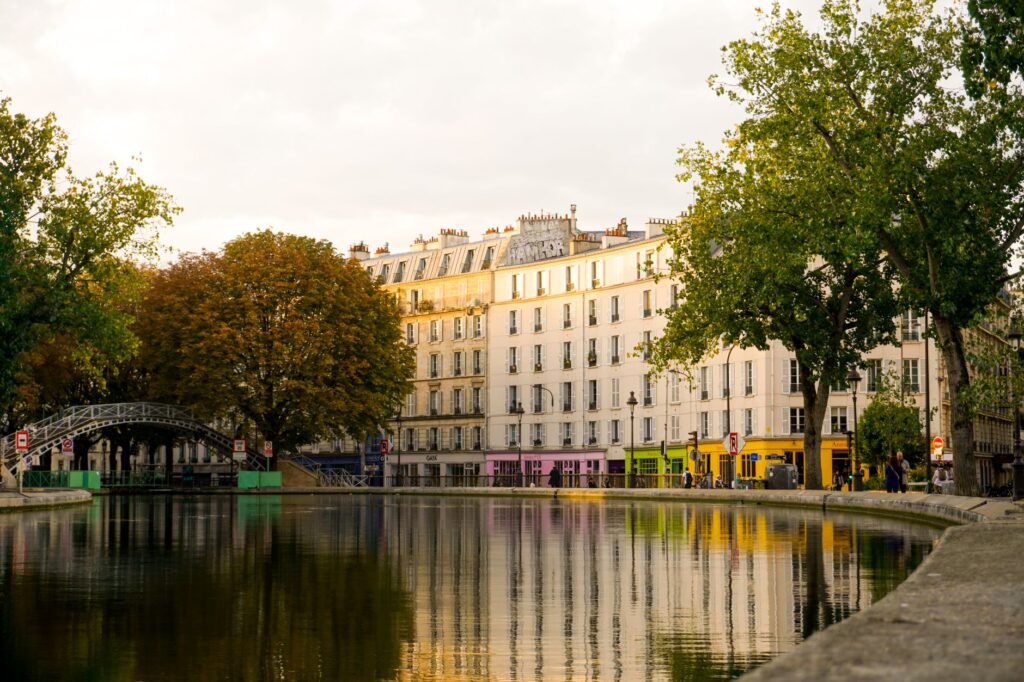
With the gradual obsolescence of large-scale commercial river transport in the late twentieth century, the Canal Saint-Martin faced a period of profound decline. The docks emptied of industrial activity, warehouses closed their doors, and the water began accumulating waste, temporarily turning the waterway into a marginal zone largely forgotten by municipal authorities. However, its natural photogenicity—characterized by wrought-iron footpaths, rows of centuries-old chestnut trees, and the melancholic light filtering through Haussmann-style buildings—caught the attention of filmmakers.
The turning point in the public perception of the canal arrived courtesy of the seventh art. Emblematic films in the history of French cinema used its banks as a backdrop to portray urban poetry and Parisian melancholy. Yet it was undoubtedly the global success of the film Amélie, directed by Jean-Pierre Jeunet in 2001, that catapulted the Canal Saint-Martin to worldwide fame. The iconic scene in which the protagonist skips flat stones across the water’s surface instantly transformed this corner into a cultural pilgrimage destination for film lovers globally.
The water of the Canal Saint-Martin carries not only boats and reflections, but the working-class memory of a Paris that reinvented itself without losing its popular soul.
Gentrification and modern bohemia: the epicenter of the Parisian aperitif
The conversion of the Canal Saint-Martin from a degraded industrial zone into today’s epicenter of Parisian modernity is one of the clearest examples of urban gentrification in Europe. At the dawn of the twenty-first century, abandoned warehouses and workshops began being occupied by independent art galleries, design bookstores, architecture studios, and emerging creator shops seeking more affordable rents than those in the city center.
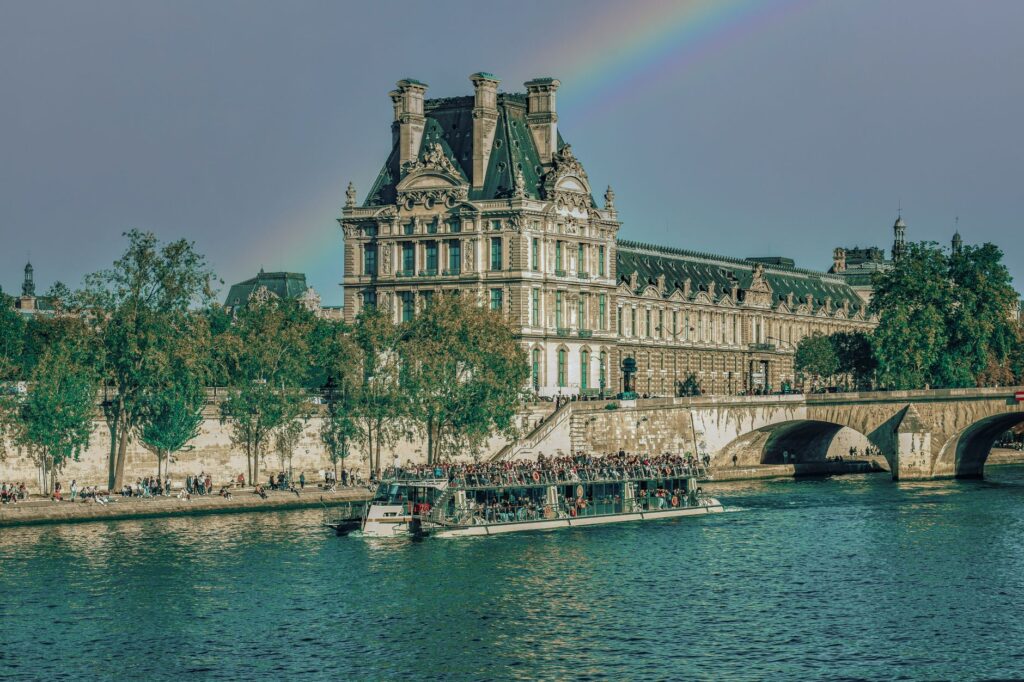
Simultaneously, the canal banks became the preferred gathering spot for creative youth, university students, and northern Parisians. The phenomenon of the evening apéro—sitting directly on the stone edges of the canal with a bottle of wine, a baguette, and artisanal cheese—displaced traditional neighborhood cafés. This mass use of public space has generated intense local debates regarding neighborhood coexistence, nighttime noise, and waste accumulation, forcing the Paris City Council to implement strict regulatory and cleaning measures.
Inside the giant’s belly: when draining the canal reveals hidden secrets
One of the most fascinating aspects of the Canal Saint-Martin is its periodic maintenance, a titanic operation carried out roughly every ten to fifteen years that attracts thousands of curious onlookers. To clear decades of accumulated sediment and repair the lock gates, municipal authorities close the main sluices and completely drain the more than four-and-a-half-kilometer channel, a process lasting several days.
The desiccated riverbed then turns into a sort of urban archaeological site where the material memory of Paris emerges. Beneath the murky waters appear thousands of unusual items discarded or lost over the years: municipal rental bicycles, electric scooters, obsolete mobile phones, empty safes, wallets, keys, and an immense quantity of glass bottles. Municipal workers clear the mud while environmentalists rescue fish to temporarily relocate them to the Seine, offering an unusual and subterranean perspective on the city’s daily history.
Between urban ecology and the challenges of mass tourism
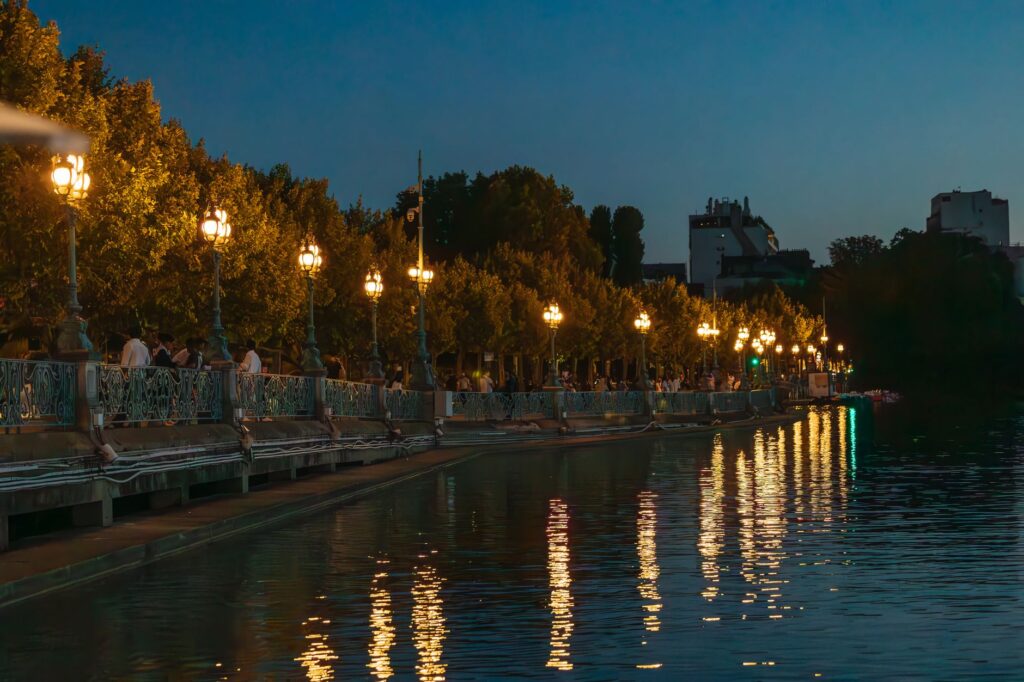
Today, the Canal Saint-Martin faces new challenges stemming from the climate crisis and global tourism pressure. Summer heatwaves in Paris turn the tree-lined banks into essential climate refuges, but they also test the resilience of the urban aquatic ecosystem. Water management, the preservation of bird and fish biodiversity inhabiting the channel, and the protection of centennial trees against diseases and droughts are absolute priorities for the capital’s parks and gardens services.
Likewise, balancing the recreational use of the space with residents’ right to rest has become a difficult red line to manage. Neighborhood associations regularly denounce the impact of mass tourism and uncontrolled alcohol consumption during summer nights. Local authorities attempt to mediate through civic awareness campaigns and the installation of specific urban furniture, striving to preserve the canal’s delicate bohemian spirit against the threat of overcrowding.
Preserving the authenticity of the Canal Saint-Martin requires a civic pact between those seeking nightlife entertainment and those demanding the right to peace and quiet in historic neighborhoods.
Practical guide
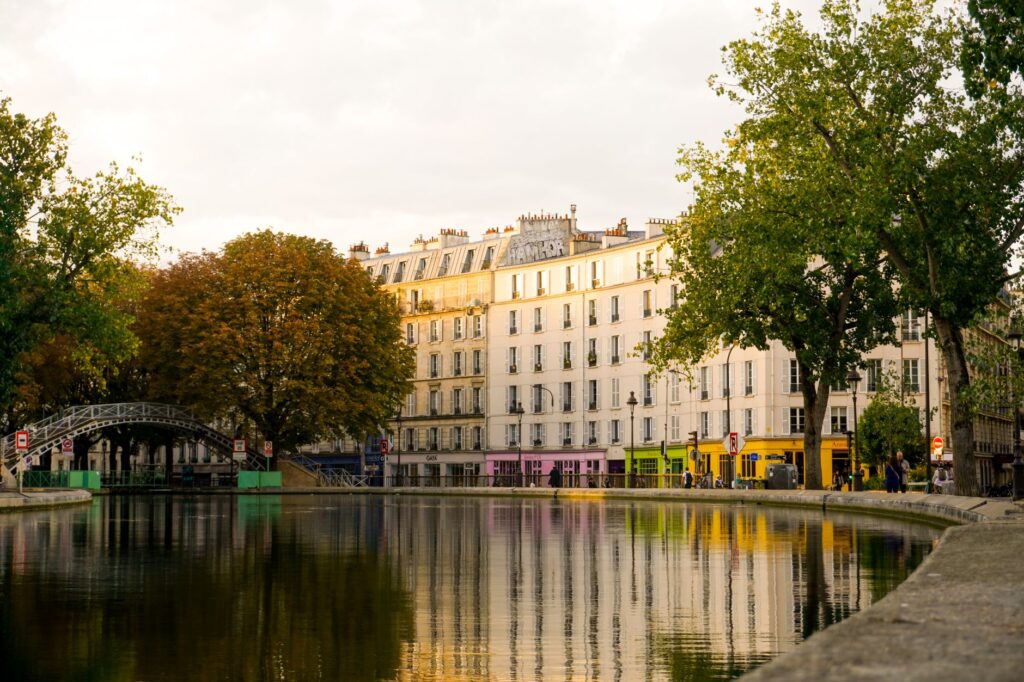
How to get there: The Canal Saint-Martin crosses the 10th and 11th arrondissements of Paris. The most accessible metro stations to explore its main sections are République, Jaurès, Goncourt, and Jacques Bonsergent.
When to visit: Spring and early autumn offer the best climatic and lighting conditions to stroll along its banks without excessive crowds. At dusk, the atmosphere is vibrant yet more manageable than in the dead of summer.
Where to eat and drink: The area is packed with contemporary bistros, artisanal bakeries, and specialty coffee shops. Standouts include the Hotel du Nord, a historic literary café immortalized in film, and the numerous independent pizzerias and wine bars open on streets adjacent to rue de Jemmapes.
Recommended activities: Take an electric boat river cruise through the locks and the underground vaulted section of the Bastille, a unique experience that provides insight into complex Napoleonic hydraulic engineering from the inside.
Rules of coexistence: If you choose to enjoy a traditional picnic on the banks, respect residents’ right to rest, use the recycling bins installed by the city council, and avoid throwing waste into the water.
The invisible pulse of Paris at the water’s edge
Walking along the banks of the Canal Saint-Martin at dusk today is to understand the true complexity of Paris, a city that constantly balances its imperial monumentality with the resilience of its daily life. While the last rays of sunlight reflect off the calm water and the distant echo of bicycles blends with the murmur of terrace conversations, the canal continues its silent work of holding the metropolis together. Far from being a mere tourist attraction, this two-hundred-year-old artificial channel remains the sanctuary where Parisians learn once again how to inhabit their own city, reminding us that the true beauty of Paris lies in its most human, imperfect, and everyday corners.
Source: La Vanguardia (https://www.lavanguardia.com/ocio/viajes/20251226/11394702/doscientos-anos-canal-san-martin-paris-rio-artificial-luzes-sombras.html)