
The Sacred Gloom of the Curing Cellars in the Sierra de Aracena
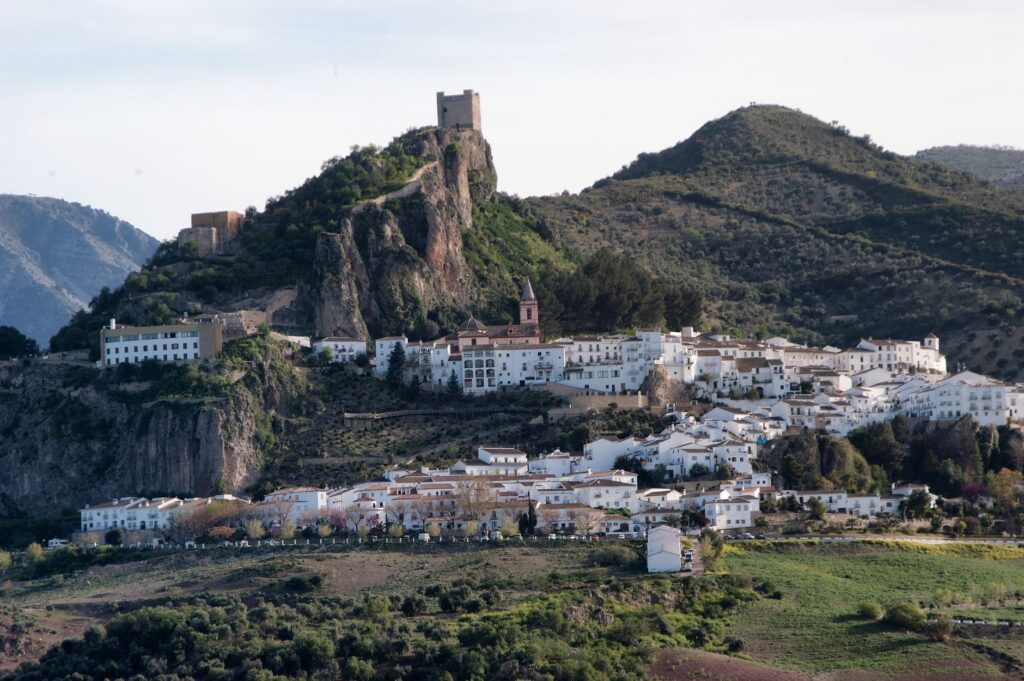
In the heart of the Sierra de Aracena y Picos de Aroche, time is measured not by the ticking of clocks, but by the leisurely pace with which the mountain breeze slips through the louvered windows of traditional curing cellars. Jabugo is far more than a simple geographic marker on the map of Huelva; it is an ontological category within the universal gastronomic universe. Amidst cobbled streets and whitewashed facades that reflect the morning sun, centuries-old warehouses stand tall, where human intervention is kept to a strict minimum, allowing nature to dictate its own uncompromising terms. Here, the air descending from the highest peaks, laden with Atlantic humidity and filtered through ancient chestnut and holm oak forests, acts as the most sophisticated invisible preservative on the planet.
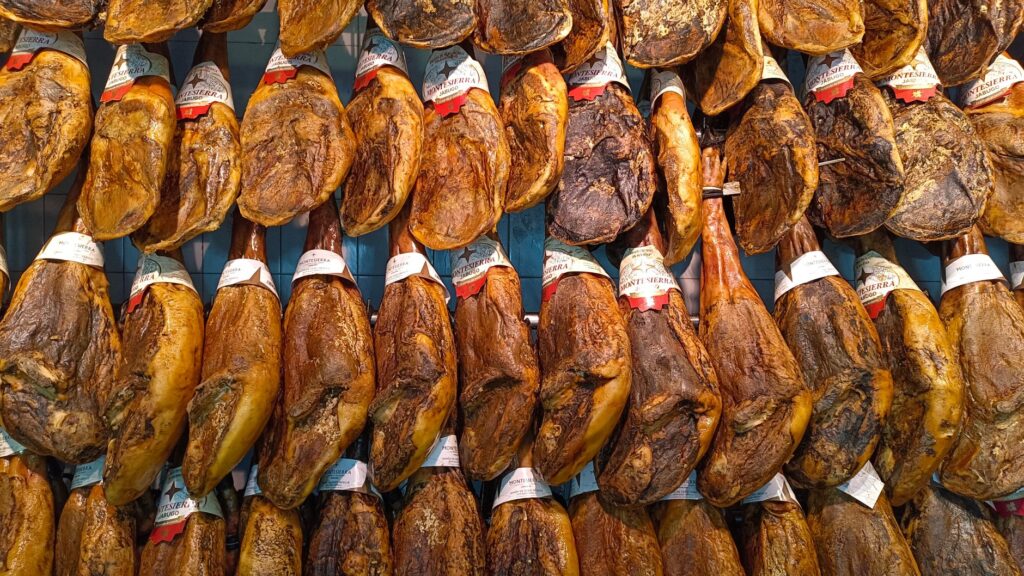
Crossing the threshold of one of these traditional cellars means immersing oneself in an atmosphere where liturgical reverence, absolute respect for the product, and wisdom accumulated over generations converge. Ibérico acorn-fed ham legs hang in rigorous silence, arranged in millimeter-precise rows that defy gravity and the chaotic outside world. In the dim light, the master ham maker examines each cut with the precision of a goldsmith, gently tapping the meat with a small cow-bone skewer to listen for the dull echo that reveals the exact stage of curing. This seemingly simple ritual encapsulates centuries of empirical observation and an unbroken bond between the mountain dweller and the natural environment.
The Dehesa: A Unique Ecosystem Sculpted by Livestock and Forest
To comprehend the excellence hidden beneath the translucent slice of a fine Jabugo, one must abandon the asphalt and venture deep into the dehesa. This wooded pastureland, far from being a virgin forest, constitutes one of Europe’s most remarkable examples of sustainable human intervention. Holm oaks, cork oaks, and gall oaks spread across rolling hills, forming a Mediterranean savanna where the Ibérico pig finds its perfect habitat. During the montanera—the crucial period spanning from October to February—the animals roam freely, covering miles each day in search of autumn’s golden treasure: the acorn.

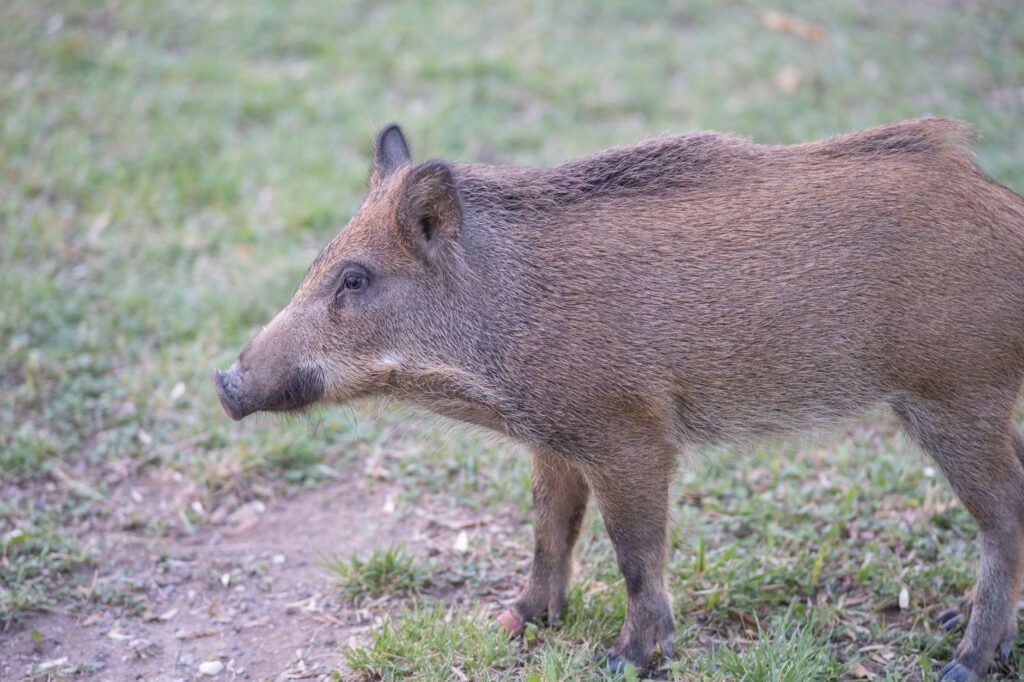
The relationship between animal and tree is symbiotic and ancient. The Ibérico pig, with its characteristic elongated snout and slender limbs, roots through the soil with innate dexterity to unearth the fallen fruit. Each animal consumes up to ten kilograms of acorns and several kilograms of fresh grass daily during this final fattening phase. This exclusive diet not only provides a vast amount of carbohydrates and oleic fatty acids, but also imbues the intramuscular fat with herbal undertones, nutty hints, and an unmistakable aromatic profile. The dehesa thus reveals itself as an open-air natural factory, a delicate ecological balance that survives thanks to the economic and cultural viability of extensive livestock farming.
The true aristocracy of world gastronomy is not forged in the kitchens of elite culinary temples, but in the absolute silence of a cellar where time and mountain winds sculpt the noble fat of the dehesa.
Managing these animals requires technical skill and patience entirely foreign to industrial farming circuits. Herders know each sounder by its habits and respond to meteorological shifts by adjusting their grazing routes. The purity of the Ibérico breed, combined with constant exercise in open spaces, endows the muscle with a unique fat infiltration that fundamentally differentiates the product from any other cured meat in the world. There are no shortcuts possible within this ecosystem; haste is the sworn enemy of quality, and the land always collects its toll in the currency of patience.
Salting: The First Pact Between Flesh and Mineral
Once the montanera concludes and the animals are processed, the transformation phase begins in local workshops. The first great milestone of this process is salting, an ancestral procedure that determines the future destiny of the cut. The hams and shoulders are methodically buried in pure sea salt, harvested from nearby marshes, inside cold rooms where temperatures hover strictly between one and four degrees Celsius. Each day spent in the salt is calculated with millimeter precision according to the exact weight of the limb, anticipating the volume of water that must be extracted to guarantee proper preservation without denaturing the muscle fiber.
This intimate contact with the white mineral is a dialogue of physical and chemical forces. The salt slowly penetrates the muscular tissue, dehydrating it homogeneously and halting the development of any undesirable microorganisms. However, the master salter must remain perpetually vigilant; an excess of salt ruins the fineness of the final product, while a defect leaves the meat vulnerable to spoilage. It is a critical phase where intuition and decades of accumulated experience become the only truly infallible instruments against the apparent rigidity of scales and thermometers.
Once the salting period ends, the pieces are washed with warm water to remove surface crystals and transferred to post-salting chambers. In this space, temperatures rise very gradually and humidity begins to drop, allowing the salt absorbed deep inside to redistribute uniformly throughout the cut. This is the moment when the ham begins to acquire its definitive consistency, preparing mentally and physically for the long, silent pilgrimage that awaits it in the natural cellars on the upper floors of the buildings.
Natural Curing and the Miracle of the Mountain Microclimate
The beating heart of any Jabugo cellar lies on its upper floors, vast open-plan rooms equipped with strategically oriented louvered windows. These openings, popularly known as air channels, are manually opened and closed throughout the day depending on whether humid southern winds or dry, cold northern gusts are blowing. This constant dance of currents transforms the cellar into a living organism, capable of modulating its own interior climate in response to the capricious weather of the Sierra de Aracena.

As months accumulate and the calendar advances relentlessly, the outer fat of the ham begins to melt slightly due to rising spring and summer temperatures, permeating the deeper layers of meat with unmistakable nuances. This process, known as the ‘sweating’, is the clearest indicator that the maturation cycle is progressing along correct paths. The cellar walls, covered by a fine, ancestral layer of microbial flora and noble molds, act as a biological filter that protects the piece while endowing the rind with that characteristic organoleptic complexity so difficult to replicate in modern industrial facilities.
The Underground Cellar: The Gloom Where Legend Matures
When the cycle in the upper drying rooms concludes, the hams descend to the subterranean cellars, excavated directly into the native bedrock of the mountain range. Down here, the noise of the outside world vanishes entirely. The temperature remains constant year-round, hovering narrowly between fourteen and eighteen degrees Celsius, while relative humidity rises naturally. In this womb of stone and clay, the hams reach their ultimate maturity, a process that can stretch from thirty-six to as long as sixty months for the most exceptional pieces.
In the subterranean gloom, the animal’s unsaturated fats undergo complex biochemical transformations. Proteins slowly break down into free amino acids, giving rise to those tiny white crystals—erroneously mistaken by many for salt—that crunch delicately when chewing the product. These tyrosine crystals are the chemical signature of a slow, patient, and respectful curing process. The aroma filling these gastronomic catacombs is dense, evoking notes of damp cellars, subtle toast, nuts, and a mineral background that anticipates the flavor explosion awaiting the diner at the moment of carving.
Quality control during this phase is carried out in a strictly artisanal manner. The official taster walks the rows equipped solely with a piercing needle and acute olfactory senses. The instrument is inserted at strategic points near the bone and joint, extracted with a fluid motion, and immediately brought to the nose. With a single inhalation, the taster can certify whether the piece has reached its peak or if, conversely, it requires a few more months of rest in the gloom. This exercise in sensory mastery proves that the world’s best ham is, above all, a living and unrepeatable work of art.
The Art of Knife Carving: Geometry, Temperature, and Touch
All the preceding liturgy, from the dehesa montanera to years of darkness in the cellar, can be irreparably ruined in a matter of seconds if the carving is not executed with proper mastery. The professional ham carver is not a simple worker tasked with chopping meat; they are practitioners of geometric precision who must understand the anatomical structure of the leg to extract its maximum organoleptic expression from each zone. On the wooden board, firmly secured by the hoof, the ham transforms into a map of differentiated textures and flavors.
The tool is as important as the hand wielding it. The long, flexible, and perfectly sharpened ham knife must glide without forcing the fiber, obtaining ultra-thin slices—virtually transparent—that do not exceed four or five centimeters in length. Each section of the piece offers unique nuances: the maza (haunch), juicier and with higher fat infiltration; the babilla (stifle), drier and more cured due to less air exposure; and the shank and tip, where flavor concentration reaches its most intense peaks thanks to proximity to the bone and contact with the animal’s most exercised muscles.
Carving Ibérico ham is an exercise in geometry and sensitivity; each slice must be thin enough to melt on the palate with body heat, releasing a symphony of aromas that only acorn-fed fat can deliver.
Serving temperature is another decisive factor often overlooked in commercial circuits. A slice of Jabugo straight from the refrigerator is an outlier; the cold freezes the fat and anesthetizes aromatic receptors, preventing consumers from appreciating the complexity of the nuances. The ham must be carved and served at an ambient temperature hovering around twenty-one degrees Celsius, the exact moment when the fat begins to melt imperceptibly on the surface, gleaming with a pearlescent tone that instantly invites indulgence.
Practical guide
- How to get there: Access to the Sierra de Aracena is primarily by road via the A-49 highway from Seville or Huelva, connecting to the N-433 which crosses the natural park from east to west. The nearest international airport is Seville (SVQ), located approximately 100 kilometers away.
- When to go: Autumn and winter months (November to February) offer the unique opportunity to witness the montanera in the dehesa and traditional slaughter practices, while spring delivers a lush, green landscape ideal for gastronomic hiking.
- Where to stay: Choose small boutique hotels housed in restored historic manor houses in towns like Jabugo, Aracena, or Almonaster la Real, where relaxation combines with personalized hospitality.
- Cellar visits: Most historic drying rooms and artisanal cellars offer guided tours by prior reservation, featuring walkthroughs of curing areas and guided pairings led by master carvers.
- Local gastronomy: Beyond acorn-fed ham, be sure to try fresh grilled Ibérico pork cuts, seasonal wild mushrooms from the mountains, and artisanal mountain goat cheeses.
- Regulations and purchasing: When buying cuts, always check for the black seal, which officially and unalterably certifies that the product is 100% Ibérico ham fed exclusively on acorns while roaming freely during the montanera.
Epilogue: The Ephemeral Legacy of an Ancient Culture
When the final slice has vanished from the platter and the polished bone remains as a mute witness to a memorable feast, what endures is not merely the memory of flavor, but the awareness of having participated in an ancestral ritual defying modern urgencies. Jabugo’s free-range acorn-fed ham is not merely consumed; it is experienced with all senses. It is the ultimate triumph of slowness over haste, of the intelligent alliance between humanity and a fragile ecosystem that, against all odds, refuses to vanish from the maps of global standardization.
In every corner of this mountain range in Huelva, the invisible threads of history continue to weave a material and immaterial culture as fragile as it is dazzling. From the acorn falling heavily onto the damp grass to the dull echo of the bone skewer in secular cellars, every link in this production chain breathes authenticity and rigor. Those who approach this territory discover that true contemporary luxury lies not in artificial ostentation, but in the incalculable privilege of savoring time distilled drop by drop by the wind and silence of the dehesa.