
The Geography of Steep Slopes and the Need for a New Pulse
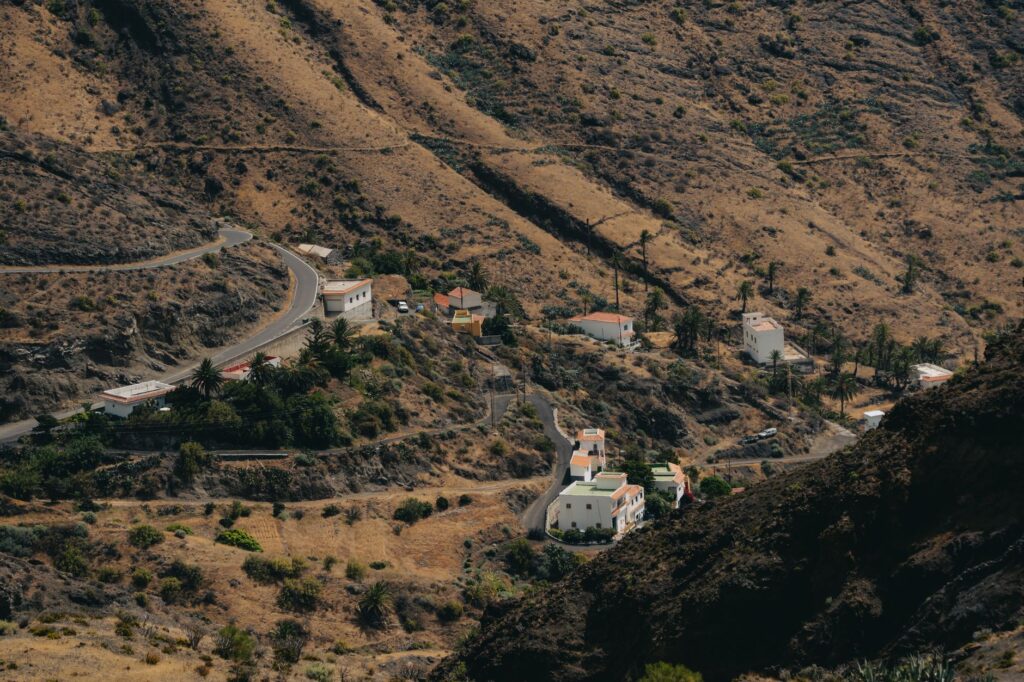
There are territories whose orography acts as an unalterable verdict. On the island of La Palma, geographically known as the Beautiful Island, the deep ravines descending from the central summit to the Atlantic are not mere geographical accidents, but the arteries that have determined how its inhabitants move for centuries. For generations, survival in this rugged environment depended on endurance on foot along ancient bridle paths and, later, on a road network built upon sharp switchbacks cutting through volcanic rock. Today, however, climate urgency and secondary road congestion have forced a rethinking of this connectivity. The transition toward sustainable insular mobility is not an aesthetic option, but an ecological and social survival requirement to preserve the delicate balance of the Biosphere Reserve.
The central challenge facing local administration and rural communities is substantial: how to guarantee the right to mobility for a dispersed and aging population without sacrificing the landscape that constitutes their primary heritage. This shift has begun to take shape in the island’s steepest gradients, where traditional combustion transport infrastructure gives way to low-emission public transport systems, photovoltaic-powered funiculars, and the recovery of historic trails connected to electric minibus fleets. This paradigm shift seeks to disconnect mass tourism from fragile summit ecosystems, redirecting visitor flows toward peripheral reception points that distribute traffic harmoniously.
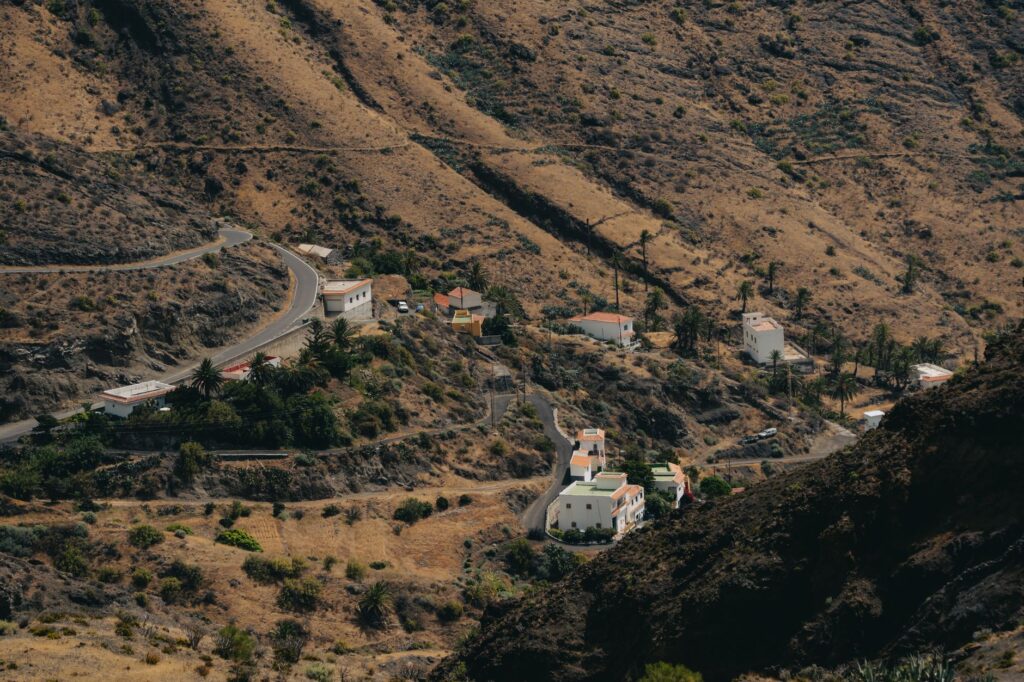
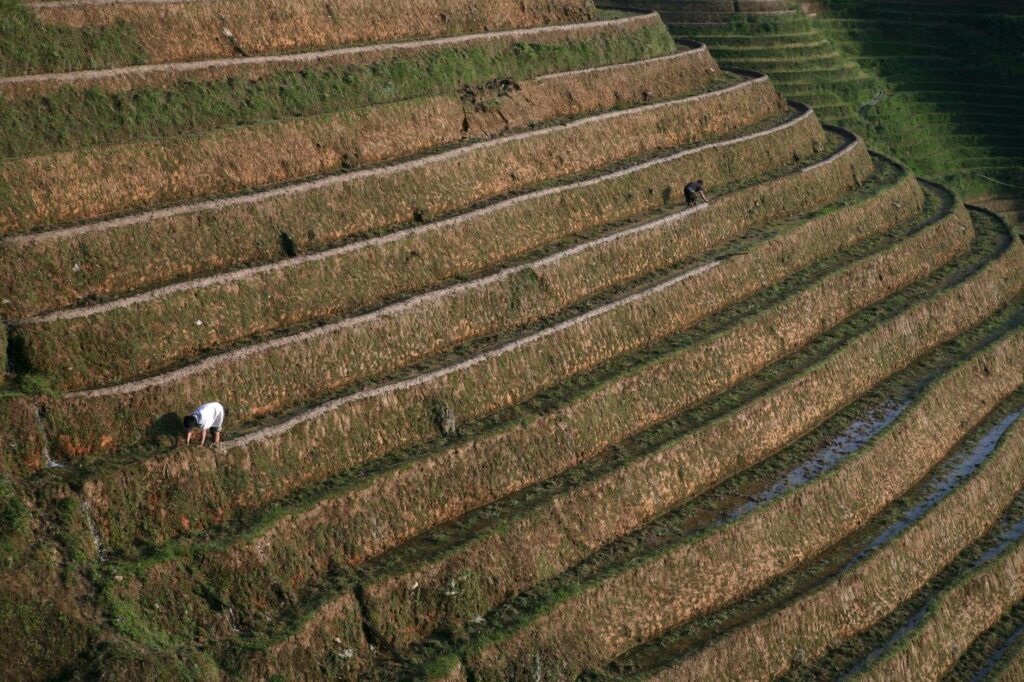
To understand the scale of this process, one must descend into the everyday details of the northwest region. In municipalities like Puntagorda or Garafía, where terraced crops defy slopes exceeding forty percent, geographical isolation has historically been the greatest obstacle to settling population. Recent initiatives driven by the island councils demonstrate that the electrification of public transport not only reduces the carbon footprint, but also redraws the map of economic opportunities for small local farmers and artisans, who can now transport their goods with predictable and sustainable energy costs.
The Reengineering of Access Points to Protected Natural Areas
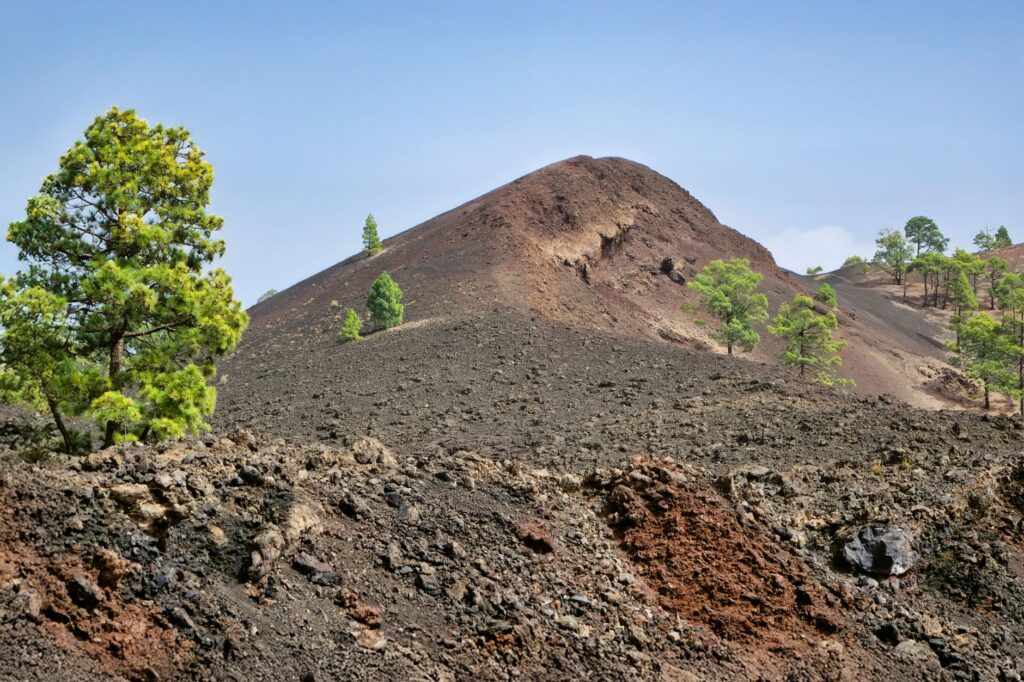
The Caldera de Taburiente National Park represents the geological and symbolic heart of La Palma. For decades, the massive influx of private vehicles to the vicinity of the Las Angustias ravine placed unsustainable pressure on water channels and slopes covered by Canary Island pine. The technical intervention carried out in recent years has involved creating a modal transfer center at the bottom of the valley, where private cars are barred and visitors are required to transfer to high-efficiency electric shuttles. This measure, though initially unpopular among sectors resistant to change, has proven to be a resounding success in reducing acoustic and atmospheric pollution.
The architecture of these new transfer stations has been designed to blend seamlessly with the volcanic environment, using local dry stone and treated woods capable of withstanding marine humidity and high insolation. The engineers in charge of the project prioritized energy self-sufficiency by installing solar canopies that recharge vehicle batteries during hours of lower radiation. This decentralized model prevents overloading the insular electrical grid, a fragile system due to insularity and historical dependence on imported fossil fuels.
True sustainability in high-mountain transport does not lie in paving better roads, but in returning prominence to conscious and collective movement.
In addition to the shuttle services, the marked trail network has been formally integrated into the public transport system. Hikers can purchase a combined ticket that includes the regional bus ride and controlled access to summit viewpoints, ensuring that the park’s carrying capacity is never exceeded at any time of year. This synchronization between bus timetables and hiking routes has transformed the traveler’s experience, shifting them from a motorized intruder to a respectful participant in the natural dynamics of the territory.
The Role of Local Communities in Managing Insular Traffic
No transformation in public transport can be consolidated without the active backing of resident communities. On La Palma, neighborhood associations and agricultural collectives have participated in regular working tables to redesign the stops of insular lines, ensuring that routes match the real needs of schooling, medical assistance, and the commercialization of agricultural products. This participatory approach has corrected common design errors in mobility policies imposed from central offices, adapting timetables to the uniqueness of local microclimates.
A prominent example of this community co-creation is found in the region of Barlovento, where banana and root vegetable farmers have ceded part of their adjacent land to enable turnarounds and siding areas for the new, smaller electric vehicles. In return, the Cabildo has guaranteed sufficient transit frequency so young people can study at vocational training centers without needing to acquire a private vehicle at an early age. This intergenerational pact strengthens the social fabric and halts rural exodus toward more touristic coastal zones.
Likewise, training local drivers has been key to the transition. Former bus drivers received specific training in efficient driving and handling electric propulsion systems, becoming the best ambassadors for the new mobility model. Their encyclopedic knowledge of every curve, ravine, and nook on the island complements on-board navigation technology, guaranteeing safe service even under adverse weather conditions, such as the dense trade wind mists.
Technological Innovation Adapted to Volcanic Relief
La Palma’s orography presents unique technical challenges that have demanded unconventional engineering solutions. In areas where steep slopes prevent the layout of roads or paths accessible to conventional vehicles, low-capacity cable transport systems have been recovered and modernized, inspired by ancient agricultural cableways but adapted to modern safety standards. These electrically driven funiculars span height differences of hundreds of meters in minutes, connecting isolated plantations and small population nuclei with main communication routes.
The energy supply for these funiculars and the fast-charging stations installed at key points across the island relies on smart microgrids. These grids combine photovoltaic generation with small battery storage systems using second-life electric vehicle batteries, optimizing available energy use and preventing demand spikes that could collapse the insular grid. Transport digitalization also enables real-time monitoring of vehicle occupancy, facilitating dynamic fleet reallocations based on seasonal demand from tourists and residents.
Materials used in constructing and maintaining these infrastructure projects comply with strict circular economy criteria. Local volcanic aggregates are used to consolidate slopes and retaining structures, minimizing visual impact and drastically reducing emissions associated with transporting construction materials from the mainland. This technical rigor demonstrates that modernizing insular transport is fully compatible with strictly protecting the geological heritage that defines the island.
Practical guide
Planning a trip focused on sustainable mobility on the island of La Palma requires understanding its public transport network and geographic particularities.
How to get to the island
La Palma Airport (SPC) receives daily flights from Tenerife, Gran Canaria, and the Iberian Peninsula, alongside regular international connections. For travelers preferring maritime routes, ferry lines operated by Fred. Olsen Express and Naviera Armas regularly connect the port of Santa Cruz de La Palma with Tenerife and La Gomera.
Internal travel without a car
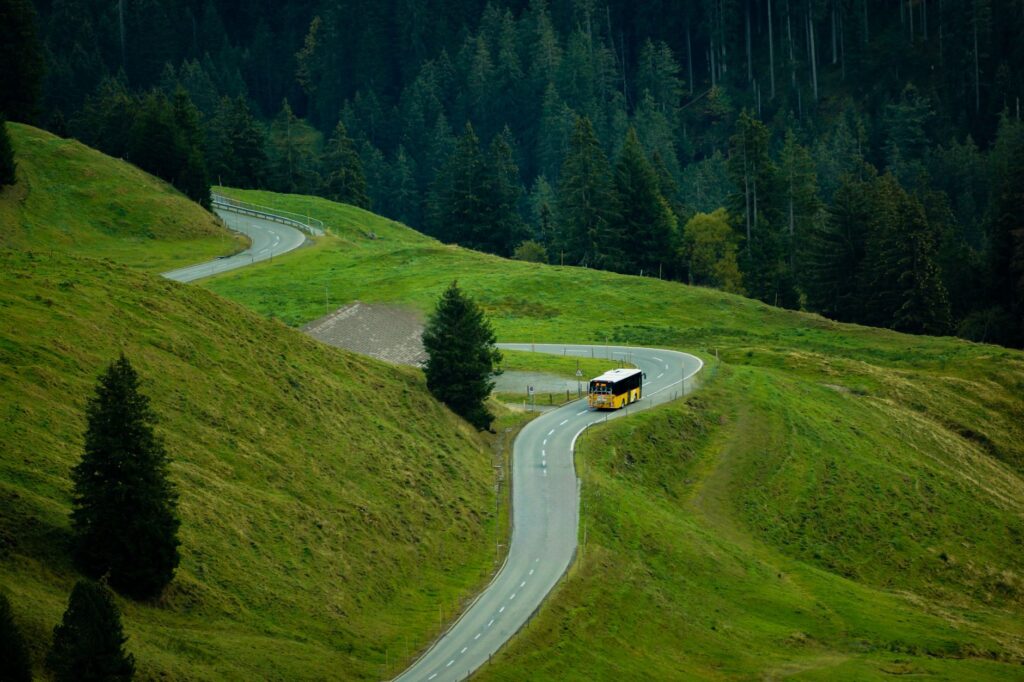
The bus network (guaguas), operated by Transportes Insular La Palma (Titsa), covers main island routes. Purchasing the insular wallet card is recommended to secure significant discounts on every trip. To access high-mountain areas like Roque de los Muchachos or the interior of the Caldera de Taburiente, checking seasonal electric shuttle timetables is essential.
Recommended accommodation
Choosing establishments certified with the European Charter for Sustainable Tourism (CETS) in municipalities like Puntagorda, San Andrés y Sauces, or Villa de Mazo guarantees minimal environmental impact and direct support for the local economy.
When to visit
Although La Palma offers a temperate climate year-round, spring months (April to June) and autumn months (September to November) provide the best conditions for combining public transport use with hiking trails free from summer crowds.
The Recovered Silence Along the Royal Paths
The most palpable result of this deep transport restructuring on La Palma is not merely the reduction of greenhouse gas emissions, but the recovery of silence along ancient royal paths. Where combustion engines once roared as they accelerated on steep gradients, the muted whisper of wind through pines and the crunch of volcanic gravel beneath hikers’ boots now prevail. This silent transformation demonstrates that it is possible to reconcile the socioeconomic development of an insular community with the strict preservation of its natural environment, returning to the landscape the human scale it should never have lost.
Future generations of inhabitants will inherit a territory that is better connected, less dependent on external fossil fuels, and more aware of the fragility of their volcanic home. In a globalized world marching toward the homogenization of landscapes and infrastructure, the model tested on La Palma stands as a beacon of local resistance, a rigorous reminder that true progress consists of knowing how to advance while respecting the limits set by the earth itself.