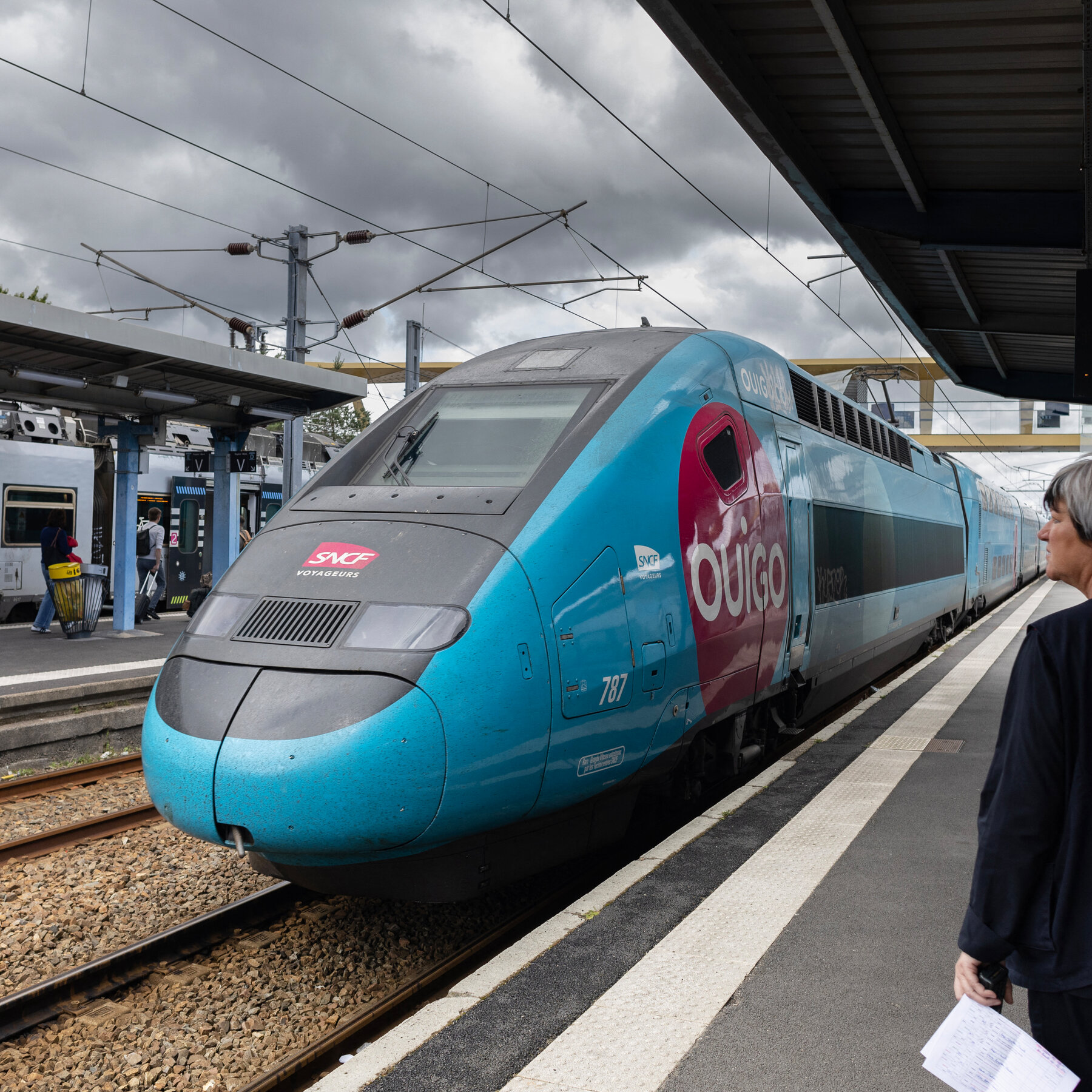

The conductor’s whistle sounds different on the platforms of contemporary Europe. For more than half a century, the word Eurail has functioned as an intergenerational talisman—a paper and later digital passport that allowed millions of young travelers to cross borders with no more than a compass, a sense of curiosity, and a backpack. Today, that historic name bids farewell to maps and ticket counters. The operating company has decided to definitively unify its nomenclature under the Interrail banner, a strategic move designed to simplify the global traveler’s experience and adapt a classic product to the digital and logistical demands of the twenty-first century.
This identity shift is far more than a commercial rebranding; it reflects a profound transformation in how we understand sustainable mobility and exploratory tourism. As budget airlines crowd European airspace and environmental restrictions tighten, the train is reclaiming its status as the most honest and contemplative mode of transport for traversing the Old Continent. The transition also aims to eliminate the historical, artificial division between European residents and international travelers, creating a unified community under a shared philosophy of slow travel.
The Birth of a Myth Upon the Rails
To grasp the magnitude of this nominal change, it is necessary to travel back to 1959, the year the Eurail Pass was born. In a postwar Europe beginning to mend its borders and dream of integration, several national railway administrations banded together to offer a single ticket. The idea was audacious: allow non-European youth to explore multiple countries with one transport credential. That initiative quickly became the ultimate rite of passage for generations of university students, bohemian artists, and hardened globetrotters who found in second-class compartments an itinerant university.
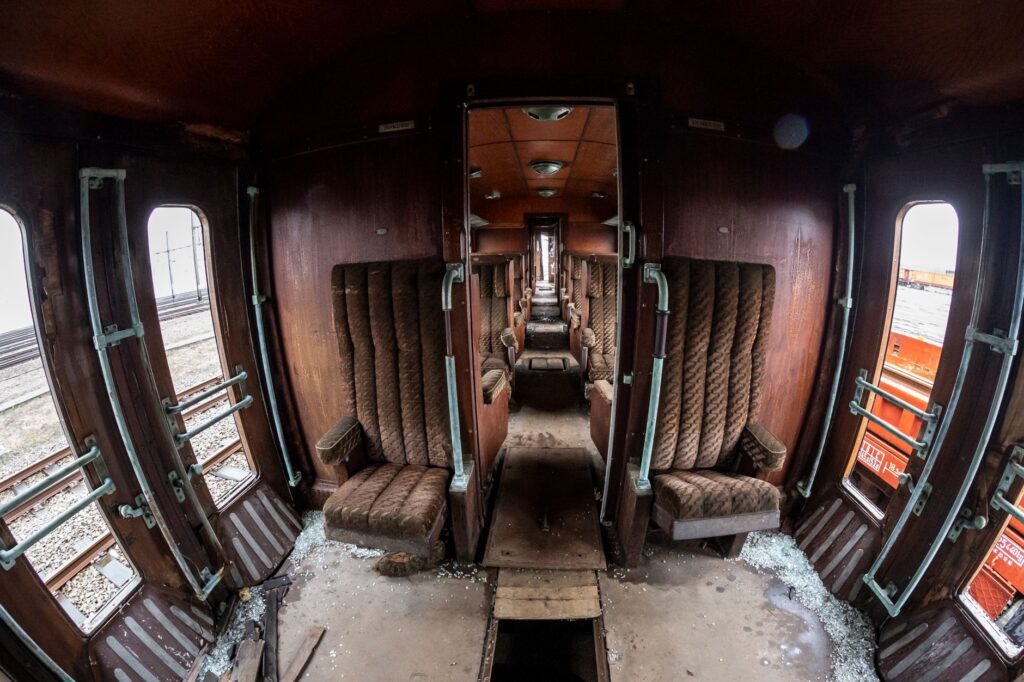
The stamped pages of those original booklets hold the memory of countless overnight journeys between Paris and Vienna, of impromptu conversations in crowded corridors, and of dawns watched through frosted windowpanes. The train was never just a means of getting from point A to point B; it was the destination itself. The enforced slowness of the journeys fostered a form of socialization nearly extinct in the hyperconnected present, where transit is often suffered as a chore rather than enjoyed as an essential part of the travel experience.
Digitalization and the End of the Physical Stamp
The modernization of the pass has been a gradual yet relentless process. For years, nostalgics resisted the shift toward a digital format, fearing that the cold screen of a mobile phone might replace the tactile charm of customs stamps or a ticket collector’s signature on worn paper. However, the transition to a fully mobile pass has proven indispensable for managing today’s complex high-speed network, where mandatory seat reservations and last-minute operational changes require a technological agility that paper could no longer guarantee.
The train is not merely transportation infrastructure; it is a time machine that restores our ability to measure territory on a human scale.
With the consolidation under the Interrail name, the digital platform centralizes itineraries, interactive maps, and real-time notifications regarding strikes, delays, or the opening of new cross-border routes. This technological evolution has notably broadened the demographic profile of users. Although university backpackers remain the emotional core of the community, today thousands of remote professionals, mature couples, and entire families are rediscovering the continent on the rails, taking advantage of the flexibility offered by continuous or flexible travel options.
The Railway Renaissance Facing the Climate Crisis
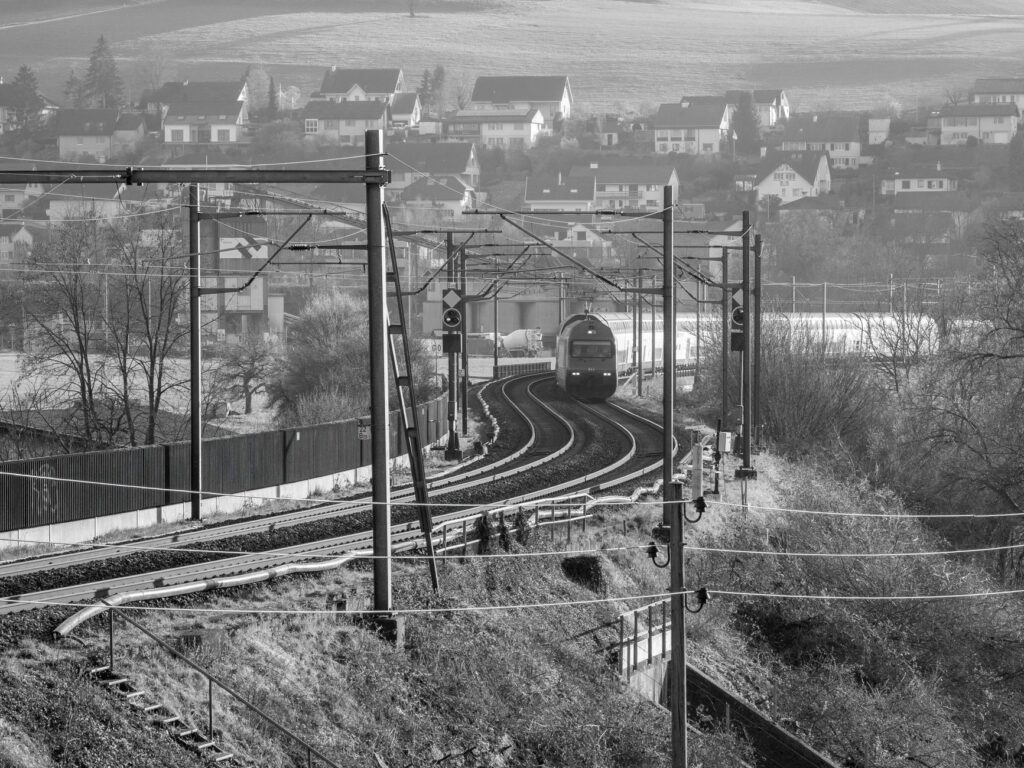
The rebranding coincides with a moment of profound revision in European mobility policies. The climate urgency has placed the decarbonization of transport at the center of the debate. While flying faces increasing scrutiny due to its carbon footprint, the railway is emerging as the ecological alternative par excellence. European governments, driven by more ambitious community regulations, are injecting millions in budgetary funds to modernize tracks, acquire rolling stock, and, above all, resurrect the network of night trains that budget carriers had nearly driven to extinction.
This context grants the pass a first-tier geopolitical and cultural role. It is no longer just about facilitating affordable vacations for youth; it is about fostering a cross-border tourism network that distributes visitor flows more equitably. Instead of concentrating crowds in peripheral airports and hyper-touristic urban centers, the rail system invites travelers to stop at intermediate stations, forgotten villages, and rural regions that historically remained outside the major mass-tourism routes.
Operational Challenges in the Borderless Europe
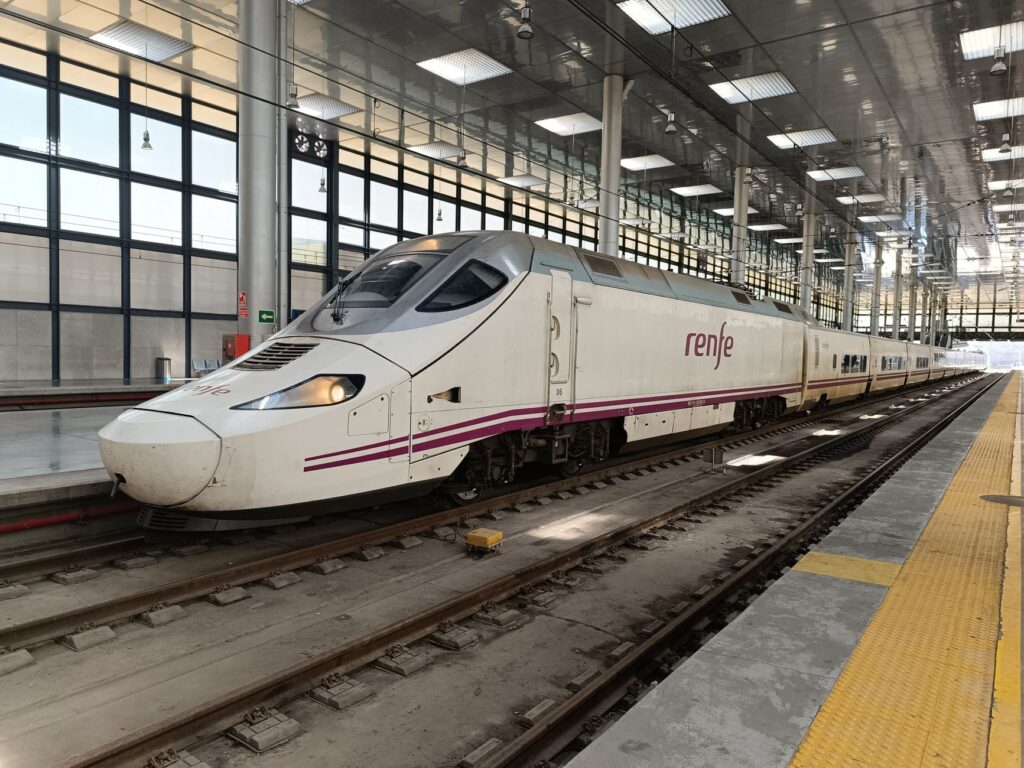
Despite widespread enthusiasm for the train’s renaissance, the experience of traveling with the pass is not entirely free of bureaucratic and logistical friction. One of the greatest challenges facing the company is the proliferation of mandatory seat reservations on high-speed trains in countries such as France, Spain, and Italy. Many travelers are surprised to find that, despite holding a valid pass, they must pay additional supplements and make reservations weeks in advance to secure a seat on trunk routes, clashing directly with the original ethos of spontaneous improvisation.

Likewise, the fragmentation of national operators continues to generate administrative headaches. Although the European Union pushes for a truly integrated rail market, local regulations, fare structures, and technical interoperability vary considerably from one country to another. Unification under the Interrail banner aims to simplify the user interface so that these administrative seams become invisible, offering centralized support capable of mediating complex operational incidents in any corner of the continent.
Economic Impact on Local Communities
The steady flow of travelers carrying this pass generates a very particular economic dynamic in European regional economies. Unlike cruise tourism or express flights, which tend to concentrate their impact in highly specific urban enclaves, the rail passenger tends to spend more diffusely and over longer periods. Small family-run guesthouses, station cafés, local markets, and neighborhood shops benefit from a steady clientele that values authenticity over standardized luxury.
Recent tourism impact studies show that localities situated along secondary railway nodes have experienced a resurgence in commercial activity thanks to alternative itineraries proposed by travel guides and online user communities. This decentralized model demonstrates that regenerative tourism is possible, where the visitor not only consumes a landscape but actively contributes to the maintenance of the social and economic infrastructure of the territories they cross.
Practical guide
Choosing the right pass: Assess whether you need to travel consecutively (every day over a period) or flexibly (a set number of travel days within a month). The flexible option is usually more cost-effective for leisurely itineraries with extended stays in each destination.
Managing reservations: Download the official app to manage your mobile pass, but remember that high-speed trains and overnight journeys require additional seat reservations that you must arrange in advance, especially during peak season months.
Luggage and mobility: Travel light. European stations feature stairs, tight transfers, and limited storage space inside carriages. A compact backpack or suitcase will make the difference between a smooth journey and a logistical nightmare.
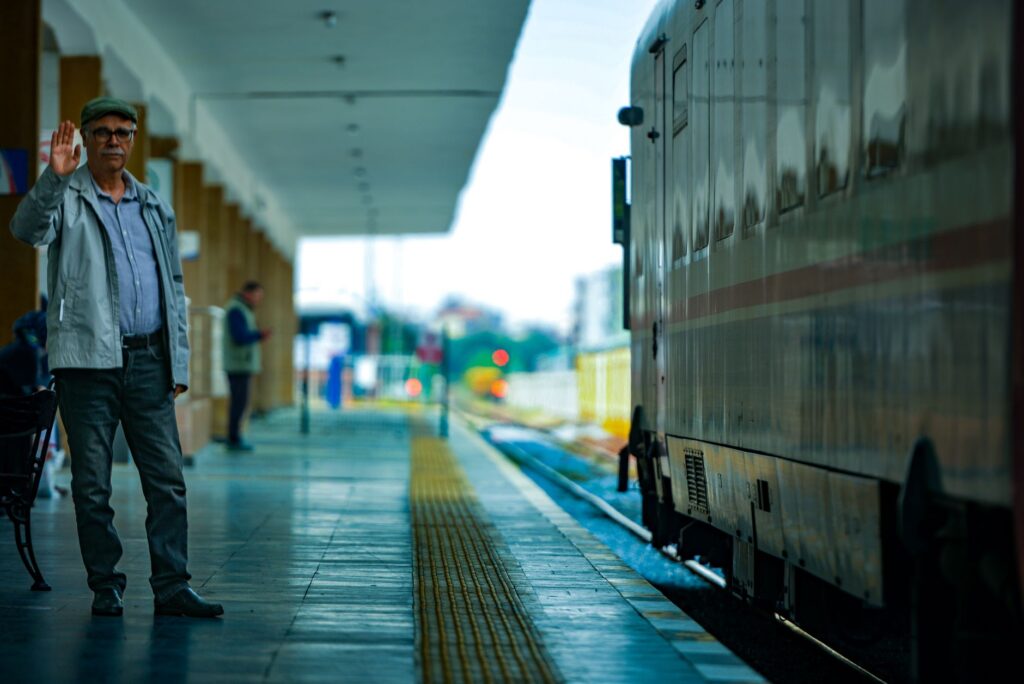
Secondary connections: Do not dismiss regional trains. While slower, they exempt you from mandatory reservations, allow you to discover landscapes off the commercial routes, and connect directly with the heart of historic towns.
The Slow Beat of the Track
Ultimately, beyond corporate shifts, branding strategies, and mobile applications, the essence of this journey remains unaltered. It consists of sitting next to a window, watching fields, dialects, and architecture change without enduring endless security checkpoints, and feeling the world expand at a comprehensible speed. The transition to the new name is simply the confirmation that, in a present saturated with digital urgency, the deliberate slowness of the rails remains one of our most beautiful forms of freedom.
Source in EN: The New York Times.