


The intense heat of the Mediterranean summer often overshadows the true cadence of Hellenic life. When ferry fleets reduce their frequency and port commotion gives way to the persistent whisper of the Aegean, Greece reveals itself in its purest state. Far from the clamor of overcrowded routes, the country adopts a contemplative atmosphere that attracts those seeking to understand its heritage beyond the seasonal postcard. This feature explores how seasonal transition transforms the territory into a refuge of authenticity and sustainability.
Conversing with local artisans, restaurateurs, and conservationists reveals that seasonal tourism is not the only path to survival. Beyond peak months, the peninsula and its archipelagos recover a community rhythm where traditional crafts, proximity agriculture, and architectural heritage return to the center of daily life. This is when Greece ceases to be a transit stage and becomes a habitable, unhurried home.
The Recovered Pulse of Inland Villages
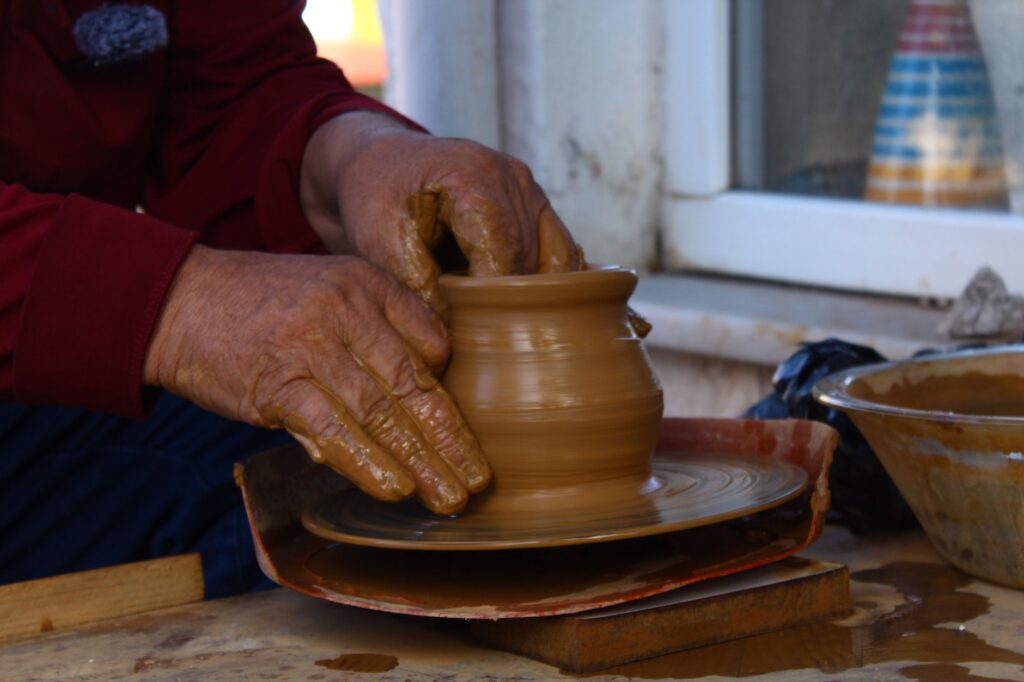
While main coasts enter their winter hibernation, continental inland communities and mountain villages experience a singular awakening. In regions like Arcadia or the valleys of Epirus, the grey stone of traditional houses contrasts with smoking chimneys and the deep green of surrounding forests. Here, life revolves around village squares, where local elders share Turkish coffee and daily news beneath the shade of centenarian plane trees.
This relative isolation has allowed the preservation of ancestral agricultural techniques. Terraced olive groves, which endure the pressure of mass tourism demand during summer, now receive the care necessary to secure the upcoming harvest. Local farmers use the mild months to prune, fertilize, and restore the dry-stone walls that sustain the agricultural landscape—a fundamental landscaping task to prevent soil erosion.
Vernacular Architecture Under a New Light
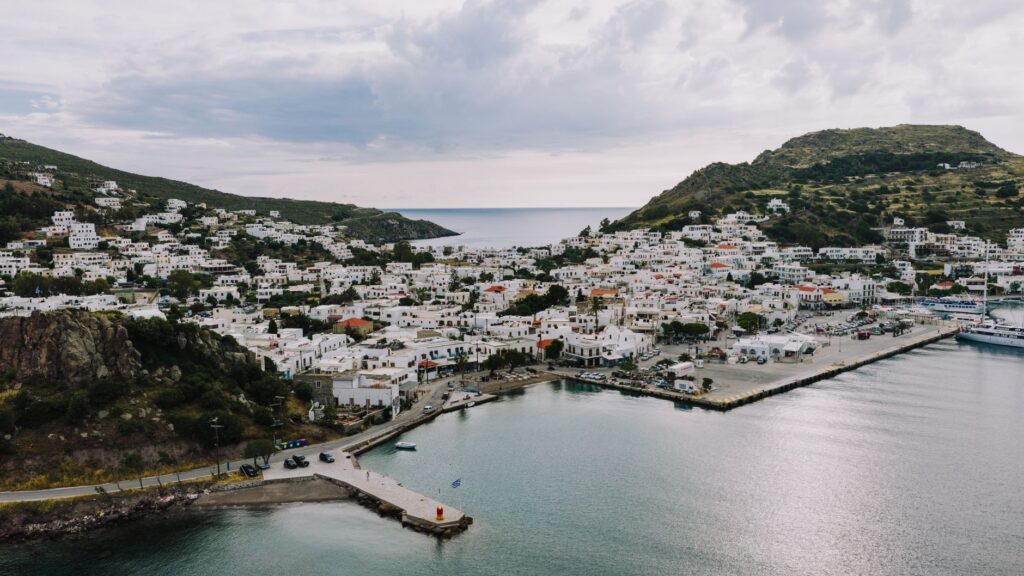
The autumnal and winter light in Greece possesses a translucent, almost cinematic quality that enhances the textures of vernacular architecture. The cobblestone alleys of traditional settlements, free of umbrellas and commercial displays, showcase the sobriety and functional elegance of their original design. The whitewashed houses of the Cyclades, or the stately stone mansions in Zagori, reveal their true function as bioclimatic shelters designed to withstand the rigors of both extreme heat and winter wind.
Local architects and restorers note that the drop in visitors offers the ideal opportunity to undertake structural repairs and maintenance tasks on historic monuments. Without the urgency of serving thousands of daily travelers, experts can employ traditional materials such as natural lime mortars and native woods, ensuring an intervention respectful of the built heritage.
Taste of Origin: The Gastronomy of Colder Months
Greek cuisine undergoes a radical metamorphosis when temperatures drop. Light dishes and summer salads give way to hearty stews cooked over low heat, dense soups flavored with wild herbs gathered on slopes, and small game meats accompanied by chestnuts and local mushrooms. This seasonal cuisine is a direct reflection of the environment and the historical need to make the most of available resources during lean months.
In tavernas remaining open year-round, menus are handwritten based on what the local market or home garden can offer that day. New wine from small family wineries is served directly from barrels in ceramic pitchers. This short-circuit consumption minimizes carbon footprint and strengthens proximity economics, ensuring restaurant revenues remain entirely within the community.

The true identity of our islands is not found in crowded August terraces, but in the silence of kitchens where grandmothers continue kneading sourdough bread on rainy days.
Local markets in cities like Thessaloniki or Chania turn into authentic centers of cultural and social exchange. There, producers of thyme honey, artisanal feta cheese, and Kalamata olives converse directly with neighbors, establishing a bond of trust that large food distribution chains have managed to erode in other European destinations.
Unfiltered Cultural Heritage
Visiting archaeological sites like Delphi, Olympia, or the Acropolis of Athens during lower-traffic months offers a radically different experience. The absence of endless queues and the truce of the midday sun allow a meditative approach to ancient history. It is possible to contemplate the Parthenon friezes or listen to the echo in the Theater of Epidaurus in absolute quiet, facilitating an intellectual and emotional connection with the past that proves almost impossible in July or August.
National and regional museums use this season to renew temporary exhibitions, restore delicate pieces, and organize educational workshops aimed at local schools. This dynamic demonstrates a firm commitment to the resident community, turning cultural spaces into living, participatory places rather than mere theme parks for mass tourism.
Crafts and Trades Facing Extinction
In traditional workshops surviving on islands like Lesbos, Tinos, or Crete, master artisans find the time needed during slower months to pass their knowledge to new generations. Utility pottery, wicker basketry, and hand-loom weaving require patience and hours of direct teaching that the frantic summer pace makes impossible.
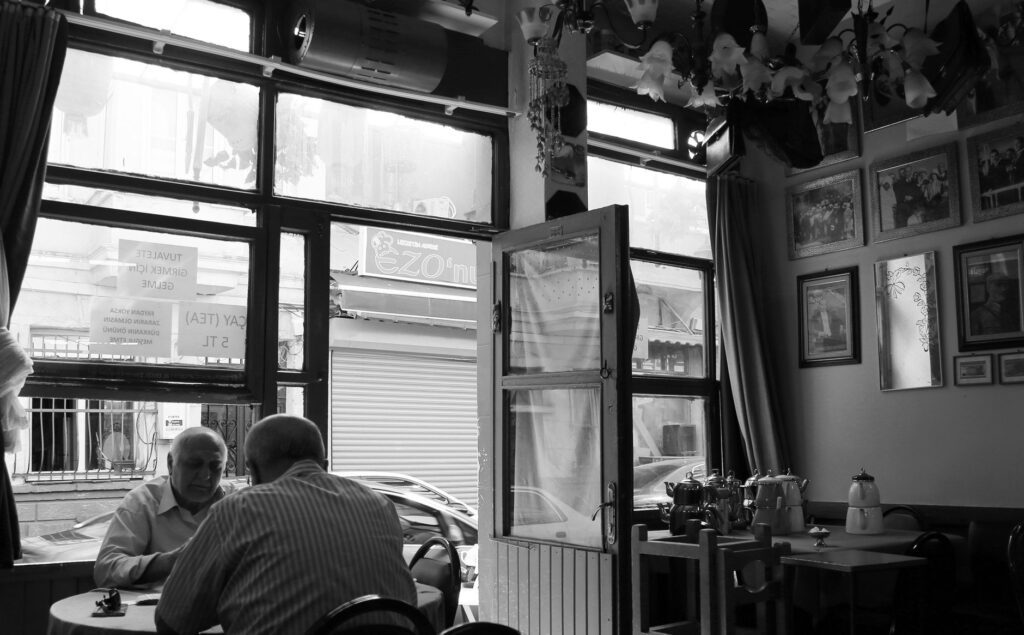
Various community initiatives and non-profit associations are collaborating with these artisans to document techniques and facilitate marketing through ethical digital platforms. This ensures local economy does not rely exclusively on direct sales to seasonal travelers, diversifying annual incomes for family workshops.
Fauna and Biodiversity in Their Natural Habitat
Greek territory hosts some of Europe’s richest and most threatened ecosystems, experiencing a notable respite when human pressure decreases. In northern wetlands, such as Lake Kerkini or the Evros Delta, thousands of migratory birds find a secure sanctuary to spend winter. Flamingos, Dalmatian pelicans, and imperial eagles roam freely across aquatic landscapes where silence is broken only by wind and bird species calls.
Field biologists and conservationists use seasonal tranquility to conduct population censuses of protected species like the Mediterranean monk seal and the loggerhead turtle. Reduced recreational maritime traffic drastically cuts underwater noise, allowing marine life to recover natural feeding and breeding routes near the coast.
Protecting nature does not mean closing doors to the world, but learning to synchronize our visits with the biological rhythms of the territory that welcomes us.
Regenerative Tourism: The New Hellenic Horizon
The debate on sustainability within Greece’s tourism sector has moved beyond mere declarations of intent to translate into territorial regeneration policies. Entire municipalities are betting on diversifying offerings by promoting signposted hiking trails, mid-mountain cycle tourism, and ecological farm stays operating year-round. This model seeks to attract a more conscious traveler willing to engage in environmental conservation and respect local dynamics.

Initiatives like restoring old rural paths and drove roads allow exploring the country on foot, connecting forgotten villages and promoting decentralized economic flow. Rural accommodations participating in these networks typically use renewable energies, water recycling systems, and biodegradable cleaning products, setting a sustainability standard that other Mediterranean destinations watch closely.
Practical guide
Planning a trip to Greece outside peak season requires understanding the seasonality of transportation and services, prioritizing flexibility and respect for local schedules.
How to get there and around
Athens International Airport (ATH) and Thessaloniki Airport (SKG) operate normally year-round, connected to major European capitals. Domestic flights to main islands have reduced yet stable frequencies. Ferries operate with lower periodicity; checking local ferry companies weekly and anticipating possible delays due to adverse weather conditions in the Aegean and Ionian seas is essential.
Where to stay
Look for small independent boutique hotels, restored traditional rural houses, or eco-certified accommodations in inland regions like Zagori, Peloponnese, or islands like Naxos and Crete. Many family-run establishments offer reduced rates and personalized attention that deepens local cultural immersion.
When to go
Optimal months for enjoying this experience range from October through April, avoiding central Christmas holiday weeks if maximum tranquility is sought. Early spring (March and April) also offers the spectacle of blooming wildflowers across fields.
Behavioral tips
Respect local rest hours and remember many small shops and tavernas close or adapt openings based on weather. Consume local produce and collaborate with community initiatives promoting historic and natural heritage conservation.
The Intimate Glow of the Winter Aegean
Observing sunset over the leaden waters of the Cretan Sea from a deserted pier in Agios Nikolaos transmits a sense of peace no travel brochure can replicate. The sea breeze, devoid of summer’s suffocating heat, carries the scent of salt, wet earth, and wood smoke from port chimneys. In that fleeting instant, Greece ceases to be a geographical destination and becomes an enduring state of mind, a lesson in how genuine beauty survives when mass-market spotlights turn off and the time for silent contemplation returns.
Source: Condé Nast Traveler – The Quiet Magic of Greece in the Off Season.


