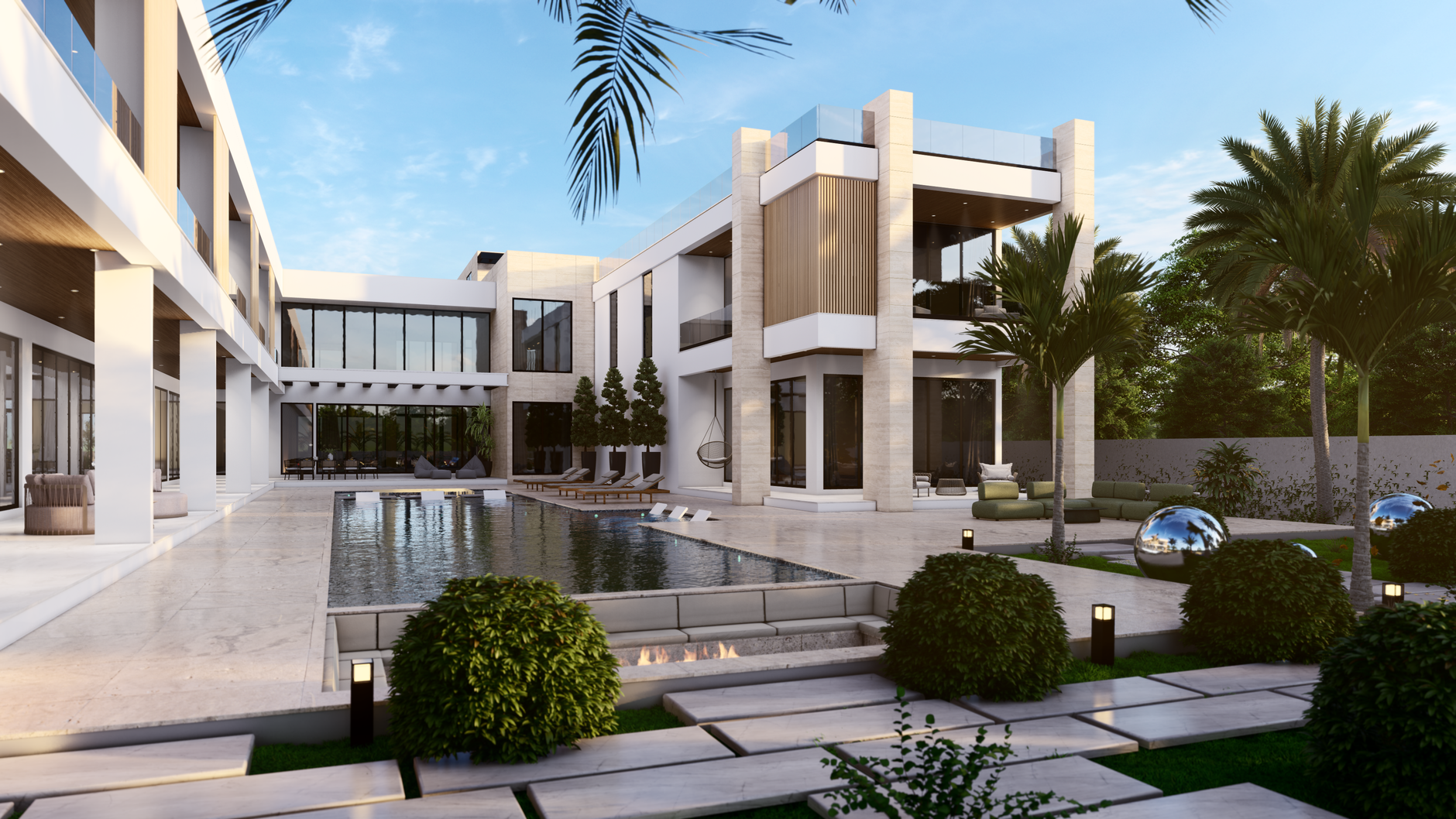
Contemporary hospitality in Florida is undergoing a silent yet radical mutation. For decades, the tourist imaginary of the state was built around two major extremes: the mammoth resort complexes of Orlando’s theme parks and the oceanfront hotel towers of Miami Beach. However, a new generation of travelers seeks something fundamentally different: spatial autonomy combined with auteur architectural design. This report explores how the selection of residential properties featured by international outlets like Condé Nast Traveler redefines the concept of accommodation, shifting the focus from standardized hotel service toward inhabited intimacy, landscape integration, and neighborhood life.
Far from the clichés of mass tourism postcards, the best vacation rental homes in Florida operate today as lifestyle laboratories. From minimalist refuges camouflaged among Gulf Coast dunes to restored industrial lofts in southern creative districts, these stays offer a slower, more complex perspective of the territory. We analyze selection criteria, the evolution of the private stay market, and the impact of this trend on how we temporarily inhabit the peninsula’s most coveted destinations.
The Gulf Coast and the Minimalist Nature Retreat
In the northwestern edge of the state, the coastal strip known as the Emerald Coast presents a topography of white sands and turquoise waters that has historically attracted low-scale vernacular architecture. In enclaves like Destin and its surroundings, contemporary vacation residences have abandoned Mediterranean or Caribbean pastiche to adopt refined tropical rationalism. Large exposed concrete volumes, salt-resistant ipe wood, and massive glass panes define structures conceived to dissolve the boundary between climatized interiors and rugged exteriors.
The properties selected in this region stand out for their capacity for isolation. Unlike mass-market hotel complexes, these homes allow an intimate coexistence with the natural environment of the Gulf coast. Interior design prioritizes neutral palettes, organic linen textiles, and zenithal lighting, creating atmospheres of absolute calm. Here, the travel experience is built around dune silence, clear sunsets over the Gulf of Mexico, and proximity to protected marine ecosystems that remain untouched by urban bustle.
True luxury in the 21st century is not the ostentation of service, but absolute sovereignty over one’s own time and space.
This architectural approach responds to a growing demand for disconnection. Travelers choosing these shores seek a genuine residential experience, where cooking with local produce in high-end kitchens and reading on galleries open to salty winds replace the rigid dynamics of traditional large-scale resorts.
Miami and the Art of Living in Creative Districts
Further south, Miami’s architectural and cultural pulse shifts from commercial beaches to interior neighborhoods where urban history is rewritten through design. Areas like the Design District, Wynwood, and historic bayfront residential enclaves host properties that function as habitable galleries. In these spaces, mid-century modern furniture selection blends with contemporary art by local creators, offering direct immersion into the city’s vibrant cultural scene.
Urban residences in Miami prioritize human scale and connection with the neighborhood fabric. Staying in a restored 1930s villa in the Upper East Side or a contemporary design apartment in the artistic core allows experiencing the city from the perspective of a permanent resident. Garden terraces featuring native vegetation—such as bromeliads, fan palms, and ferns—act as outdoor living rooms, taking advantage of the subtropical climate to blur the boundaries of domestic architecture.
This accommodation model fosters neighborhood tourism. Visitors walk to specialty coffee shops, independent galleries, and farmers markets, integrating into the daily life of constantly transforming urban communities. Private property thus becomes a platform to explore the multicultural richness of a metropolis that extends far beyond its reputation as a destination for seasonal partying and sun.
Orlando Beyond the Asphalt: Residential Architecture and Human Scale
Central Florida, globally dominated by the hyper-centralization of theme parks and mass family tourism, also harbors a sophisticated residential counterpoint. For those visiting Orlando with the aim of exploring entertainment complexes while refusing to sacrifice aesthetic comfort and tranquility, the vacation rental market offers design estates and residences that operate as calm oases just minutes away from major attraction centers.
These properties are typically located in treed residential communities or around interior lakes, offering an architectural typology based on expansive single-story mansions featuring central courtyards, infinity pools, and mature subtropical vegetation. Far from the hustle of themed hotels, these homes allow structuring vacations with total flexibility: intense park days followed by private evenings under the stars, surrounded by absolute silence and comfort.
The selection of these homes responds to a need for family balance. Providing independent spaces for all group members, generous common areas, and fully equipped kitchens transforms the logistics of an Orlando trip, turning what is usually a stressful destination into an experience of rest and leisurely coexistence.
The Florida Keys: Sustainability, Isolation, and Nautical Design
At the southernmost tip of the mainland, the Florida Keys archipelago demands architecture respectful of a fragile ecological environment exposed to extreme weather events. The most notable vacation residences in this area adopt traditional vernacular principles—houses on wooden stilts, steep-pitched roofs, and wide wraparound porches—updated with energy efficiency technology and high marine durability materials.
Staying in an overwater refuge in Key West or the central keys means subordinating the stay to the rhythm of tides and navigation. The interior design of these properties is usually minimalist, featuring light woods, luminous whites, and large windows oriented toward the Atlantic Ocean or the Gulf of Mexico. The goal is for the marine landscape to be the undisputed protagonist of every indoor space.
This architectural approach is accompanied by a strong commitment to local sustainability. Many of these dwellings incorporate rainwater harvesting systems, solar energy, and strict conservation policies for surrounding marine fauna, allowing travelers to enjoy a privileged natural environment with a minimized environmental footprint.
Responsible coastal architecture does not compete with the landscape; it folds to its rules and protects its fragile balance.
The experience is completed by direct access to isolated coves, low-impact boat rentals, and connections with local naturalists explaining the complex ecology of the region’s coral reefs and mangroves.
Interior Design as a Travel Narrative
A differentiating aspect of the selected high-end vacation residences in Florida is interior curation. Unlike the decorative neutrality of international hotel chains—designed not to offend any customer profile—these houses reflect clear authorship. Owners, architects, and interior designers collaborate to create spaces with distinct identity, where every piece of furniture, artisanal rug, and bookshelf volume tells a story about the state’s material culture.
This attention to detail transforms the act of temporarily inhabiting a space. The tactile textures of polished terrazzo, hardwood enclosures, ceramic pieces signed by regional artisans, and warm, diffused lighting generate a sense of sensory well-being difficult to replicate in conventional hotel settings. Space becomes a catalyst for travel memory, a place where rest is enriched through aesthetic contemplation.
Furthermore, this approach fosters a more respectful relationship with the rented space. Guests tend to care more meticulously for residences showing evident aesthetic care and strong personality, establishing a bond of mutual respect between the traveler and the temporary home.
The Economic and Social Impact of Residential Rentals in Florida
The rise of design vacation residences is not merely an aesthetic phenomenon, but a profound transformation of Florida’s tourism economy. This model redistributes visitor spending beyond large corporate hotel complexes, benefiting small local businesses, independent architecture studios, interior designers, sustainable maintenance companies, and neighborhood restaurants located outside traditional tourist circuits.
However, this growth also raises complex challenges regarding urban management and housing access for local residents in cities like Miami or Key West. Local administrations and responsible operators constantly debate zoning regulations and community sustainability to ensure residential tourism enriches the urban fabric rather than displacing original inhabitants. Choosing ethically and transparently managed accommodations is today an inescapable responsibility for the conscious traveler.
Practical guide
How to get there: Florida features multiple top-tier international airports, with Miami (MIA) and Orlando (MCO) serving as the main gateways. To explore the Gulf Coast or the Keys, renting a vehicle directly at the airport is the most efficient option due to vast distances.
When to travel: The months between November and April offer the mildest and driest climate, ideal for outdoor activities. The summer season (June to September) features high temperatures, elevated humidity, and frequent afternoon showers, alongside the official hurricane season.
Accommodation selection: Always verify platform credentials and recent reviews from other guests. Prefer locally managed agencies offering 24/7 assistance and maintaining rigorous cleaning and maintenance standards.
Local regulations: Strictly respect municipal ordinances regarding noise, waste management, and pool usage in residential areas, as fines in Florida are typically severe.
The Private Horizon: The Value of Pause in the Sunshine State
At the journey’s end, exploring Florida through its most notable private residences leaves a lasting impression that differs radically from conventional vacationing. It is not merely about having visited famous attractions or crowded beaches, but about having temporarily inhabited spaces conceived with architectural sensitivity and respect for the environment. In a world saturated with rapid stimuli and impersonal accommodations, choosing a home where light, silence, and design align with the human scale is, in itself, the highest form of contemporary travel.
Source in English: Condé Nast Traveler — 23 Best Airbnbs in Florida for Disney World Trips, Beach Getaways, and City Excursions.