The Threshold of the Sea of Cortez
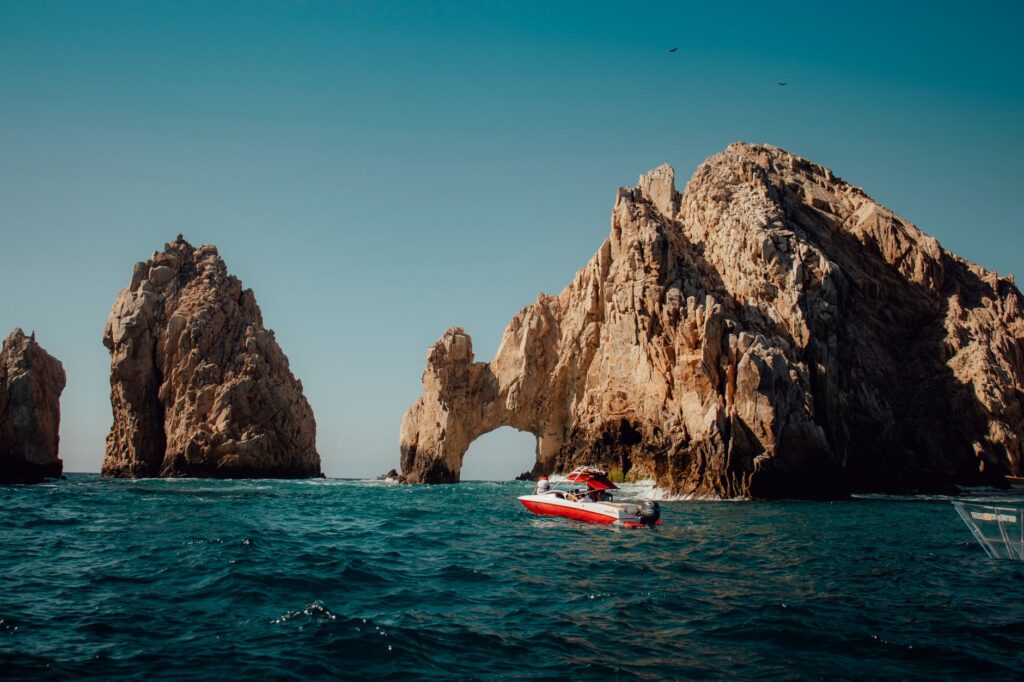
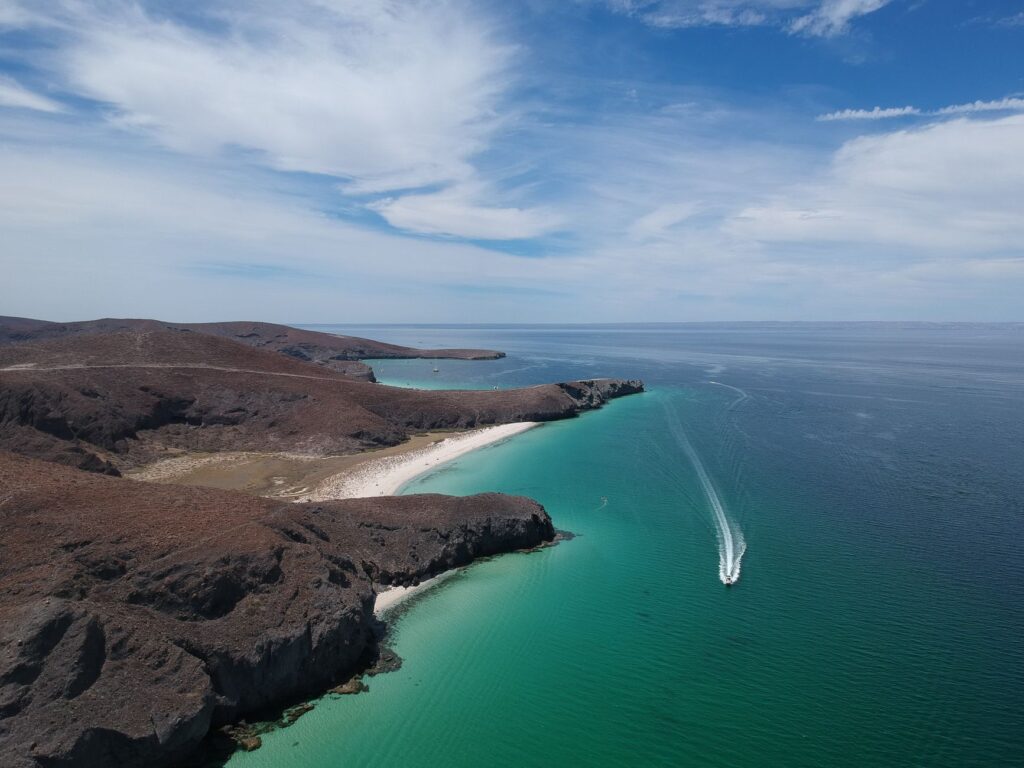
The horizon of Baja California Sur unfolds like a canvas where the arid, mineral desert merges violently with the deep waters of the Gulf of California. In this geographical outpost, popularly known as the aquarium of the world by explorer Jacques Cousteau, ocean currents bring unmatched biological wealth. The coastal town of La Ventana, traditionally celebrated for constant winds that draw kitesurfing enthusiasts, also serves as a privileged gateway to highly complex pelagic ecosystems. Here, navigation responds not to mass commercial routes, but to the unpredictable pulse of tides and the seasonal migration of cetaceans.
Venturing into these waters demands an attitude of reverential respect. Solo expeditions, especially those led by women exploring the boundaries of autonomous adventure, require constant reading of the environment. The wind can settle within minutes, leaving the marine surface transformed into a translucent mirror that conceals just as much as it reveals. It is within this setting of apparent silence that nature chooses to manifest with undeniable force, reminding navigators that humans are merely temporary spectators in the open sea.
The Unexpected Arrival of the Pod
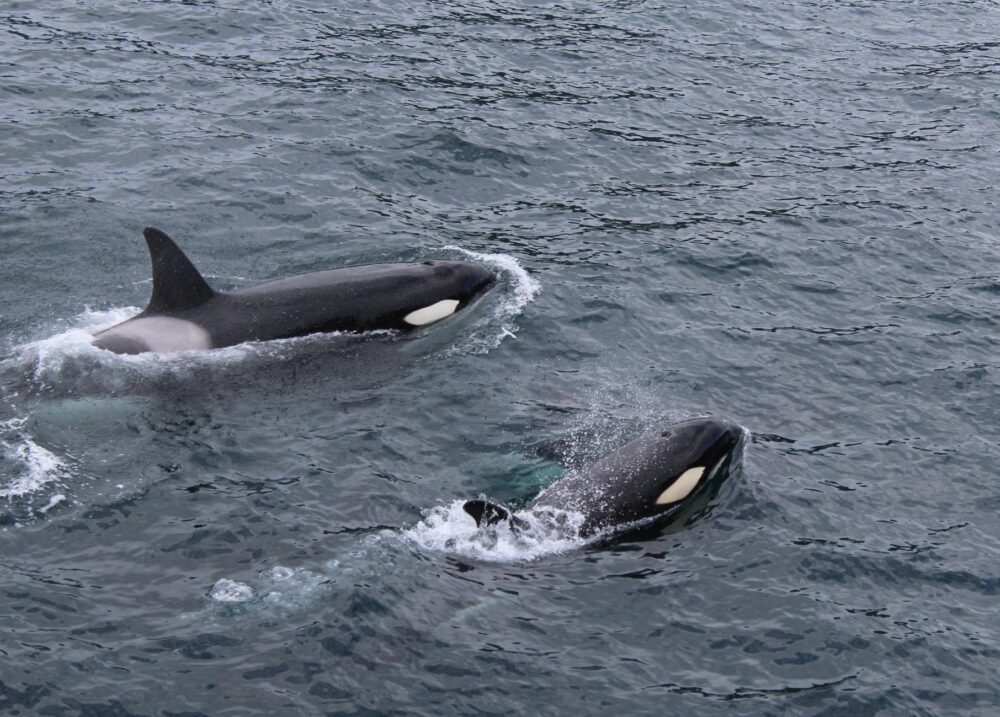
The morning unfolded with the usual monotony of marine prospecting days, marked by the distant hum of the outboard motor and the blinding glare of the sun over the waves. It was then that the surface broke without fanfare. This was neither the timid blow of a bottlenose dolphin nor the arched back of a humpback whale; the silhouette emerging with dark elegance belonged to the unmistakable dorsal fin of an orca. What began as the distant observation of a solitary specimen quickly escalated into an overwhelming revelation: a pod of fifteen individuals surrounded the boat with millimeter-long synchronicity.
The behavior of the cetaceans showed no signs of aggression or flight, but rather a deliberate and methodical curiosity. Orcas, scientifically classified as Orcinus orca but belonging to the odontocete cetacean order, are apex predators endowed with a complex social structure based on matriarchies and cultural transmission. They circled the vessel with unhurried movements, investigating the wooden and fiberglass keel with a precision that evidenced superior intellect. The sensation on board oscillated between absolute vertigo and profound humility in the presence of such ocean titans.
Ethics and Decision in Open Water
The presence of fifteen killer whales inches from the hull posed an immediate ethical dilemma that transcends the sheer thrill of wildlife sighting. Within the realm of adventure tourism and wildlife observation, the fine line between respectful interaction and deliberate disturbance remains a subject of constant scientific debate. International and local marine conservation regulations mandate maintaining safety distances to prevent altering the natural behavioral, resting, or hunting patterns of marine mammals, especially when pods include calves.
However, the dynamic shifted once it became evident that the initiative for the approach came entirely from the animals. The orcas examined their surroundings calmly, floating near the surface and emitting clicks audible through the metal hull. After evaluating safety conditions, the absence of dangerous currents, and the relaxed demeanor of the cetaceans, a deliberate decision was made to enter the water. This was not an imposition upon an alien habitat, but a consensual immersion into the language of mutual respect, seeking an ephemeral coexistence beneath the surface.
The Underwater Realm and the Silent Dance
Immersing oneself in the Sea of Cortez with fifteen orcas swimming within arm’s reach completely redefines a traveler’s scale of values. Below the waterline, the water acquires a crystalline density tinted with an abyssal blue that commands respect. The sounds of the outside world vanish, replaced by the dull echo of cetacean vocalizations—complex frequencies that vibrate directly against the swimmer’s breastbone. In that plane of liquid equality, the anthropocentric perspective instantly dissolves.
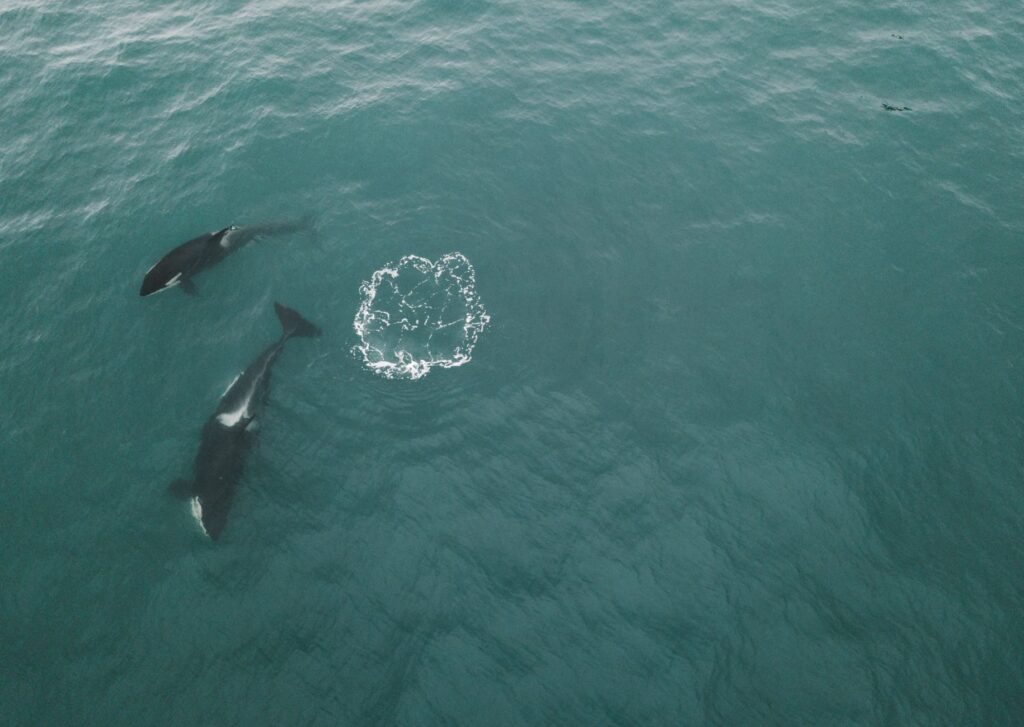
The orcas moved with unbelievable grace for their body mass. Dominant males, bearing dorsal fins exceeding a meter and a half in height, led the way flanked by females and younger specimens. At certain moments, the animals slowed their pace to glide parallel to the swimmers, establishing brief eye contact through small dark eyes contrasting against the characteristic white patches of their anatomy.
The ocean does not yield its secrets to those who demand answers, but to those who learn to listen to its silence with infinite patience.
This fleeting connection responded to no training or artificial stimulus, but to pure, unadulterated interspecies curiosity.
The Science Behind the Giants of La Ventana
To understand the magnitude of the events in La Ventana, it is necessary to examine the ecological context that draws these predators to the shores of Baja California Sur. Orca populations transiting the Gulf of California typically form part of mobile ecotypes following migratory routes in search of seasonal prey, ranging from rays and sharks to larger marine mammals. Unlike resident populations of northern latitudes such as the Pacific Northwest, Mexican orcas operate in smaller groups with highly specialized hunting habits adapted to warm waters.
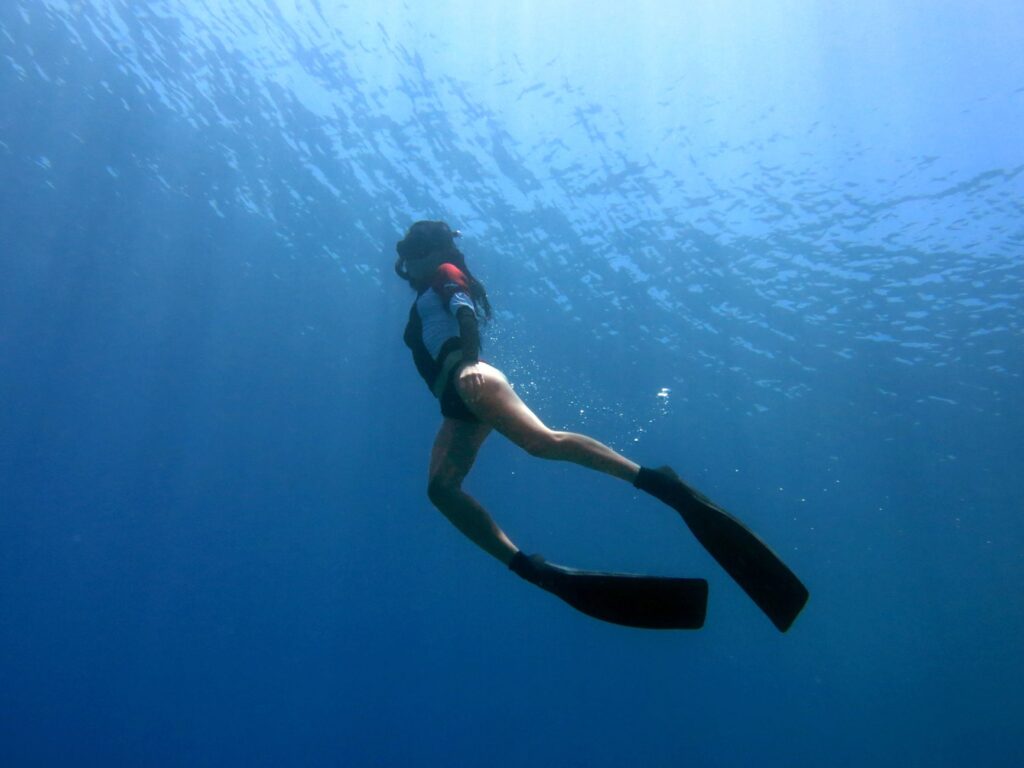
Marine biologists studying the area emphasize that these encounters, though documented sporadically, are extremely rare to witness at such close and prolonged range. The photographic and acoustic records obtained during expeditions of this nature hold immense value for local research institutes, which map pod movements to improve coastal conservation policies. Furthermore, the presence of calves in the observed La Ventana group confirms that the Gulf of California functions as a vital nursery and socialization zone for the species’ survival in the Mexican Pacific.
Challenges of Solo Adventure
Navigating and documenting remote marine environments without the backing of a large fleet or an extensive technical crew demands absolute rigor. Solitary female adventure expeditions in the marine realm combine logistical autonomy with high exposure to climatic and mechanical contingencies. From preventive maintenance of navigation equipment to managing satellite communications in areas with zero cellular coverage, every operational detail rests upon the explorer’s own problem-solving capacity.
This self-sufficient approach fosters a much more intimate and honest relationship with the visited territories. By bypassing mass intermediaries, the traveler integrates into local rhythms and understands the true vulnerabilities of marine ecosystems. True contemporary adventure does not lie in conquering nature, but in learning to coexist with its unpredictability without leaving a destructive footprint. Technical difficulties and physical effort are amply compensated by the authenticity of experiences completely detached from conventional and standardized tourism circuits.
Practical guide
Planning a responsible expedition to the Sea of Cortez requires rigorous preparation and specialized technical knowledge. The key aspects for structuring an environmentally respectful visit are detailed below:
- Best time for navigation: The months between November and May offer the most stable meteorological conditions, with moderate winds and a higher probability of pelagic sightings.
- Logistical access: The usual starting point is the city of La Paz, from which coastal communities like La Ventana and El Sargento can be reached by road in approximately forty-five minutes.
- Approach regulations: Hiring certified local guides who adhere to cetacean distance protocols is mandatory, avoiding harassment of pods traveling with calves.
- Recommended equipment: Medium-thickness wetsuit for temperate-cold waters, low-volume mask, front snorkel, and high-speed cameras with waterproof housings.
- Permits and safety: Securing travel insurance with specific coverage for aquatic adventure activities and verifying navigation authorizations issued by Mexican port authorities.
Epilogue on the Gulf Shore
When the sun began to sink behind the mountainous ridges of the Sierra de la Laguna, painting the water in shades of ochre and violet, the boat returned slowly to the beach of La Ventana. The silence accompanying the return journey was not an emptiness, but the internal resonance of an experience that redefined the boundaries between humanity and the sea. The fifteen orcas had vanished into the vastness of the Gulf of California with the same discretion they arrived with, reminding travelers that the planet’s purest treasures belong solely to those who respect them in their wild freedom.
The nocturnal breeze began to stir the coastal palm trees, while local skiffs remained stranded on the damp sand until dawn the following day. Remaining in memory was the graphic testimony and persistent heartbeat of an unrepeatable encounter in the heart of one of the planet’s most fascinating seas. Source: Solo Female Adventure Travel & Itineraries | My Life’s a Movie (https://mylifesamovie.com/yahoo-15-orcas-surrounded-our-boat-so-we-jumped-in-and-swam-with-them/)