
Introduction to the Austral Edge and Its Railway Geography
The vastness of Argentine Patagonia has historically represented one of the greatest logistical and engineering challenges for the territorial integration of South America. With an orography that shifts from Andean foothills blanketed in continental ice fields to desert plateaus whipped by persistent winds, developing transport infrastructure has been a titanic task. Far from the major northern metropolises, knitting this territory together required unique technical solutions capable of overcoming enormous distances and extreme weather conditions.
Studying the austral railway network is not merely a review of disused routes, but an understanding of how nineteenth- and early twentieth-century engineering sought to tame an untamed geography. From forestry and mining branch lines to projects conceived to link the Atlantic and Pacific oceans through cordilleran passes, the train represented the backbone of planned settlement. This report examines the materiality of these tracks, the technical obstacles overcome by European and local engineers, and the socioeconomic impact that transformed isolation into a network of commercial exchange.
Conquering the Steppe: Alignments and Topographical Challenges
Unlike mountain alignments that scale snowy peaks through complex rack-and-pinion systems, the primary challenge in the Patagonian steppe lay in the apparent monotony of the terrain and the fury of the elements. Engineers projecting lines southward had to contend with loose soils, a critical scarcity of fresh water for steam locomotives, and above all, hurricane-force winds capable of derailing lightweight formations. Trenches excavated in sedimentary rock and the placement of hardwood ties brought from the north constituted monumental logistical feats.

Every kilometer gained demanded mobile camps equipped with rudimentary yet efficient infrastructure. The supply of coal and water dictated the location of intermediate stations, turning these service points into the embryos of future Patagonian towns. Prolonged grades, though less abrupt than in the central Andes, required precise calculations in load distribution to prevent premature fatigue in rolling stock. Overcoming these geographical factors consolidated a narrow-gauge model that prioritized adaptability over commercial speed.
Architecture of Iron and Wood: Stations in the Desert
The architectural heritage associated with the Patagonian railway system reflects a utilitarian aesthetic endowed with a singular institutional dignity. Stations, conceived as fortresses of corrugated iron and Oregon pine timber, responded to standardized typologies designed to withstand extreme thermal loads, featuring pronounced daily temperature variations. These buildings served not only operational functions for ticketing and traffic control, but also acted as hubs of community life and vital lifelines to the outside world amid the wilderness.
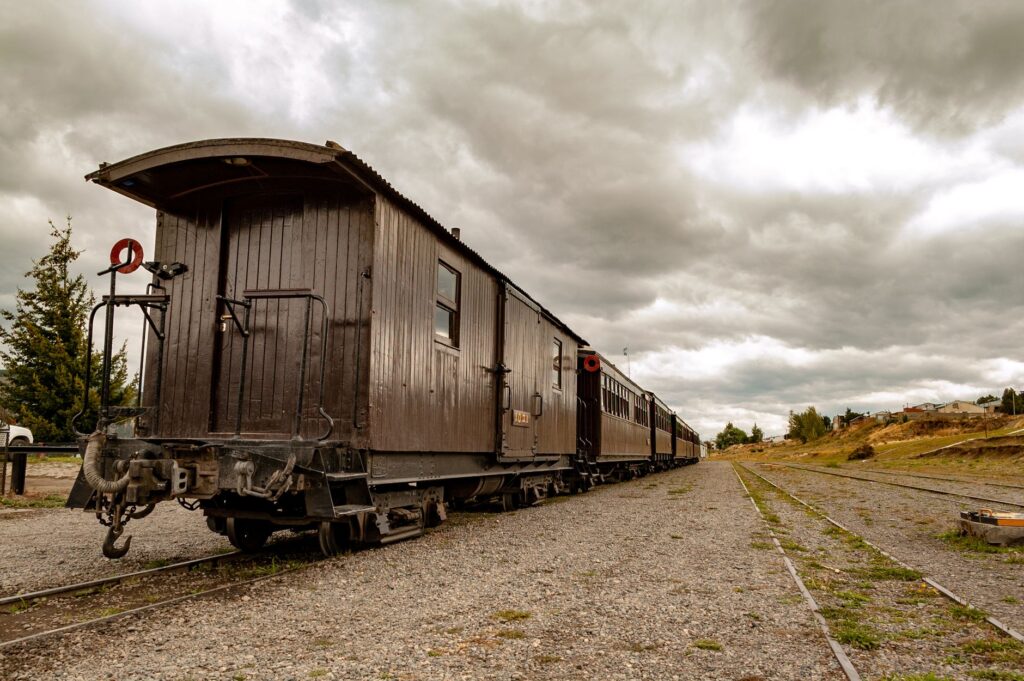
Wool storage sheds, elevated water tanks with riveted metal structures, and light maintenance workshops formed a self-sufficient functional ensemble. The layout of switch points and turntables allowed complex maneuvers in confined spaces, optimizing locomotive turnaround times. Today, many of these shells survive as milestones of industrial archaeology, silent testimony to an era where every screw and rail had to be imported from Europe after months of maritime transit.
The Logistics of Coal and Wool: Economic Axes of the Branch
The economic viability of Patagonian railway lines rested upon two fundamental productive pillars: extensive sheep farming and the extraction of energy and mineral resources. During the first decades of the twentieth century, convoys constituted the only fast and secure way to transport thousands of tons of wool fleeces from large estancias to deep-water ports on the Atlantic. This steady flow of cargo structured a logistical calendar heavily marked by the seasonality of shearing.
Likewise, the transport of mineral coal from strategic deposits configured specific branch lines whose exclusive mission was to supply the energy consumption of a nation undergoing rapid industrial transformation. Coordination between general freight convoys and specialized hopper cars demanded precise synchronization with tides and coastal steamer schedules. This rudimentary multimodal network demonstrated remarkable resilience against economic crises and international market fluctuations, sustaining the region’s demographics through its most difficult periods.
Rolling Stock and Steam Technology Facing the Austral Climate
Operating locomotives in Patagonia required very particular technical specifications. Steam machines had to withstand hardships such as volcanic ash accumulation in fireboxes and frozen piping during severe austral winters. British brands predominated in the motive power fleet, providing robust multi-axle locomotives that distributed weight evenly without damaging lightweight ballast infrastructure. The subsequent incorporation of railbuses and diesel locomotives meant operational modernization that reduced travel times but demanded new specialized maintenance workshops.
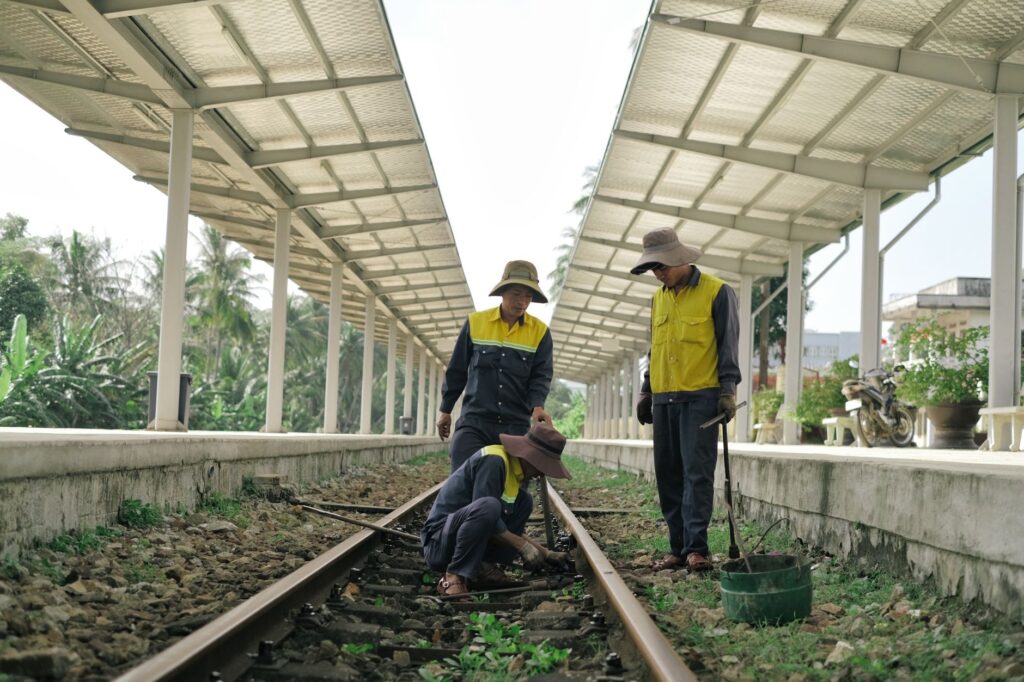
Track maintenance constituted a daily battle against corrosion generated by environmental salinity in coastal areas and the abrasive wear of wind-blown sand. Way and works teams performed permanent inspections, repairing washouts caused by seasonal thaws or atypical torrential rains. This preventive maintenance culture forged generations of railway workers whose technical expertise was passed down from parents to children, consolidating a labor identity deeply rooted in the austral territory.
Social Impact and the Human Vertebration of the Territory
Beyond its economic role, the train played an irreplaceable civilizing function in Patagonia’s social integration. For settlers isolated in remote ranches and outposts, the arrival of the weekly service represented mail, fresh provisions, access to healthcare, and contact with the rest of the country. Period chronicles detail how local communities organized their daily activities around the passage of the convoy, whose distant whistle served as the steppe’s official clock.

The railway track was not merely a line of steel upon the earth, but the invisible thread stitching together the shreds of a country fragmented by its own immensity.
Mobile schools mounted in special railcars, the distribution of medications, and the transport of passengers under basic comfort conditions transformed the perception of Patagonian space. Stations became socialization nodes where sheepherders, merchants, officials, and travelers converged, generating a multicultural fabric nourished by European immigrants and criollos from other Argentine provinces who found an horizon of opportunity in the south.
Decline, Heritage Resistance, and the Tourism Rebirth
Transport restructuring policies implemented in the late twentieth century struck a heavy blow against Patagonian railway infrastructure, prompting the mass closure of branch lines and the isolation of numerous communities. However, the heritage and sentimental value of these alignments subsequently spurred rescue initiatives oriented toward cultural and experiential tourism. Converted historic trains began operating on emblematic segments, demonstrating that centuries-old engineering still retained enormous pulling power for travelers eager for authenticity.
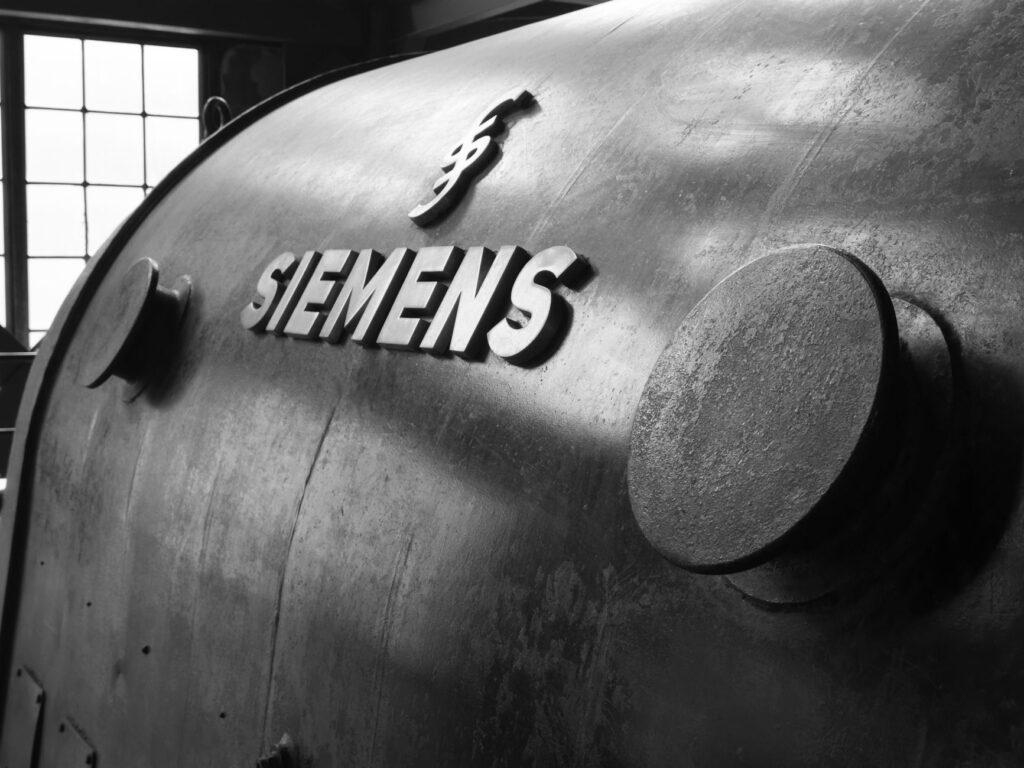
This transition, not without financial difficulties, has allowed the preservation of stations, workshops, and rolling stock that otherwise would have been lost to abandonment. Railway conservation experts collaborate closely with local communities to keep these living museum pieces operational, ensuring that safety standards are maintained without distorting the original travel experience. The contemporary challenge lies in balancing commercial viability with the strict preservation of a globally unique industrial heritage.
Practical guide
Planning an itinerary centered on Patagonia’s railway heritage requires understanding the logistical particularities of the austral region. Essential operational guidelines for the traveler are detailed below:
- Recommended Season: The months of austral spring and summer (October to March) offer more favorable weather conditions and lower incidence of hurricane-force winds, though the steppe always demands windproof technical clothing.
- Air and Ground Connectivity: The main tourist railway operation centers are structured around regional airports connected with Buenos Aires, complemented by rental vehicle services suitable for gravel roads.
- Service Reservations: Operational tourist segments have limited seating due to the preservation of historic rolling stock, so purchasing tickets months in advance is strongly recommended.
- Accommodation and Services: Restored former stations and surrounding towns offer everything from traditional tourist ranches to mountain lodges, making it essential to check fuel availability and digital connectivity before venturing onto secondary routes.
The Heartbeat of Wind and Iron on the Horizon
Contemplating an old locomotive halted before the vastness of the Patagonian horizon evokes a profound reflection on the human ambition to connect the unconnectable. In these landscapes where time seems to slow down beneath the celestial dome, the scars left by ties and rails remind us that every civilizing advance required sweat, precise calculation, and stoic resistance against the environment. Journeying through these latitudes transcends mere physical displacement; it becomes an exercise in historical contemplation honoring the effort of those who wove, with bolts and rails, the backbone of the American edge.