
The Market That Breathes to the Rhythm of the Atlantic Tide
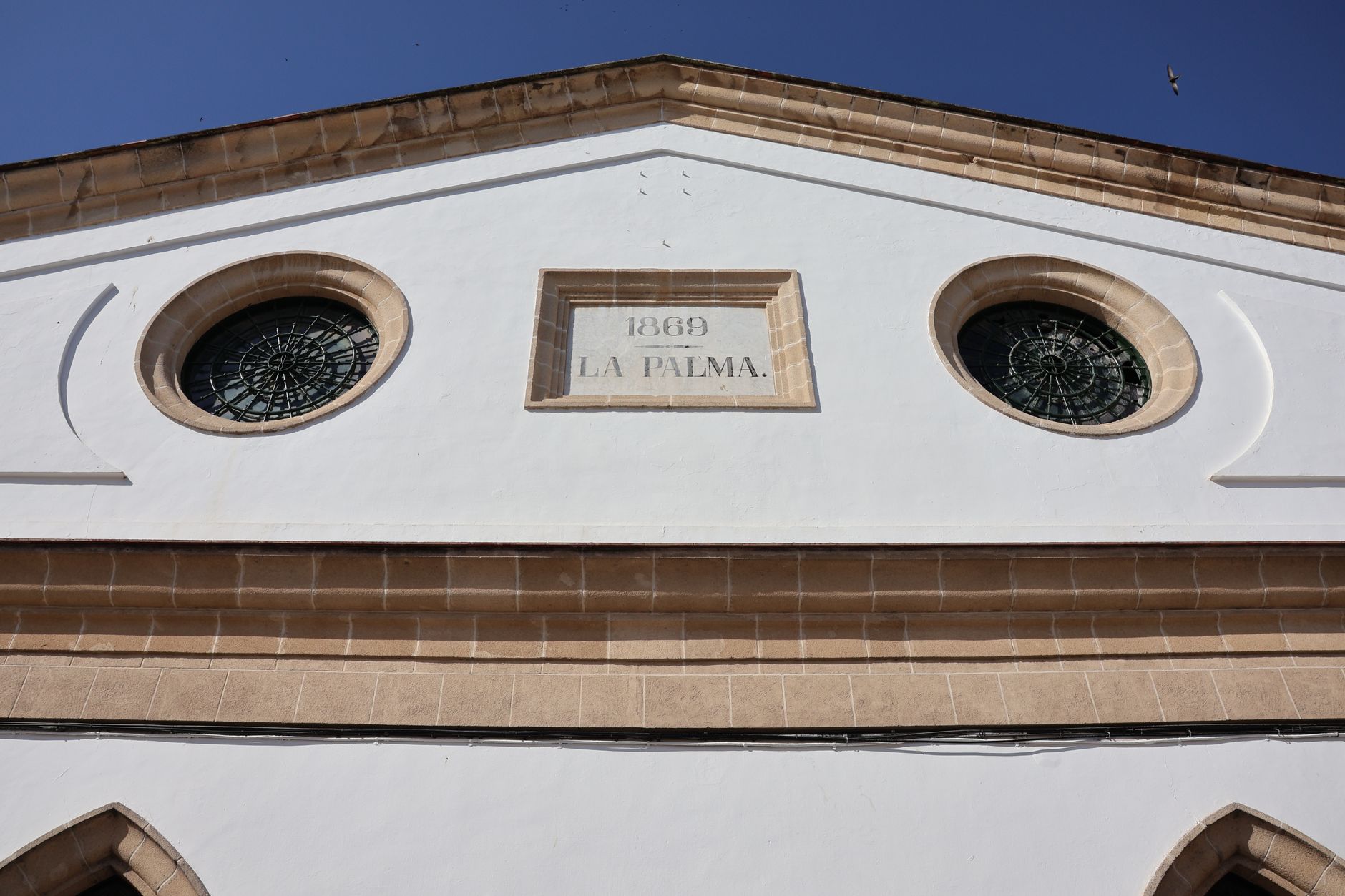
At the westernmost tip of the Iberian Peninsula, where the land narrows into a stone arrow beaten by the easterly and westerly winds, the city of Cadiz preserves one of the most fascinating food sanctuaries in southern Europe. The Central Market, erected on the grounds of a former convent orchard in the mid-nineteenth century, is not merely a space for commercial transaction. It is the daily heartbeat of a community that has turned historical scarcity and the richness of its marine environment into a form of high popular culture. Walking through its porticoed aisles is stepping into a living archive of Atlantic memory, where each stall maintains absolute codes of respect toward the product caught just hours earlier in the waters of the continental shelf.
Architect Juan Daura’s original neoclassical design structured the market as a porticoed rectangular plaza, conceived to organize the bustle of street vendors who previously occupied the alleys of the La Viña neighborhood and Plaza de las Flores. Today, the heart of this enclosure is occupied by the fresh seafood pavilion, which dazzles with its pristine geometry. White marble slabs act as canvases where crustaceans, mollusks, and rock fish are arranged with taxonomic rigor, ordered not by price, but by their habitat and culinary affinity. The mastery with which the fishmongers handle the pieces reveals a craft transmitted across generations, where the flexible knife cuts with millimetric precision without tearing muscle fibers.
The Architecture of Iron and the Light of the Plaza
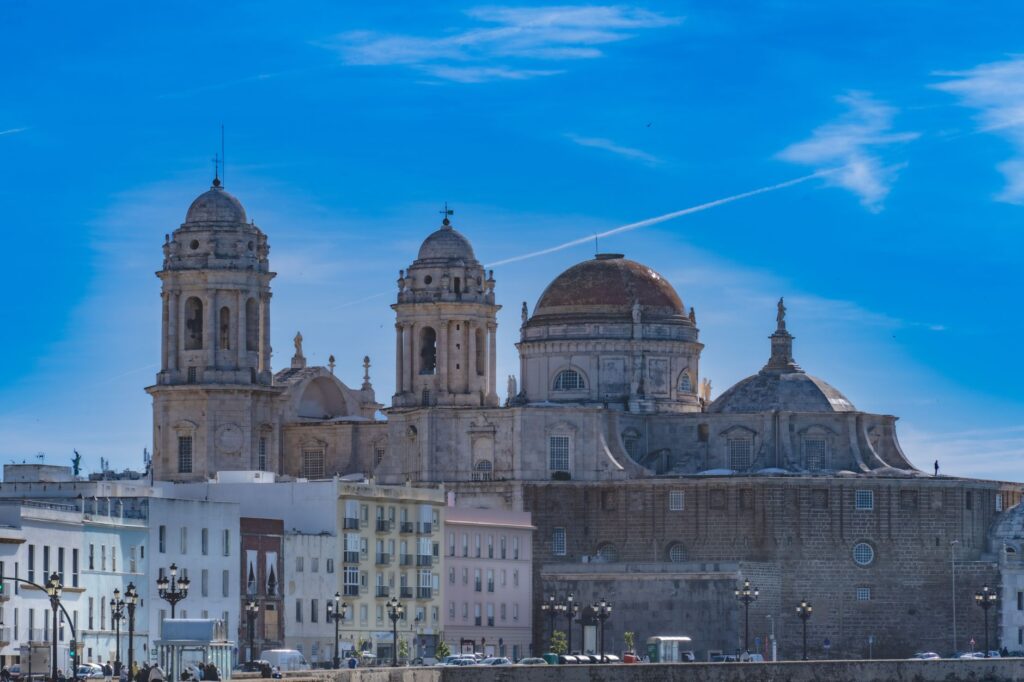
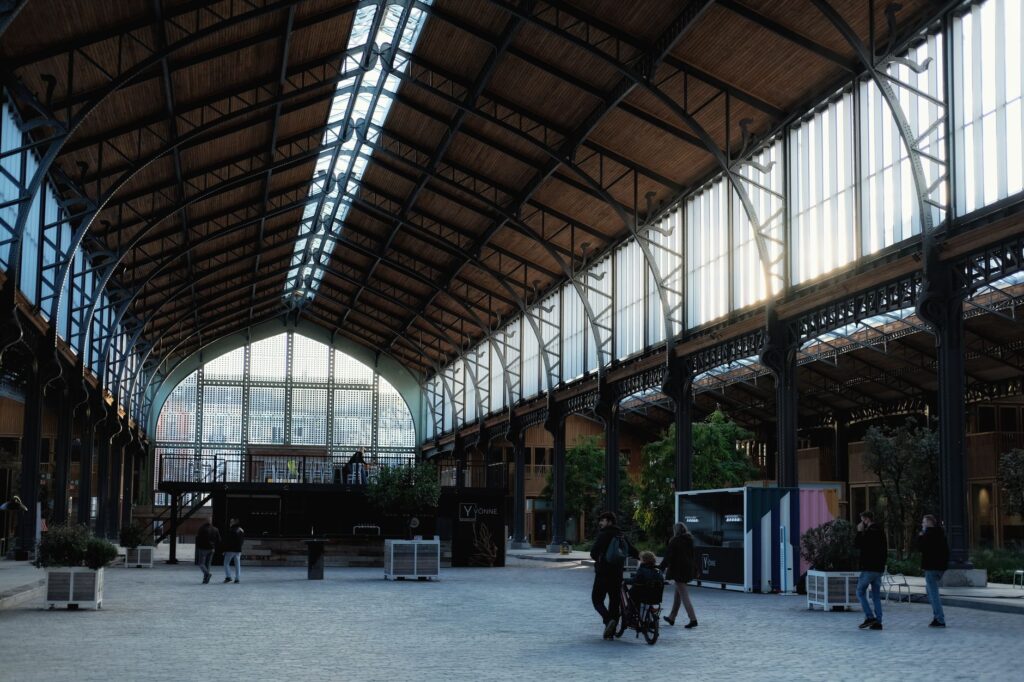
The structural intervention carried out in the late twentieth century respected the historic volume of the building, integrating a lightweight roof that allows the zenithal light of the Silver Cup to flood every corner of the enclosure. This natural lighting is not a mere aesthetic detail; it is a fundamental tool for assessing the freshness of the catch. The iridescent sheen of a redfish or the mother-of-pearl tone of cockles from the Trocadero channel reveal their immediate origin. The stalls are organized in concentric streets that segregate the aromas of boiled shellfish, saltwort harvested in the estuaries, and the produce of the Cadiz countryside irrigated by the underground waters of the Jerez plains.
The bustle of the plaza is governed by a rigorous schedule that marks the city’s tempo. Early in the morning, local restaurateurs and private shoppers converge in search of the most coveted pieces. There is no unnecessary stridency, only the steady murmur of respectful and knowing trade between the fisherman and the consumer. Conversations revolve around the state of the sea, the force of the night wind, and the best way to prepare a fish baked in salt or stewed with a base of Sanlucar manzanilla. The market’s architecture fosters this human encounter, turning daily shopping into a social act of the highest order.
The food market of Cadiz is a treatise on applied oceanography where the marble counter acts as the final frontier between the marine abyss and the domestic table.
The Mystery of the Estuaries: Rearing in Controlled Freedom
Beyond the urban walls, within the Bay of Cadiz Natural Park, lies a unique landscape that explains much of the region’s gastronomic excellence: the estuaries. Former artisanal salt pans converted into natural nurseries, this labyrinth of channels and sluice gates harnesses the play of tides to introduce clean ocean water alongside plankton and small crustaceans. In this amphibious environment, species such as gilthead bream, sole, and sea bass thrive, feeding exclusively on natural resources without industrial feed inputs. This controlled freedom rearing grants the meat a firm texture and an unmistakable savory profile, devoid of the earthy flavors typical of intensive aquaculture.

Managing an estuary requires profound knowledge of local hydrology. Traditional estuary managers regulate water flow using wooden sluice gates called tajaderas, controlling salinity, temperature, and dissolved oxygen concentration. During autumn and winter months, partial drainage of the channels is carried out to capture specimens using traditional net methods. This sustainable system represents one of the few European examples of perfect symbiosis between preindustrial human activity and the conservation of tidal marsh biodiversity.
Scale and Stone: The Art of Butchering at the Stalls
In the north wing of the market, the fresh fish section offers an unparalleled visual and technical spectacle. Here operate master butchers capable of sectioning a bluefin tuna or rock snapper while utilizing every single gram of meat according to its fat infiltration. Tarantelo, descargada, morrillo, and contramulo achieve noble status, each with its distinct texture and ideal cooking method. Customers can request precise cuts for tartar, sashimi, or traditional fish stew, alongside expert advice on cooking times needed to preserve the delicacy of the product.

This specialization in cutting is no coincidence; it stems from a maritime tradition dating back to the Phoenicians and Romans, who established salting factories along these very shores. Virgin sea salt, sourced from the artisanal salt pans of the Bay, acts as the invisible thread uniting the sea with the pantry. In specialized stalls, salt is sold in coarse grains, delicate flakes, or fine powder, each destined to elevate a different dish without masking the iodized personality of the Bay’s fish.
The Culture of Kraft Paper and Historic Frying
The experience at the Cadiz Central Market naturally extends to its surroundings and the gastronomic corner within the enclosure, popularly known as the Rincón de los Sabores. Here, fresh produce is instantly transformed into famous Cadiz fried fish. The secret to this art lies in the use of clean olive oil at very high temperatures, fine durum wheat flour that merely seals the exterior, and a brief immersion time preventing oil absorption. Marinated dogfish, small hake, and squid are served in brown paper cones, maintaining a crispy exterior and juicy interior.
This format of quick, popular consumption contrasts with the technical sophistication contemporary chefs apply to these same ingredients in historic district restaurants. However, both in haute cuisine and at the street stall, the same guiding principle underlies: maximum minimal intervention on an exceptional product. The mastery of the Cadiz fry cook is as demanding as that of the Basque grill master or the Neapolitan pizzaiolo; a second’s delay in removing the product from the pan ruins the delicate balance between crispy crust and tender fish meat.
Eating a cone of fried fish near the Cadiz market is an act of cultural affirmation synthesizing centuries of maritime trade and popular wisdom.
The Marshland Garden and the Herbal Treasures of Salt
Though fish claims the main headlines, the offering of the Cadiz market is completed by plant treasures sprouting along marsh edges and sandy market gardens. Glasswort, locally known as sea asparagus, and purslane provide a salty, crunchy counterpoint to fish preparations. These halophytic plants concentrate tidal minerals in their tissues, offering natural acidity and subtle iodine that perfectly complement marinades and griddled fish.
Likewise, potatoes from the Sanlucar de Barrameda farms, cultivated in sandy soils bathed by Atlantic breezes, possess a fineness and starch content ideal for fish stews with cuttlefish or tuna. The conjunction of these terrestrial products with the Bay’s catches demonstrates that Cadiz cuisine is a closed, self-sufficient ecosystem where every local ingredient finds its perfect partner within walking distance inside the market.

Practical Information for the Traveler and Food Lover
Visiting the Central Market of Cadiz requires planning to enjoy its pace without haste. The enclosure opens Monday through Saturday from 8:00 AM to 3:00 PM, with peak visual splendor and activity between 9:30 AM and 12:00 PM. The indoor gastronomic corner also operates during evening hours on weekends.
- Location: Plaza y Mercado Central, s/n, 11005 Cadiz. Located in the historic old town, it is easily walkable from any point in the ancient city.
- Public Transit Access: Cadiz train and bus stations are roughly a ten-minute walk from the market, providing direct connections to Jerez, Seville, and El Puerto de Santa Maria.
- Shopping Tip: If purchasing fresh fish for consumption, ask the fishmonger to clean and scale it; most stalls offer this service free of charge as part of traditional customer care.
- Market Etiquette: Photography of stalls and products is permitted, but discretion and respect toward vendors and shoppers are requested during peak rush hours.
The Eternal Return of the Atlantic Flavor
The Central Market of Cadiz and its surrounding estuaries and marshes represent one of southern Europe’s most genuine cultural and gastronomic reserves. In an era dominated by food standardization and large supermarkets, this nineteenth-century bastion proves that the survival of authentic flavors depends on defending local produce, marine resource sustainability, and respect for traditional trades. Cadiz cannot be understood without its food market; it is the mirror where the city looks at itself every morning to remember who it is, where it comes from, and how it has transformed wind, salt, and tide into an unalterable heritage.