
Introduction to the Costa Rican Pacific Rail Corridor
The history of transportation in Central America is deeply tied to the audacity of uniting two geographical worlds through the sheer power of steam and steel. In the heart of Costa Rica, the Pacific Railway route represents one of the most remarkable testimonies of 19th-century civil engineering adapted to an unforgiving topography. From the Central Valley to the western littoral ports, this layout not only transformed the region’s coffee economy but also established an indispensable mobility corridor for understanding the country’s territorial development. Unlike high-mountain or desert railways, the journey toward the Costa Rican Pacific imposed a unique botanical and climatic challenge, where tropical humidity and rugged volcanic cordilleras tested the resilience of both local and foreign builders.
Today, as urban and tourism mobility seeks efficient alternatives to road congestion, this transport system is undergoing a process of historical and operational revaluation. Analyzing its current infrastructure provides insight into how a Central American nation has attempted to rescue its railway heritage, integrating it into a modern discourse of sustainability, cultural tourism, and regional connectivity. The journey across period metal bridges, tunnels carved into volcanic rock, and the rural settlements flanking the tracks offers a privileged perspective on the evolution of transport across the isthmus.
Historical Context: A Nation Turning Toward the Sea
During the final decades of the 19th century, Costa Rica consolidated its agro-export model based fundamentally on the golden grain of coffee. However, reliance on Caribbean ports severely restricted trade with markets in the Pacific basin and Asia. The need to connect San Jose with the Gulf of Nicoya prompted the government to seek mass transit solutions that would surpass traditional oxcarts and bridle paths, which invariably became impassable during the rainy season.
Construction on the Pacific Railway formally began under various administrations that envisioned the necessity of an interoceanic or at least a direct western sea outlet. The endeavor involved hiring international engineers and mobilizing a massive local workforce. The orographic complexity required overcoming steep gradients, crossing deep rivers, and drilling through mountains with rudimentary tools. Every kilometer won from the topography represented a technical victory over a hostile natural environment.
Tropical Engineering Challenges and Volcanic Orography
Building a railway in the tropics means dealing with factors absent in temperate latitudes. The combination of extreme precipitation, constant seismic activity, and aggressive vegetation capable of swallowing tracks within weeks turned the Pacific Railway into a permanent laboratory of maintenance and preventative engineering. Engineers had to design metal structures capable of supporting not only the weight of locomotives but also accelerated corrosion caused by marine salt near the coast and high relative humidity.
One of the most complex technical milestones of the route was conquering the passage through the Costeña mountain range and the descent toward the central Pacific. The implementation of steep slopes and sharp curves required specialized locomotives and a rigorous braking and signaling system. Along the route, steel viaducts imported from Europe and the United States became architectural landmarks defying the abysses carved by rivers such as the Grande de Tárcoles, demonstrating industrial adaptability in peripheral contexts.
The railway line is not merely a string of steel over wooden ties; it is a geometric scar that tamed tropical exuberance to economically integrate a developing nation.
Economic Transformation and the Rise of Coastal Trade
The official inauguration of the Pacific Railway immediately altered Costa Rica’s trade balance. Coffee, the primary economic engine, found a more direct and economical route to the markets of California, Chile, and Western Europe through the port of Puntarenas. Simultaneously, passenger transport began to energize the nation’s social life, allowing residents of the Central Valley to reach Pacific beaches in a matter of hours—a journey that previously took several days.
Beyond coffee, the railway facilitated the transport of bananas, precious woods, livestock, and manufactured goods, becoming the backbone of the national economy during the first half of the 20th century. Intermediate stations flourished as commercial hubs and community meeting points where farmers and merchants exchanged goods to the rhythm of the train whistle. This dynamism generated a distinct railway culture visible in station architecture and the collective memory of rural communities.
Decline and the Interruption of Regular Service
As occurred across much of Latin America during the latter half of the 20th century, the expansion of automobile and truck roads, coupled with state policies prioritizing motor transport, plunged Costa Rica’s rail system into deep crisis. A lack of investment in equipment modernization, infrastructure wear, and severe damage caused by natural events—such as earthquakes and hurricanes—precipitated the government’s decision to suspend regular railway operations late in the last century.
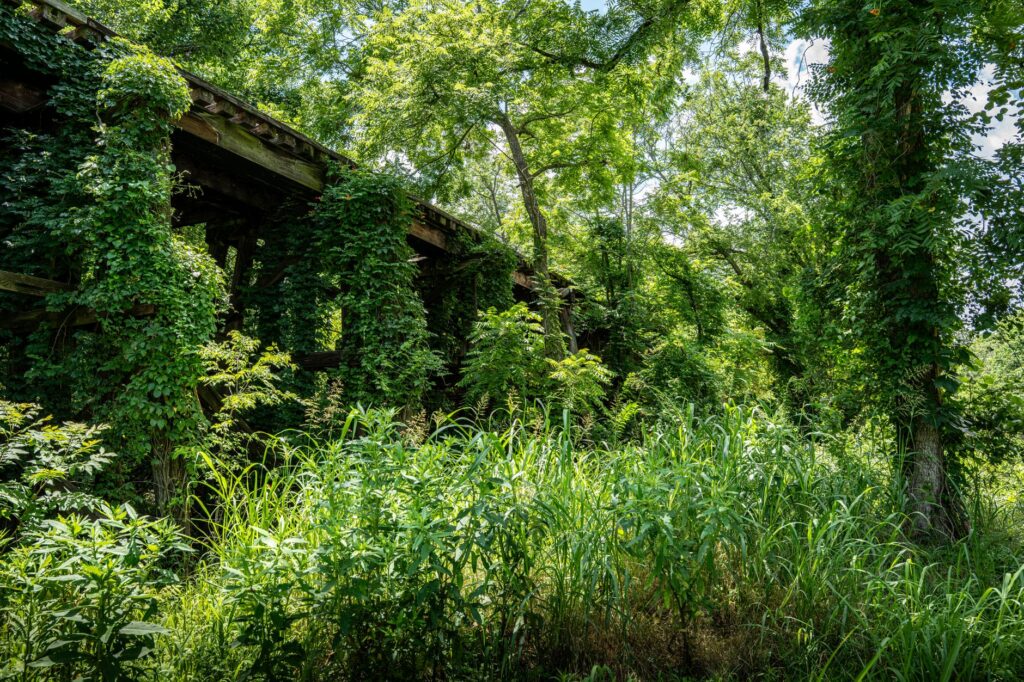
The temporary or definitive closure of these routes meant the loss of a fundamental logistics asset and the relative isolation of various rural communities that depended exclusively on the train for supplies and mobility. For years, the tracks lay abandoned beneath undergrowth, becoming silent witnesses to a golden age of transport engineering in Central America. Nonetheless, the heritage value of the route has remained central to public debate regarding the need to diversify the national transport matrix.
Contemporary Revival: Heritage Tourism and Sustainable Mobility
In the 21st century, facing chronic vehicular congestion in the Greater Metropolitan Area of San Jose and the urgent need to promote low-emission transport alternatives, the Costa Rican state and various civil organizations have driven initiatives to rescue specific sections of the railway system. Although complete reactivation of the interoceanic or intercoastal route faces colossal financial and logistical challenges, tourist trains and commuter services have demonstrated the viability of reclaiming railway space.
The segment of the Pacific Railway currently operating for recreational and tourist purposes allows contemporary travelers to experience the scale of the original architectural work. Traversing historic bridges and observing changing landscapes—from the temperate climate of the central plateau to the sea breeze of the coast—constitutes an educational and scenic experience of the highest order. This approach combines industrial heritage preservation with a sustainable tourism model that values local history above mass consumption.
Practical Guide for Travelers and Railway Researchers
For those interested in exploring the legacy of the Pacific Railway from a rigorous perspective, planning the journey requires considering the operational specifics of active sections and local railway museums. Key recommendations for an informed visit are detailed below:
Atlantic Station and Railway Museum (San Jose): The ideal starting point for understanding the country’s railway history, housing photographic archives, technical documents, and historic locomotive pieces.
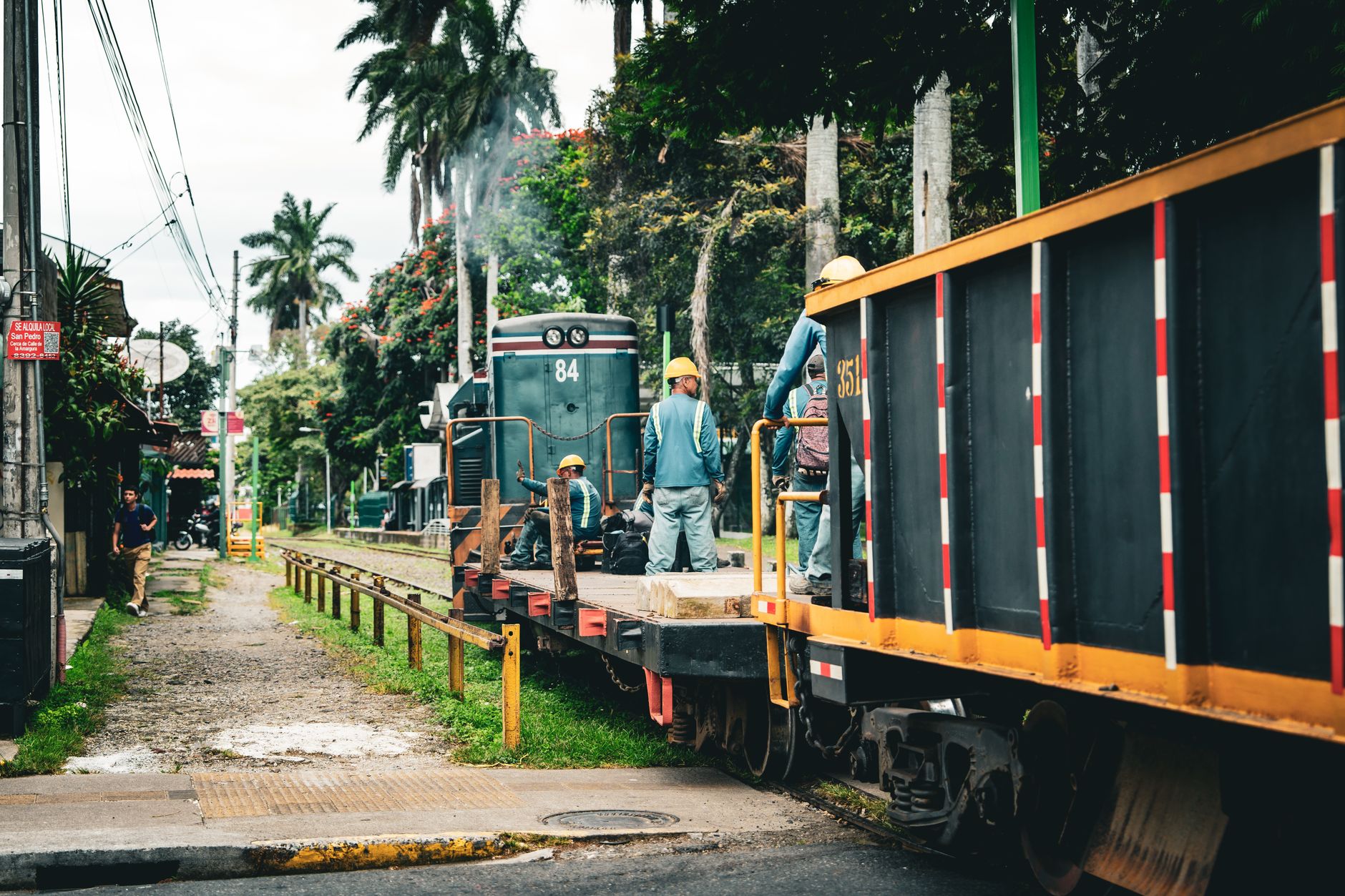
Metropolitan Passenger Section: The Costa Rican Railway Institute (Incofer) operates commuter train services within the Greater Metropolitan Area, offering a glimpse of urban railway integration.
Puntarenas and the Historic Pier: Visit the maritime terminal and the old Pacific station to understand the logistical culmination of the corridor.
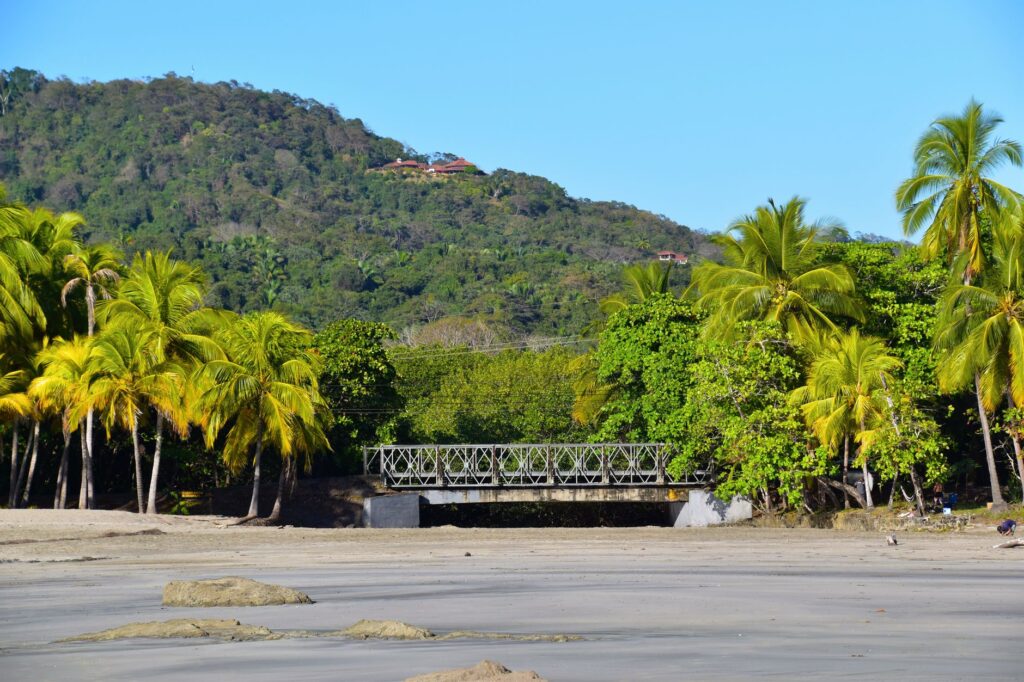
Grande de Tárcoles River Bridge: A key architectural observation point to appreciate the scale of 19th-century metal viaducts amid a protected natural environment.

Climatic Planning: It is advisable to visit during the dry season (December to April) to ensure optimal access to rural sections and avoid disruptions from river flooding.
The study of historical transport infrastructure reveals that national development is not a linear process, but a succession of adaptations where human ingenuity must constantly dialogue with the laws of nature.
Conclusion: The Legacy of the Rails in the 21st Century
The Pacific Railway in Costa Rica transcends the category of mere transport infrastructure; it is a monument to human perseverance against the geographical and climatic obstacles of the American tropics. Its history encapsulates the contradictions, achievements, and challenges of modernization in Latin America. Today, in a global context demanding a rethinking of mobility and a reduction of the carbon footprint, the study and partial recovery of these rail corridors offer invaluable lessons on long-term territorial planning. The route that once connected coffee-growing mountains to the open sea continues to remind us that the physical integration of a territory is the essential foundation upon which sovereignty and economic futures are built.