
The Island of a Thousand Volcanic Faces in the Mirror of Mass Tourism
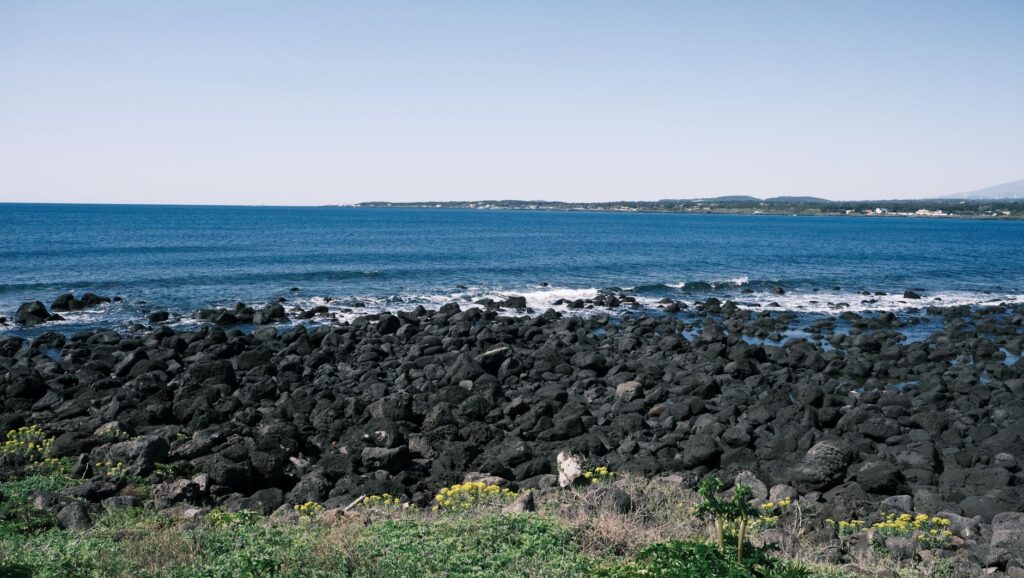
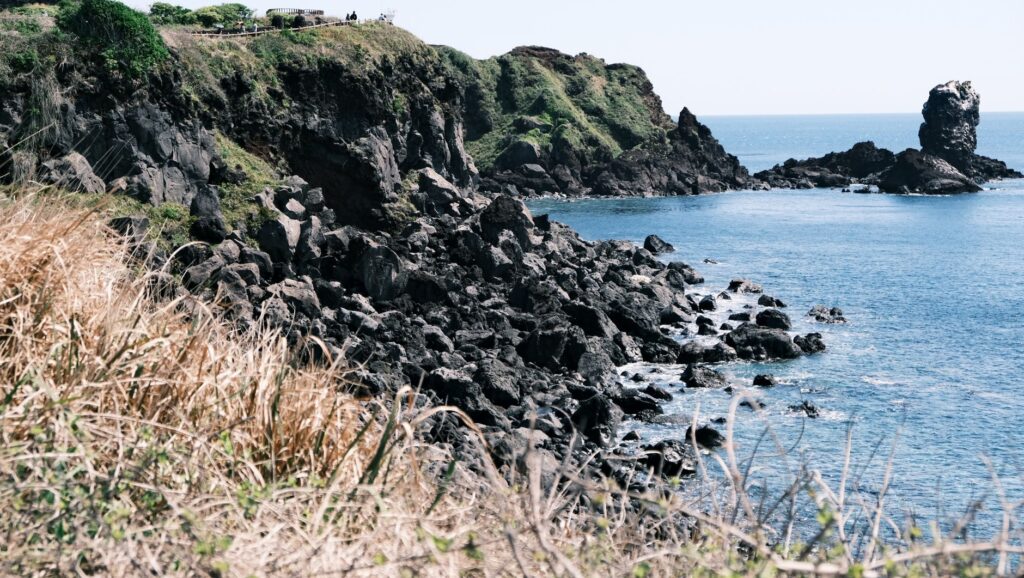
At the southern tip of the Korean Peninsula, the insular territory of Jeju rises upon a substrate of black basalt and ancient legends. Far from the sanitized postcard image of tourism, this volcanic enclave has faced for decades a complex paradox: welcoming millions of annual visitors without eroding the delicate balance of its local communities or compromising the water resources that sustain its traditional agriculture. The mounting pressure on terrestrial and maritime transport infrastructures has forced island authorities and grassroots groups to completely rethink mobility.
For years, the exponential growth of private vehicle ownership choked the secondary road networks winding between mandarin orchards and dormant volcanic cones, known locally as oreums. Chronic congestion not only altered the quality of life for permanent residents but accelerated the degradation of protected natural habitats. In response to this saturation crisis, the provincial government and various civil cooperatives have spearheaded a paradigm shift toward truly sustainable transport systems, integrating cutting-edge technology with absolute respect for cultural heritage.
The transition goes beyond simply replacing combustion engines with electric alternatives, encompassing a comprehensive overhaul of the philosophy of movement. Daily journeys are no longer measured solely in minutes saved, but in generated ecological footprints and the capacity of transport networks to cohere the territory. This collective effort places Jeju at the international forefront of responsible tourism management, proving that island regions can lead the energy transition without sacrificing their historical identity.
The Route of Silence: The Rise of Solar and Electric Ferries in the Archipelago
One of the most significant milestones in this transformation is concentrated in the maritime connections linking the main island with surrounding smaller islets, such as Udo and Mara. Historically dependent on highly polluting diesel vessels, these routes are undergoing a silent metamorphosis today. The gradual launching of catamarans powered by solar energy and high-capacity battery banks marks a turning point in the region’s coastal navigation.
The replacement of the conventional fleet has drastically reduced nitrogen oxide emissions and underwater noise, a decisive factor for the protection of local marine fauna, especially the populations of bottlenose dolphins inhabiting the straits. Local naval engineers have designed low-hydrodynamic-resistance hulls that optimize every kilowatt-hour stored in the battery banks, enabling regular crossings even in adverse weather conditions.
Furthermore, port terminals have been equipped with fast-charging stations powered by onshore wind farms situated in the island’s higher elevations. This closed circuit of generation and consumption ensures that energy used in maritime transport comes exclusively from local renewable sources. Captains of these vessels note how the technological shift has also improved working conditions on board, eliminating the constant vibrations and dense fumes that characterized older engines.
Neighborhood Networks and Soft Mobility: The Pulse of Coastal Trails
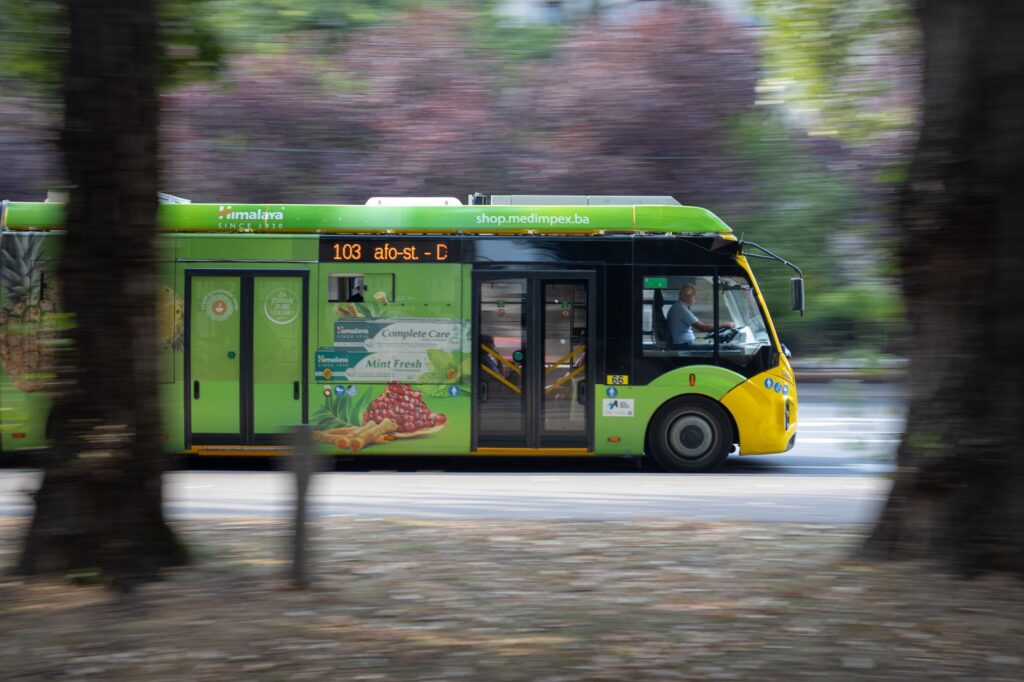
On land, the decarbonization strategy relies on a network of electrified public buses and the recovery of traditional paths known as Olle. This network of trails, which circumvents the island’s coastline over hundreds of kilometers, has ceased to be merely an attraction for hikers, transforming into a viable alternative for soft mobility between neighboring villages.
Neighborhood councils have collaborated closely with the transport department to establish rental points for electric bicycles adapted to the undulating topography of the terrain. These points are strategically located next to the main stops of the bus network, creating a fluid multimodal system that discourages rental car use among visitors. Absolute priority is always granted to pedestrians and cyclists, reshaping the urban space of small coastal municipalities.
blockquote>True insular sustainability does not lie in banning transit, but in redesigning every journey so travelers understand the value of the land they walk upon without leaving a scar on the landscape.
This participatory approach ensures planning decisions are not imposed from government offices, but born from consensus with farmers’ and fishermen’s associations. Senior residents oversee that the expansion of bike lanes does not invade protected farmland or alter natural stormwater drainage channels.
Technical and Logistics Challenges in Extreme Insularity
Despite notable progress, the path toward fully decarbonized mobility in Jeju presents considerable formal and technical obstacles. Electrical demand fluctuates unpredictably due to tourist seasonality, forcing grid operators to perfect stationary storage systems to prevent localized blackouts during peak visitor periods in summer and autumn.
Likewise, the interior’s volcanic topography, marked by steep slopes and abrupt elevation changes, demands the development of heavy-duty electric vehicles with improved driving ranges and highly efficient regenerative braking systems. Local mechanical workshops have had to retrain through intensive technical training programs to learn how to maintain and repair complex electronic components that previously had to be shipped to the Korean mainland.
The management of batteries at the end of their useful life constitutes another major environmental challenge addressed cautiously by the provincial administration. Strict regulations have been implemented to ensure the traceability of lithium accumulators, encouraging their reuse in energy storage systems for rural homes before proceeding to comprehensive recycling in specialized regional plants.
The Role of Haenyeo Women Divers in Local Transport Transition
No analysis of sustainability in Jeju would be complete without examining the cultural and social influence of the Haenyeo, the iconic traditional women divers who for generations have harvested seafood from the seabed without autonomous breathing apparatus. Their encyclopedic knowledge of currents, tides, and marine biological cycles has become an invaluable consultative asset for planners of new electric ferry routes.
Haenyeo associations actively participate in environmental impact committees, demanding clean navigation routes avoid sea urchin breeding grounds and brown algae meadows. Their moral authority within coastal communities provides indispensable rigor that curbs any developmentalist temptation in port infrastructure execution.
blockquote>The sea has given us life for centuries, and today we demand that technological modernization respect the silence our grandmothers learned to listen to underwater.
This collaboration between cutting-edge science and ancestral wisdom proves the most effective ecological transition integrates the collective memory of the territory, avoiding external impositions that ignore pre-existing local dynamics.
Circular Economy and the Impact on Small Fishing Communities
The transformation of transport has directly impacted the economy of small fishing ports, traditionally marginalized in favor of large urban infrastructures in the island’s northern sector. The installation of charging stations and the steady arrival of visitors committed to slow tourism have revitalized local commerce, boosting zero-kilometer product markets and self-managed rural accommodations.
Local fishermen have found new avenues of complementary income by offering guided tours in their traditional boats, now adapted with hybrid auxiliary engines. Thus, the island’s naval heritage is not mummified in a museum but actively integrated into sustainable tourism offerings, guaranteeing the economic survival of entire families without compromising the purity of coastal waters.
The economic benefits of this decentralized mobility remain within the community, preventing capital flight toward large international hotel chains. Neighborhood cooperatives directly manage the sale of combined transport tokens and cultural site access, ensuring equitable distribution of revenue generated by the sector.
Practical guide
Planning a sustainable trip to Jeju requires understanding its multimodal transport network and respecting local environmental coexistence rules.
How to get there: Jeju International Airport (CJU) connects the island with major hubs in South Korea and East Asia. From the mainland, passenger and vehicle ferries also operate from ports such as Busan and Mokpo.
Internal mobility: Use the integrated Jeju Pass transport card to access the electrified express and urban bus network. For coastal stretches, rent assisted bicycles at approved Olle network stations.
Connecting with smaller islands: Solar-powered ferries to Udo Island operate daily from Seongsan Port. Advance booking is recommended during weekends.
When to visit: Spring months (April to May) and autumn (September to October) offer optimal temperatures and lower tourist crowds, facilitating a more leisurely and respectful travel experience.
Horizons of Stone and Tide: The Living Legacy of the South
As evening falls, when the emerald mist descends over black basalt fields and the silhouettes of oreums merge with the sea horizon, Jeju Island reveals its true essence. The roar of yesterday’s engines has given way to a subtle murmur, that of waves caressing the coast and the distant hum of solar catamarans returning to port with the last light of day. This silent metamorphosis proves that preserving natural heritage is not an unattainable utopia, but the fruit of collective will, rigorously applied science, and profound respect for the teachings of those who have inhabited these volcanic confines since the dawn of time. For the contemporary traveler, exploring Jeju today means becoming part of an invisible pact with the future, where each conscious journey ratifies the inescapable commitment to protect the fragility of the insular world.