A Necessary Pause on the Castilian Map
When the rhythm of the year accelerates and calendars fill with inescapable commitments, body and mind cry out for a respite that restores perspective. Getaways during this season, marked by preparations and holiday hustle, urgently demand a destination where time seems to slow down. Far from major capitals and mass tourism circuits, there are small enclaves where the calendar adopts another cadence and silence ceases to be a rarity, becoming the main soundtrack of the landscape.
In the heart of the province of Burgos, surrounded by quiet hills and secondary roads winding through plateaus and valleys, lies one of those essential refuges. Santo Domingo de Silos, a village barely exceeding two hundred and forty inhabitants, houses a historical and artistic heritage disproportionate to its demographic size. Here, every stone breathes centuries of monastic history and every corner invites walking without haste, with the sole objective of connecting with the essence of medieval architecture and rural peace.
The Geography of Silence and Stone
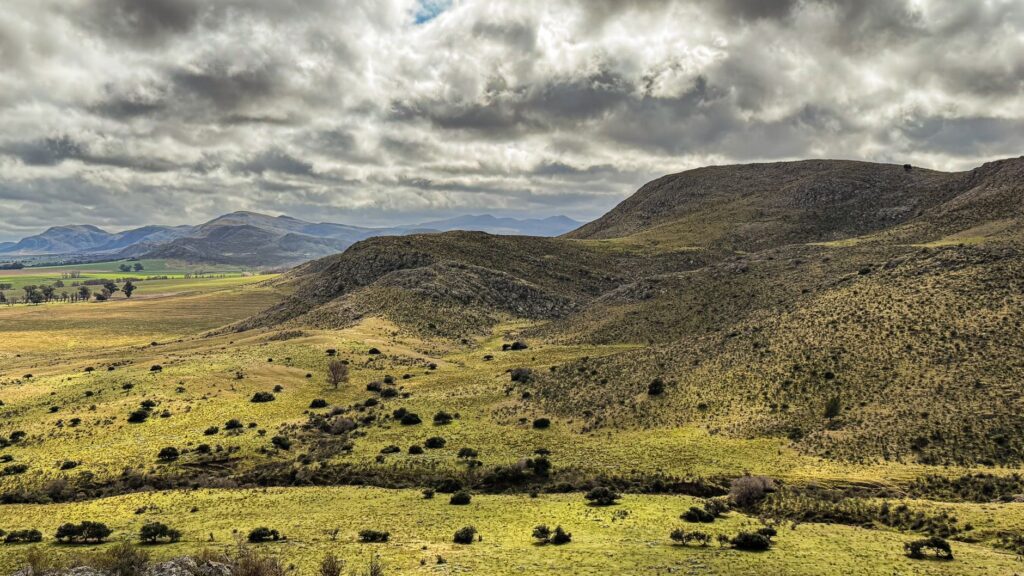
The journey toward Silos is already a statement of intent. Leaving behind the main highways to venture into the Sierra de la Demanda region and its southern foothills means entering a territory where nature sets the pace. Nearby gorges, such as the impressive Desfiladero de la Yecla, molded by the patient action of water on limestone, remind visitors of the geological force of an environment that has remained practically unaltered for centuries.

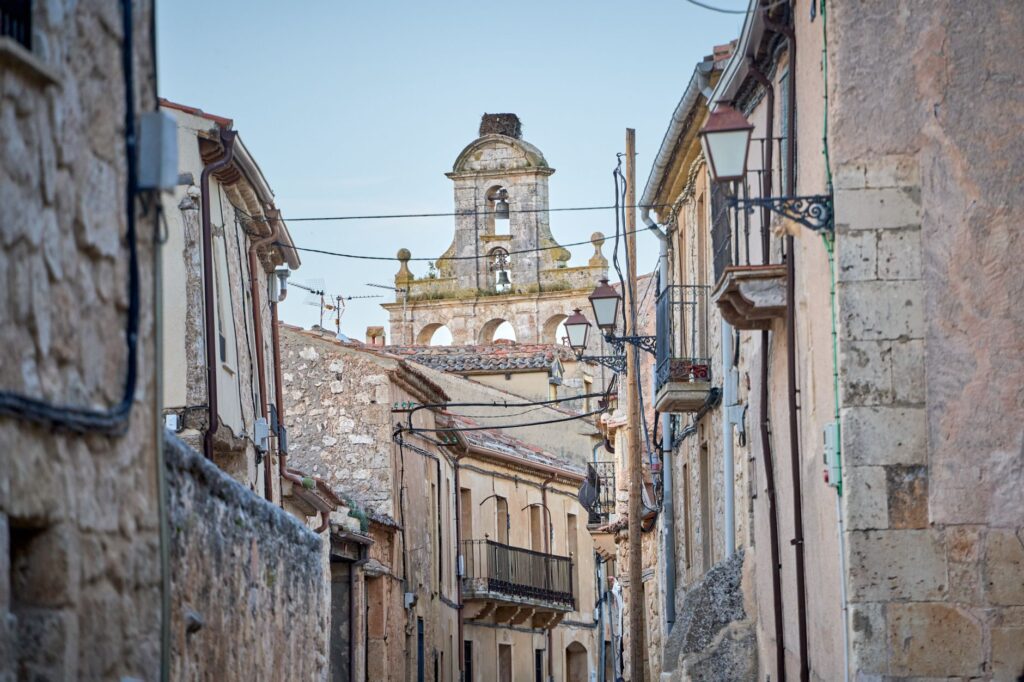
Upon arriving in the village, the silhouette of the Benedictine monastery dominates a cluster of cobblestone streets and traditional stone and wooden portal houses. The village centers around the grand monastic complex, a structure that has successfully preserved its vocation for hospitality and spiritual retreat. Geographical isolation has historically been the best ally of this heritage, shielding it from aggressive urban transformations and allowing contemporary travelers to experience an atmosphere nearly identical to that of past centuries.
The Cloister: Undisputed Pinnacle of World Romanesque Art
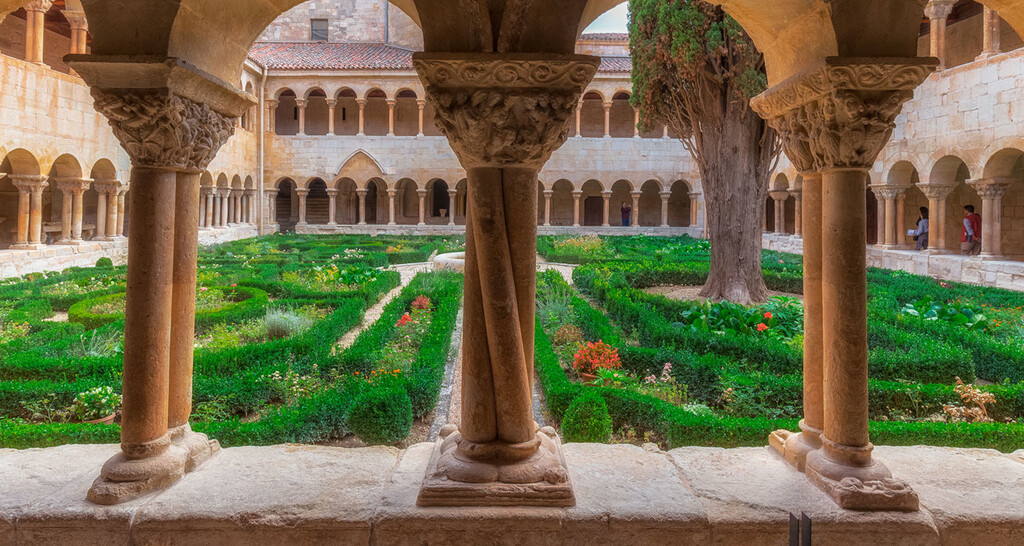
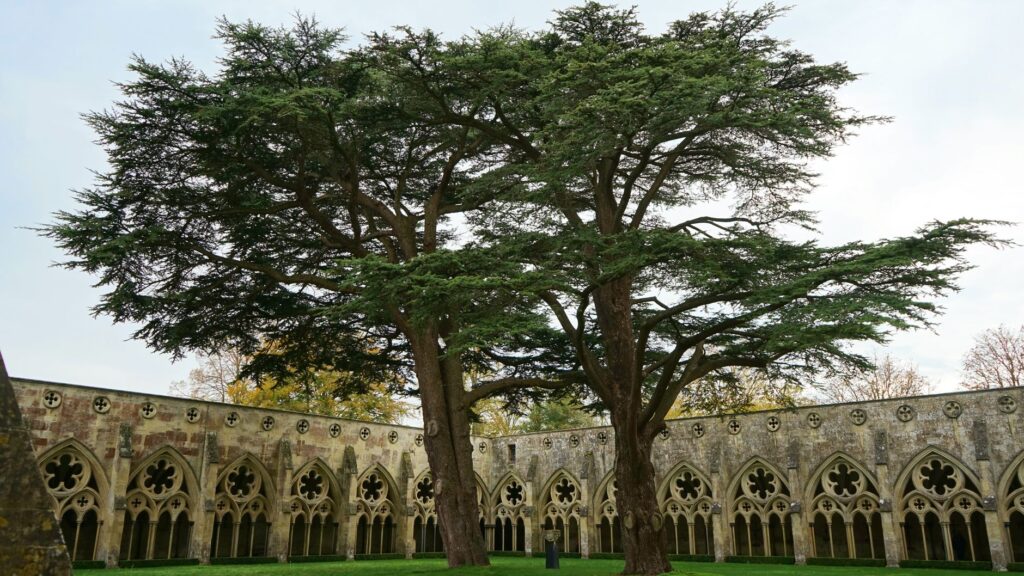
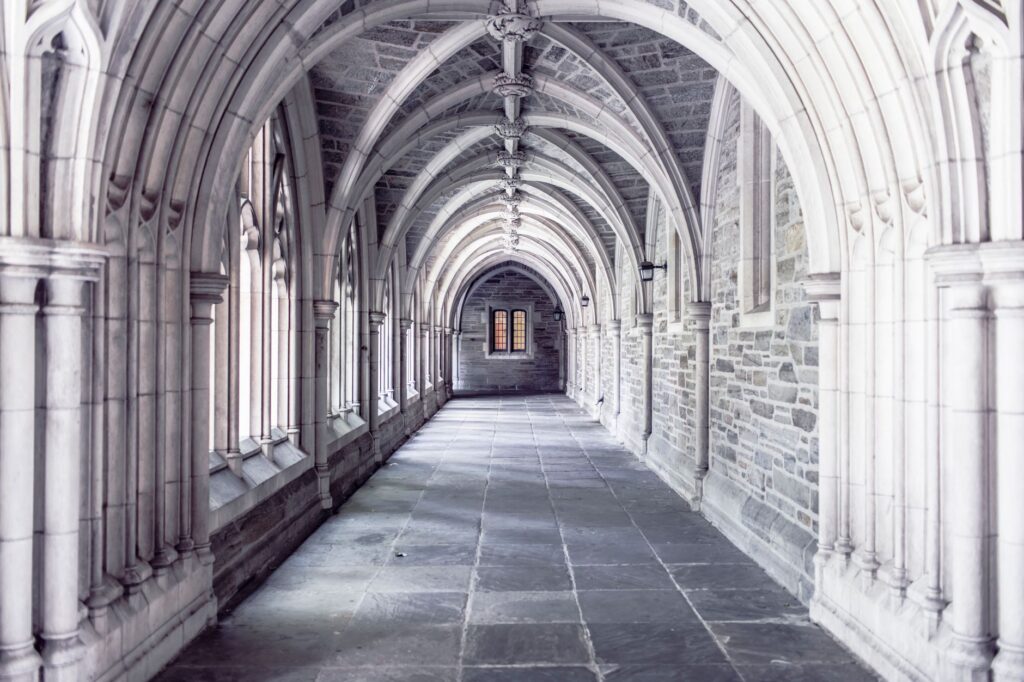
The great cultural magnet of Santo Domingo de Silos is, without a doubt, its monastic cloister. Considered by specialists as one of the pinnacles of international Romanesque art, this space surprises both for its architectural harmony and the extraordinary sculptural quality of its capitals. Built primarily between the late 11th and early 12th centuries, the lower cloister features double arcades on paired columns supporting a wooden paneled ceiling.
What truly distinguishes Silos is the mastery of its sculptural workshops. The historiated capitals open a window into the medieval mindset, combining complex floral and animal allegories with biblical representations of unusual expressiveness. The figures, sculpted with admirable dynamism and technical finesse, seem to come alive under the changing light filtering from the central garden, where a venerable centennial cypress stands as a literary and landscape symbol of the site.
The Masters of Silos and the Relief Revolution
Detailed study of the cloister’s reliefs reveals the work of two principal masters, identified by critics as the Master of Silos and his successor. While the former displays a more hieratic and monumental style, the latter introduces a naturalism and formal elegance that anticipate Gothic solutions. The corner pier reliefs—depicting scenes of Christ’s Passion and Resurrection, as well as the famous episode of the pilgrims of Emmaus—are absolute masterpieces of Western sculpture.
Contemplating these pieces without haste, paying attention to garment details, facial expressions, and hand placements, helps explain why this monastery has fascinated art historians, poets, and travelers for generations. The stone not only narrates sacred passages, but conveys a profound humanity transcending the religious context in which it was conceived.
The beauty of Silos lies not solely in the technical perfection of its capitals, but in the capacity of its silence to order the chaos of the modern world.
The Monastic Pharmacy and Preserved Heritage
Beyond the cloister, the monastery guards other treasures enriching the cultural visit. Among them, the ancient monastic pharmacy stands out, preserving a valuable collection of over a hundred Talavera and Manises jars from the 18th and 19th centuries, alongside old recipe books, scales, and pharmaceutical utensils. This cabinet reflects the deep knowledge Benedictine monks maintained regarding traditional pharmacopeia and natural medicine over the centuries.
Likewise, the monastery museum exhibits pieces of incalculable historical value, including precious illuminated medieval codices, enamels, and liturgical goldsmithing. Although the famous Beatus of Silos is currently housed in the National Library of Spain, the trace of the cenobite’s rich scribal and musical tradition remains alive, especially through Gregorian chant, which monks continue to perform in daily liturgical services with breathtaking sobriety.
Daily Life in a Village with Medieval Soul
Strolling through the streets of Santo Domingo de Silos outside summer months offers a privileged perspective of rural Castilian life. With a registered population hovering around two hundred and forty-seven inhabitants, the village maintains an authentic neighborhood atmosphere, where conversations in squares and smoking chimneys mark daily routines. Crested houses, stone arcades, and small plazas evoke a past tied to local nobility and ecclesiastical influence.
Travelers choosing to stay overnight discover that local rural lodgings and traditional inns prioritize authenticity and warm hospitality. Here, gastronomy answers the winter rigors of the plateau: spoon stews, game meats, traditional roasts, and slaughterhouse products, paired with wines from nearby Ribera del Duero. Sitting down at a table in a Silos tavern is an exercise in comfort and gastronomic memory that perfectly complements the intensity of the artistic visit.
Natural Surroundings: The Yecla Gorge and Contreras
A visit to Santo Domingo de Silos remains incomplete without exploring its immediate natural surroundings. Just three kilometers from the village lies the Yecla Gorge, a deep and narrow canyon carved by the stream of the same name into limestone rock. Metal walkways suspended over empty space allow visitors to traverse this impressive canyon of vertical walls, where griffon vultures can be seen flying and the constant murmur of water heard.
Nearby also lie the Arlanza juniper forest—one of Europe’s best-preserved Spanish juniper woods, featuring millenary specimens—and the ruins of the impressive monastery of San Pedro de Arlanza, cradle of Castile. This monumental and scenic triangle makes the region an ideal destination for walking or cycling routes, combining historical heritage, botany, and geology within a radius of a few kilometers.
Practical Information for the Traveler
To successfully plan a getaway to Santo Domingo de Silos, it is helpful to keep certain fundamental logistical aspects in mind. The village is located about sixty kilometers southeast of Burgos and just over two hours by car from Madrid, with private vehicles being the most practical transportation method due to scarce regular public transport connections.
The Monastery opens its doors to visitors in morning and afternoon slots, offering guided tours that grant access to the cloister and museum. It is recommended to check official schedules beforehand, as they may vary depending on liturgical seasons or holidays. Additionally, packing adequate warm clothing is advisable, given that winter temperatures in this area of the Burgos plateau tend to be rigorous, featuring cold mornings and frequent frosts.
Traveling to Silos in the off-season is an act of resistance against rapid tourism; it is accepting slowness as a method of understanding.
A Destination to Rediscover the Value of the Pause
In short, Santo Domingo de Silos represents much more than a simple weekend excursion to contemplate an architectural jewel. It is a tangible reminder that places still exist where cultural heritage and nature coexist in perfect harmony, free from the noise and haste dominating contemporary life. Its two hundred and forty-seven inhabitants safeguard a millennial legacy deserving of respectful visits, curiosity, and an absolute willingness to stop the clock.
Whether admiring the mastery of Romanesque capitals under the cold winter sun, listening to Gregorian echoes in the abbey church, or walking the silent trails of the nearby gorge, Silos offers a transformative travel experience. A getaway proving that our country’s greatest treasures are usually found in the quietest corners, patiently waiting to be discovered by travelers who know how to look beyond the obvious.
Original source: Diario del Viajero.