
The Weight of Gear Versus the Lightness of the Moment
For years, travel journalism and adventure photography have marched toward an unrelenting technological escalation. Backpacks loaded with full-frame camera bodies, interchangeable lenses worth thousands of dollars, and carbon tripods have become the mandatory toll for documenting remote expeditions. Yet, on the most demanding nautical journeys and coastal routes, weight is not merely a physical inconvenience; it is a psychological barrier. When photographic gear exceeds three or four kilos, the camera ceases to be an extension of the traveler and becomes a constant responsibility, a fragile object requiring protection against salt spray, humidity, and the inevitable knocks of a ship’s deck.
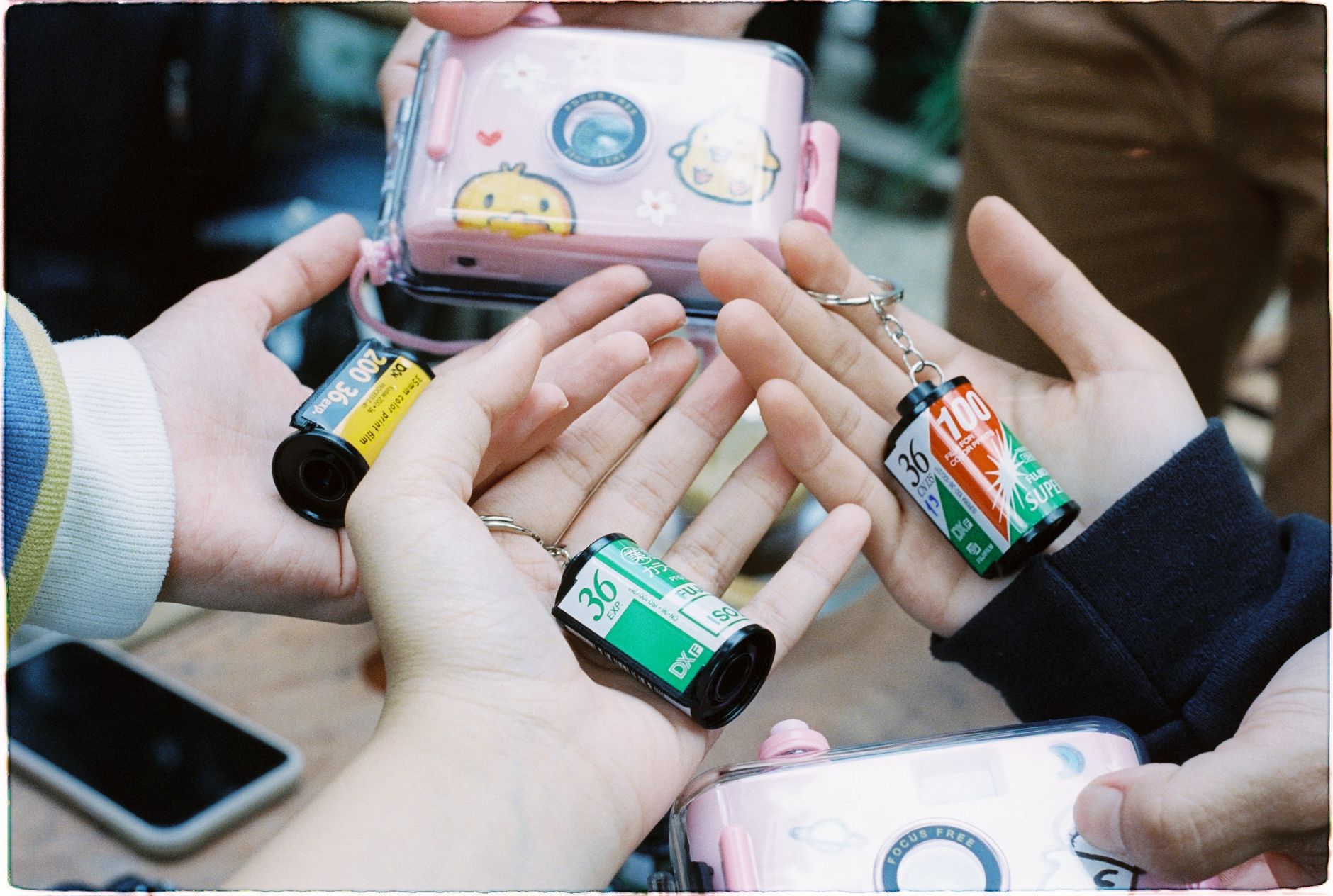
Amidst this hyper-specialized technical landscape, a device that is anachronistic in concept yet profoundly contemporary in use has emerged: a thirty-five-dollar keychain camera popularized by Kodak. Far from competing with cutting-edge sensors, this gadget offers a radical disruption based on subtraction. It weighs mere grams, fits comfortably in the palm of the hand, and dispenses with complex touchscreens, endless menus, and satellite connectivity. Its technical limitations reveal themselves, paradoxically, as its greatest creative virtue.
Anatomy of a Minimalist Device
To understand the viral appeal of this mini camera, one must examine its specifications without nostalgic prejudice. This is neither a piece of precision engineering nor a tool intended for large-format printing. It is a basic digital sensor mounted on a durable plastic housing, governed by a fixed focal length optic and universal focus. It lacks optical zoom, mechanical image stabilization, and manual exposure modes. What it offers instead is immediacy.
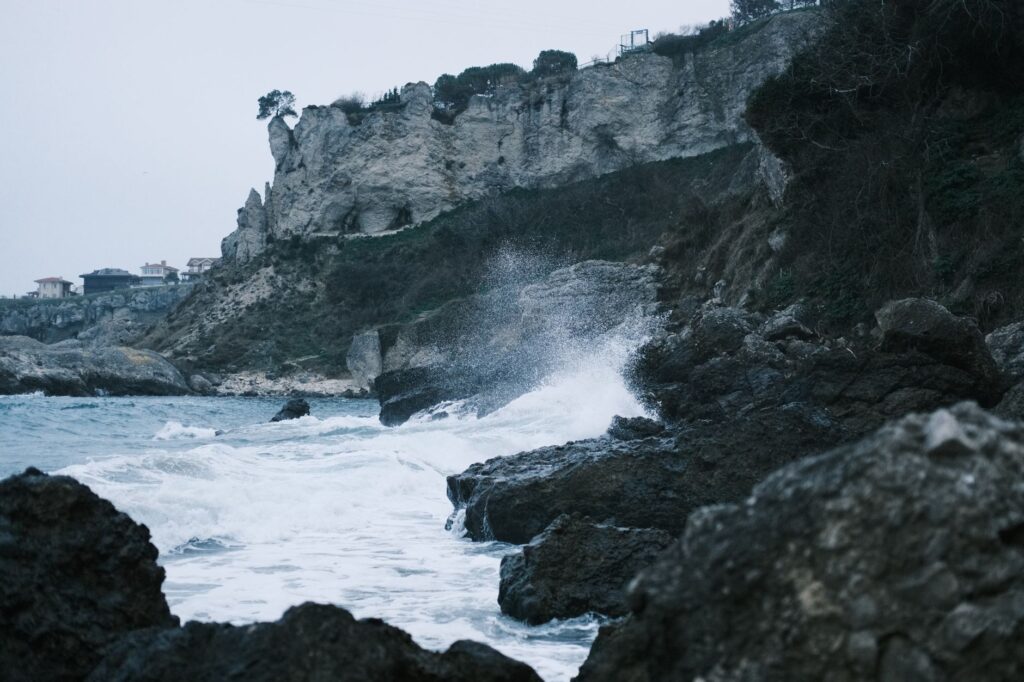
Operational simplicity eliminates the constant debate over aperture, shutter speed, and white balance. The traveler no longer peers at the world through an ultra-bright OLED panel evaluating the live histogram; they recover the classic gesture of raising an elementary optical viewfinder, framing with intuition, and pressing a physical shutter button that emits a satisfying mechanical click. This disconnection from technical parameters forces a redirection of attention toward what truly matters: natural light, the geometry of the scene, and the decisive moment.
Maritime Adventure and the Tyranny of the Screen
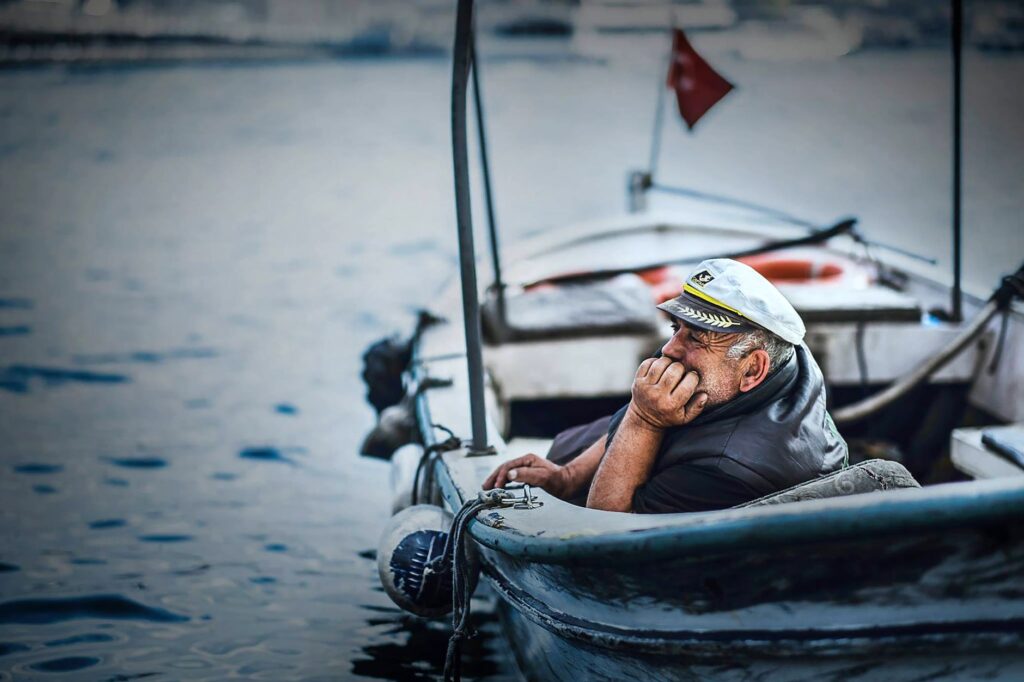
Navigating means dealing with uncontrollable elements. Wind, waves, and salinity test both the sailor and their belongings. On the high seas, pulling a professional camera rig out of its watertight case requires a logistical ritual that frequently deters the photographer from capturing the fleeting instant. A pod of dolphins crossing the bow for barely ten seconds, the spontaneous smile of a local boat captain, or the play of shadows on billowing sails demand an immediate response.
Smartphone main cameras, although versatile, introduce a collateral problem in adventure environments: digital distraction. Every time the mobile device is used for photography, the traveler becomes exposed to notifications, consultation temptations, and the urge to manage cloud storage immediately. The keychain camera severs this umbilical cord. Lacking a preview display screen, images remain hidden on the memory card until download time, preserving the pure experience of the voyage without the interference of instant social validation.
The Aesthetics of Error and the Texture of Memory
We live in an era obsessed with technical perfection. Artificial intelligence algorithms clean up noise, expand dynamic range, and fill in absent details to produce hyper-realistic yet cold images devoid of accidents. The thirty-five-dollar mini camera operates at the opposite end of this canon. Its small sensor and simple optics organically generate vignetting, a slight loss of sharpness at the edges, and a chromatic response reminiscent of low-end emulsions from the late past century.
The true memory of a journey does not reside in the surgical sharpness of its files, but in the image’s capacity to evoke the exact temperature of the air and the salt on one’s lips.
This imperfect visual outcome connects directly with the fragmentary nature of human memory. We recall vital moments with blurs, flashes of light, and a color palette filtered by emotion, never with the clinical resolution of a processed RAW file. The photographs captured with this device incorporate an honest documentary patina that eschews advertising artifice, granting deck snapshots the character of an intimate and stripped-down chronicle.
The Economic Factor and the Democratization of the Gaze
The cost of adventure photography has escalated disproportionately. Investing in weather-sealed bodies and all-terrain lenses represents an insurmountable economic barrier for many young travelers or those who conceive exploration from an ethos of austerity. By democratizing access to a physical capture medium, this photographic keychain subverts the traditional hierarchies of expensive gear.
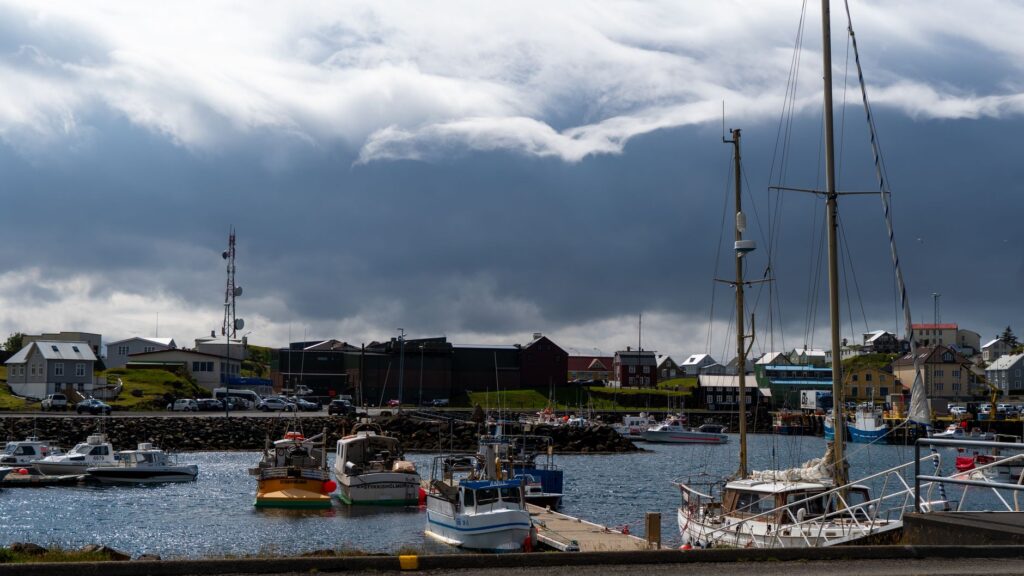
There is no fear of losing the camera overboard, nor anxiety over potential theft in a bustling harbor. This material nonchalance profoundly alters the photographer’s attitude. Risks are embraced, improbable angles are experimented with—such as partially submerging a hand with the camera at the water’s line—and everyday perspectives are adopted that respect for a four-thousand-dollar kit would strictly forbid.
Pocket Ergonomics and Permanent Availability
One of the greatest enemies of street and travel photography is inertia. The journey between the impulse to photograph and the preparation of the gear determines, in the vast majority of cases, that the picture is never taken. When the capture device rests at the bottom of a backpack or requires assembling straps and caps, inertia wins the day.

By hanging directly from a key ring, alongside sailboat keys or a climbing carabiner, this camera completely eliminates access friction. It is always there, suspended and accessible with a simple reflex movement. Tactile immediacy redefines the relationship with the environment: the object ceases to be luggage and becomes a bodily appendage, as natural as wearing a wristwatch or sunglasses.
Operational Limits and Practical Considerations for the Traveler
It would be a mistake to present this device as a universal panacea. Its performance in low-light conditions—at dusk on the open sea or inside dark cabins—is manifestly poor, producing dense digital grain and a loss of definition. Likewise, its lack of zoom forces the photographer to move physically, getting closer to the action or forgoing distant close-ups.
To obtain optimal results on maritime voyages, it is advisable to follow a series of basic guidelines:
- Always leverage overhead daylight hours or clear sunrises to compensate for the fixed lens aperture.
- Keep the tiny front lens clean of salt residue by frequently using an appropriate microfiber cloth.
- Embrace creative discarding: shoot extensively knowing that a high percentage of files will lack compositional value.
- Manage storage and transfer expectations by using a compact card reader compatible with the camera’s format.
The Return to the Visual Logbook
Ultimately, the viral success of this thirty-five-dollar camera responds not to a sophisticated marketing campaign, but to a latent need for technological detox in travel. It reminds us that the quality of a visual chronicle depends not on the megapixels contained within the file, but on the relevance of the viewpoint and the authenticity of the testimony.
Truly revolutionary technology in adventure is not that which automates everything, but that which restores the traveler to the protagonist of their own gaze.
When the journey concludes and memory cards are emptied onto the computer screen, the value of these small images lies in their ability to narrate the voyage through honesty. Without laboratory artifices or excessive digital retouching, the photographic keychain demonstrates that sometimes, to capture the vast horizons of the sea, all one needs is to renounce everything superfluous and dare to look with beginner’s eyes.
Source in EN: Condé Nast Traveler