

Introduction to the Milling Landscape of Castilla-La Mancha
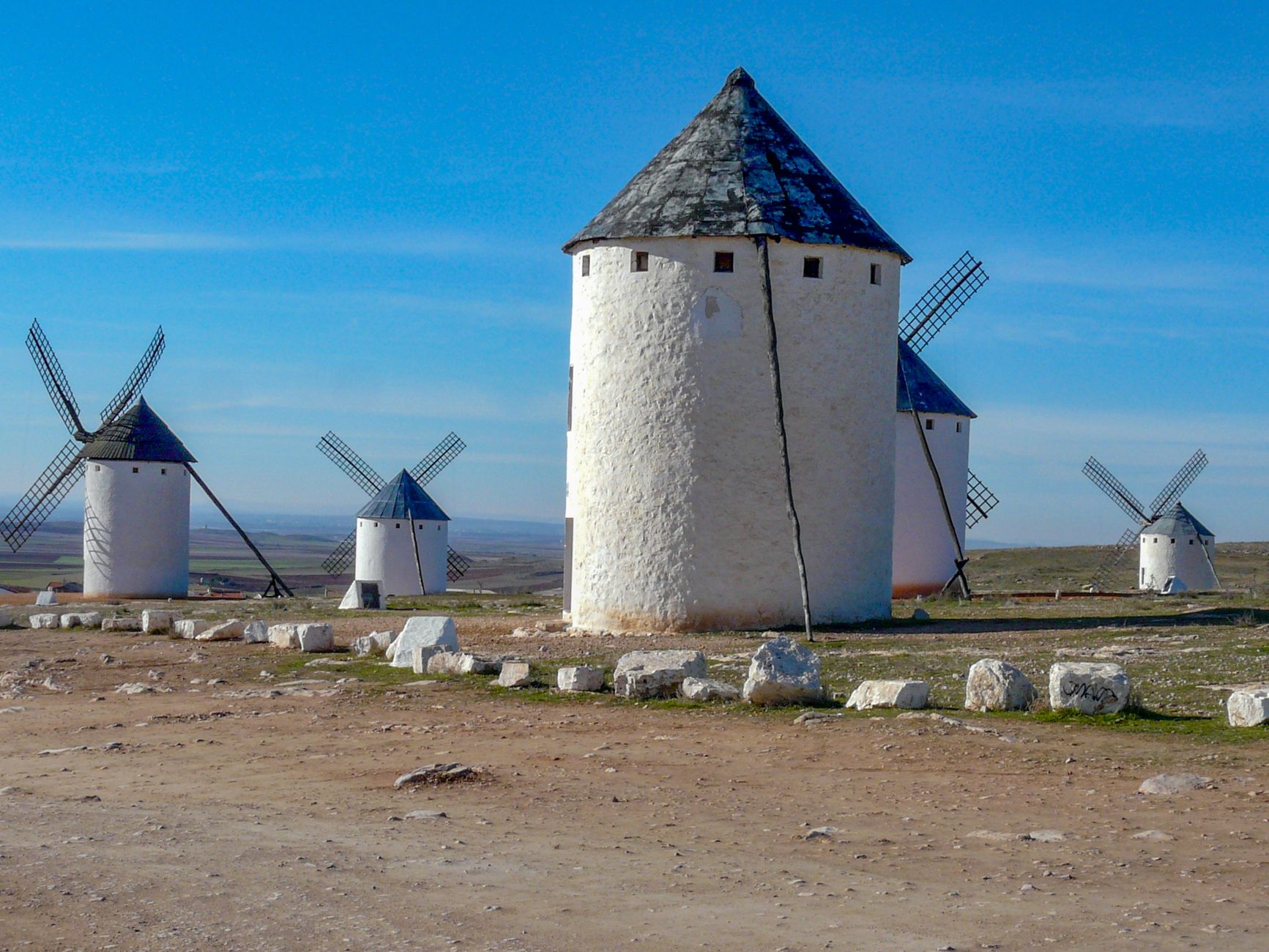
The horizon of La Mancha has been defined for centuries by the imposing silhouette of its windmills. Beyond the universal echo granted to them by Miguel de Cervantes in his pages, these structures are not mere pieces of literary scenery, but monuments of a sophisticated rural engineering that transformed the economy of a plateau scarred by water scarcity. Today, a rigorous movement of architectural and ethnological restoration seeks to restore a heartbeat to these white giants, redefining cultural tourism toward a deep understanding of preindustrial heritage.
Far from mass-tourism circuits, towns such as Campo de Criptana, Consuegra, and Mota del Cuervo stand as living laboratories where historians, converted boat carpenters, and local associations work around the clock to rescue boxwood and oak wooden mechanisms from oblivion. This report examines the renaissance of this milling heritage, analyzing the technical challenges of its conservation and the impact of travelers seeking the geological and human authenticity of a territory sculpted by the wind.
The Architecture of Milling: Between Stone and Oak
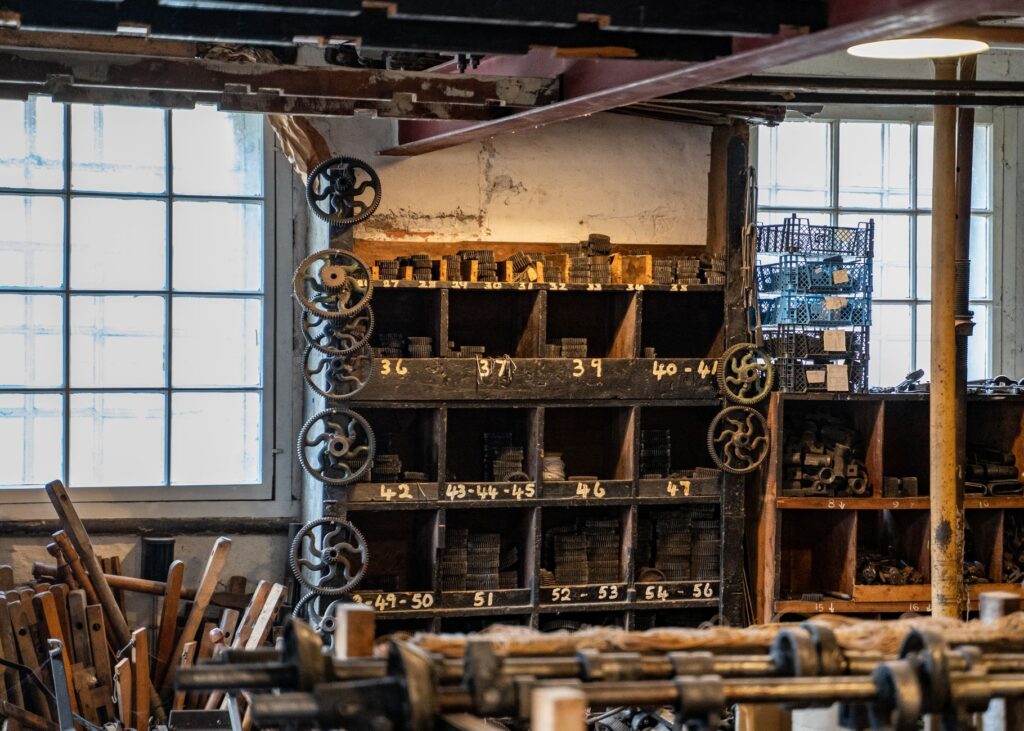
To understand the magnitude of these buildings, it is necessary to decipher their anatomy. A classic Manchegan windmill is divided into three structural levels designed to withstand the onslaught of western and southern winds. The walls, built with limestone masonry and rendered with quicklime to reflect the relentless sunlight, protect an interior where hardwood plays a fundamental role. The transmission mechanism, composed of the main shaft, the cogwheel or lantern gear, and the windlass, constitutes a masterpiece of mechanical carpentry that operated entirely without electricity.
The master craftsmen leading today’s restorations face a constant dilemma: maintaining historical fidelity or incorporating modern safety elements that guarantee the viability of public visits. The replacement of deteriorated pieces requires the use of high-density woods such as holm oak or white oak, capable of withstanding the constant friction of the blades and the enormous pressure generated by wind force. Every restored beam is an exercise in industrial archaeology that respects the adze marks left by sixteenth-century carpenters.
The Geography of Wind: Criptana and Consuegra as Epicenters
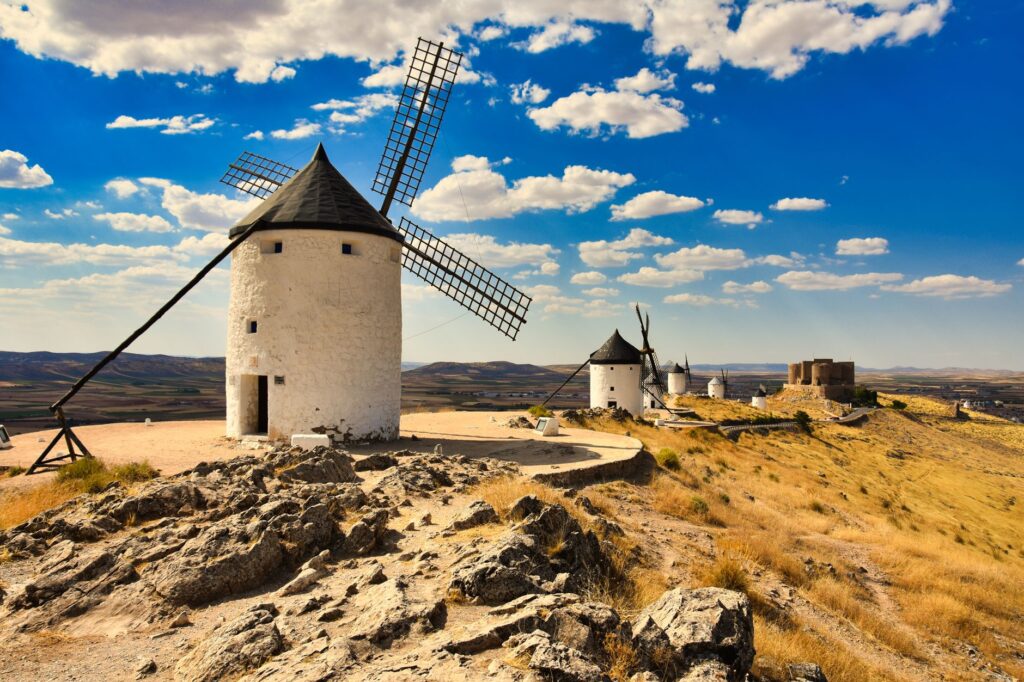
The wind does not blow with the same intensity or frequency across the entire region, a factor that historically determined the exact location of the mills on the ridges of the sierras. In the Sierra de los Molinos of Campo de Criptana, the layout of the ten preserved engines—some original to the sixteenth century, such as the famous ‘Infanto’—demonstrates a profound empirical understanding of aerodynamics by the ancient master builders. The steady drafts of the Upper La Mancha allowed for continuous milling during the autumn and spring months.
Meanwhile, the monumental complex of Cerro Calderico in Consuegra offers a tableau where the military architecture of the Castle of La Muela engages in a direct dialogue with the row of twelve windmills. This visual dialogue is not accidental; it represented the alliance between the political power of the military orders and the food self-sufficiency of agrarian communities. Walking through these hills today demands a contemplative pause, understanding that the landscape is an open archive where geology and human labor have negotiated their survival for half a millennium.
The Miller’s Craft: Oral Transmission and Technical Survival
The millstone, usually sculpted from flint or volcanic stone brought from distant quarries, requires surgical-precision maintenance known as ‘dressing’ or pecking. This process consisted of furrowing the stone’s surface with specific grooves to ensure that the wheat grain was not harshly crushed, but rather ground with the exact fineness to obtain bread-making flour. Today, only a handful of individuals master this traditional art, transmitted from generation to generation strictly through oral tradition.
Cultural institutions in Castilla-La Mancha have promoted training workshops to prevent the extinction of this know-how. As noted in a recent report by the Association of Friends of the Mills,
the physical conservation of the walls and blades is meaningless if the kinetic knowledge that allowed the miller to read the sky and orient the cap in the exact direction of the air currents is lost.
This rescue of traditional trades constitutes the true core of the heritage renaissance experienced by the region.
The Impact of Sustainable Tourism on Rural Communities
The flow of visitors to these enclaves has undergone a notable qualitative shift. Today’s traveler rejects rapid, superficial visits, demanding immersive experiences that include live milling demonstrations, interpretive hiking trails along historic agrarian paths, and an approach to local gastronomy based on Manchego lamb, artisanal cheese, and denomination-of-origin wines. This demand has forced rural municipalities to rethink their tourism infrastructures.
The primary challenge lies in avoiding seasonal overcrowding and the trivialization of the environment. Town councils and conservationist groups have restricted private vehicle access to the hillsides, promoting pedestrian mobility and electric shuttle services from urban centers. In this way, the solitude and silence that characterize these plateau landscapes are preserved, allowing visitors to experience the same sense of immensity that captivated nineteenth-century romantic travelers.
Ecological Flour and the Recovery of Native Varieties
A less visible but fundamental aspect of this revitalization is the link between historic mills and regenerative agriculture. Several rehabilitated mills in Toledo and Ciudad Real have recovered their original productive function, milling grain exclusively from local varieties of ancient wheat, such as Toledan red wheat or native spelt. These crops, displaced for decades by intensive agriculture, are regaining profitability thanks to proximity markets and the demand from artisanal bakeries in Madrid and Valencia.
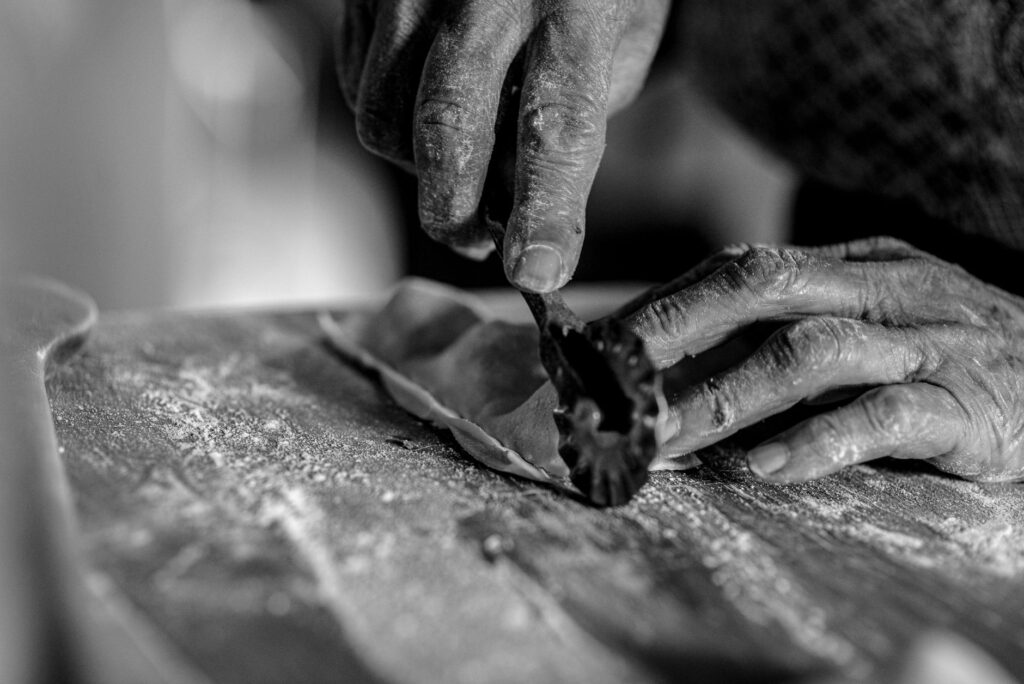
This closed loop—from field to mill and from stone to table—turns industrial heritage into a real economic engine for small farmers.
The true sustainability of a historic monument is measured by its capacity to generate life and wealth in its immediate surroundings without compromising the territory’s natural resources.
This philosophy guides the new management guidelines for Manchegan heritage sites.
The Role of Historical Cartography and Local Archives
Behind every successful restoration lie months of research in parish archives, notary protocols, and historical military cartography. The engineers and architects tasked with restoring verticality to the mills frequently draw upon eighteenth-century blueprints and engravings by British and French travelers to document vanished structural elements. Precision in reconstructing the canvas sails, the exact number of wooden rods, or the roof’s inclination are details debated with academic rigor.
This archival work has corrected historical errors in interpreting the machinery, proving that many mills underwent technical modifications throughout the nineteenth century to adapt to nascent flour industrialization. Conservation, therefore, does not seek to fossilize an idyllic moment, but to understand the technological evolution of a region that always managed to adapt to climatic and economic adversity.
Practical Information for the Rigorous Traveler
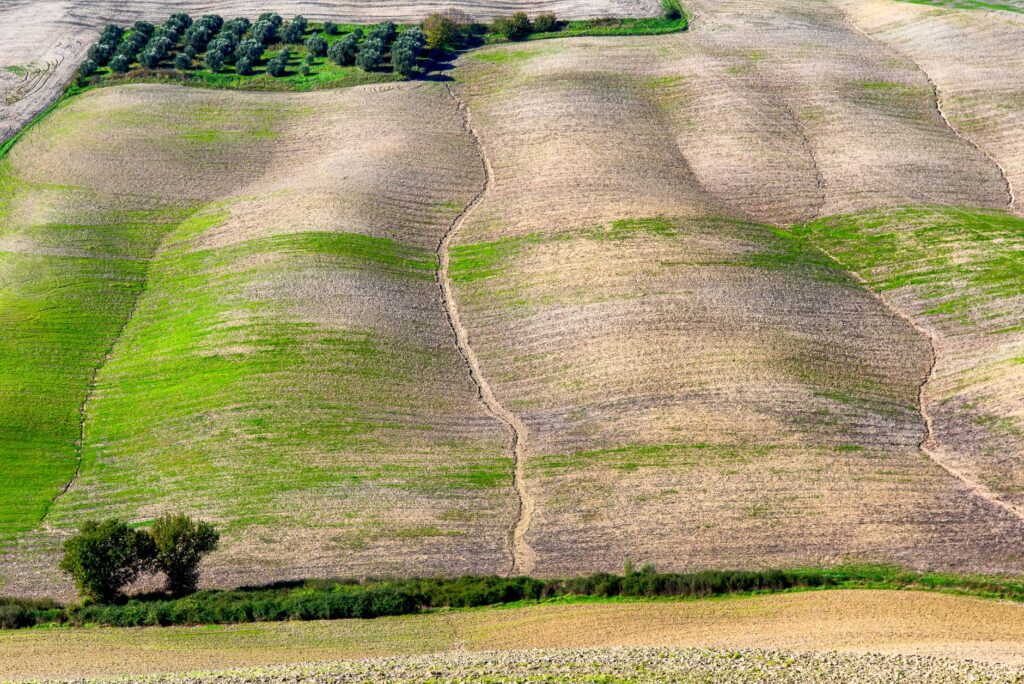
Planning a route through the windmills of Castilla-La Mancha requires accounting for continental climate seasonality, with summers of extreme temperatures and cold winters where wind gusts can make outdoor hiking difficult. Spring (April to June) and autumn (September to November) offer optimal conditions to explore the hills and enjoy milling days open to the general public.
To arrive, the most efficient option is a private vehicle from Madrid or Toledo via the A-4 or A-43 highways, although the medium-distance railway network effectively connects with towns such as Alcázar de San Juan and Campo de Criptana. It is recommended to dedicate a minimum of three days to alternate institutional visits with walking tours along traditional rural paths. Checking specific opening hours for the interior of the mill-museums is essential, as they vary by season and municipal management.
Visual Closing: Sunset Over the Plateau
When the sun begins to descend over the vastness of the Manchegan plain, golden light strikes full upon the white whitewash of the mills, casting elongated shadows that seem to connect the earth to the sky. In that moment of stillness, the visitor understands that these monuments are not inert relics, but silent guardians of a culture of effort and human adaptation. The subtle creaking of wood under the pressure of the late afternoon wind is the most eloquent reminder that history, when tended with rigor and respect, keeps turning.


