

The Liquid Vein of Central Europe
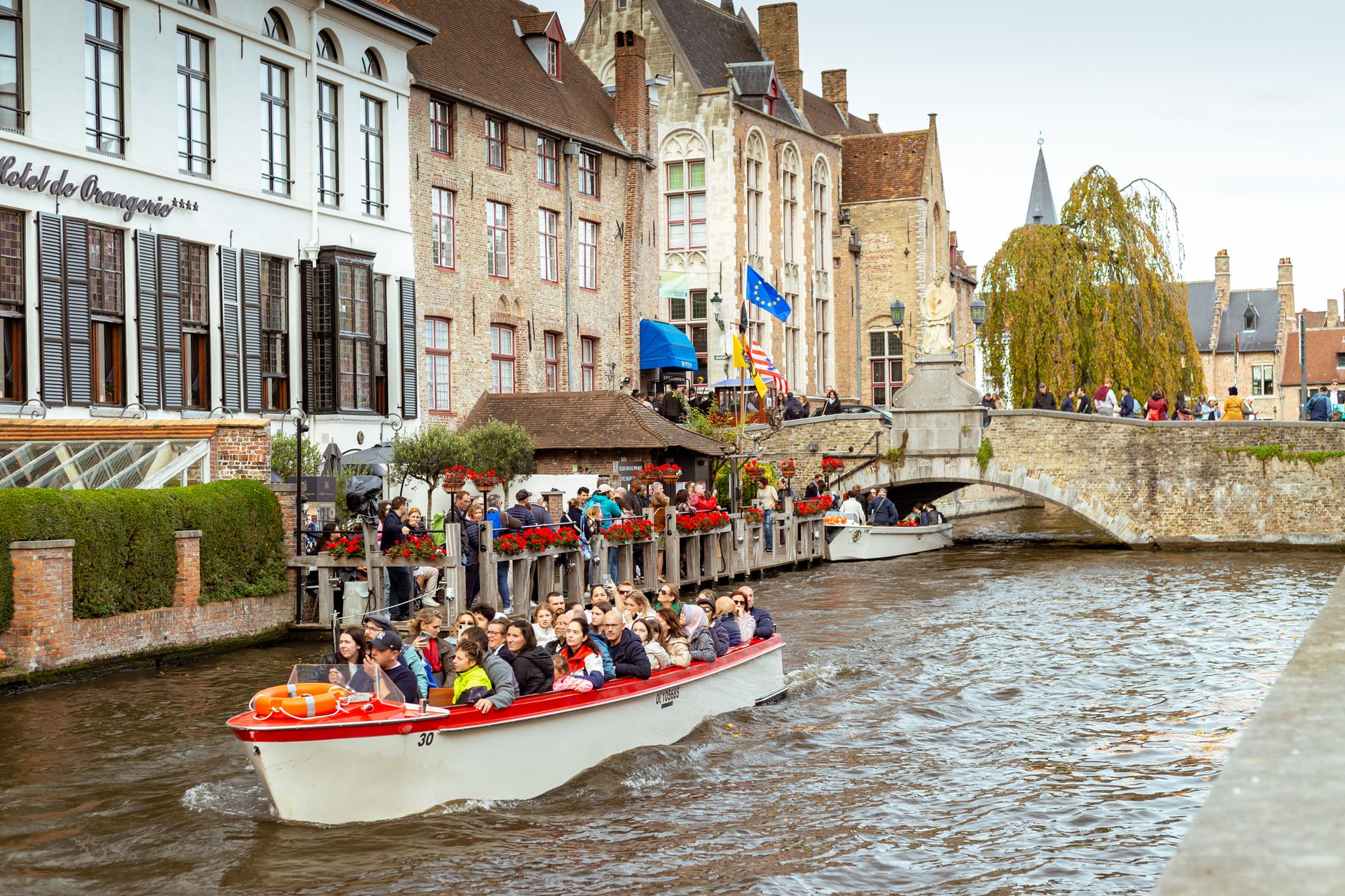
The territory of Flanders cannot be fully understood without the constant, almost geometric presence of its network of canals. During the Late High Middle Ages and the Renaissance, these water arteries were not mere scenic elements or recreational routes, but the fundamental logistical infrastructure connecting the textile markets of the North Sea with the continental heartland. Today, the waters that once carried bales of English wool and merchant ships laden with tapestries are undergoing a profound transformation. This is not a formula for tourist nostalgia, but a structural rethinking of how historic urban centers manage visitor pressure and the transition to clean energies in hyper-frequented heritage spaces.
Along the docks of Ghent and Bruges, the rumble of yesterday’s diesel engines is progressively yielding to the smooth movement of vessels powered by high-capacity battery packs. This technological shift responds to a strict regional directive aimed at reducing noise and air pollution in narrow canals where limestone and terracotta bricks absorb and amplify every vibration. The challenge is significant: reconciling the architectural preservation of centuries-old facades with the installation of electric charging points and the modernization of lock systems operating on the same mechanical principles for centuries.
Local administrations, in collaboration with naval architects and heritage associations, have promoted a master plan regulating not only the volume of fluvial traffic but also the scale of permitted watercraft. Human scale is prioritized, restoring navigability to small, flat-bottomed vessels reminiscent of traditional cargo barges. Thus, the canal ceases to be a passive backdrop and becomes the backbone of a travel experience rooted in a slow pace, architectural observation, and historical rigor.
Brick and Water Architecture: The Gothic Mirror
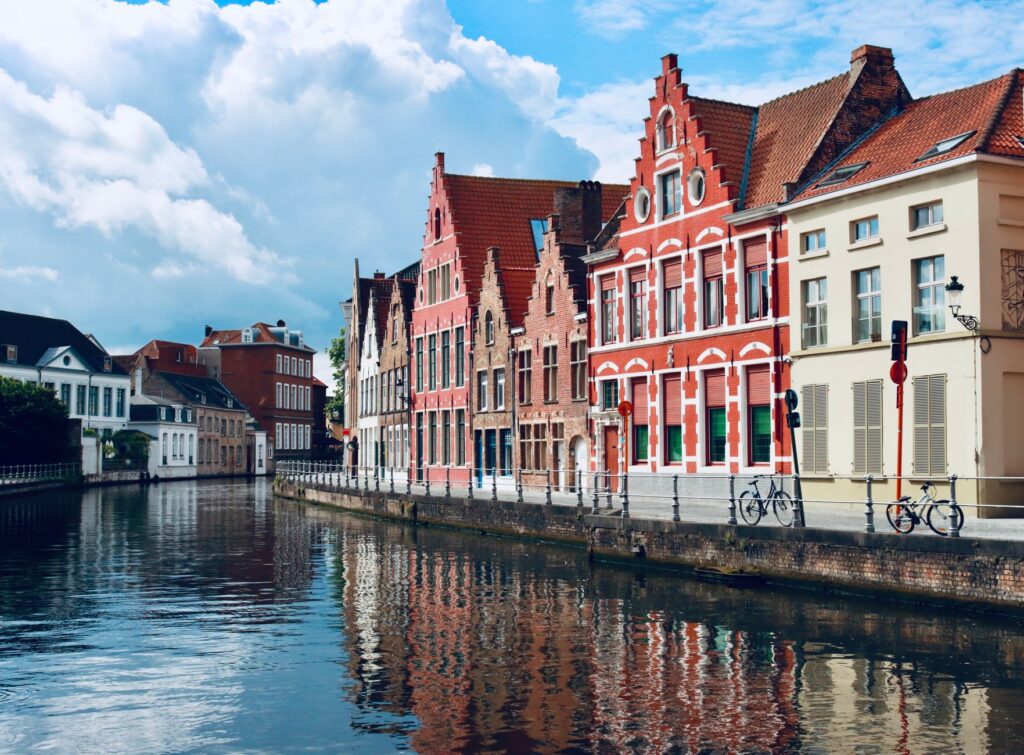
The relationship between buildings and water in Flanders follows a very precise defensive, commercial, and aesthetic logic. The massive use of red and dark bricks, locally known as Bruges brick, gives the riverbanks a visual texture that is homogeneous yet rich in chromatic nuances depending on the incidence of North Sea light. The foundations of old guild warehouses sink directly into the water, creating a waterline where medieval masonry meets fluvial sediment.
Conservation architects today face a complex technical challenge: capillary moisture and constant erosion caused by wakes generated both by tour boats and extreme weather events linked to climate change. To mitigate these effects without altering visual authenticity, traditional natural hydraulic lime mortars are employed, allowing the wall to breathe and preventing irreversible damage caused by synthetic seals applied during the 20th century. This meticulous riverbank restoration work is executed from floating platforms, blending seamlessly into the urban environment.
The conservation of these riparian walls demands absolute mastery of applied petrology and medieval stonemasonry techniques. It is not enough to replace damaged pieces; one must understand the static tensions supported by the docks against changing soil pressure. Every intervention is documented in open municipal archives, allowing researchers and travelers interested in heritage to access the technical history of each canal section.
Sustainable Fluvial Mobility: From Thermal Engines to Hydrogen
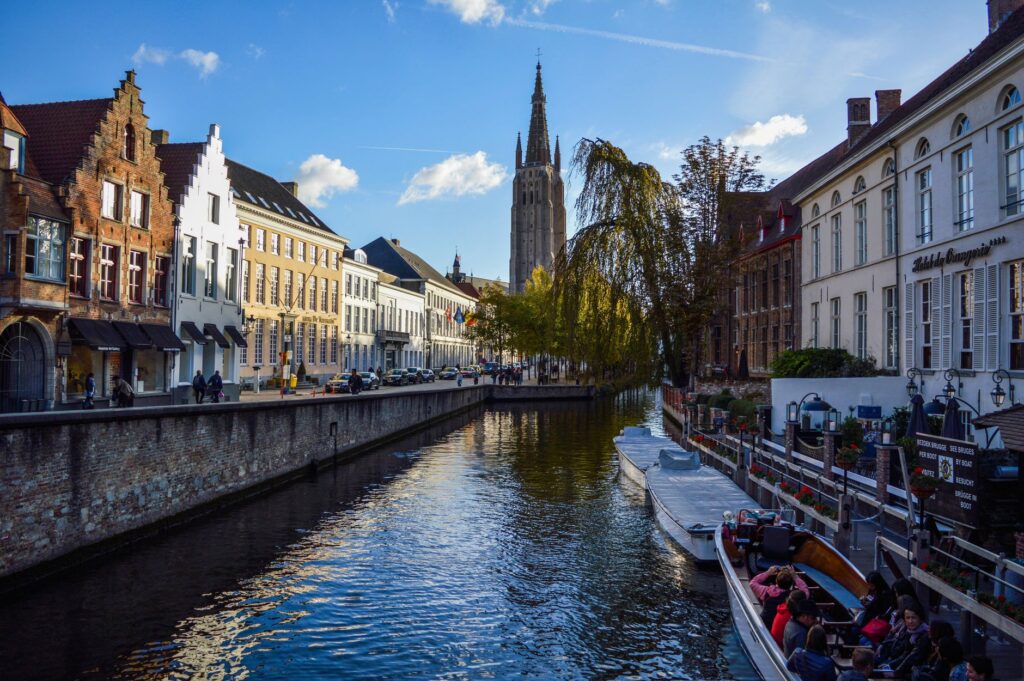
The ecological transition in Flemish canals goes far beyond simply replacing combustion boats with conventional electric models. In cities like Bruges, fluvial transport operators collaborate with technology centers in Ghent to develop prototype vessels powered by green hydrogen fuel cells. These pilot tests seek to guarantee a continuous navigation autonomy of over ten hours, an essential requirement during peak tourist seasons.
The design of these new vessels prioritizes structural lightness through the use of recyclable composite materials and marine aluminum, reducing draft and consequently the impact on fragile underwater slopes. Likewise, the onboard seating layout has been rethought under criteria of ergonomics and universal accessibility, eliminating architectural barriers for passengers with reduced mobility without altering the exterior aesthetic profile, which maintains the clean silhouette of classic barges.
True sustainability in fluvial heritage does not consist of banning access, but of redesigning how we physically relate to the flow of water and the constructed memory of the city.
This technical evolution is complemented by the digitalization of traffic management through underwater sensors and crowd-monitoring cameras that measure vessel density in real time at critical points such as the Rosary Quay or the arched bridges of Ghent. If concentration exceeds recommended thresholds for the ecological stability of the canal, systems automatically divert traffic toward alternative, less congested routes.
Daily Life on the Banks: Residents and Visitors
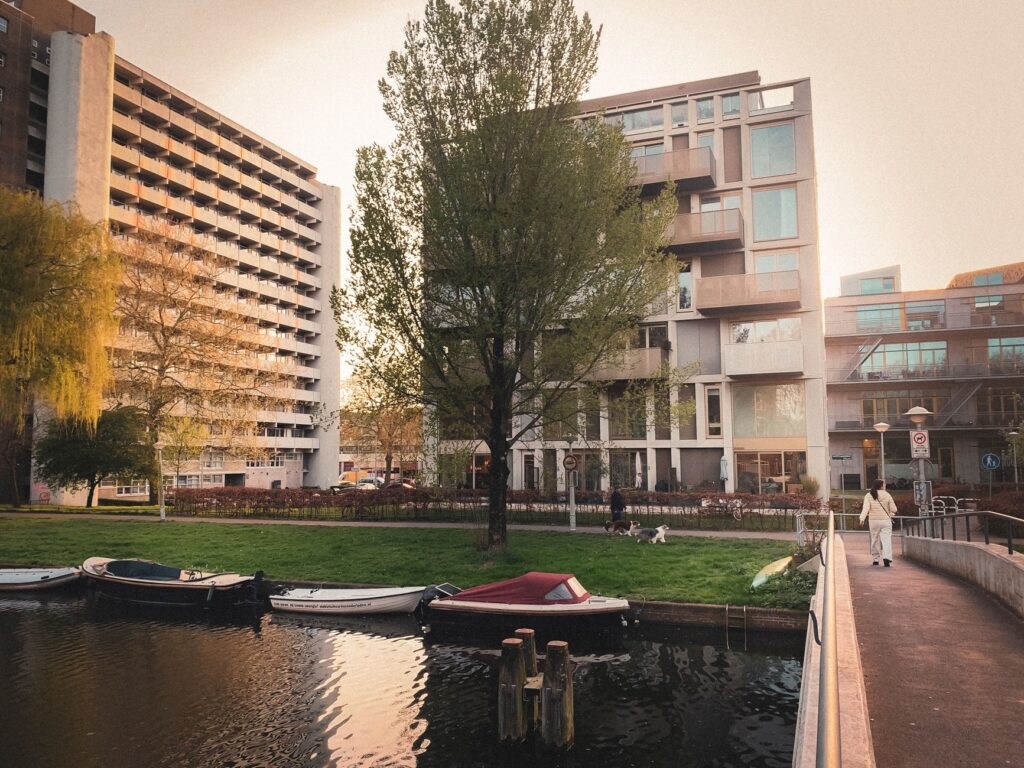
One of the greatest challenges facing Flanders’ canal cities is demographic and social equilibrium within their historic centers. The proliferation of tourist accommodations and real estate pressure threaten to transform these neighborhoods into uninhabited stages. However, recent urban regeneration initiatives driven by city councils seek to revitalize dwellings adjacent to the canals through tax incentives for long-term residents and the creation of community spaces in former commercial docks.
Local inhabitants have reclaimed the docks as neighborhood socialization spaces, installing small floating urban gardens and using the waterways to commute by kayak or bicycle to peripheral areas. This everyday coexistence adds a layer of undeniable authenticity that contrasts with the commercial standardization observed in other saturated European destinations. The traveler exploring the canals on foot or from the water perceives a living environment, where laundry hung in interior courtyards harmoniously coexists with contemporary design studios and independent bookstores.
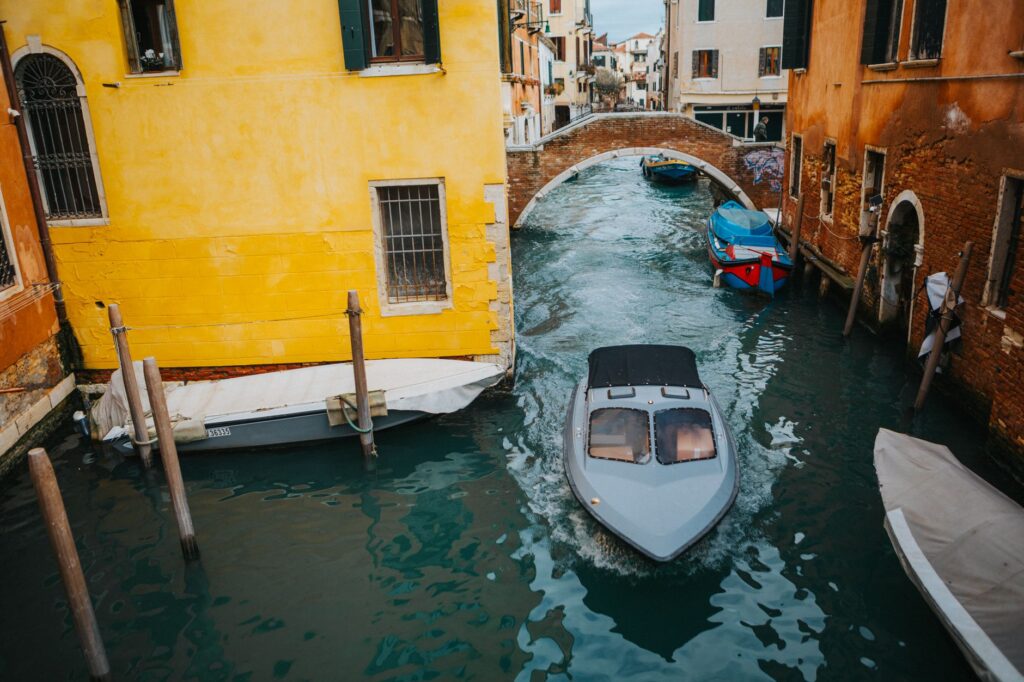
Resident associations actively participate in fluvial mobility committees, dictating strict noise curfew hours and restricting the use of loudspeakers on guided tours. This participatory governance ensures that fluvial tourism acts as an integrating element rather than a factor of social disruption for local communities.
Cultural Landscape and Textile Memory
Following the course of the canals inland, the urban landscape gradually gives way to humid meadows, restored windmills, and old wooden lock gates. This rural and peri-urban environment constitutes an open archive of the Flemish pre-industrial and Industrial Revolution. Here stood the fulling mills and wool-washing workshops that fueled the flourishing economy of the Low Countries during the Middle Ages.
Cultural institutions in Ghent and Bruges have recovered several of these hydraulic infrastructures to convert them into landscape interpretation centers and residencies for contemporary creators. Visual artists, textile designers, and architects temporarily inhabit these mills and lock houses, researching the relationship between traditional natural dyes and new wastewater treatment technologies. The result is a constant dialogue between artisanal heritage and 21st-century aesthetic experimentation.

Industrial fluvial heritage is not viewed as a static relic, but as an active laboratory of material innovation and territorial sustainability. Cycling routes running parallel to the canals allow travelers to connect these creative hubs with urban historic centers, forming a slow-tourism network that is truly integrated and environmentally friendly.
Practical Guide for the Conscious Traveler
Planning a trip to the Flanders canals requires adopting a perspective of rigorous respect for local infrastructure and the daily rhythms of its inhabitants. The best time to tour the territory spans the spring months (April to June) and early autumn (September and October), when tourist influx declines and weather conditions allow for enjoyable navigation and bicycle rides without crowds.
- Primary mobility: Prioritize trains for travel between Brussels, Ghent, and Bruges. The Belgian railway network is highly efficient and connects directly with central stations located within walking distance of the canals.
- Recommended accommodations: Opt for independent hotels and local guesthouses holding regional ecological certifications for energy management and waste reduction.
- Responsible navigation: Exclusively hire fluvial operators using electric or hydrogen-powered vessels, verifying that their routes respect speed limits and capacity set by municipal ordinances.
- Local etiquette: Respect residents’ privacy in homes with direct canal facades, avoid single-use plastics during trips, and purchase from local shops and traditional food markets.
Epilogue: The Permanence of Water
The Flanders canals demonstrate that historical heritage is not an element frozen in time, but a living organism requiring constant attention, technological adaptation, and human sensitivity. Contemplating the sunset from one of Ghent’s stone bridges while a silent barge glides its silhouette over dark water, one grasps the magnitude of this collective effort. The beauty of these fluvial landscapes lies in their capacity to mutate without losing their essence, reminding every visitor that a destination’s true wealth resides in the subtle balance between material memory and commitment to the future.


