
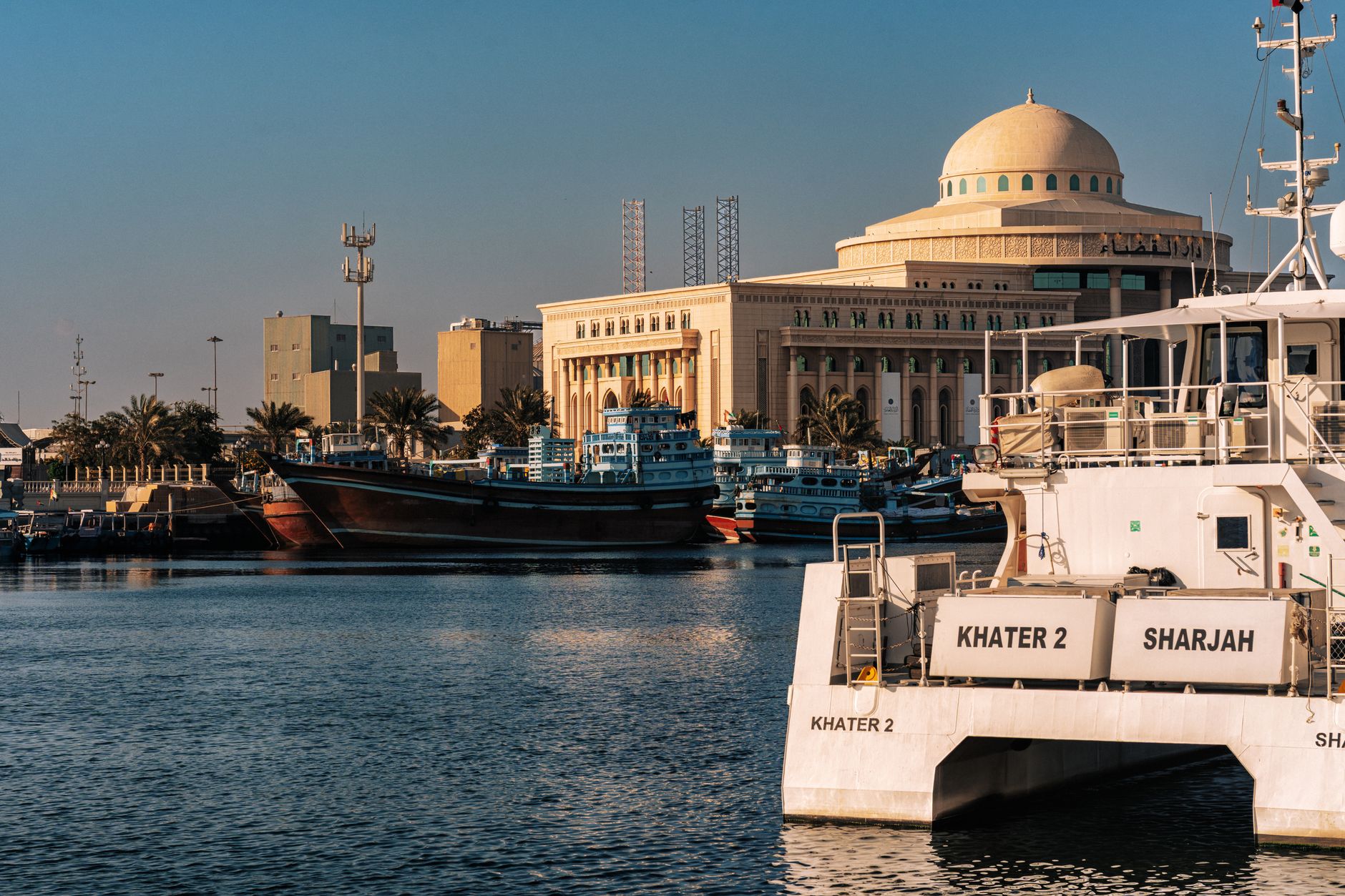

Introduction to the Gulf’s New Blue Route
For decades, the narrative of mobility in the United Arab Emirates and the broader Persian Gulf region has been written through the lens of immaculate highway asphalt or the dizzying wakes of global airlines. Yet beneath the surface of this hyper-accelerated modernity, the region’s true historical lifeblood has always flowed across the water. Today, an ambitious transformation in ferry infrastructure, high-speed vessels, and maritime terminals is redrawing the map of coastal travel. This is not merely an alternative to terrestrial traffic, but a strategic geopolitical and tourism initiative designed to revive the maritime pulse of the Gulf, offering travelers a radically different perspective on the mangroves, stone fjords, and artificial islands that compose this territory.
The reactivation and expansion of these maritime routes respond to a dual necessity of partial decarbonization and the diversification of the tourism experience. While driving between neighboring metropolises can feel monotonous under the relentless sun, coastal navigation recovers the unhurried rhythm of exploratory travel. Port authorities in Abu Dhabi and Dubai have invested in state-of-the-art fleets equipped with low-emission technology, proving that the region’s architectural opulence can also translate into respectful management of the Gulf’s fragile marine ecosystem.
The Nautical Geography of the Persian Gulf
Understanding the scale of this transport network requires delving into a complex and fascinating geography. The Persian Gulf is a semi-enclosed, shallow sea dotted with natural archipelagos and sandbanks that for millennia demanded deep local knowledge of currents and seasonal winds—known locally as the northeast monsoon and the shamal—from local navigators. Today, ferry routes connect nerve centers ranging from bustling urban docks to remote northern enclaves such as the Musandam Peninsula in Oman, whose fragmented sovereignty makes cross-border maritime cooperation essential.
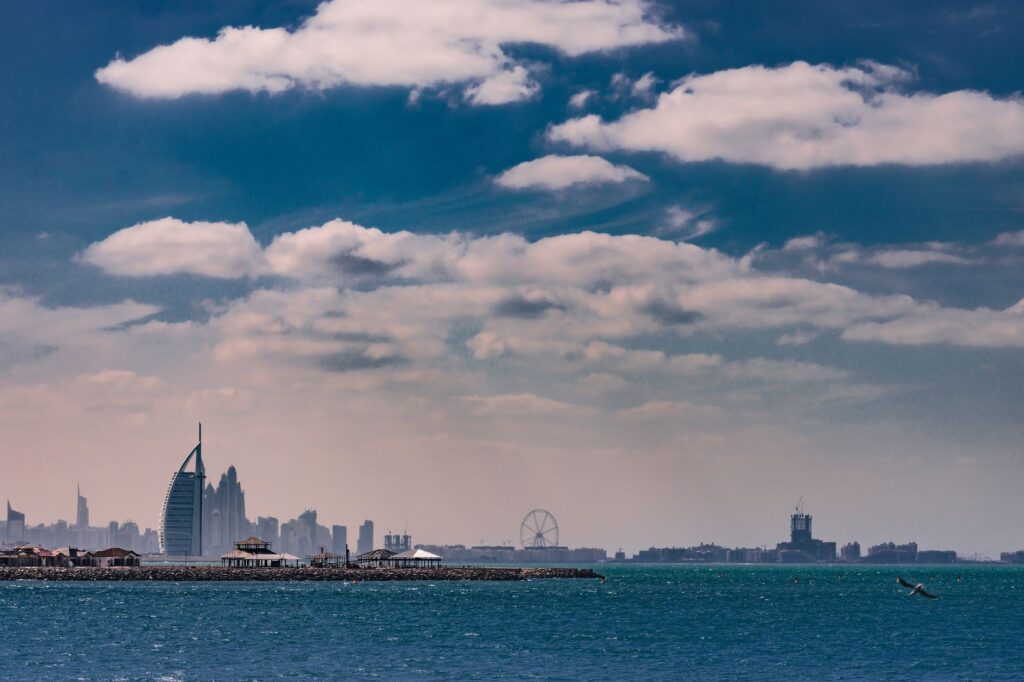
Modern terminals, such as Al Ghubaiba in Dubai or Abu Dhabi’s hyper-technological piers, operate with the precision of an international airport yet retain the approachable character of port culture. Passengers find not only boarding points but marine interpretation centers documenting the history of pearl diving and dhow trade. This infrastructure acts as an invisible bridge between a past of maritime subsistence and a present of logistical vanguard, allowing both residents and visitors to experience the transition between glass skyscrapers and desert horizons from the water.
Naval Engineering and High-Sea Sustainability
The technical challenge of operating regular passenger services in a marine environment characterized by extreme summer temperatures and high salinity has forced shipyards to develop highly specific engineering solutions. The vessels now plying these waters incorporate lightweight aluminum hulls, advanced energy-efficient air conditioning systems, and optimized propulsion to minimize acoustic impact on the Indo-Pacific humpback dolphins and dugong populations inhabiting the region’s protected marine reserves.
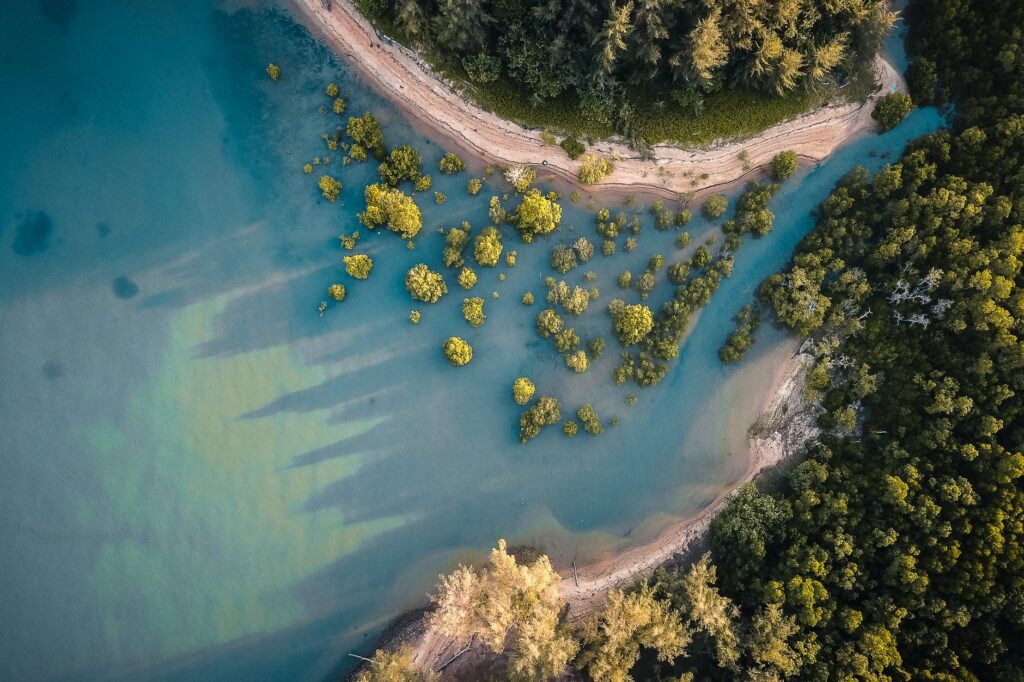
Sustainability is no longer a mere marketing argument within Emirati transport; it is a strict regulatory requirement. Environmental audits are constant across every route, evaluating fuel consumption, onboard waste management, and the protection of mangrove habitats that act as natural carbon sinks in docking areas. This technical commitment guarantees that the increase in traveler flow does not compromise the ecological integrity of the fragile coastal ecosystems through which the ferries transit.
The Onboard Experience: Between Functionality and Comfort
Traveling on the Gulf’s modern transhoppers offers an immediate immersion in the region’s demographic and cultural diversity. In a single passenger lounge, local businessmen in immaculate kanduras sit alongside Western expats seeking a weekend excursion and Asian workers utilizing these lines as their routine inter-community transit. Reclining seats, large panoramic windows designed with ultraviolet filters, and real-time navigation screens turn every crossing into a comfortable and highly educational experience.
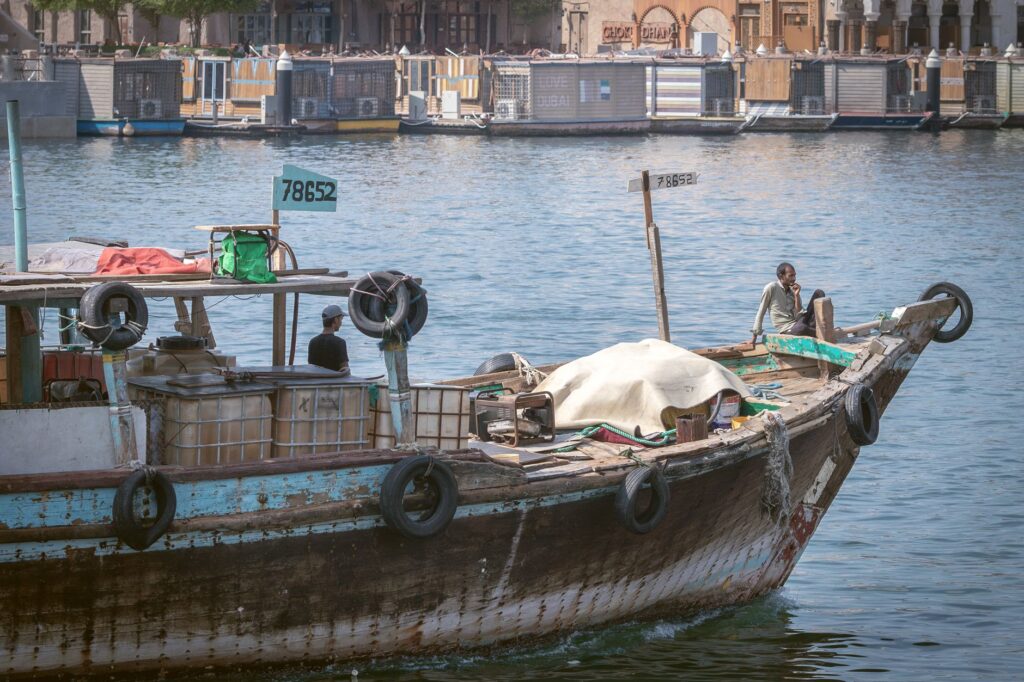
Unlike the isolation imposed by a car cabin or the altitude of a commercial airliner, the ferry encourages unhurried sociability. Passengers gather on outer decks during the early morning hours to watch the sunrise reflect off the glass facades of financial districts or to observe the meticulous work of traditional fishermen still operating near navigable channels. It is a sensory experience where the rhythmic sound of engines merges with the murmur of waves and sea breeze.
Economic Impact on Coastal Communities
The establishment of regular ferry routes has had a decentralized effect warmly welcomed by the local economies of smaller emirates and peripheral fishing villages. Traditionally overshadowed by the economic brilliance of Dubai and Abu Dhabi, towns like Mirfa or the islands of the Al Dhafra archipelago have revitalized their local commerce thanks to the steady arrival of weekend visitors who prefer maritime mobility over highway fatigue.

Small boutique hotels, restaurants specializing in fresh Gulf fish, and marine ecotourism operators have proliferated around the new terminals. This low-scale, high-value tourism encourages the preservation of local architectural heritage and offers travelers an authentic alternative to overcrowded urban circuits. Maritime connectivity thus acts as an engine of territorial equity, distributing the economic benefits of tourism beyond major metropolitan hubs.
Operational Challenges and Maritime Traffic Management
Despite the success of new connections, traffic management in the Persian Gulf presents colossal challenges. Passenger ferry routes must constantly intersect with the main arteries of global cargo transport, where giant container ships and oil tankers supply international energy markets. Maritime traffic control centers employ state-of-the-art radar systems and satellite communication protocols to avoid collisions in a densely transited marine space.

Likewise, unforeseen weather conditions, such as sudden dust storms known as haboobs or morning sea fog, can alter departure schedules with little notice. Operating companies have refined their digital communication channels to inform passengers in real time, minimizing inconvenience and ensuring that navigation safety always prevails over commercial punctuality. This operational rigor is essential to maintain traveler trust in the system.
Nautical Tourism as a Vector of Regional Diplomacy
Beyond its logistical and economic utility, the strengthening of maritime connections in the Gulf plays a subtle yet significant diplomatic role. Facilitating the fluid transit of people and small vessels between different littoral states fosters regional cooperation and mutual cultural understanding. The sea, rather than acting as a border barrier, becomes a shared space for encounter and peaceful dialogue.
The true measure of development in the Gulf no longer lies solely in the height of its towers, but in the subtlety with which its infrastructure respects and reconnects people with their marine horizon.
International relations experts point out that cross-border mobility projects and bilateral navigation agreements are early indicators of broader geopolitical stability in the Middle East. By allowing citizens to explore the coastal heritage of neighboring countries with ease, cultural stereotypes are debated and dissolved, weaving a web of familiarity and mutual respect that transcends contemporary political conjunctures.
Practical Information for the Nautical Traveler
Planning a journey across the ferry routes of the United Arab Emirates requires keeping in mind several essential logistical guidelines to ensure an optimal experience:
- Advance Booking: Although ticket counters exist at major terminals like Al Ghubaiba, seats for scenic weekend trips and vehicle transport often sell out weeks in advance through the official applications of transport authorities.
- Documentation: Presenting a valid identity document or passport upon boarding is mandatory, especially on routes venturing into international territorial waters or neighboring countries such as Oman.
- Luggage Restrictions: Unlike strict airline regulations, maritime transport usually allows greater flexibility with luggage, though strict limits apply to hazardous materials or auxiliary fuel transport.
- Physical Conditions and Motion Sickness: Although modern catamarans are equipped with advanced stabilization systems, the Gulf can experience moderate swells during seasonal transitions. Caution is advised for motion-sensitive travelers.
- Intermodal Connectivity: Terminals are integrated with local metro and bus networks, facilitating seamless transition from city centers to departure piers without needing private vehicles.
Visual Closing: The Horizon Where Past Embraces Future
Contemplating the silhouette of Dubai or Abu Dhabi’s skyscrapers from the deck of a moving ferry offers an aesthetic epiphany that no urban high-rise can match. It is the perfect contrast between the millennia-old stone of the desert, the intense blue of the Gulf, and the geometric audacity of contemporary architecture. Ferries are not merely efficient transport; they are floating platforms of contemplation that invite the contemporary traveler to pause, breathe the salty breeze, and comprehend the true human and geographical dimension of one of the planet’s most dynamic regions.
Navigating the waters of the Gulf is reading an open book where every wave whispers stories of ancient mariners and every dock announces tomorrow’s bold design.
Ultimately, the commitment to maritime connectivity in the United Arab Emirates proves that true luxury in modern travel lies in chosen slowness, the ability to connect with the natural environment, and the rediscovery of historical routes through a deeply contemporary, sustainable, and territory-respectful lens.


