
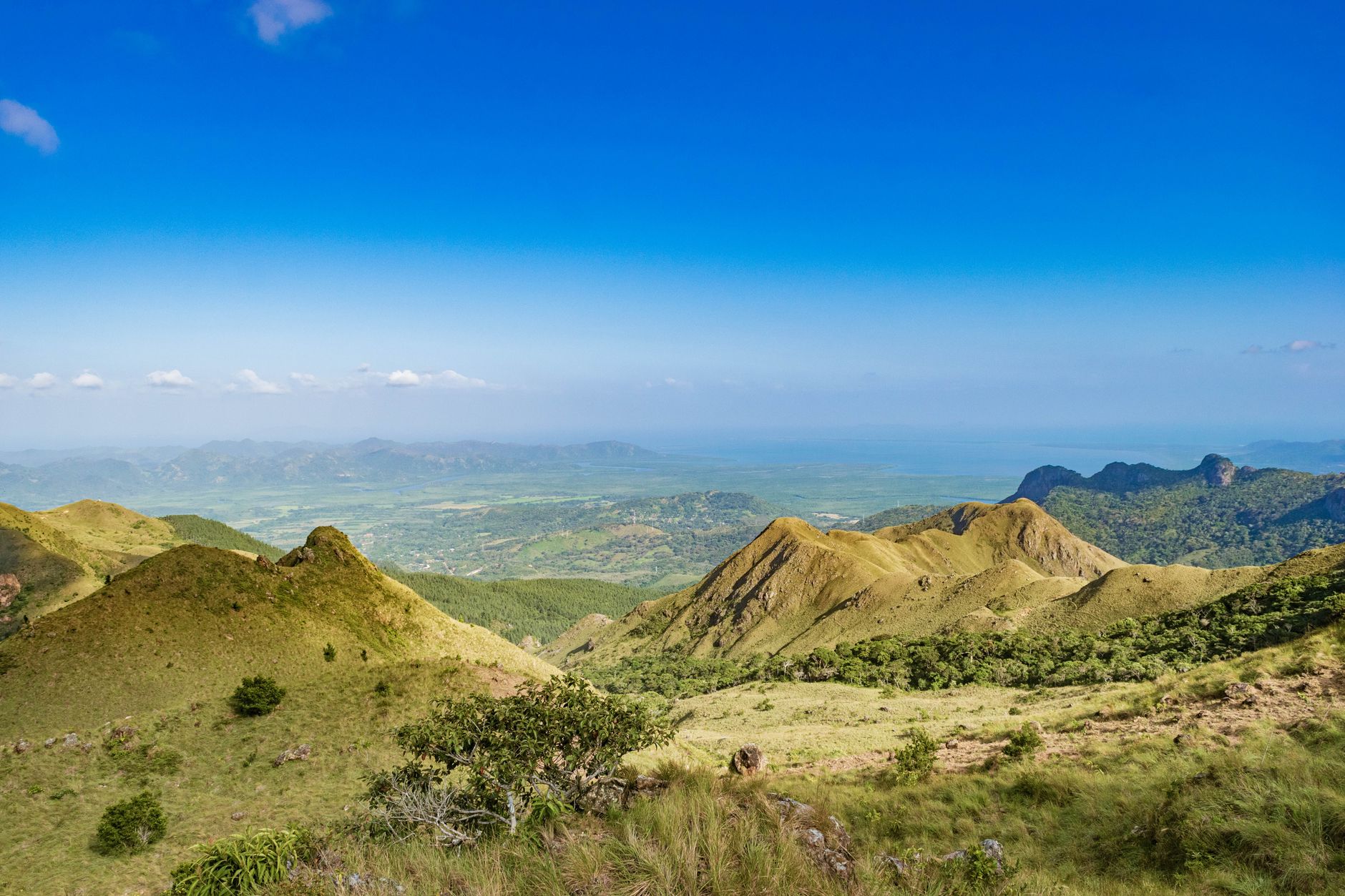

A decade of transformation in regional tourism
Contemporary tourism faces an existential crossroads. For decades, the industry has oscillated between unbridled economic growth and the urgent need to preserve the ecosystems that attract millions of travelers. In this global scenario, the tenth edition of the Sustainable & Social Tourism Summit has served as an indispensable barometer to measure the progress, successes, and pending challenges of the sector in Latin America. Held with the vocation of rethinking travel paradigms, the gathering focused on an inescapable truth: twenty-first-century tourism must be deeply responsible for local communities and the environment, or it will cease to be viable.
Amidst the discussions and best practices presented at the conclave, the Central American region emerged in its own light. Far from constituting a homogeneous bloc, the various nations of the isthmus have demonstrated that biodiversity conservation and the integration of indigenous and rural populations are not mere commercial slogans, but core pillars of their tourism offerings. This prominence is no accident; it responds to years of accumulated effort where local communities have transitioned from being mere spectators to direct owners and managers of their own destinations.
The territory as a subject of rights and conservation
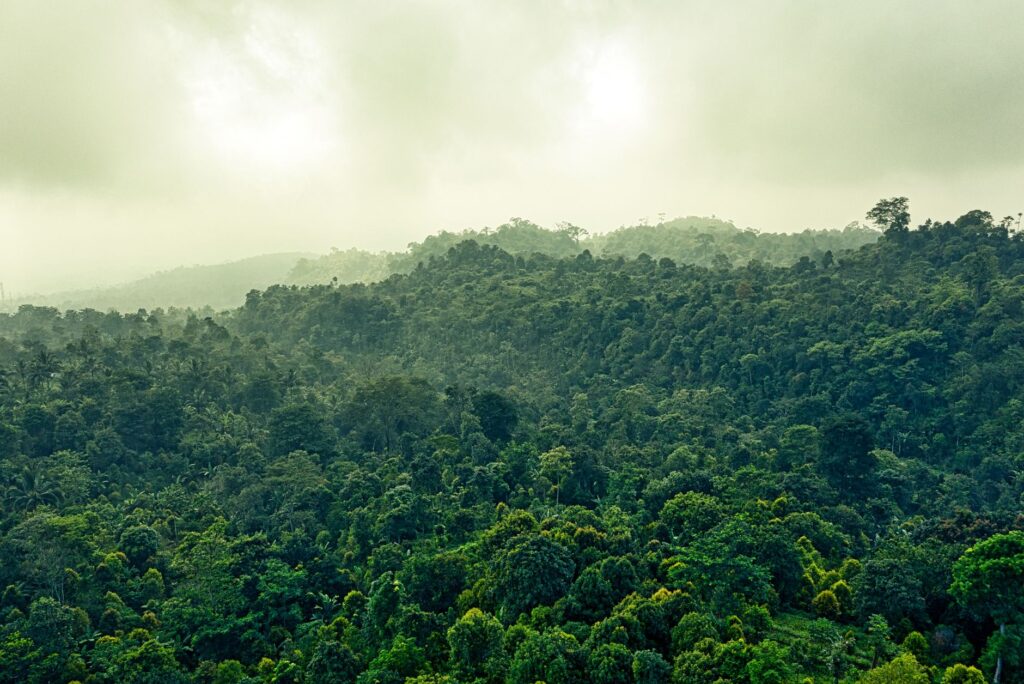
To understand the relative success of the initiatives showcased at the summit, it is necessary to view the Mesoamerican geography not as a postcard backdrop, but as a living, fragile web. From the tropical jungles of Petén to the volcanic coasts of Nicaragua and the biological reserves of Costa Rica, the Central American region concentrates a disproportionate percentage of global biodiversity. However, the true milestone that the region has exported to the world is its ability to link environmental protection with the economic sovereignty of its inhabitants.
During the event’s working sessions, experts and community leaders agreed that sustainable tourism cannot flourish on foundations of inequality. The successful experiences shared at the meeting demonstrate that when economic benefits directly permeate the social fabric, deforestation decreases, poaching is eradicated, and cultural heritage is reassessed. Today’s increasingly critical traveler seeks authenticity; but true authenticity only survives when the communities guarding it are guaranteed their basic needs and political autonomy.
Circular economy and community governance
One of the most recurring themes in the presentations of this tenth edition was the implementation of circular economy models adapted to rural realities. It is not merely about eliminating single-use plastics in hotel complexes—an already basic advancement—but about rethinking the entire tourism value chain. This ranges from local agricultural production destined to supply accommodations to community management of water and solid waste in areas of high ecological fragility.
Sustainable tourism ceases to be a marketing option and becomes the only economic and environmental survival strategy for rural communities in Central America.
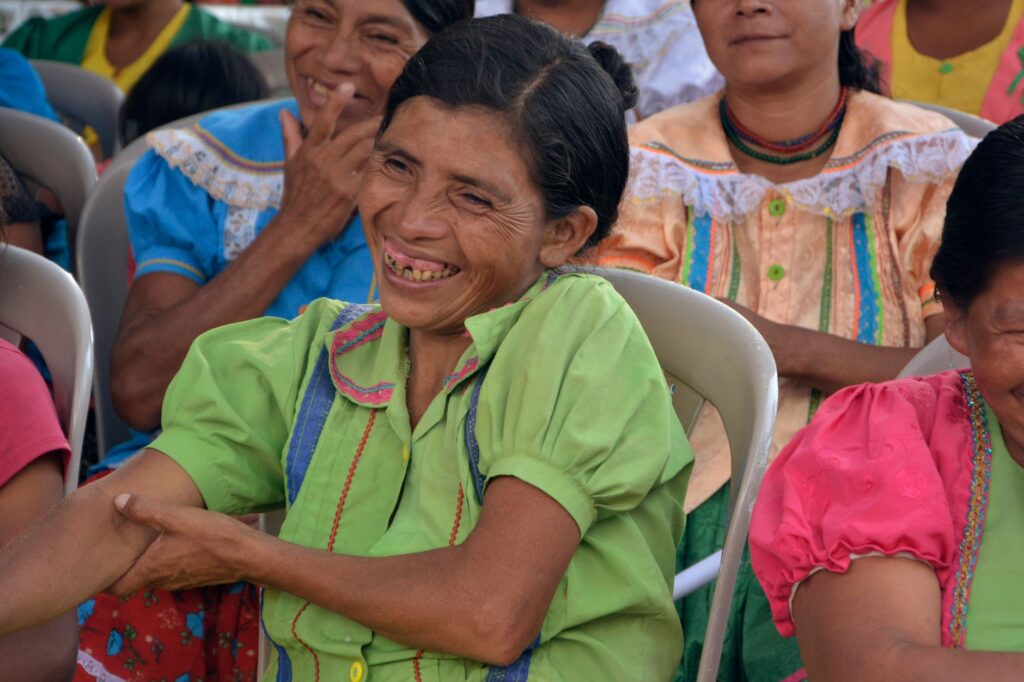
Community governance thus consolidates itself as the most solid pillar of this model. Instead of large corporations dictating the future of the territories, local councils, women artisan cooperatives, and associations of naturalist guides make the strategic decisions. This decentralization of tourism power prevents the worst effects of rural gentrification and ensures that the money generated by visitors is reinvested in education, health, and forest conservation.
The role of social innovation in the face of the climate crisis
The climate emergency is not a future threat for Central America; it is a daily reality hitting its coasts, crops, and infrastructure hard. In this context, the Sustainable & Social Tourism Summit served as a platform to showcase how social innovation can become a protective shield. The initiatives awarded and debated this year demonstrate that technology and ancestral knowledge can walk hand in hand to mitigate the impacts of climate change.
Biological monitoring projects driven by local youth using digital tools, early warning systems managed by coastal communities, and mangrove restoration programs partially funded by ecotourism are just a few examples of active resilience. These ventures demonstrate that the populations of the isthmus do not passively await international aid, but lead the vanguard of environmental adaptation through responsible tourism activity.
Pending challenges: beyond official discourses
Despite the achievements celebrated at the conclave, analysts and community representatives present at the summit insisted that the road ahead remains arduous and full of obstacles. One of the greatest challenges lies in the gap between national regulatory frameworks and the daily reality of small community initiatives, which often face bureaucratic hurdles and financing difficulties to access international markets.
Likewise, the need to shield the sector against real estate speculation and extractivist projects that threaten to fragment biological corridors and displace local populations was brought to the table. Sustainable tourism, warned the critical voices of the forum, runs the risk of becoming greenwashing if not accompanied by firm public policies that prioritize human welfare and ecological integrity over visitor volume.
The traveler’s responsibility in the new paradigm
The success of the Mesoamerican model does not rest solely on the management capacity of local governments and communities; it also requires a profound transformation in the attitude of the traveler. The tenth edition of the event reminded attendees that the contemporary traveler must assume an active and conscious role, moving away from passive consumption and adopting practices of absolute respect toward the culture and environment they visit.
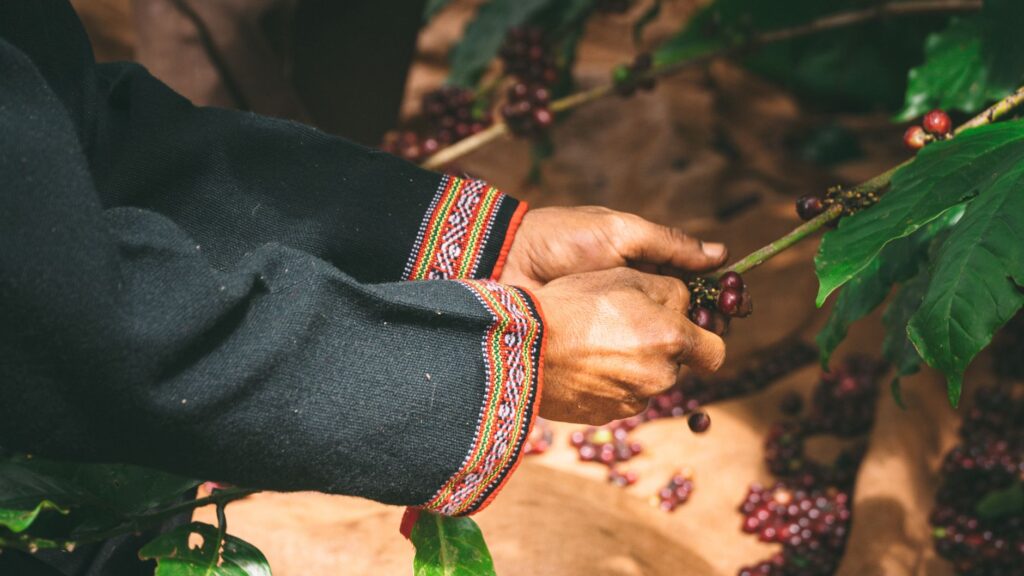
This implies informing oneself beforehand about the impact of service providers, choosing accommodations that demonstrate a genuine commitment to their surroundings, consuming local products, and respecting protected area regulations. Travel ceases to be a right of unlimited consumption and transforms into a horizontal and respectful cultural exchange, where the visitor is a guest who adds value rather than leaving a destructive footprint.
Toward a regional network of regenerative tourism
As a corollary to the debate sessions, the urgency of consolidating a regional network transcending national borders to articulate regenerative tourism policies throughout the isthmus was proposed. This vision goes beyond traditional sustainability, which seeks to do no harm; the regenerative approach aims for tourism activity to actively improve the ecosystems and societies where it is established.
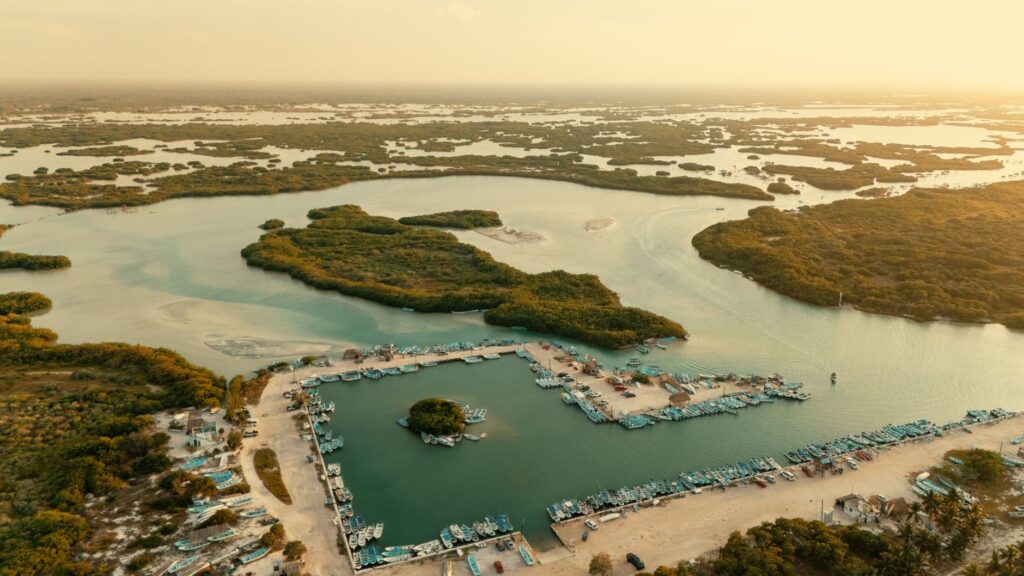
The true goal of regenerative tourism in Central America is to return to the territory more vitality, social cohesion, and biological wealth than the visitor consumes during their stay.
The experience accumulated over ten years of this congress demonstrates that Central America possesses the human capital, natural wealth, and ethical conviction necessary to lead this global transition. The current challenge consists of maintaining coherence between institutional discourses and the reality of the territories, ensuring that communities remain the undisputed owners of their own destiny.
Practical information for responsible travel in Central America
- Conscious planning: Research certified community-based tourism projects in advance and avoid agencies that promote the massification of sensitive ecological areas.
- Sustainable transport: Prioritize local public transport, shared bus networks, or low-emission vehicles to move between natural reserves and communities.
- Local consumption: Consume traditional gastronomy in markets and eateries managed by local families, ensuring your money directly benefits the local economy.
- Cultural and natural respect: Strictly follow the instructions of local guides in national parks, respect the privacy of indigenous communities, and leave no waste behind.
The horizon of purposeful tourism
The tenth edition of the Sustainable & Social Tourism Summit has left a clear takeaway: Central America has ceased to be an emerging destination and has become an ethical and methodological benchmark in global tourism management. The combination of extreme biodiversity, community organization, and cultural resistance offers a valuable roadmap for a planet desperately seeking fairer and more balanced development models. The future of the sector will depend on our ability to replicate and support these local initiatives, understanding that traveling with purpose is, today more than ever, an indispensable tool for the preservation of life on Earth.
Source in EN: Periodista Digital (https://news.google.com/rss/articles/CBMi5gFBVV95cUxOUHV5UUV0SHNSbFQ1bERBU0ZPUjltQ2tRbFRFM3NvSmZxTFdBZjZZel92WFFEQ0M1Y0RUN3BpRlNGM016UF9DajE0MWFpWmFmM1hYRU5kcnNnTE04anFGbE8wMmh0YXlhY2t5VjAxLVVBMXFsUVQ1RGtHNlo2bl9rZFFNY1hNN3dQd1hJM0VIWUFrYzAwTWpCeHdFdWRMcVRNeGJZNTlvUk1vdVl5dHFQWDVQYkVuV2R0Skk2ZzRaYUxsY0hncE9icXZJUEYwd1BUX3h1R0FPbnJydmxoNjVaVmhNMmpfZ9IB6gFBVV95cUxPa0tGbm5PSS1pVFFXaVZRQ19XSmV5QS1iS0hpcmRmRmlxWVd2elZuNFdMS3ZEVnVMa3BaVW5lRjJrN3ExREQ1Nmc2T2RhOGxsbVRreUZHWVpLdS1Pak9jZFlhZ0c5azhvSHZBR1FnY0diSW5QVkd3aDg2cEtzNnZ1SDUzdkJfQmMxbndYYlNkdnhqWVllZG9OUWFRMXZ0RVluVWlfbkc5Q0VXbHJweDdfUFlHbGJESkVrM2xiNFlrSU8weGtNQ1diU2QyaUJtaDQwbk1XMHBUQy12YzZxTkFqQm5fQTJIZHpUMnc?oc=5)


