
Introduction to the Kungsleden and the Arctic Wilderness
The Kungsleden, or the King’s Trail, stands out as one of the most mesmerizing long-distance hiking experiences on the planet. Situated almost entirely above the Arctic Circle, this legendary route traverses the mountainous backbone of Swedish Lapland for approximately 440 kilometers. It connects the northern settlement of Abisko with the southern hub of Hemavan, crossing some of the wildest, most ancient, and best-preserved landscapes in Western Europe. Far more than a simple walking route, it functions as a biogeographical journey transitioning from lush boreal birch forests to vast alpine tundra plateaus, where human presence is gracefully distilled into wooden cabins, suspension bridges, and intermittent stone trail markers.
For the seasoned trekker, the Kungsleden serves as a masterclass in self-reliance and environmental stewardship. The classic route is divided into distinct sections, with the northern sector—linking Abisko to Nikkaluokta via the Kebnekaise massif—being the most frequented and visually striking. However, the true essence of the trail unveils itself further south, where solitude becomes the norm and connection with the natural world takes on deeply contemplative dimensions. Understanding the logistics, meteorology, and geography of this terrain is the essential first step toward ensuring a safe and memorable expedition.
Geography and Natural Environment of Swedish Lapland
The landscape carved by the Kungsleden is a realm shaped by the relentless action of glaciers throughout successive ice ages. The mountains flanking the trail do not boast extreme altitudes compared to the Alps or the Andes—Sweden’s highest peak, Kebnekaise, reaches roughly 2,096 meters—yet their alpine aesthetic is striking due to the exceptionally low tree line in northern Scandinavia. Barely 500 meters above sea level, the birch forests give way to alpine meadows of heather, lichens, and dwarf willows that stretch up to the bases of dramatic glacial cirques.
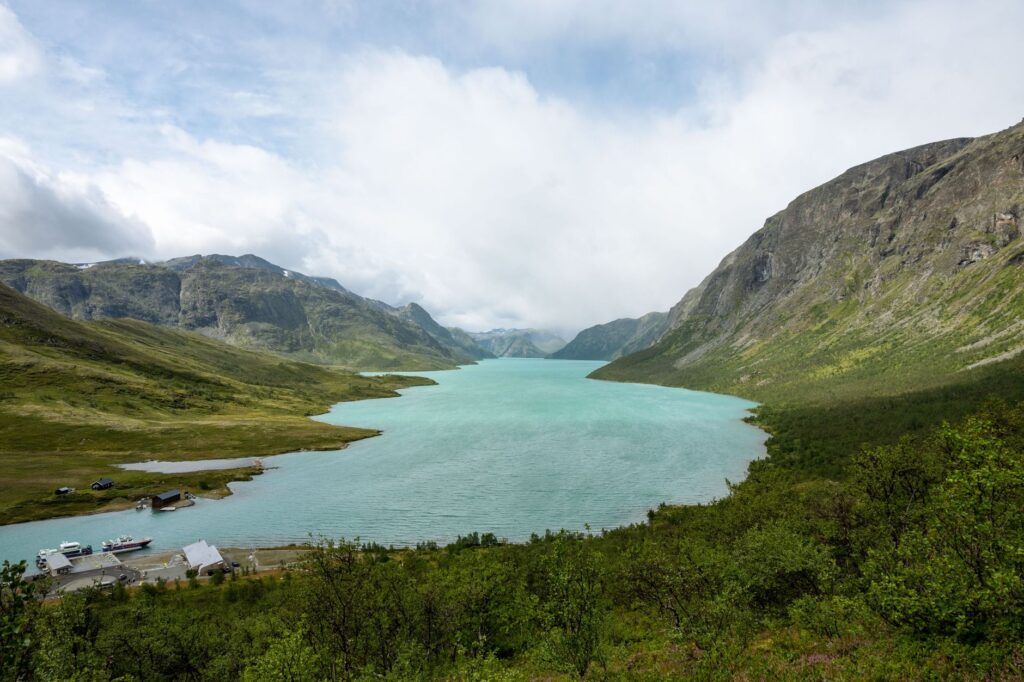
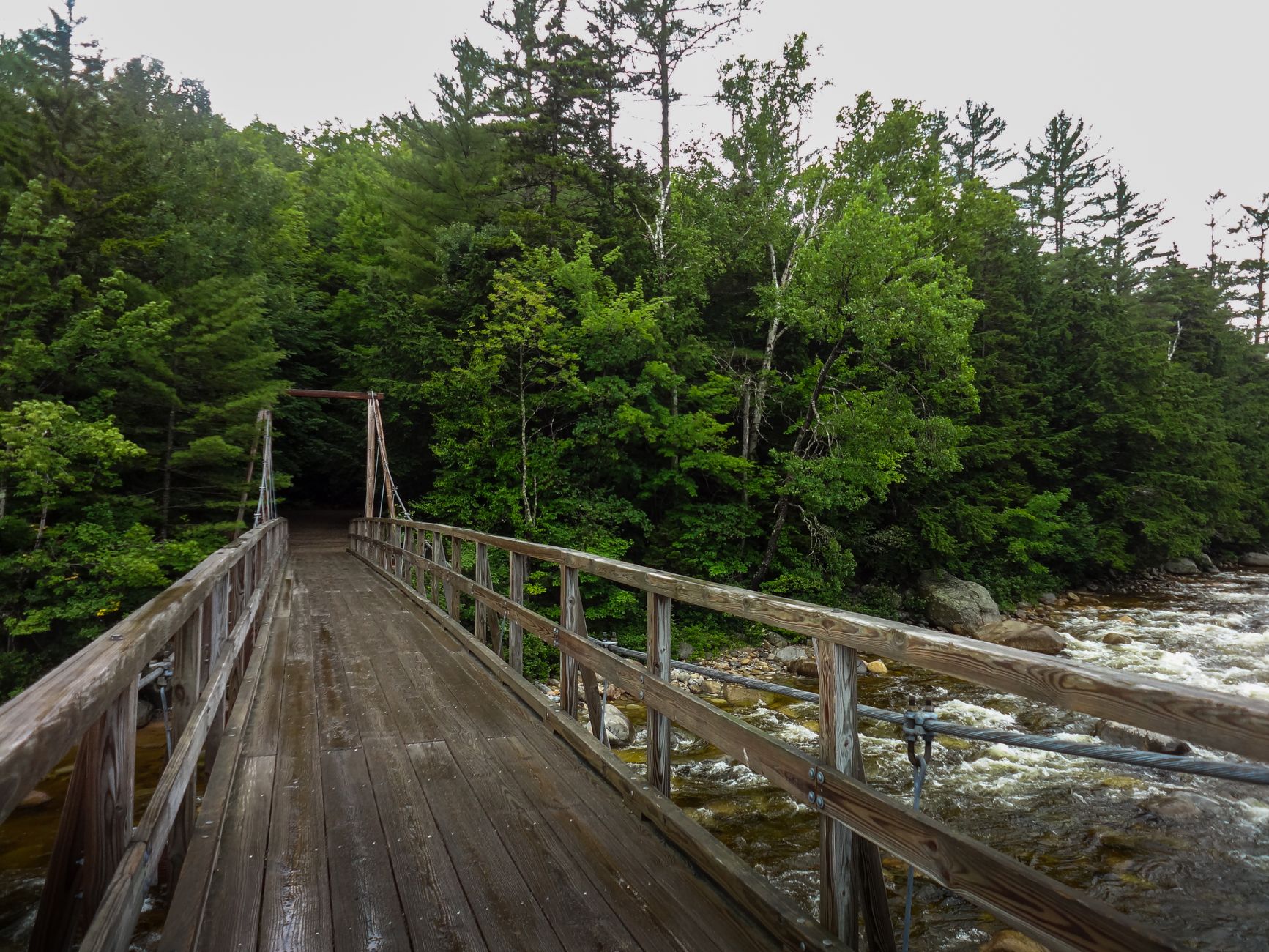
The region’s hydrography plays a starring role throughout the trek. Numerous glacial lakes featuring crystal-clear turquoise and deep blue waters act as giant mirrors reflecting surrounding peaks and shifting arctic skies. To navigate these expanses of water and the rushing rivers fed by summer snowmelt, the trail infrastructure incorporates a network of suspension bridges, wooden boardwalks over boggy terrain, and, in specific sections, rowing boats maintained by the Swedish Tourist Association (STF). This combination of physical geography demands constant situational awareness and unwavering adaptability from every hiker.
Temporal Planning and Seasonality in the Arctic
Choosing the right window for undertaking the Kungsleden is a critical decision that entirely shapes the character of the journey. The year is sharply divided between the long, dark polar winter and a brief summer window spanning from late June to early September. For the vast majority of hikers, the optimal season concentrates between mid-July and late August. During this period, daylight hours are generous—or continuous if hiking in high summer beneath the midnight sun—and most winter snow has melted from the main valleys, facilitating progress and reducing hazards at river crossings.
Nonetheless, the arctic climate remains notoriously fickle and unpredictable regardless of the chosen month. Even in mid-summer, temperatures can plummet below freezing overnight, and experiencing days of gale-force winds, persistent rain, and sudden snow flurries at higher elevations is entirely normal. Planning must always incorporate a temporal safety margin to accommodate potential weather delays inside the safety of the refuges. Flexibility is not an optional suggestion but a fundamental requirement for survival and enjoyment in the deep north.

Access Logistics and Trailheads
Accessibility to the Kungsleden is remarkably well-structured despite the geographical remoteness of the territory. The classic northern trailhead, Abisko, features a railway station on the iron ore line connecting Kiruna to Narvik in Norway, which in turn links to the Swedish national rail network from Stockholm. This enables travelers to reach the trailhead sustainably and efficiently via overnight trains crossing the entire country from south to north. Alternatively, Kiruna airport operates daily scheduled flights from Stockholm, with connecting bus or taxi services to Abisko or Nikkaluokta.
At the southern end of the broader traverse, the town of Hemavan features a small regional airport with flights to Stockholm, alongside regular long-distance bus connections to cities like Umeå or Östersund. For those choosing to hike exclusively the northern section—popularly known as the Abisko-Nikkaluokta trail—the exit is typically made from Nikkaluokta via a scheduled bus service connecting to Kiruna. Booking train, bus, and rowing boat services well in advance is imperative, especially during peak summer months, due to high international demand for these remote transport links.
The STF Hut Network and Camping Systems
One of the great logistical strengths of the Kungsleden is the network of refuges managed by the Svenska Turistföreningen (STF). These cabins are strategically spaced at reasonable daily walking distances from one another—usually between 10 and 20 kilometers—offering safe shelter against severe weather. Most facilities are staffed by wardens during the summer season, featuring well-stocked shops with basic dehydrated food supplies, wood-burning stoves, bunk beds with mattresses, and gas-equipped kitchens. Some of the larger and more accessible huts even boast traditional wood-fired saunas, a true luxury after a long day under arctic rain.
Alongside hut-to-hut trekking, the Kungsleden provides a remarkably permissive legal framework for wild camping, protected by the historic Swedish public right known as Allemansrätten (Everyman’s Right). This right allows free camping for one or two nights on any land that is not cultivated private property or a strict nature reserve, provided strict conservation rules are followed: leave no trace, use gas stoves instead of open fires on the fragile tundra, and maintain a respectful distance from cabins and traditional Sami settlements. Autonomous camping grants absolute freedom but requires carrying a robust kit capable of withstanding intense katabatic winds.
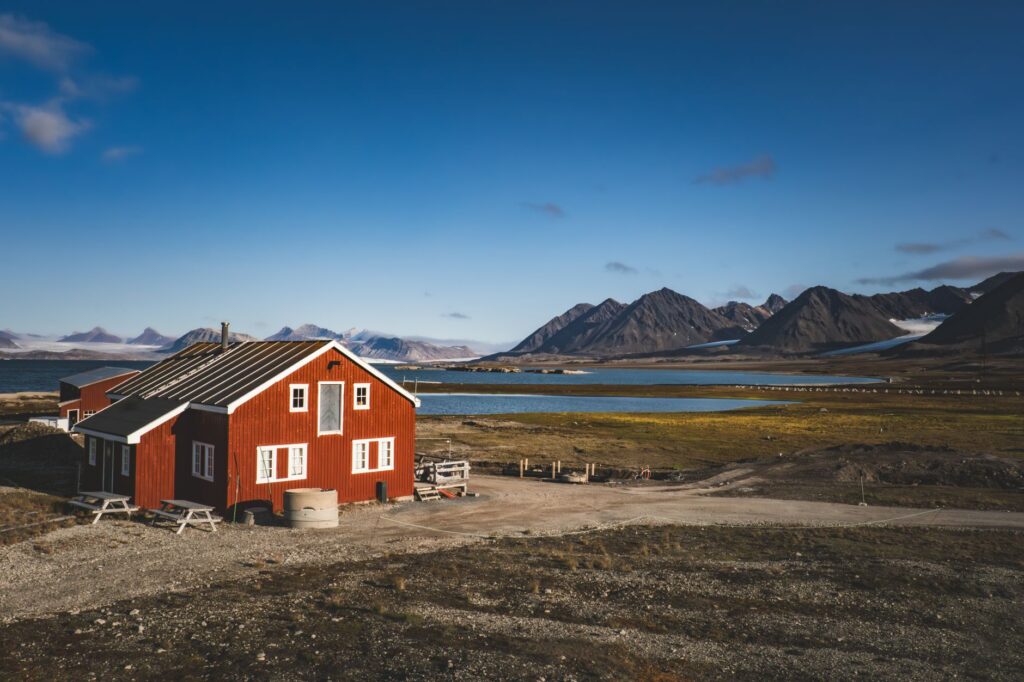
The Kungsleden does not reward speed or athletic conquest, but rather the ability to attune oneself to the ancient rhythm of the tundra, where every river, every stone, and every horizon shift demands a careful reading of the landscape.
Terrain, Footwear, and Essential Technical Equipment
Hiking the Kungsleden tests both physical endurance and the quality of the gear packed inside your rucksack. The terrain is wonderfully heterogeneous: firm dirt tracks alternate with slippery rocks, unstable boulder fields, boggy areas covered by wet wooden boardwalks, and numerous stream crossings requiring wading or amphibious footwear. For these reasons, high-cut trekking boots featuring top-tier waterproof membranes and high-traction wet-grip soles remain the safest standard for protecting ankles against frequent missteps on uneven ground.
The selection of insulating and waterproof layers must follow the three-layer technical principle, prioritizing synthetic materials or merino wool that retain thermal properties even when thoroughly soaked. High-specification waterproof jackets and trousers are non-negotiable at this latitude. Furthermore, due to the abundance of stagnant water during warm months, insect populations—particularly mosquitoes and tiny midges—can become a major source of psychological fatigue. Including a reliable DEET or picaridin-based repellent, a head mosquito net, and tightly woven long-sleeve shirts acting as a physical barrier is mandatory gear.
Nutrition, Water Management, and Food Self-Sufficiency
Nutritional self-sufficiency is a cornerstone when planning any trek across the Kungsleden. Although STF hut shops allow hikers to replenish basic staples like pasta, rice, energy bars, light canned goods, and chocolate, variety is limited and prices are high due to the complex helicopter or snowmobile logistics required to supply these remote spots. Therefore, starting the journey from Abisko or Hemavan carrying the bulk of necessary dehydrated rations is strongly advised, building in a safety margin of at least two to three extra days of food.
Regarding water, the hydrological purity of Swedish Lapland’s rivers and streams is well-earned, being generally safe for direct consumption without chemical or mechanical filtration, particularly in high mountain zones. Nevertheless, local regulations and guides advise caution near lower lakes or grazing areas populated by free-roaming reindeer herds, recommending gravity filters or purification tablets in lower valley sections to prevent gastrointestinal issues caused by parasites like Giardia lamblia.
Safety, Communications, and Emergency Protocols
The highly remote nature of large sectors along the Kungsleden means rapid medical assistance cannot always be guaranteed. Along the trail, mobile phone coverage is notoriously patchy or entirely absent across deep valleys and high plateaus, limited strictly to elevated high points. Consequently, carrying a satellite communication device—such as a GPS messenger with an SOS button like a Garmin inReach or a satellite phone—is highly recommended to enable contact with rescue services in the event of severe accidents or profound hypothermia.
Shifting weather conditions also demand sound traditional map-reading skills. Although the trail is reasonably marked with red crosses painted on rocks (known as rösen) and red paint blazes on birch trunks, dense fog can drop visibility below ten meters within minutes, making navigation errors a genuine risk. Carrying a detailed 1:50,000 scale topographic map (such as those published by Calazo), a reliable orienteering compass, and knowing how to use them alongside a GPS loaded with tracks forms the baseline emergency protocol for any responsible mountaineer.
Cultural Impact and Encounters with the Sami People
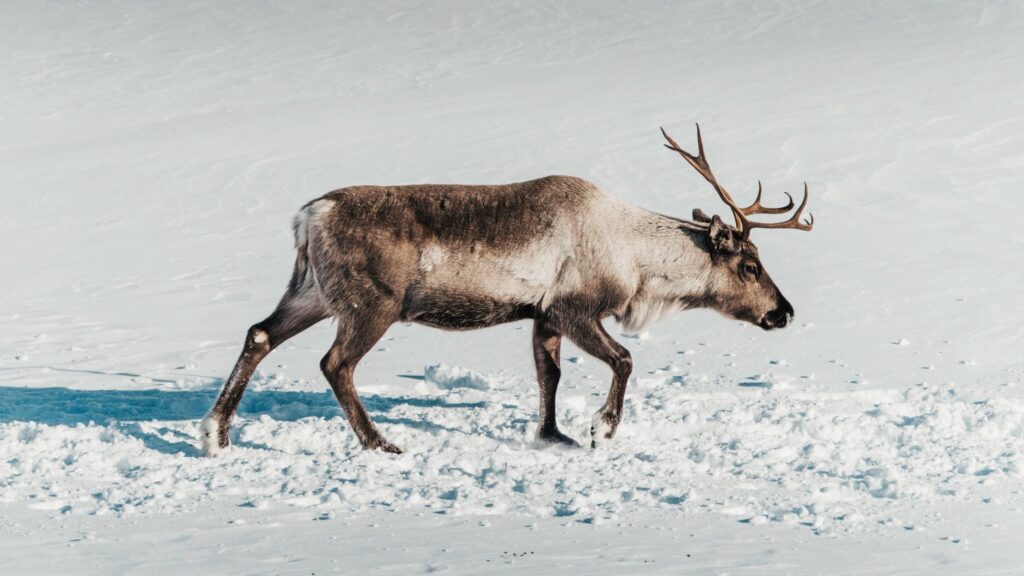
Hiking the Kungsleden means stepping into Sápmi, the ancestral homeland of the indigenous Sami people, stretching across northern Norway, Sweden, Finland, and Russia’s Kola Peninsula. Along the route, evidence of their millennia-old culture and symbiotic relationship with the land is frequently visible: wooden corrals for reindeer roundups, seasonal pastoral huts, and traditional migration paths intersecting the trail itself. The reindeer is not a wild animal in this ecosystem, but rather the central pillar of Sami economy and cultural identity, tended by specific herding communities known as samebyar.
Absolute respect for Sami property, livestock, and traditional ways of life is a mandatory rule for foreign visitors. During summer months, reindeer herds often concentrate on high mountain slopes to escape insects and graze on fresh forage; maintaining a respectful distance and avoiding startling the animals—especially mothers with calves—is crucial. Recognizing that the hiker is a temporary guest in a land inhabited and managed for millennia adds profound ethical and cultural depth to the athletic experience, transforming trekking into an act of respect and anthropological learning.
The true value of an arctic expedition lies not in the distance accumulated on the odometer, but in the inner stillness born from contemplating the infinite expanse of the tundra beneath the perpetual northern sun.
Conclusion and Ethical Tenets for the Arctic Traveler
The Kungsleden is much more than Scandinavia’s most celebrated trail; it constitutes a natural sanctuary demanding humility, rigorous preparation, and deep ecological respect from every visitor. Tackling its four hundred-plus kilometers of tundra, lakes, and mountain passes requires a perfect balance of technical gear excellence, logistical self-sufficiency, and mental resilience against the whims of the arctic climate. In an era when wild natural spaces face mounting pressures, maintaining a strict commitment to leave-no-trace ethics ensures the untouched magic of Swedish Lapland remains unspoiled for future generations of hikers.