Introduction to the Atlantic Edge and Its Mobility Challenge
At the northwestern frontier of Europe, where the relentless Atlantic gales batter the cliffs of Lewis and Harris, the economic and social survival of a community depends on an invisible yet unbreakable thread: public transport. The Outer Hebrides (Na h-Eileanan Siar) represent one of the most demanding environments for developing sustainable mobility infrastructure. For decades, reliance on fossil fuels to connect this dispersed archipelago with the Scottish mainland generated a structural vulnerability that impacted both the cost of living and the local ecological footprint. Today, this island region sits at the epicenter of an unprecedented transformation, redefining the concept of rural connectivity through a multimodal transport strategy that combines maritime electrification, low-emission terrestrial fleet integration, and participatory mobility planning.
The challenge is considerable. Ocean distances, extreme weather conditions, and low population density complicate the economic viability of any conventional transport system. However, mounting global climate pressure and the urgent need to reduce long-term operational costs have driven local authorities, alongside public operators such as Caledonian MacBrayne (Comhairle nan Eilean Siar and CalMac), to design a pioneering model. This report examines the technical, social, and economic keys of a transition that aims to turn the Outer Hebrides into a global benchmark for island decarbonization.
The Maritime Backbone: The Arrival of Hybrid-Propulsion Ferries
For any resident or visitor to the Hebrides, the journey inevitably begins at sea. The routes connecting ports such as Ullapool with Stornoway, or Berneray with Leverburgh, constitute genuine floating highways. For years, the fleet operating these crossings consisted of high-consumption diesel vessels whose energy efficiency dropped drastically during frequent winter gales. The renewal of this fleet represents the fundamental pillar supporting the archipelago’s sustainable mobility strategy.

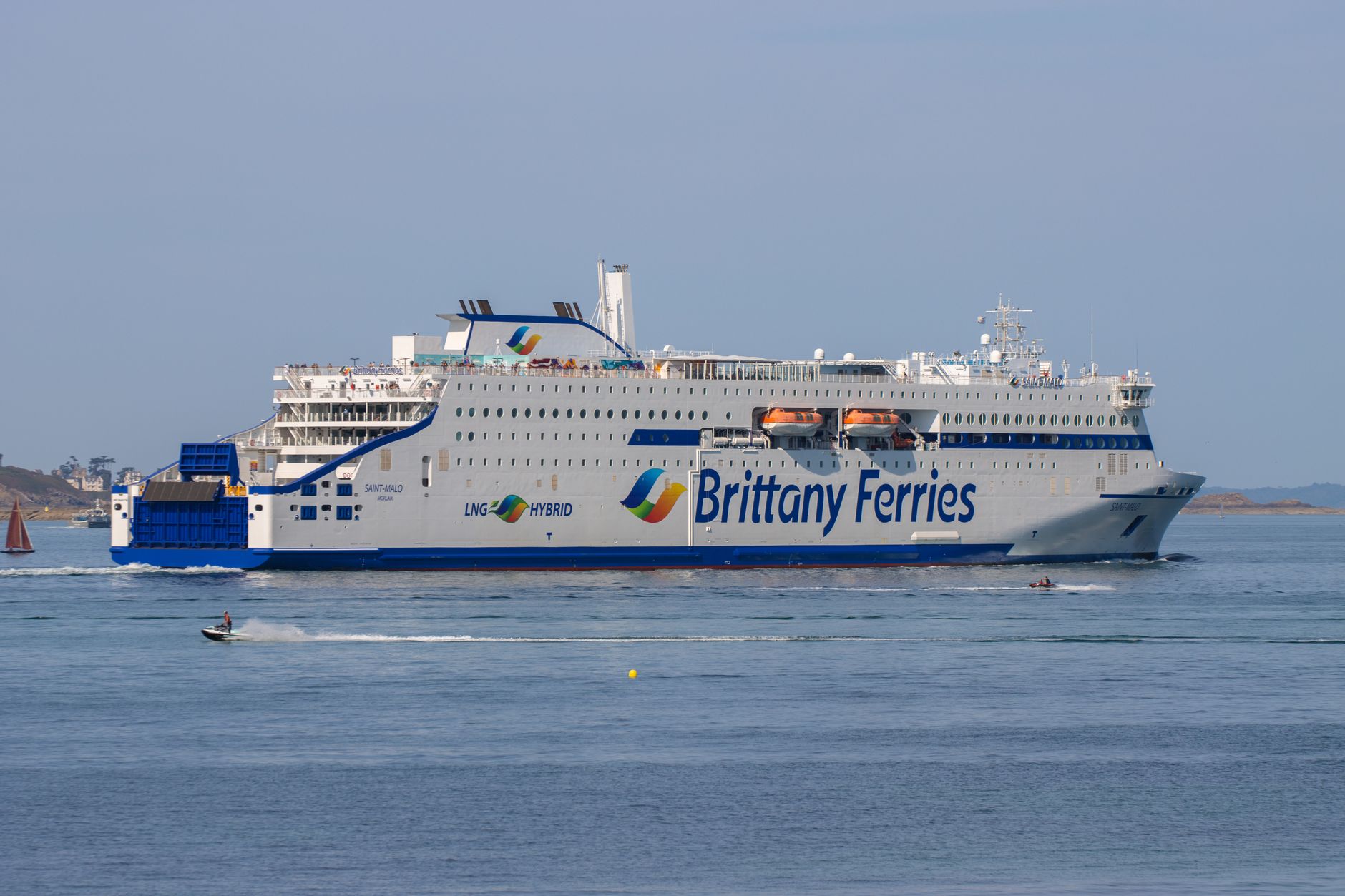
The gradual introduction of new vessels featuring diesel-electric propulsion systems and infrastructure ready for high-capacity battery integration has marked a radical shift. These hybrid ferries optimize fuel consumption through automated management of stored energy during docking maneuvers and less demanding crossings. Operational efficiency translates into a drastic reduction in carbon dioxide and nitrogen oxide emissions, while also safeguarding the region’s delicate marine ecosystems, frequented by protected cetaceans and seabirds.
Nevertheless, the maritime transition faces considerable logistical challenges. Adapting docks to allow rapid battery charging during short turnaround intervals requires million-dollar investments in the local electrical grid. On islands where local renewable generation capacity—primarily wind energy—still coexists with the stability of the general grid, coordinating ferry schedules with the availability of clean energy is an exercise in high-precision logistical engineering.
The Terrestrial Last Mile: Route Electrification and Demand-Responsive Buses
Once on solid ground, the traveler faces the second phase of the multimodal system: the island bus network. Historically fragmented and with limited schedules adapted almost exclusively to the school calendar, the road network of the Outer Hebrides has undergone a silent yet profound modernization. The progressive incorporation of battery electric vehicles (BEVs) into local fleets has demonstrated that electromobility is viable even under extreme cold conditions and long intercity distances.
The deployment of these buses has not been limited to simple vehicle substitution. It has been accompanied by the reorganization of services through Demand-Responsive Transport (DRT) platforms. In communities where passenger demand fluctuates enormously between the summer tourist season and winter months, rigid schedules proved inefficient and financially unsustainable. The use of route optimization algorithms now allows the management of electric minibuses that respond to real-time requests, reducing empty mileage and ensuring that residents in the most remote enclaves have reliable access to essential health and commercial services.

True sustainability in an island territory does not consist of replicating the models of large metropolises, but of weaving a flexible network where every journey responds to a real human need without mortgaging the ecological future of the environment.
This operational flexibility has noticeably increased occupancy rates and revived local confidence in public transport, a sector that had suffered a slow decline in favor of private vehicles for years.
Charging Infrastructure and the Island Energy Challenge
The viability of any sustainable mobility plan critically depends on the robustness of its energy infrastructure. In the Outer Hebrides, the geographical situation poses a fascinating paradox: the archipelago produces significant amounts of renewable energy through onshore wind farms, but a major share of that energy is exported to the mainland due to historical limitations in the subsea cable’s transmission capacity.
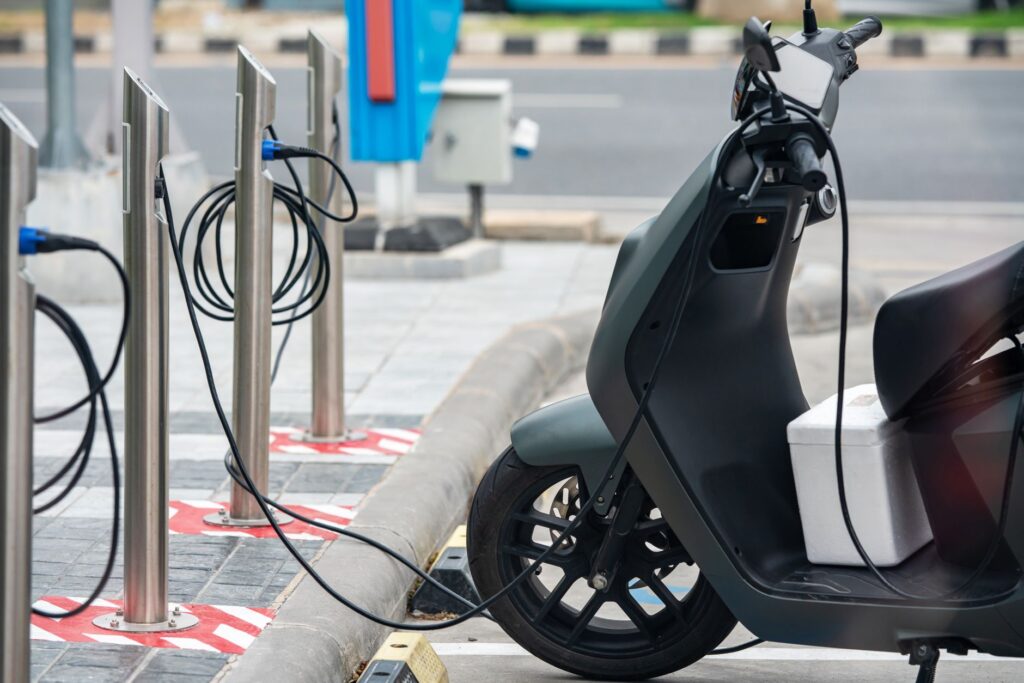
Harnessing part of that local production to power ferry transport systems and the bus fleet has become the top priority of the regional energy agency. Ultra-fast charging stations have been installed at major port nodes, specifically designed to handle peak demand loads required by hybrid ferries during port stays. Additionally, public charging points powered by local solar and wind microgrids have been enabled in the main towns of Uist, Benbecula, and Lewis.
Energy decentralization is the key to shielding the transport system against potential supply interruptions from the mainland. By integrating second-life stationary storage batteries—often sourced from retired electric vehicles—transport terminals can guarantee autonomous operation for several hours even during severe storms that damage overhead high-voltage lines.
Socioeconomic Impact: Community Cohesion and Halting Depopulation
Beyond purely environmental metrics, the transport transformation in the Outer Hebrides fulfills an irreplaceable social function: combating isolation and halting youth depopulation. For decades, the lack of reliable and affordable connections forced numerous generations to migrate toward Glasgow or Edimburgh in search of stable educational and employment opportunities.
Improvements in travel time predictability, reduced resident fares through integrated passes, and reliable multimodal connections have facilitated the consolidation of remote work and the growth of small local businesses tied to sustainable tourism and traditional craftsmanship. Residents can now travel between the different islands of the archipelago to access higher education centers or specialized medical services without incurring prohibitive costs.

An efficient and clean public transport system is, in essence, a tool of social justice that ensures living in a peripheral community does not mean relinquishing the dignity of connectivity.
This approach has also attracted a new profile of visitor: the conscious traveler seeking to reduce their carbon footprint and valuing the experience of exploring the archipelago using exclusively public transport and bicycles, thereby fostering a tourism economy that is less overcrowded and more respectful of the natural and Gaelic cultural heritage.
Pending Challenges and Lessons for Other European Archipelagos
Despite notable progress, the path toward total transport decarbonization in the Outer Hebrides still presents significant obstacles. The complete replacement of larger traditional ferries with zero-emission alternatives—such as green hydrogen or long-range fully electric propulsion—requires the development of naval technologies still in the commercial maturation phase. Furthermore, the cost of maintaining infrastructure in such an aggressive marine environment, subjected to high salinity and strong winds, demands high and constant conservation budgets.
The lessons drawn from this transformation process are, nevertheless, of enormous value to other island regions in Europe, from the Greek islands to the Norwegian fjord archipelagos. The main conclusion is that the transition cannot depend on imported technological solutions without local adaptation; it must be built upon active listening to resident communities, integrating traditional knowledge of the territory with technical innovation.
Public-private collaboration and the reinvestment of profits derived from clean energy production into public mobility infrastructure form a virtuous circle that proves geographical periphery is not synonymous with technological lag, but rather an ideal testbed for the future of sustainable transport.

Practical Guide for the Conscious Traveler in the Outer Hebrides
Exploring the Outer Hebrides using exclusively the sustainable multimodal transport system requires planning and flexibility, given that Atlantic weather can alter scheduled timetables.
Route Planning and Reservations
- Integrated Ticketing: Use Caledonian MacBrayne’s unified booking platforms to coordinate ferry journeys with island bus connections.
- Time Flexibility: Always reserve a margin of at least twenty-four hours in your itinerary to absorb potential cancellations caused by marine storms.
- Demand-Responsive Transport: Familiarize yourself with local DRT minibus booking apps for travel across less populated areas of Uist and Harris.
- Active Mobility: Combine electric buses with the rental of electric bicycles available in Stornoway and Tarbert to explore secondary coastal routes.
Conclusion: The Horizon of Sustainable Island Mobility
The case of the Outer Hebrides demonstrates that the transition toward a truly sustainable transport model is possible even in the most complex geographical contexts. By intertwining maritime electrification, innovation in flexible terrestrial services, and the exploitation of local energy resources, this archipelago has ceased to be a vulnerable territory on the fringe of major routes and has become a beacon of ecological resilience.
The Scottish experience sends a clear international message: transport decarbonization is not a luxury reserved for large urban centers, but a vital necessity for the survival and cohesion of rural and island communities in the 21st century. The future of sustainable mobility is also being written at the Atlantic edge, where the force of wind and sea is transformed into the engine of progress respectful of the land.