The Awakening of the Aegean Butterfly
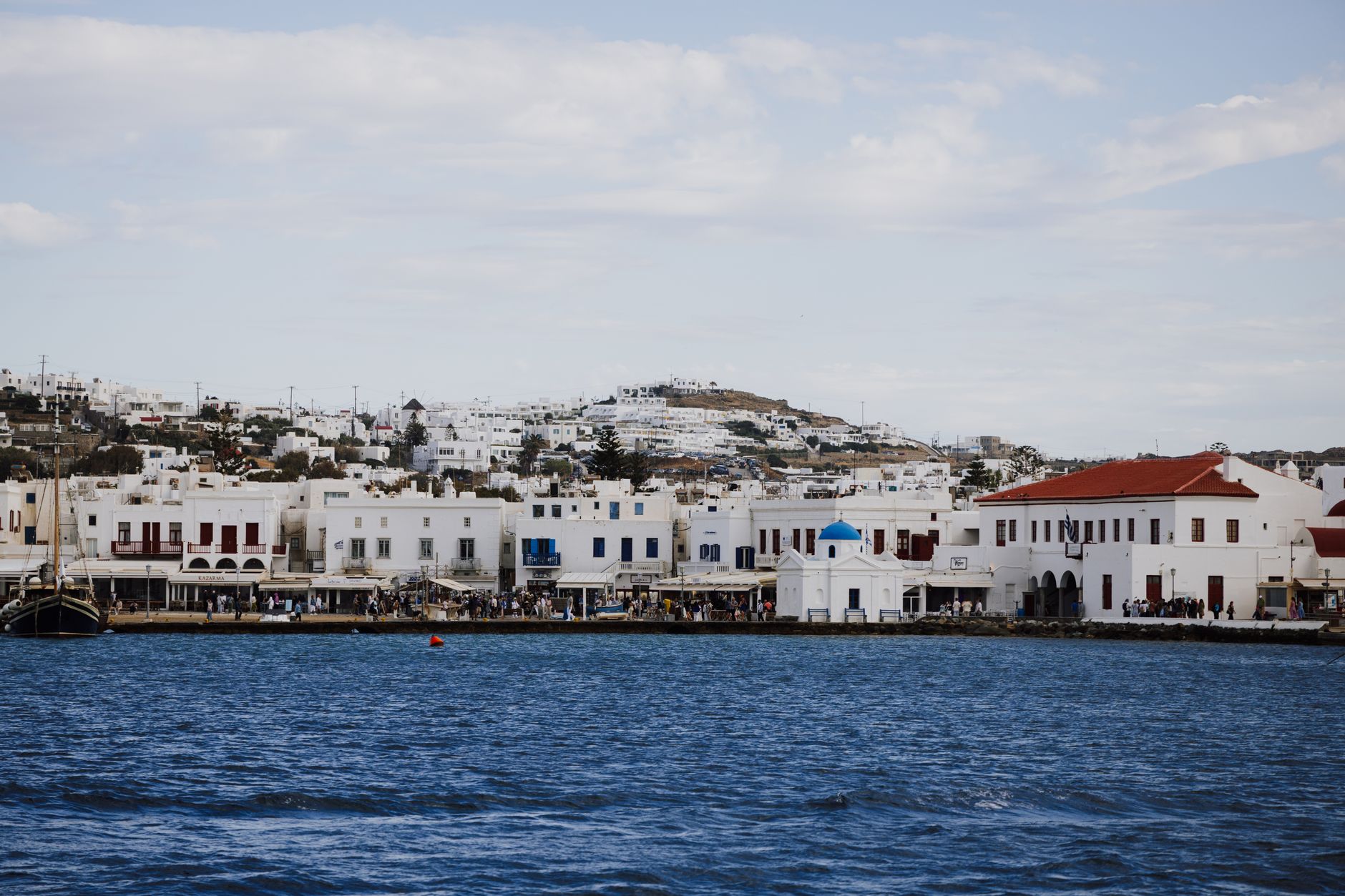
In the heart of the Dodecanese archipelago, the island of Astypalaia unfolds across the deep blue of the Aegean Sea with a silhouette that has earned it the nickname «the butterfly.» However, beyond its geological beauty and whitewashed houses climbing toward a Venetian castle, this small community of just 1,300 residents has become the epicenter of one of the 21st century’s most ambitious transformations. This is not merely a tourism initiative; it is a total re-engineering of daily life through sustainable mobility and energy sovereignty.
Astypalaia has ceased to be a conventional Greek island and has transformed into a living laboratory. Under the «Smart & Sustainable Island» project—an unprecedented collaboration between the Government of the Hellenic Republic and the Volkswagen Group—the island is replacing its old fossil fuel-based transport model with a digitized, electric, and shared ecosystem. This transition is not a mere public relations exercise; it is an urgent response to the climate challenges faced by isolated communities, where energy costs and waste management are often suffocating.
«The transformation of Astypalaia does not seek to create a technological museum, but rather to prove that a small community can lead the global transition toward carbon neutrality without sacrificing its identity.»
An Ecosystem in Transition: From Diesel to Electric Autonomy
For decades, Astypalaia’s pulse depended on the roar of diesel generators and an aging fleet of vehicles struggling against the steep slopes of its topography. The change began with the systematic removal of internal combustion engines. The goal is ambitious: to replace approximately 1,500 private and commercial vehicles with around 1,000 smart electric vehicles. This process has required not only the importation of new units but also the creation of a charging infrastructure that respects the island’s traditional aesthetics.
The key to this system lies not just in the change of engine, but in a paradigm shift. The introduction of shared mobility services, such as AstyMove, allows both residents and visitors to forego vehicle ownership. Through a mobile application, it is possible to request an electric car, a bicycle, or a scooter, optimizing the number of units in circulation and freeing up public space in the narrow streets of the Chora.
The End of Ownership: The Revolution of On-Demand Transport
One of the most innovative pillars of this metamorphosis is the Astybus service. Unlike traditional bus lines with rigid schedules and fixed routes that often ran empty, Astybus operates on demand. This flexible public transport service connects the island’s key points: the port of Pera Gialos, the airport, the capital (Chora), and the settlements of Livadi and Maltezana.

This system has proven vital for social cohesion. Elderly residents, who previously relied on relatives or limited taxi services to visit the medical center or go shopping, now enjoy unprecedented autonomy. The vehicles—high-capacity electric vans—adjust their routes in real-time according to user requests, drastically reducing CO2 emissions per passenger and kilometer traveled. It is big-city efficiency applied to the human scale of an island.
Harnessing the Sun: The Infrastructure Challenge
For electric mobility to be truly sustainable, the energy source must be clean. Historically, Astypalaia burned thousands of liters of diesel to generate electricity. The project includes the construction of a hybrid renewable energy park. In its first phase, a 3.5-megawatt solar plant already covers a significant portion of the electricity demand for vehicles and homes. The long-term plan envisions that by 2026, more than 80% of the island’s energy will come from solar and wind sources.
The charging infrastructure has been strategically distributed. It is not just about fast stations at high-traffic points, but a network of smart chargers that interact with the power grid (V2G – Vehicle to Grid). In the future, the batteries of parked cars will be able to return energy to the grid during peak demand, turning the vehicle fleet into a giant battery that stabilizes the supply for the entire island.

«The success of electric mobility in remote environments depends on the ability to integrate local generation with smart consumption, closing the circle of sustainability.»
Local Community Impact: From Skepticism to Adoption
Any technological change of this magnitude generates initial skepticism. In Astypalaia, residents feared the technology would be too complex or that the cost of electric vehicles would be unaffordable. To mitigate this, the Greek government implemented an extremely generous subsidy program, allowing locals to purchase electric vehicles at prices lower than internal combustion ones.
Today, the local police, emergency services, and port authorities patrol in silent electric vehicles. This absence of noise has transformed the island’s sonic experience. Walking through the Chora at sunset no longer involves enduring the fumes of old delivery mopeds. The community has understood that sustainability is not an external imposition but a tool to preserve their quality of life and attract a new profile of responsible traveler.

A Scalable Model for Mediterranean Islands
Astypalaia is not an isolated case, but a prototype. The success of this model has direct implications for thousands of islands worldwide, from the Caribbean to Southeast Asia. The ability to decouple economic development from fossil fuel consumption is fundamental for the survival of these fragile ecosystems. The European Union is closely watching the experiment, considering it a key piece of the European Green Deal.
The integration of multimodal transport, clean energy, and digital services demonstrates that decarbonization can be a driver of economic revitalization. In Astypalaia, this has translated into the creation of new technical jobs and an increase in tourism interest from travelers seeking destinations aligned with their environmental values. The island has moved from being a peripheral destination to a benchmark for innovation.
Survival Guide for the Eco-Conscious Traveler in Astypalaia
If you plan to visit this sustainability laboratory, it is essential to integrate into the local ecosystem with respect and curiosity. Here are some tips for a full experience:
- Download the AstyMove App: Before arriving, set up your profile to access car-sharing services and the Astybus. It is the most efficient and economical way to get around.
- Responsible Charging: If you rent an electric vehicle, use the charging points during peak sunlight hours (midday) to take advantage of direct solar energy from the grid.
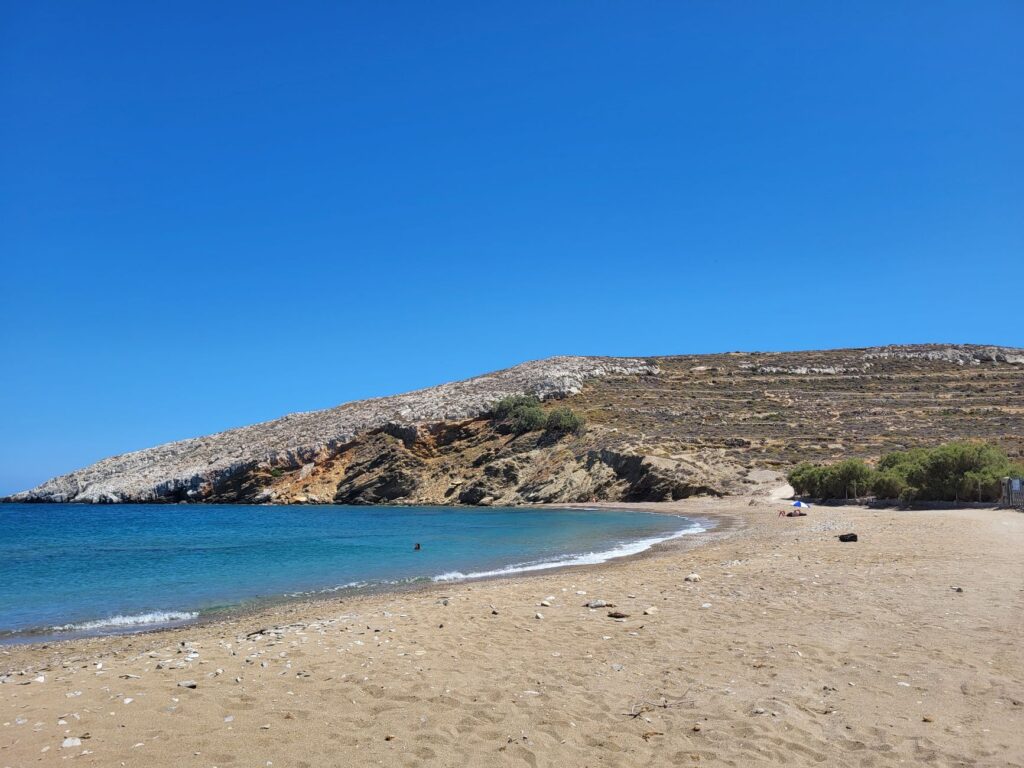
- Explore Soft Mobility: The island offers exceptional hiking trails connecting pristine beaches like Vatses or Kaminakia. Use electric transport to reach the trailheads.
- Support Local: Consume local products. Astypalaia’s thyme honey and artisanal cheeses are famous; buying them reduces the carbon footprint associated with food imports.
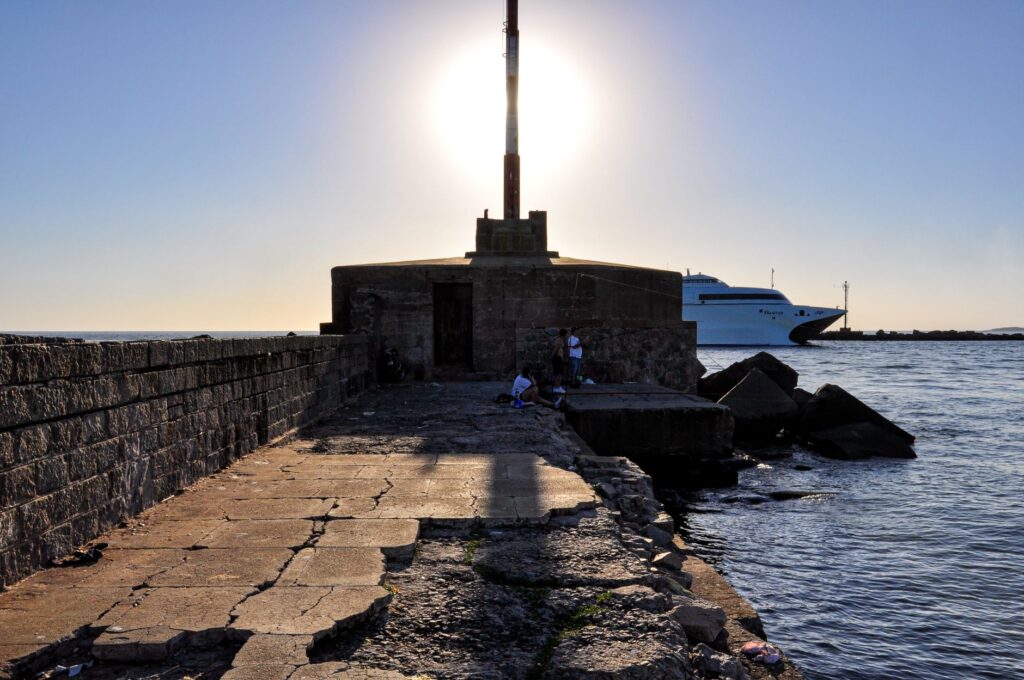
- Maritime Connections: Reach the island via ferries connecting with Piraeus or neighboring islands. While flying is faster, traveling by sea allows for a more gradual transition into the island’s rhythm.
Conclusion: An Echo in the Blue
As night falls over the Quirini castle, the silence in Astypalaia is almost absolute. Only the wind and the sea are heard. This silence is the greatest achievement of its transformation. The island has proven that it is possible to embrace modernity without losing one’s soul, that technology can be invisible, and that transport, far from being a logistical problem, can be the fabric that unites a community.
The path to total sustainability still faces challenges, especially regarding long-term energy storage and the management of battery circularity. However, the first step—the hardest—has already been taken. Astypalaia no longer flies on diesel wings, but on the impulse of the sun and the will of its inhabitants to be the beacon guiding the rest of the Mediterranean toward an emission-free horizon.