
Introduction to Europe’s Fluvial Arteries
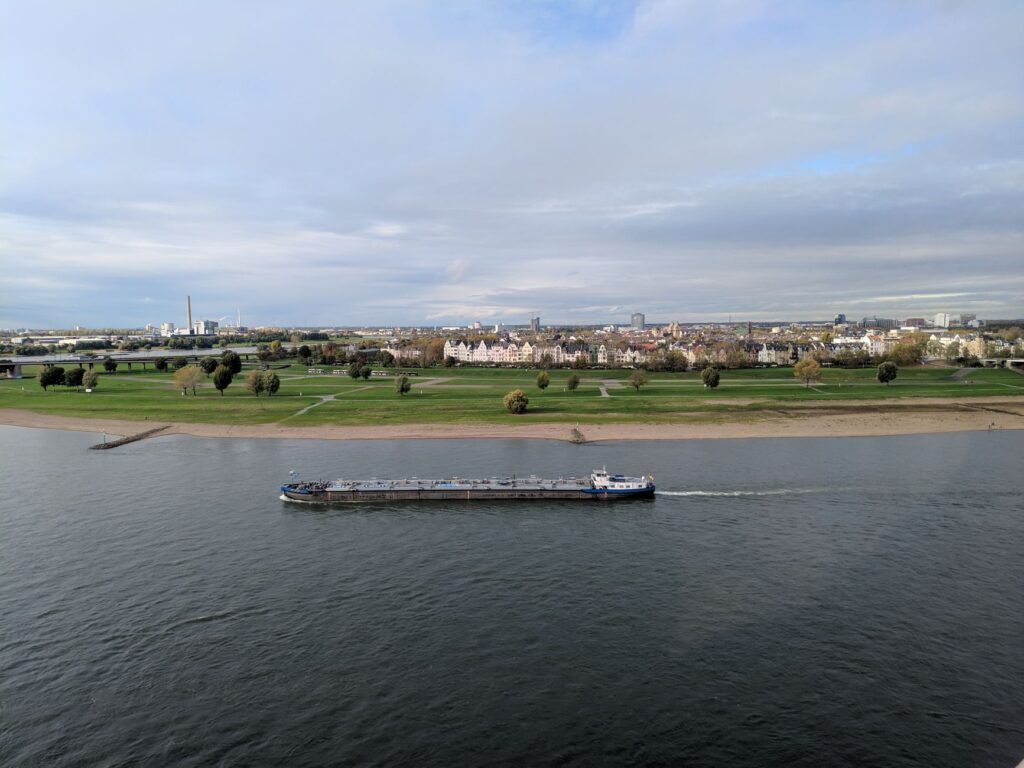
The Rhine has historically served as the backbone of trade and communication in the heart of Europe. Flowing from the Swiss Alps to the North Sea, this river of over twelve hundred kilometers traverses some of the densest industrial and demographic centers on the continent. However, the traditional model of inland navigation, heavily reliant on high-power diesel engines and intensive dredging activities, has generated profound environmental imbalances. Today, the Rhine basin finds itself at the epicentre of a radical transformation driven by strict decarbonization regulations and the urgent need to protect the fragile aquatic habitats of Central Europe.
Sustainable mobility on inland waterways is no longer limited to the aesthetic modernization of tourist passenger vessels; it encompasses the core strategic domain of heavy freight transport and cross-border logistics. As governments in Germany, the Netherlands, Switzerland, and France tighten emissions limits, river operators are forced to rethink everything from the fuels they consume to the hydrodynamic designs of their hulls. This report examines the emerging technologies, operational challenges, and ecological impacts of this transition along one of the world’s busiest commercial waterways.
Historical Context and Pressure on the Ecosystem
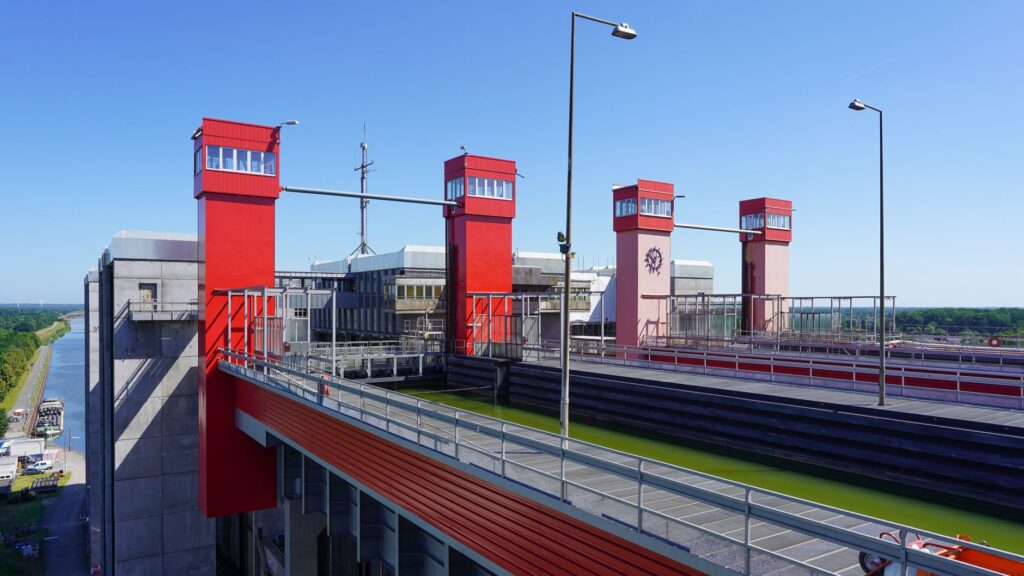
During the nineteenth and twentieth centuries, the Rhine was extensively modified through canalization, dykes, and locks to facilitate the steady passage of barges and merchant ships. While these interventions propelled the economy of post-war Central Europe, they fragmented the natural habitats of numerous native species, disrupted the migratory routes of fish such as salmon, and altered natural flood regimes. Industrial pollution and urban wastewater discharges compounded the ecological crisis until, in the late twentieth century, international agreements began to reverse the most visible damage.
Nevertheless, climate change has introduced a new variable of stress: prolonged droughts and drastic drops in summer discharge levels. During episodes of severe low water, cargo vessels cannot operate at full capacity, forcing operators to split loads or temporarily suspend traffic, which generates logistical bottlenecks. This structural vulnerability has demonstrated that sustainability on the Rhine is not merely a matter of reducing greenhouse gas emissions, but also of designing a transport infrastructure capable of adapting to the extreme climatic variability of the twenty-first century.
Fleet Electrification and Hybrid Propulsion Systems
One of the most significant advancements in inland navigation is the adoption of electric propulsion systems powered by high-capacity battery packs and hydrogen fuel cells. In the river cruise sector, which operates predictable schedules between historic cities, shipping lines are incorporating hybrid vessels that can navigate through protected urban zones using exclusively stored electrical energy, completely eliminating local carbon dioxide and nitrogen oxide emissions.
Intelligent hybridization makes it possible to optimize energy consumption in real time, recovering kinetic energy during braking maneuvers or when passing through lock chambers.
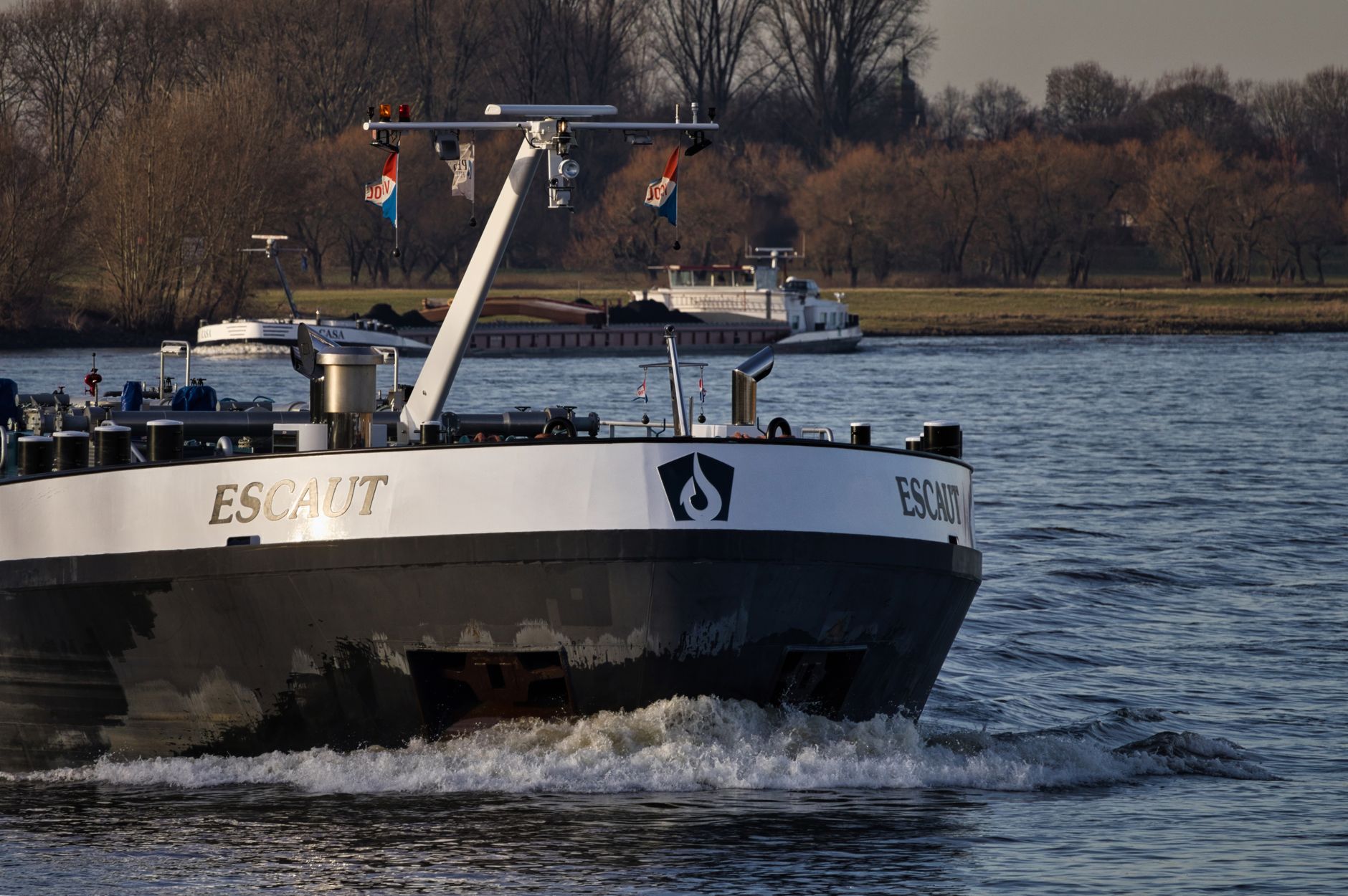
For freight transport, the technical challenge is considerably greater due to the weight and volume of the cargo. Electric barges operating on the Lower Rhine utilize interchangeable containerized battery packs that are recharged onshore using electricity derived from renewable sources. This rapid-charging infrastructure in key ports such as Rotterdam, Duisburg, and Basel is the critical link determining the commercial viability of the zero-emission fleet.
The Role of Green Hydrogen in Long-Distance Routes
When analyzing extended river segments where frequent battery recharging proves impractical, green hydrogen emerges as the most promising technological solution. Several European industrial consortia are testing vessels powered by hydrogen fuel cells that generate electricity onboard with no byproduct other than water vapor. Initial pilot projects on the Rhine demonstrate that this technology can offer the autonomy required to replace traditional diesel engines on general cargo vessels.
However, the large-scale expansion of hydrogen-based navigation faces significant economic and regulatory barriers. The green hydrogen supply chain is still under development, and production and storage costs remain high compared to conventional fossil fuels. Furthermore, safety regulations for transporting and handling hydrogen in densely populated port areas require comprehensive, harmonized regulatory updates among the various riparian nations.
Logistical Optimization and Digital Traffic Management
Sustainability on the Rhine depends not only on onboard propulsion technology; operational efficiency plays an equally crucial role. Through the use of advanced digital platforms and river information services, operators can coordinate navigation schedules, cruising speeds, and access to locks and port terminals to avoid congestion and reduce unnecessary fuel consumption.
The transformation of the Rhine demonstrates that the decarbonization of river transport requires a seamless synergy between naval innovation, onshore port infrastructure, and digital traffic management.
These intelligent river traffic management systems allow barges to adjust their speed based on berth availability at their destination, a concept known in logistics jargon as just-in-time navigation. By avoiding anchored waiting periods with engines idling, substantial energy savings are achieved and acoustic impacts on riverbanks are minimized, benefiting both local wildlife and human riparian communities.

Port Infrastructure and Onshore Energy Transition
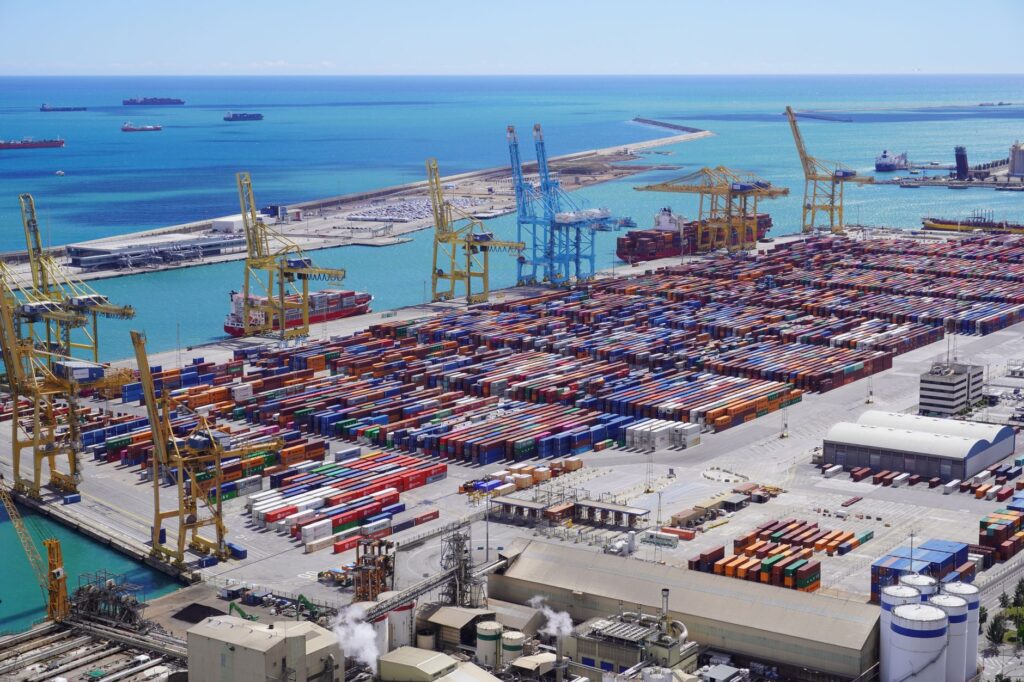
Ports along the Rhine are transforming into green logistics hubs capable of supplying clean energy to the new fleet of vessels. Port electrification, technically known as cold ironing, allows ships to shut down their auxiliary diesel engines while docked for loading and unloading operations, notably reducing air and noise pollution in urban port environments.
Likewise, major inland ports are installing electrolyzers to produce green hydrogen on-site, utilizing surplus wind and solar energy from the regional power grid. This sector coupling turns port nodes into genuine accumulators and distributors of clean energy for the entire river transport corridor, consolidating a circular economy model along the entire axis of the Rhine.
Biodiversity Impact and Riverbank Restoration
The transition toward truly sustainable river transport must proceed in parallel with the ecological restoration of the riverbed and its floodplains. For decades, rigid canalization accelerated water flow, increasing bank erosion risks and destroying natural transition zones between land and water. Today, river management authorities promote renaturalization projects that return part of the original space to the river.

The creation of stepped riverbanks and artificial wetlands not only mitigates the impact of wakes generated by passing vessels but also acts as a natural filter for pollutants and restores critical habitats for birdlife and amphibians.
These ecological corridors allow local wildlife to find refuge from industrial and commercial activity, proving that intensive river navigation and biodiversity conservation can coexist when strict scientific criteria for environmental management and spatial planning are applied.
The European Regulatory Framework and Transition Challenges
The definitive push toward a sustainable Rhine originates from European Union legislative frameworks and international commissions for the protection of the river, such as the Central Commission for the Navigation of the Rhine (CCNR). Community directives on air quality and greenhouse gas emission reductions establish strict timelines for inland transport operators to upgrade their fleets and adopt alternative fuels.
Nevertheless, the sector faces substantial financial challenges. Upgrading or retrofitting an inland barge represents a very high capital investment for the small family-owned businesses that have traditionally dominated this sector. Consequently, national governments and European funds are implementing specific grant schemes and soft loans to cushion the economic impact of the transition and prevent environmental regulations from disproportionately penalizing independent operators.
Practical Information for Travelers and Researchers
For those interested in studying firsthand the transformation of river transport on the Rhine or experiencing sustainable tourism along its banks, various specialized routes and interpretation centers are available:
- Sustainable Navigation Routes: Several river cruise companies offer journeys between Cologne and Basel using vessels certified for energy efficiency and hybrid propulsion.
- Interpretation Centers: The Rhine Museum in Koblenz and the Duisburg Port visitor center offer permanent exhibitions on navigation history and future technologies.
- Parallel Cycling Paths: The Rhine Cycle Route (EuroVelo 15) runs almost parallel to the river for over 1,300 kilometers, allowing visitors to observe river traffic and port infrastructure from an active mobility perspective.
- Planning and Access: The best time to tour the Rhine corridor by bicycle or regional train is between May and September, when weather conditions are optimal and the intermodal public transport network operates at full capacity.
Conclusion and Future Outlook
The Rhine River stands today as a full-scale laboratory for the ecological transition in inland transport. The convergence of electric and hydrogen propulsion, advanced digital traffic management, port modernization, and riverbank ecosystem restoration demonstrates that it is possible to reconcile the economic activity of one of the world’s most important commercial arteries with environmental preservation.
The experience of the Rhine anticipates the model that major waterways across the globe must adopt to secure a low-emissions future without sacrificing territorial and commercial cohesion.
Although financial, regulatory, and technological hurdles persist, the direction of change is irreversible. The success of this transformation will not only redefine the profile of river transport in Europe but will also lay the regulatory and operational foundations for sustainable navigation on a global scale in the coming decades.