
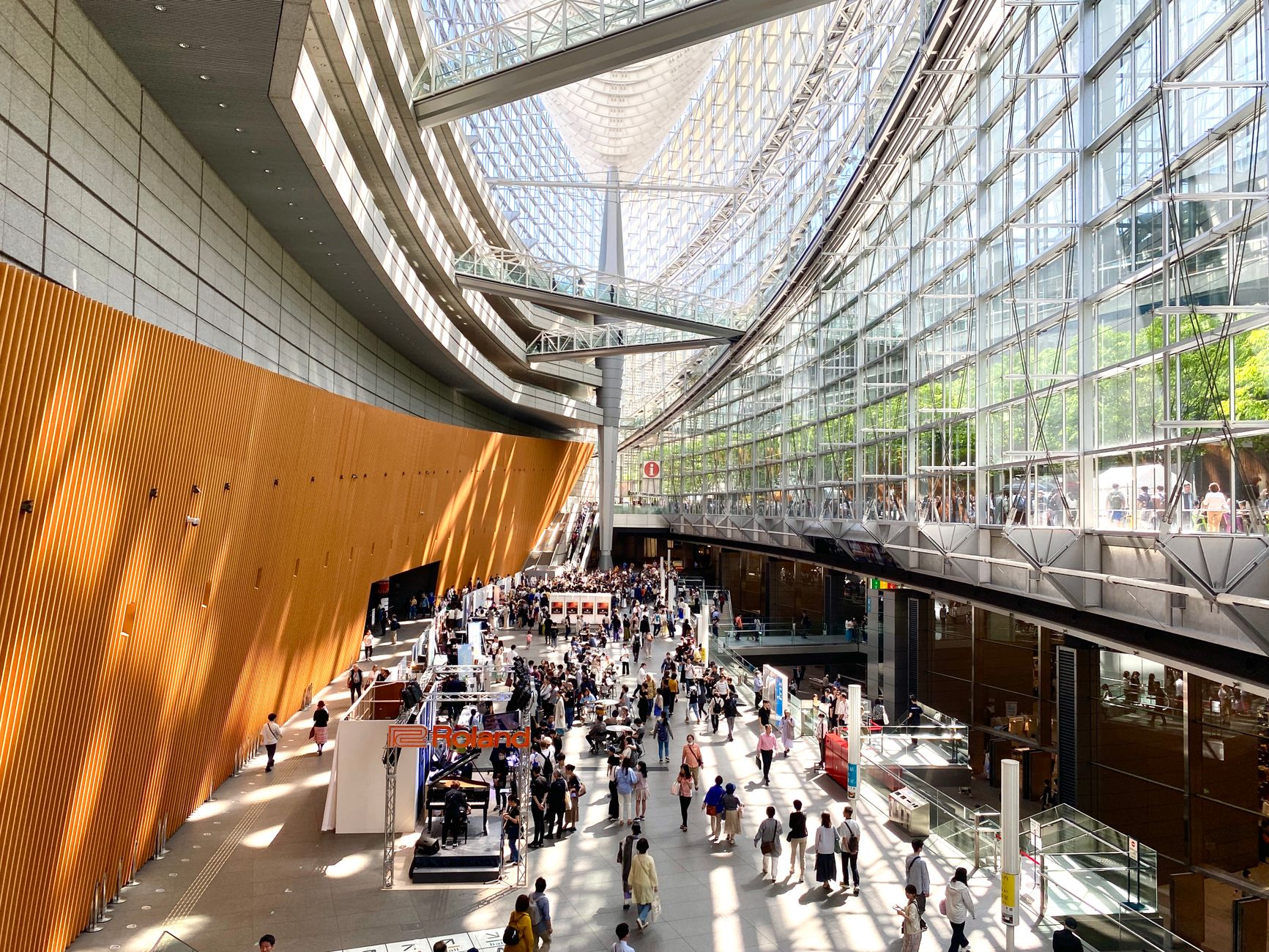

A Historical Milestone for the Global Tourism Industry
The official announcement of the thirtieth edition of the International Tourism Fair (FIT) marks a turning point in the global travel industry agenda. Featuring a record surface area and an unprecedented attendance projection, this annual gathering at La Rural exhibition center stands as the undisputed barometer of the economic and operational health of the tourism sector in Latin America. The sheer scale of this call reflects not only the resilience of an activity that has successfully reinvented itself following the fluctuations of the past decade, but also the urgent need to rethink connectivity and sustainable development on a regional scale.
Since its inception, FIT has established itself as the natural bridge between the emerging markets of the Southern Cone and major international outbound hubs. The 2026 edition is no exception; on the contrary, it raises the institutional bar by bringing together under one roof tourism ministers, flag carrier airline directors, global tour operators, and local entrepreneurs committed to diversifying the tourism offering. In a context where the recovery of passenger flows has surpassed the initial projections of the World Tourism Organization, this milestone anniversary acquires incalculable strategic value.
Physical Expansion and Pavilion Architecture
One of the most discussed aspects following the official presentation has been the expansion of the exhibition space. Organizers have confirmed that the entirety of the available pavilions will be utilized, integrating new open-air areas for immersive experiences and regional gastronomic displays. This logistical deployment responds to sustained demand from Argentine provinces and international destinations seeking dedicated spaces with distinct visual identities.
The temporary architectural design of the fair prioritizes fluid circulation for professional visitors during exclusive B2B days, as well as comfort for the general public over the weekend. The optimization of common areas and the incorporation of digital accreditation technologies aim to eliminate traditional bottlenecks, allowing business rounds to unfold in an environment conducive to long-term commercial agreements.

The Pulse of Business Rounds and the B2B Economy
The commercial heart of FIT 2026 beats within its networking spaces and traditional business rounds organized in collaboration with business chambers and production ministries. This format facilitates pre-scheduled appointments between international buyers and providers of ground services, hospitality, and transportation. Expectations for this year far surpass figures from previous editions, driven by the stabilization of certain exchange rate markets and the necessity to secure allotments well in advance.
Tour operators note that the focus of negotiations is no longer limited strictly to passenger volume, but rather centers on the quality of the experience and the integration of proposals that guarantee a positive impact on host communities. The diversification of the product portfolio is today a sine qua non condition for capturing the interest of an increasingly informed and demanding consumer who demands transparency and environmental commitment across every link of the value chain.
The true measure of success for an international trade fair no longer lies solely in the square meters occupied, but in the quality and durability of the commercial bridges it successfully builds between diverse regions.
Technological Innovation and Sector Digitalization
Digital transformation occupies a central place in the value proposition of this thirtieth edition. Tech startups, hotel management software companies, and omnichannel commercialization platforms feature in an exclusive pavilion showcasing the latest tools designed to improve operational efficiency. From the implementation of artificial intelligence for customer service to contactless ticketing systems and predictive demand analysis, the fair functions as a showcase for the immediate future of travel.

Debates scheduled in the main auditorium address the regulatory challenges of the collaborative economy, cybersecurity in tourism transactions, and the ethical use of user data. Specialists from various continents agree that technology must serve to humanize the experience, freeing professionals from mechanical tasks and allowing them to focus on personalized counseling and tailored itinerary creation.
Sustainability and Regenerative Tourism as Guiding Principles
Far from being a mere advertising slogan, sustainability has become the guiding criterion for the planning of FIT 2026. Exhibitors are required to comply with strict regulations regarding the reduction of single-use plastics at their stands, while actively promoting recyclable materials and offsetting the carbon footprint derived from participation in the event.
Likewise, panel debates and conferences place strong emphasis on the concept of regenerative tourism. This approach proposes that tourism activity should not merely mitigate its negative impact, but rather leave a net-positive balance in local ecosystems and the cultural heritage of visited destinations. Indigenous communities, community-based rural tourism cooperatives, and non-governmental organizations play a leading role in the exhibition, sharing best practices and participatory management models that are already yielding successful results across various provinces in the country.
Air Connectivity and the Recovery of Outbound Markets
Air connectivity is the circulatory system of tourism, and its current state is subjected to rigorous analysis during the fair’s institutional conferences. Representatives of international airlines discuss long-haul routes slated for reactivation during the peak season, as well as the incentives required to maintain stable frequencies in regional airports. The decentralization of international flights is a historical demand of Argentine tourist regions, which seek to attract foreign tourism directly without necessarily routing through traditional hubs.
Bilateral negotiations between aviation authorities developed within the framework of FIT frequently translate into announcements regarding new frequencies and codeshare agreements that facilitate the arrival of European, North American, and neighboring country visitors. Tariff competitiveness and fleet modernization to reduce polluting emissions are unavoidable topics on the agenda of commercial aviation executives present at the venue.
Domestic Tourism: The Undisputed Engine of the Regional Market
While the international dimension of FIT is undeniable, the domestic market remains the fundamental pillar supporting the fair’s economic structure. The twenty-three Argentine provinces and the Autonomous City of Buenos Aires showcase their finest attractions through impressive stands that combine landscape wealth with musical performances, tastings of regional products, and presentations of new scenic routes.
Proximity tourism, weekend getaways, and the revaluation of charming rural villages capture the interest of thousands of local visitors who take advantage of the weekend public opening to plan their upcoming vacations. Provincial governments utilize this platform to launch seasonal promotion campaigns, highlighting the accessibility and the climatic and geographical diversity offered by the national territory throughout the entire year.

The Role of Gastronomy and Culture as Anchor Attractions
The contemporary travel experience is inseparable from culture and, very notably, local gastronomy. At FIT 2026, regional flavors occupy a prominent space through master cooking classes, producer markets, and guided tastings of wines, olive oils, and artisanal cheeses.
This segment, known as gastronomic tourism, has transformed into a decisive factor when choosing a destination, attracting a high-spending traveler demographic that values the authenticity and traceability of ingredients. Chefs and producers participating in the fair demonstrate how highlighting ancestral recipes combined with modern culinary techniques can invigorate the economy of regional sectors previously marginalized from traditional tourist circuits.
Practical Information for Professional Visitors and the General Public
To make the most of a visit to this thirtieth edition, it is essential to consider the access regulations and schedules established by the organization. Opening days correspond exclusively to industry professionals, while the weekend opens doors to the general public.
- Estimated Dates: Last quarter of the year, according to the official calendar of La Rural, Buenos Aires Exhibition Center.
- B2B Hours: Monday to Friday (professional days), with mandatory prior online accreditation.
- General Public Access: Saturday and Sunday during continuous hours, with ticket sales at box offices and official digital channels.
- How to Get There: Excellent connectivity via bus lines, nearby subway stations (Line D), and main road accesses for private vehicles and taxis.
- Logistical Recommendation: Visitors are advised to download the official event app to consult the interactive map, conference schedule, and coordinate business meetings without delays.

Visual Conclusion and Future Perspectives
Thirty years after its inaugural edition, the International Tourism Fair has demonstrated a chameleon-like capacity to adapt to the political, economic, and technological transformations of the contemporary world. What began as a modest regional exchange salon is now a global exhibition corporation setting the industry pulse in the Southern Hemisphere.
The recent history of Latin American tourism cannot be understood without the articulating role of this exhibition space, which year after year renews its commitment to sustainable development and regional integration.
The expectations generated by this thirtieth edition do no more than confirm that the sector is traveling toward a horizon of consolidation, where technology, environmental respect, and cultural authenticity are the only valid compasses to navigate the future. With preparations already underway, the industry gathers once more to demonstrate that travel remains the most powerful tool for knowledge and social transformation.
Source: Daily Travelling News (https://news.google.com/rss/articles/CBMiygFBVV95cUxPbG81RFA3Ty1mbkNNSHBjWnl2Z2NBWG9FYkh1SGFHSEhucTZNUlVxeHRBQ0k0dkF1ZnAxM3A5WkVUajNsczhaWl9SNEtkVDd3bEZ2a2dGUlI4OXQyeWpkcjFiaV9tZlAtV0lnRlhpb1BmRllsdmowbGxCT05pMXZjdW55R0NjcDllcmpfYVN3em96OHBpMWt2akIyS29yYVJwTHNSdWhuYWFUXzJsQ0VEZ0NvVEZLUVFmZVVBZmt5OFUyQlo2aTFlalBn?oc=5)


